Industrial environments continually test the limits of infrastructure. Project managers and procurement teams in the chemical, wastewater treatment, and construction sectors frequently struggle with traditional materials that succumb to aggressive corrosion, rapid aging, and overwhelming structural weight. These recurring failures not only halt critical operations but also inflate maintenance budgets exponentially. Finding a reliable, structurally sound alternative is no longer just an operational preference—it is an absolute necessity for project survival.
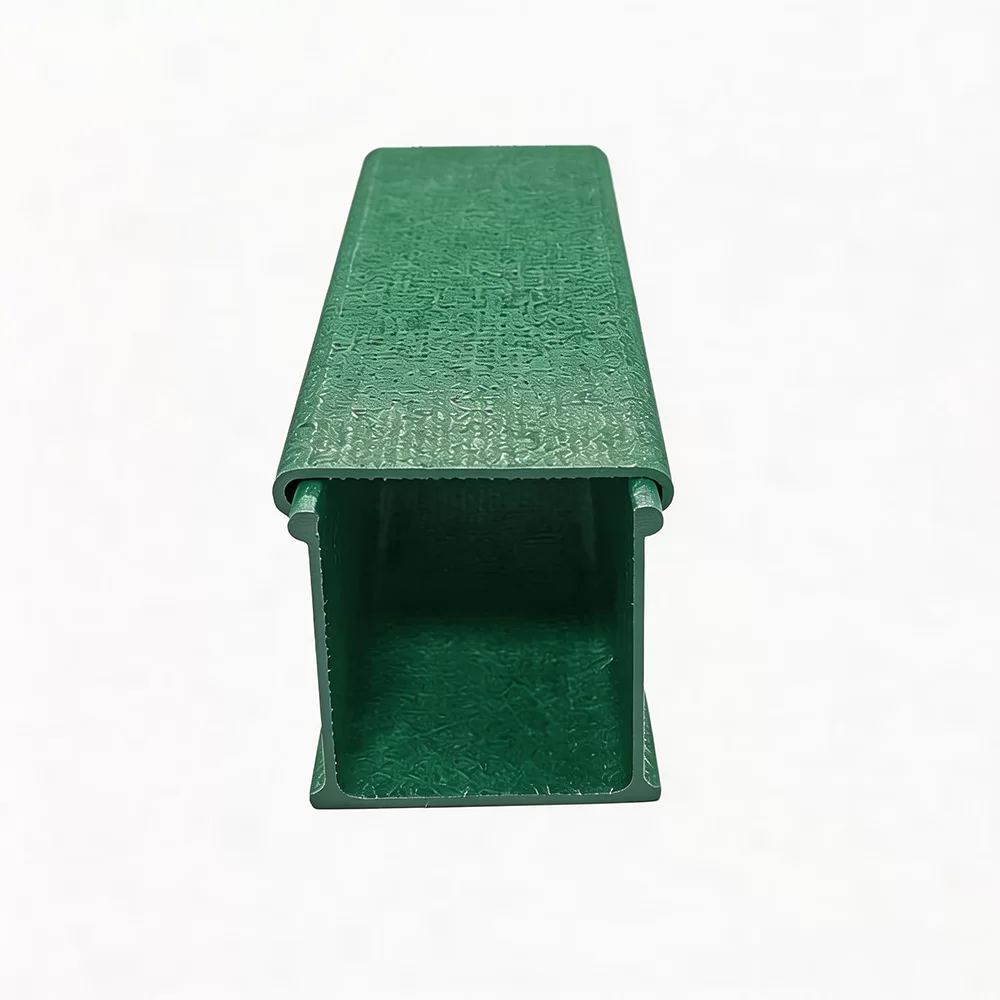
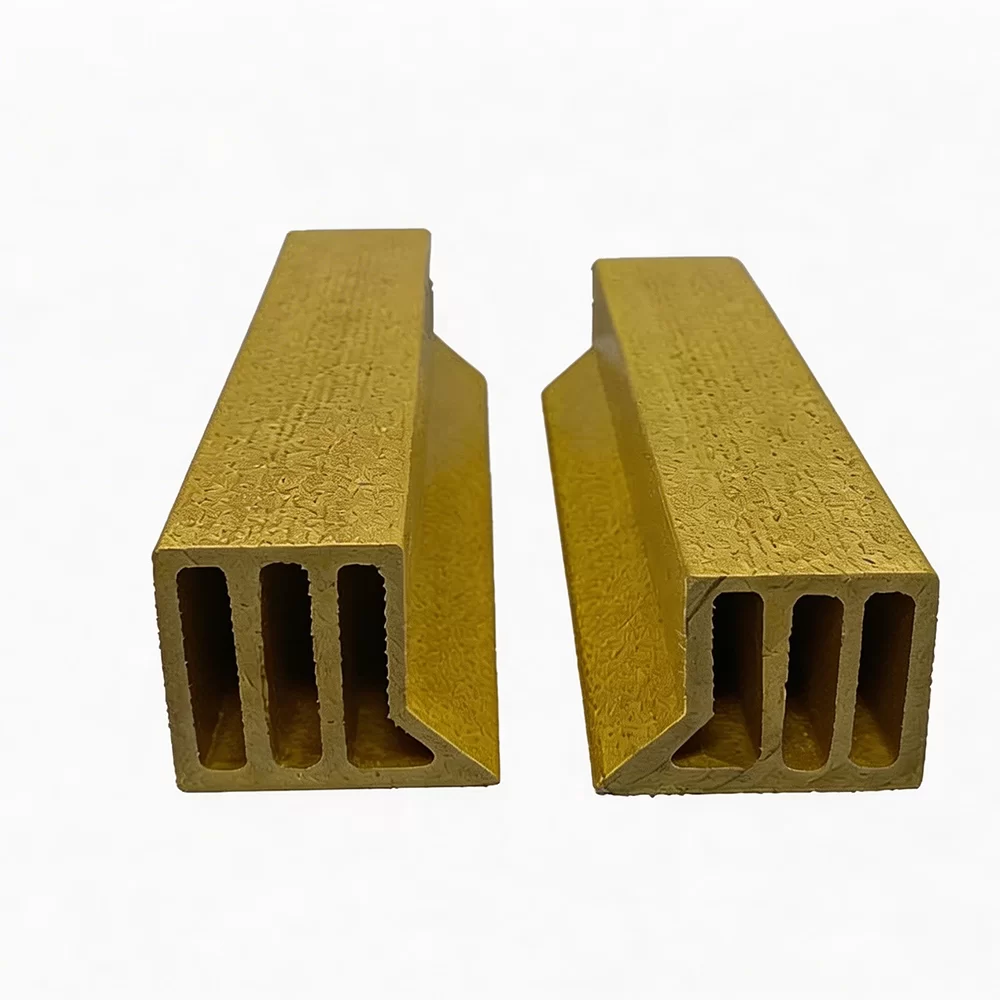
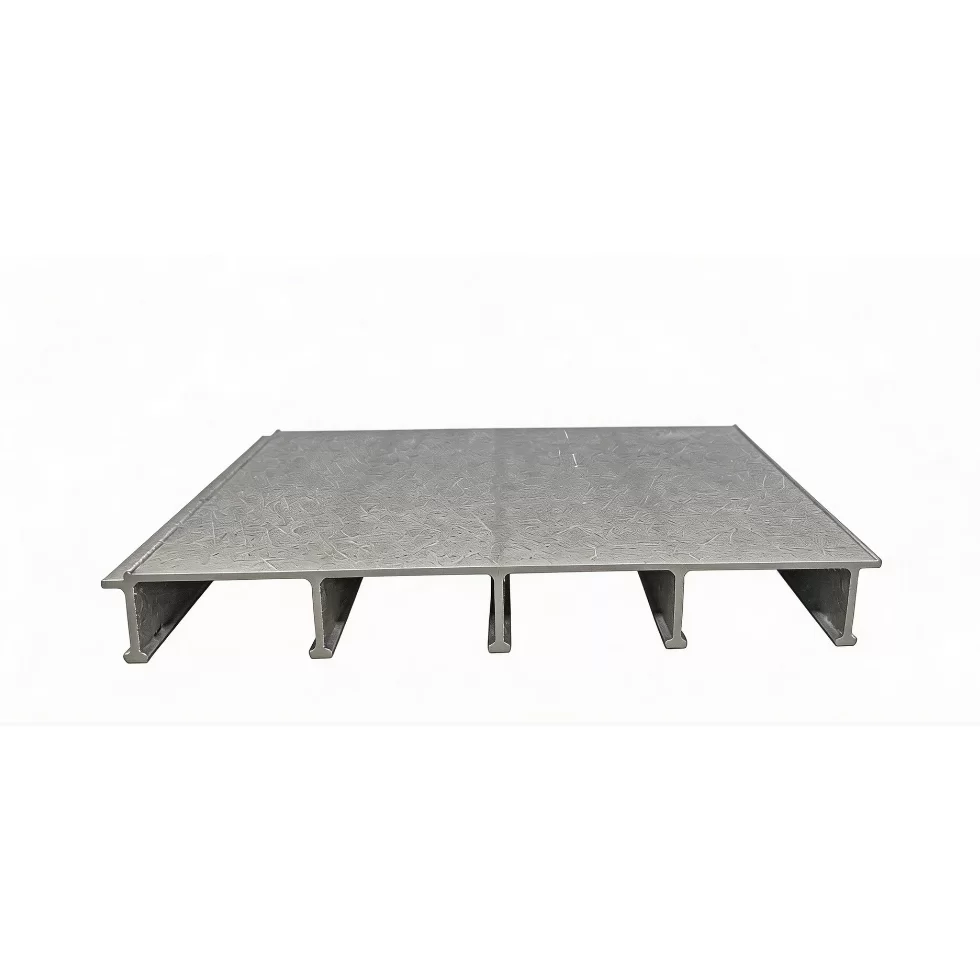
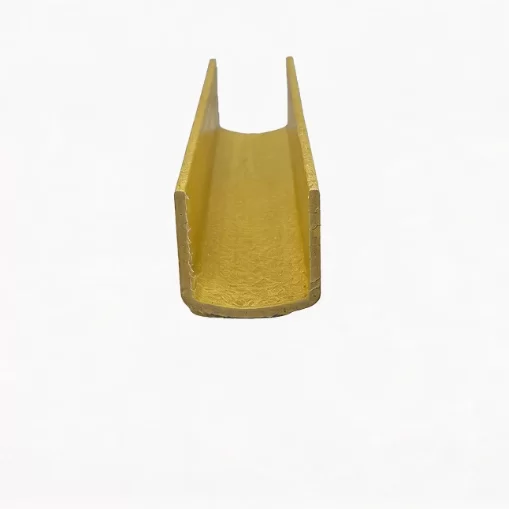
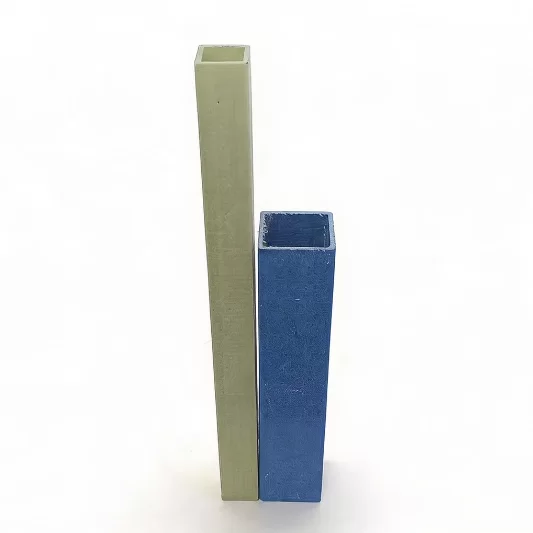
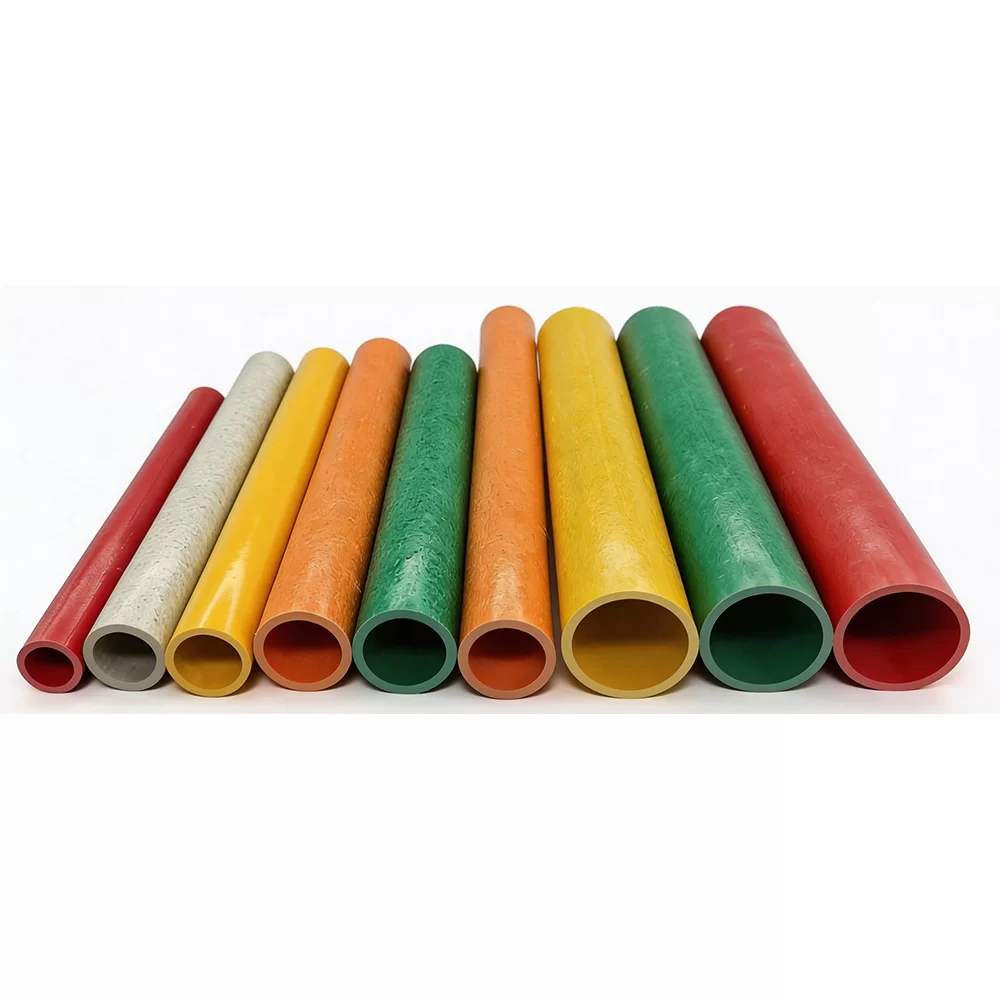
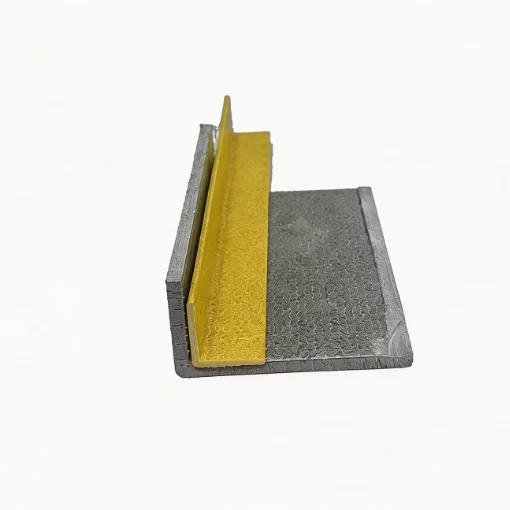
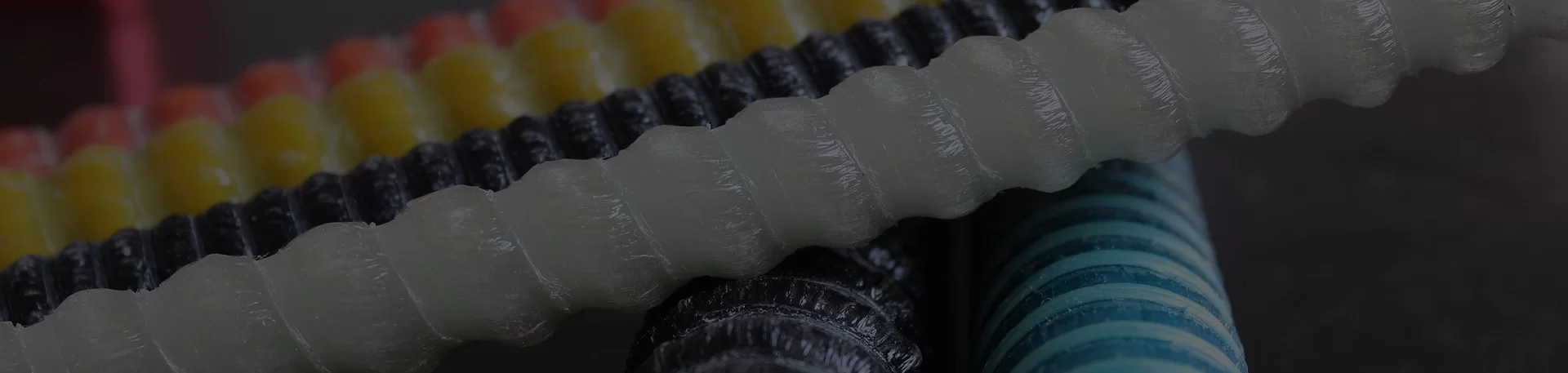
Stepping into this critical gap is a dedicated manufacturing approach focused on high-quality Fiber Reinforced Polymer (FRP). By integrating advanced pultrusion, molding, and hand lay-up processes, modern engineering has unlocked customized composite solutions tailored for large-scale applications. Sourcing wholesale fiberglass reinforcement guarantees access to structural profiles and gratings engineered specifically for durability and unparalleled corrosion resistance.
Operating out of state-of-the-art production workshops in the Fuzhuang Industrial Park, our integrated manufacturing lines are equipped to deliver massive scale without compromising precision. From complex structural profiles to resilient water storage solutions, project teams globally rely on these advanced materials to eradicate rust, reduce installation weight, and future-proof their most demanding engineering projects.
Precision engineering forms the backbone of reliable composite manufacturing. To serve international markets—ranging from North America and Europe to Southeast Asia and the Middle East—strict adherence to industrial performance metrics is non-negotiable. Our modern production workshops employ multiple automated pultrusion lines and advanced molding machines, strictly governed by a comprehensive Quality Management System (QMS).
Evaluating wholesale fiberglass reinforcement requires looking beyond basic dimensions. The following matrix outlines the foundational technical standards applied to our FRP and carbon fiber product lines, ensuring each structural component exceeds industrial baseline requirements.
| Performance Metric | Industry Significance | Our Engineering Standard | Strategic Advantage |
|---|---|---|---|
| Strength-to-Weight Ratio | Determines structural load-bearing capacity while minimizing dead weight on infrastructure. | High-density continuous pultrusion processing. | Reduces heavy lifting equipment requirements, significantly lowering logistics and installation costs. |
| Corrosion Resistance | Crucial for environments exposed to chemicals, moisture, and extreme pH levels. | Premium resin matrices optimized for chemical and wastewater treatment applications. | Eliminates structural rust, preventing catastrophic failures in highly corrosive industrial plants. |
| Anti-Aging & UV Stability | Dictates long-term material viability in exposed, outdoor construction scenarios. | Advanced surface treatments integrated directly during the molding and lay-up phases. | Prevents material degradation, flaking, or brittleness over decades of environmental exposure. |
| Dimensional Precision | Ensures seamless integration in large-scale, modular engineering assemblies. | Operates under a strict QMS with automated multi-line pultrusion technology. | Guarantees exact tolerances for custom composite solutions, streamlining onsite assembly. |
Long-term financial performance in structural engineering is heavily dictated by material selection at the procurement phase. While traditional alloys may present familiar upfront costs, their lifecycle is plagued by expensive coatings, constant monitoring, and inevitable replacement cycles. Transitioning procurement strategies to high-quality composite materials shifts the financial model from reactive maintenance to proactive asset protection.
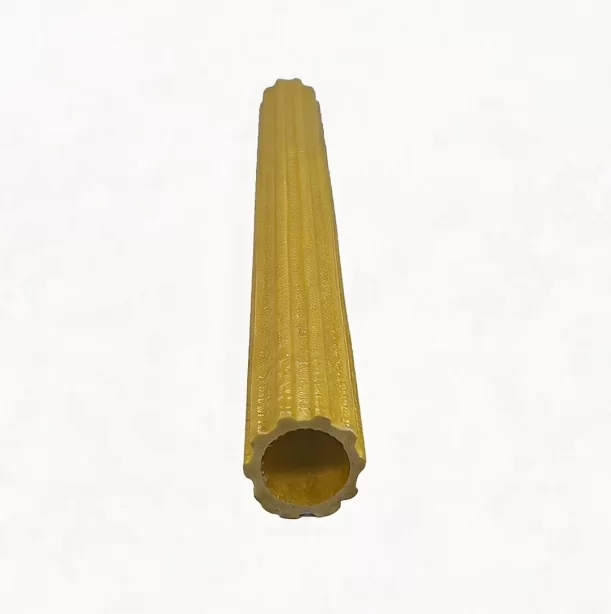
By securing wholesale fiberglass reinforcement directly from an integrated manufacturer, enterprises unlock significant economies of scale. Direct access to a wide range of molded and pultruded products—such as gratings, structural profiles, and carbon fiber tubes—ensures a unified standard of quality across global project sites. The inherent anti-aging and high-strength characteristics of these materials drastically flatten the cumulative cost curve over a facility’s operational lifespan.
The projection below illustrates the transformative financial impact of integrating premium FRP composites compared to traditional structural materials over a standard 20-year industrial lifecycle.
Related products
Top Selling Products