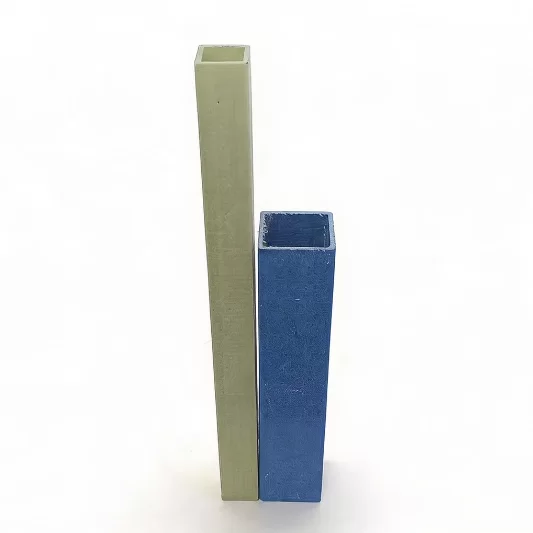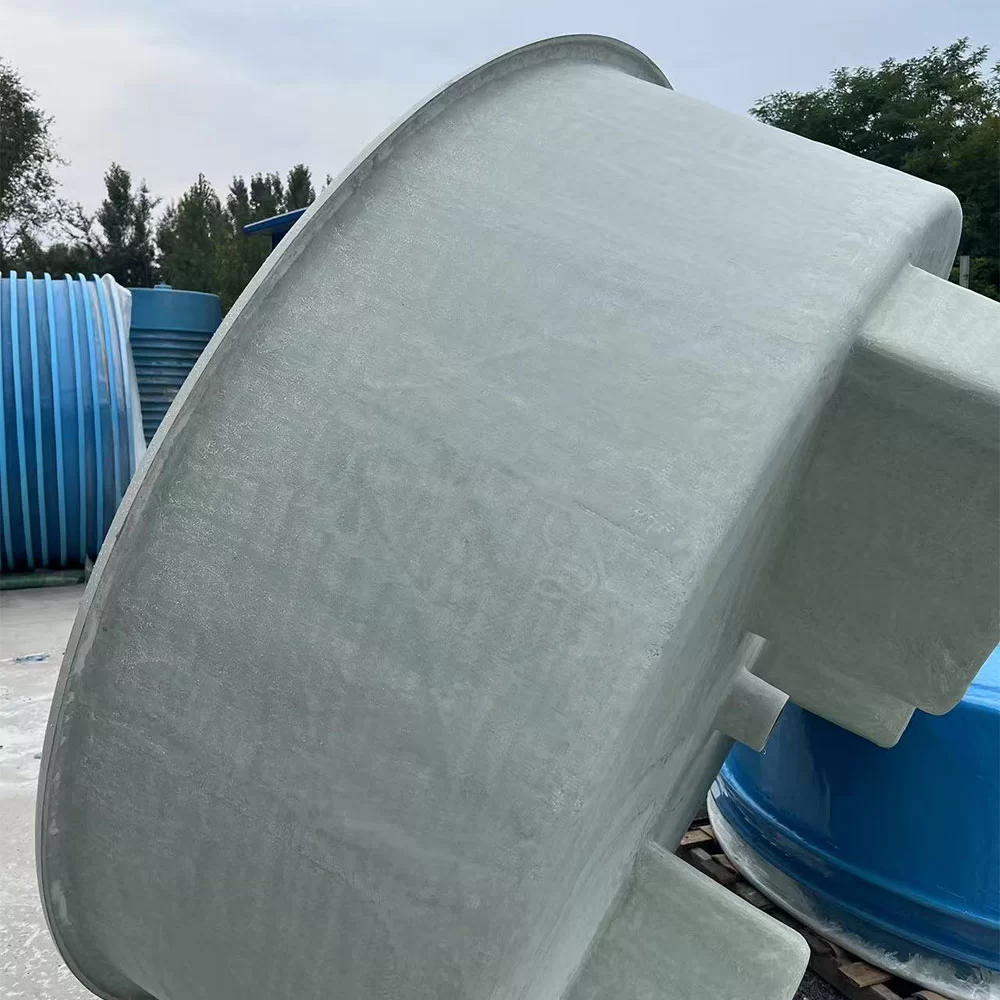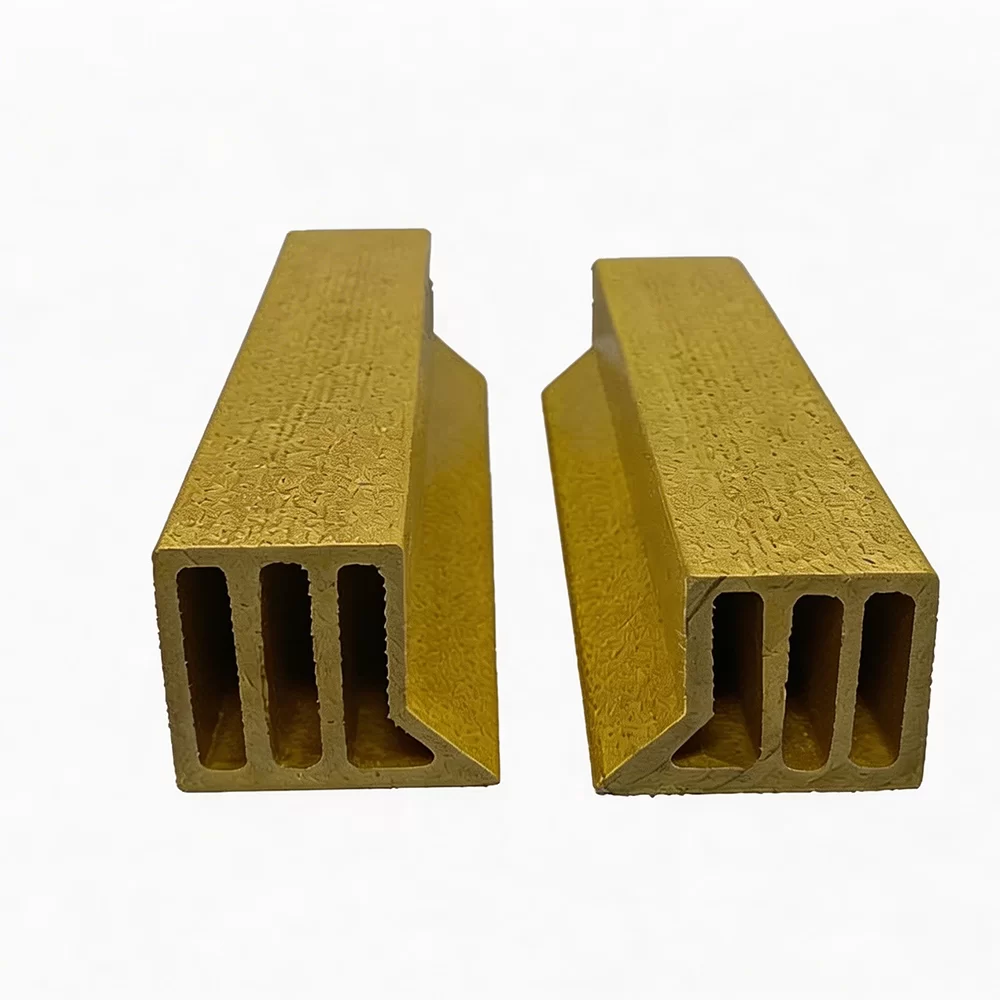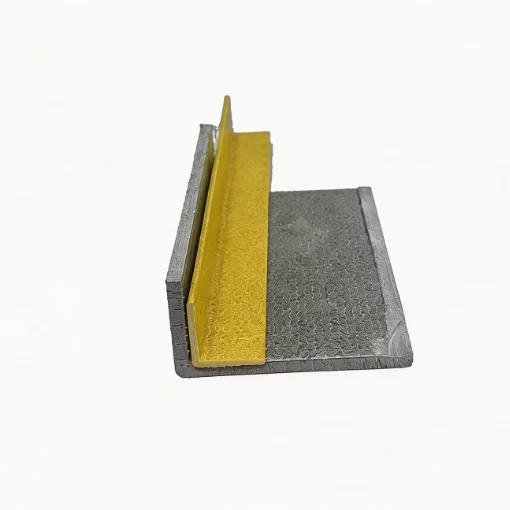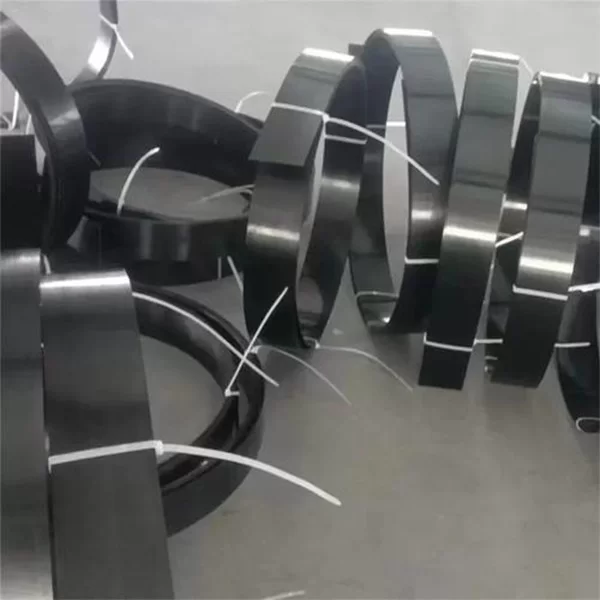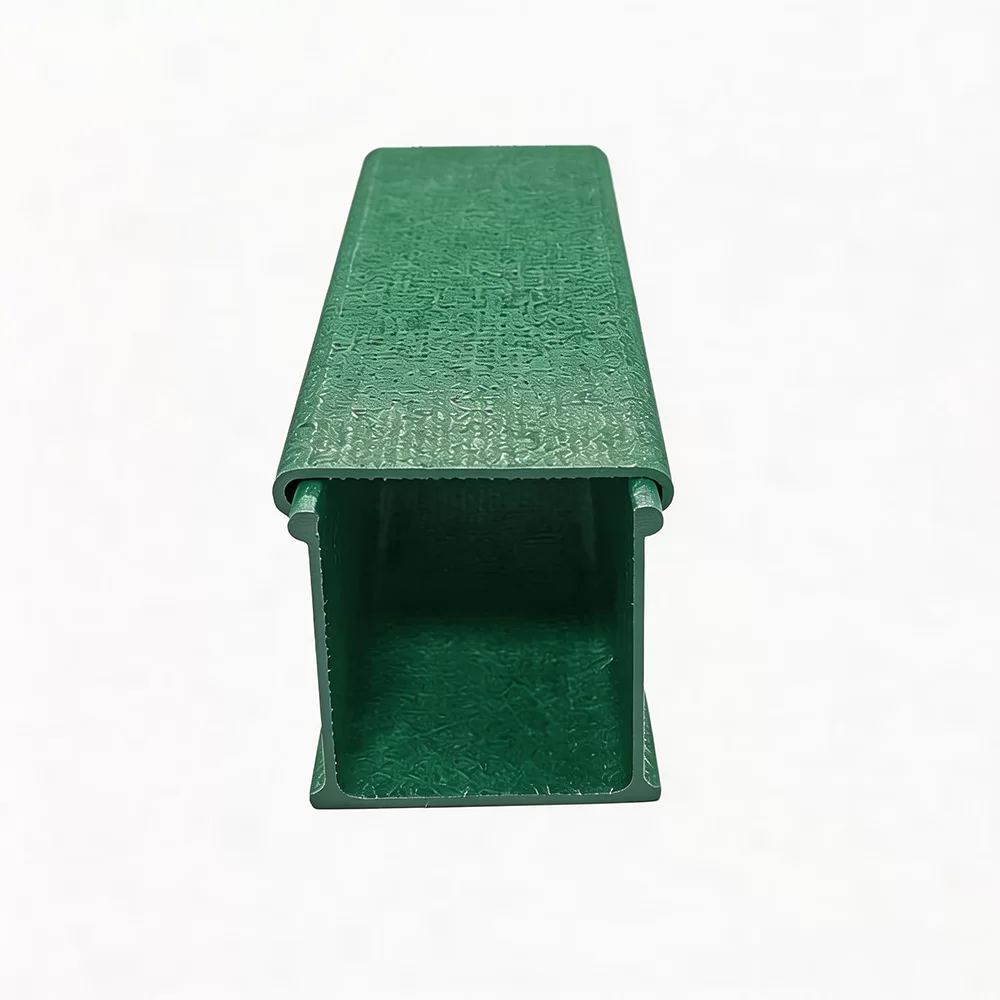
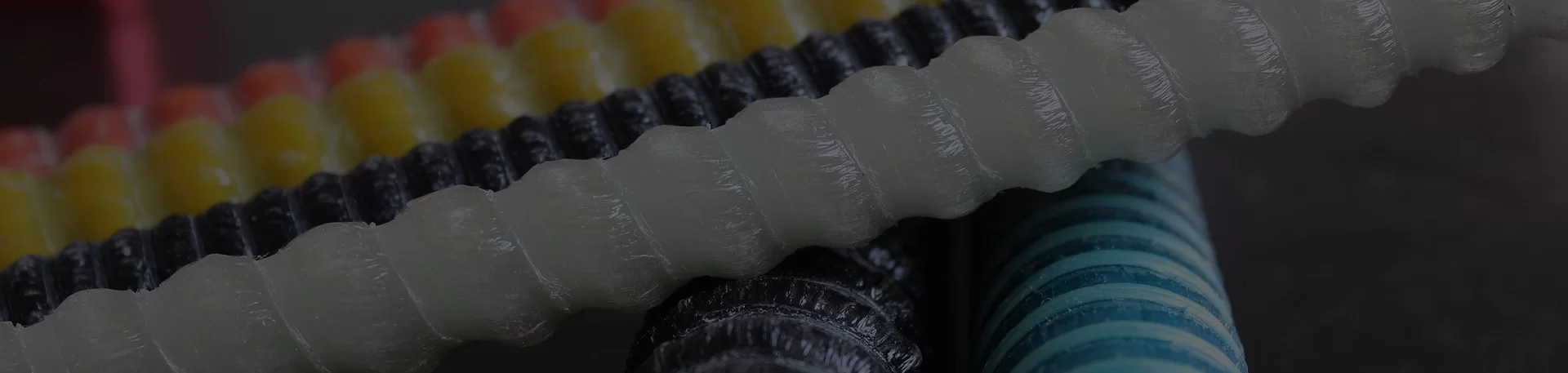
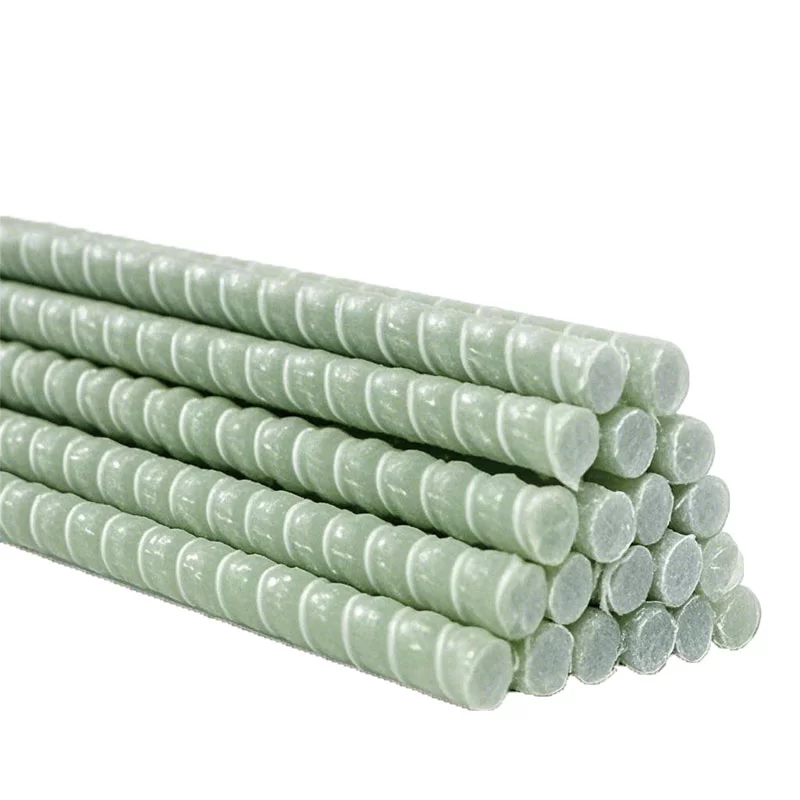
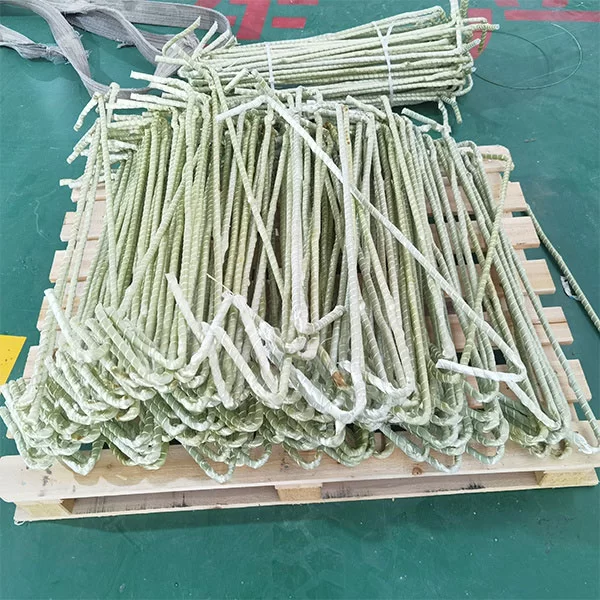
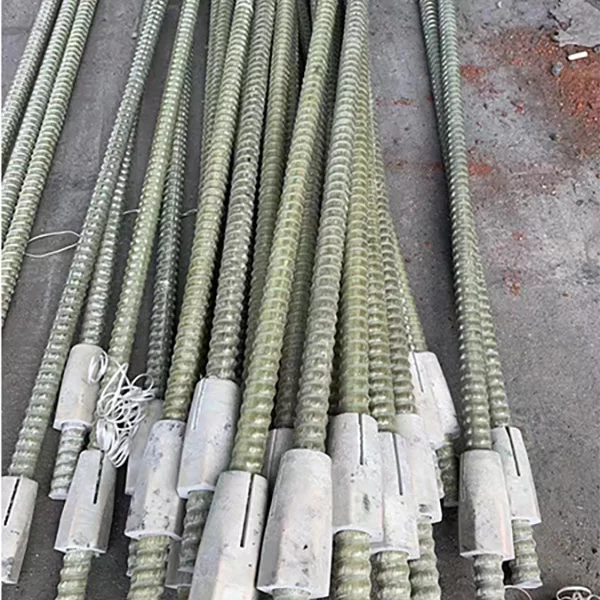
Built using a composite molding process of glass fiber and high-performance resin, it combines the advantages of lightweight, high strength, acid and alkali corrosion resistance, insulation and non conductivity, and can perfectly replace traditional steel bars. It is specially designed for building reinforcement and structural construction in corrosive environments such as saline alkali land and coastal areas.
Fiberglass Rebar is a critical structural material widely used to enhance the mechanical performance, durability, and reliability of composite systems. By integrating high-quality glass fibers into resin-based matrices, this reinforcement solution delivers superior strength, stiffness, and dimensional stability while maintaining a lightweight structure. It has become an essential component in modern composite engineering, where performance efficiency, cost control, and long-term durability are key priorities.
As industries increasingly replace traditional metal materials with advanced composites, Fiberglass Rebar plays a vital role in enabling lightweight design, corrosion resistance, and flexible manufacturing. Its adaptability across various molding processes and resin systems makes it a preferred reinforcement solution for both structural and semi-structural applications.
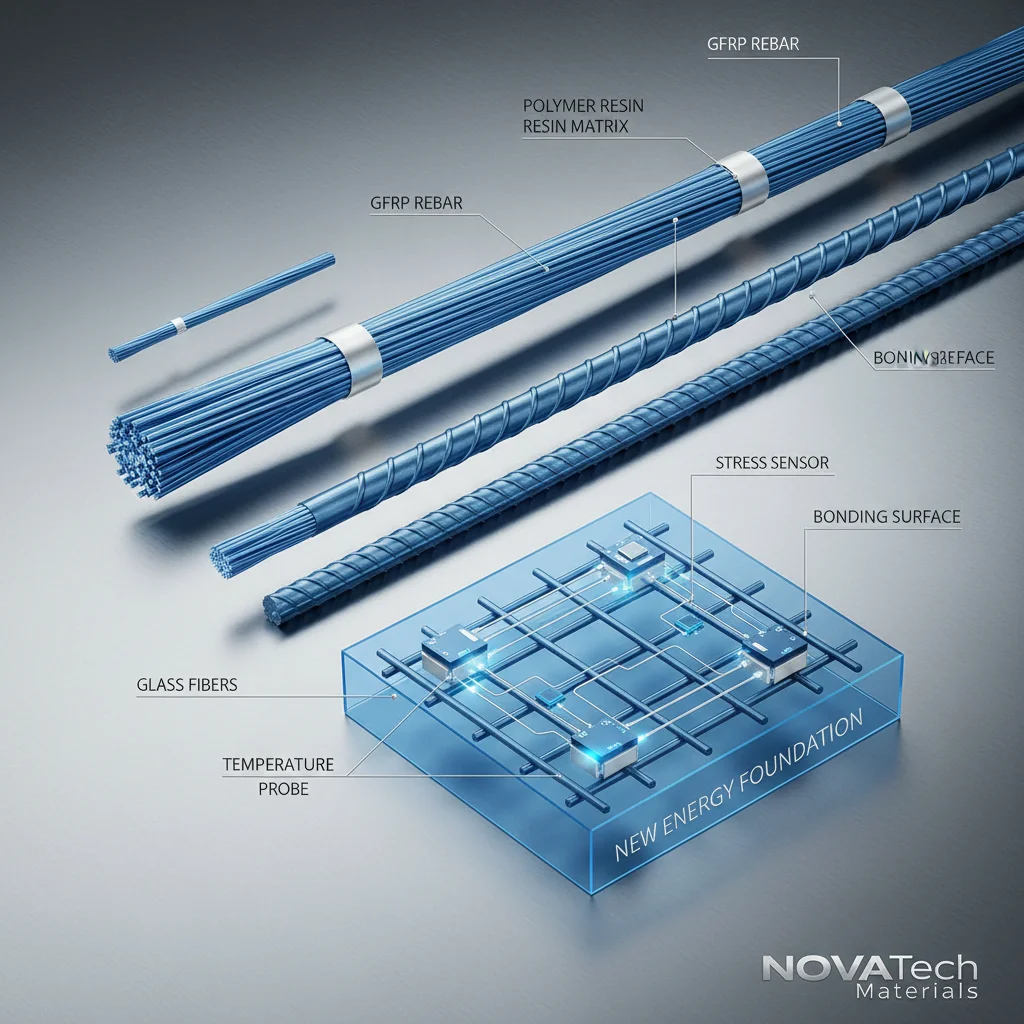
Fiberglass Rebar is primarily composed of continuous or chopped glass fibers manufactured from silica-based raw materials. These fibers are engineered with controlled diameters, tensile properties, and surface treatments to ensure optimal bonding with resin matrices such as polyester, vinyl ester, epoxy, polyurethane, and thermoplastics.
The reinforcement mechanism relies on the load transfer between the resin matrix and the glass fibers. While the resin provides shape, protection, and load distribution, the fiberglass rebar carries the majority of mechanical stress. This synergistic structure significantly improves tensile strength, flexural strength, impact resistance, and fatigue performance of the final composite product.
Advanced sizing and surface treatments applied to the fibers enhance interfacial adhesion, ensuring consistent mechanical behavior and long-term stability even under cyclic loads or harsh environmental conditions.
Fiberglass Rebar offers a comprehensive range of performance features designed to meet demanding industrial requirements:
High Mechanical Strength: Provides excellent tensile, flexural, and compressive strength, ensuring reliable reinforcement in load-bearing applications.
Lightweight Performance: Delivers a high strength-to-weight ratio, enabling significant weight reduction compared with steel or aluminum reinforcements.
Excellent Chemical and Corrosion Resistance: Resistant to moisture, acids, alkalis, oils, and industrial chemicals, making it suitable for aggressive environments.
Thermal Stability: Maintains dimensional integrity and mechanical properties across a wide temperature range.
Superior Fatigue Resistance: Performs consistently under repeated stress cycles, reducing the risk of structural failure over time.
Design Flexibility: Available in multiple forms such as fiberglass mats, woven fabrics, stitched fabrics, rovings, and customized composite reinforcements.
Resin Compatibility: Optimized for use with both thermoset and thermoplastic resin systems, supporting diverse manufacturing processes.
Compared with conventional reinforcement materials, fiberglass rebar provides several decisive advantages:
Enhanced Structural Performance
By efficiently distributing loads and reinforcing stress points, fiberglass rebar significantly improves the mechanical performance of composite structures without adding unnecessary weight.
Cost-Effective Engineering Solution
Fiberglass rebar offers an excellent balance between performance and cost, making it suitable for high-volume industrial production and large-scale infrastructure projects.
Long Service Life
Its resistance to corrosion, moisture absorption, and environmental degradation ensures stable performance over extended service periods, even in outdoor or high-humidity environments.
Manufacturing Efficiency
Compatible with processes such as hand lay-up, spray-up, compression molding, resin transfer molding (RTM), vacuum infusion, pultrusion, and lamination, fiberglass rebar supports efficient and scalable production.
Reduced Maintenance Requirements
Unlike metal reinforcements, fiberglass composites do not rust or corrode, minimizing maintenance and lifecycle costs.
Fiberglass rebar is widely used across a broad range of industries due to its versatility and proven performance:
Automotive and Transportation
Used in interior and exterior structural components, panels, headliners, underbody parts, and lightweight support structures to reduce vehicle weight and improve fuel efficiency.
Construction and Infrastructure
Applied in wall panels, roofing systems, reinforcement layers, insulation boards, and structural elements requiring durability and weather resistance.
Wind Energy
Essential reinforcement material for wind turbine blades and support components, providing strength, fatigue resistance, and long-term stability.
Marine and Offshore
Used in boat hulls, decks, pipes, tanks, and corrosion-resistant marine structures exposed to saltwater environments.
Industrial Equipment
Applied in machine housings, protective covers, enclosures, and load-bearing industrial components requiring strength and chemical resistance.
General Composite Products
Widely adopted in furniture, enclosures, transportation containers, and customized composite solutions across multiple sectors.
To meet diverse application requirements, Fiberglass rebar can be customized in terms of:
Fiber type and filament diameter
Areal weight and thickness
Fiber orientation and architecture
Surface treatment and resin compatibility
Roll width, length, and packaging format
Custom-engineered reinforcement solutions enable manufacturers to optimize performance, reduce material waste, and improve overall production efficiency.
Quality Control and Reliability
Strict quality control measures are applied throughout the production process to ensure consistent fiber properties, uniform structure, and reliable performance. Each batch is tested for mechanical strength, fiber distribution, and compatibility with designated resin systems. This ensures stable performance and compliance with international industrial standards.
Apr. 27, 2026
Benefits of Durable Concrete Fiberglass Rebar for Infrastructure

Apr. 24, 2026
High Strength and Corrosion Resistant glass fibre reinforcement bars
Apr. 23, 2026
Reliable frp walkway manufacturer for Industrial Flooring Solutions
Apr. 22, 2026
Sustainable Construction with High Strength gfrp rebars Guide

Apr. 17, 2026
Advantages and Applications of High Strength Glass Rebar
Apr. 16, 2026
The Ultimate Guide to GFRP Rebars for Modern Construction
Looking for Reliable Frp Solutions?