Apr. 09, 2026
In the evolving landscape of civil engineering, the quest for materials that combine strength with extreme durability has led to the rise of composite reinforcement. Among these innovations, glass rebar stands out as a transformative alternative to traditional steel. By leveraging the unique properties of glass fibers and resin, this material solves the age-old problem of concrete corrosion. Whether you are managing a coastal infrastructure project or a high-performance industrial floor, understanding the advantages of GFRP (Glass Fiber Reinforced Polymer) is key to extending the lifecycle of your structures. This guide explores how glass rebar is redefining the standards of sustainability and longevity in the building industry.

At its core, glass rebar is a composite material consisting of high-strength glass fibers embedded within a polymer resin matrix. Unlike steel, which relies on a crystalline metallic structure, GFRP utilizes the tensile strength of glass filaments to provide structural reinforcement. The resin not only binds the fibers together but also acts as a protective barrier against moisture and chemicals. This unique composition ensures that the reinforcement does not rust, eliminating the risk of "concrete spalling"—the cracking and breaking of concrete caused by expanding rusted steel. For engineers, this means a significant reduction in maintenance costs and a drastic increase in the structural lifespan of the asset.
Key Insight: The non-conductive nature of GFRP makes it the only viable choice for environments where electromagnetic interference must be avoided, such as MRI rooms or power plants.
The transition from steel to glass rebar is driven by several critical performance factors. First and foremost is corrosion resistance; GFRP is completely immune to chloride attack, making it ideal for bridges, seawalls, and parking garages where road salts are common. Secondly, the strength-to-weight ratio is far superior. GFRP is roughly one-fourth the weight of steel, which simplifies logistics, reduces shipping costs, and minimizes the physical strain on workers during installation. Furthermore, its thermal expansion coefficient is closer to that of concrete than steel is, reducing internal stress during temperature fluctuations.
Why Choose GFRP?
• Zero Corrosion: No rust, no spalling, no expensive repairs.
• Lightweight: Easier handling and faster installation speeds.
• Non-Magnetic: Ideal for sensitive electronic environments.
• Sustainability: Longer service life reduces the need for reconstruction.
When analyzing the technical metrics, it becomes clear why glass rebar is becoming the industry standard for corrosive environments. While steel offers higher ductility, GFRP provides an unparalleled tensile strength that often exceeds that of standard carbon steel. The most significant difference, however, lies in the lifecycle cost. While the initial material cost of GFRP can vary, the elimination of epoxy coatings and the drastic reduction in future repair work make it the more economical choice over a 50-year horizon.
The versatility of glass rebar makes it an essential component in several high-stakes environments. In marine construction, it is used for piers, docks, and sea walls where salt water would destroy steel in a matter of years. In urban infrastructure, it is the preferred choice for bridge decks and road pavements to resist the corrosive effects of de-icing chemicals. Additionally, it is widely used in wastewater treatment plants where chemical aggression is constant. The ability to customize the diameter and length of GFRP bars allows for precision engineering in everything from thin residential slabs to massive industrial foundations.
Installing glass rebar is remarkably similar to installing steel, though there are key differences. Because GFRP cannot be bent on-site using heat (it must be prefabricated to the required shape), careful planning of the rebar schedule is necessary. However, the ease of cutting and the lightweight nature of the bars significantly speed up the placement process. Below are the typical technical specifications you will find for high-quality composite reinforcement bars:
Environmental impact is now a primary consideration in global construction. The use of glass rebar contributes to a greener planet by extending the life of concrete structures, thereby reducing the frequency of demolition and reconstruction. Since concrete production is a major source of CO2 emissions, making a building last 100 years instead of 40 is one of the most effective ways to lower the carbon footprint of the construction industry. As manufacturing processes for GFRP become more efficient, we are seeing a shift toward "circular" construction where longevity is the ultimate form of sustainability.
Choosing glass rebar is more than just a material swap; it is a strategic decision to prioritize durability, safety, and cost-efficiency. By eliminating the threat of corrosion and reducing the dead load of structures, GFRP provides a modern solution to ancient engineering problems. Whether you are fighting saltwater erosion or building for a high-tech future, the switch to composite reinforcement is the smartest path forward. Invest in quality, invest in longevity, and choose the superior strength of GFRP.
Unlike steel rebar, which can be bent using manual or mechanical benders on-site, glass rebar cannot be bent cold. Due to the nature of the glass fibers and the cured resin, any bends or shapes must be prefabricated at the factory during the pultrusion process. This means that accurate architectural planning and detailed rebar schedules are essential before ordering. However, this requirement is offset by the fact that GFRP bars are much easier to cut and position once they arrive at the site.
On a purely "per-foot" basis, GFRP may sometimes have a higher initial purchase price than standard black steel. However, this is a narrow view of the cost. When you consider the "Total Cost of Ownership," glass rebar is often cheaper. It eliminates the need for expensive epoxy coatings on steel, reduces labor costs due to its light weight, and—most importantly—removes the need for costly corrosion-related repairs in the future. For most infrastructure projects, the lifecycle savings are substantial.
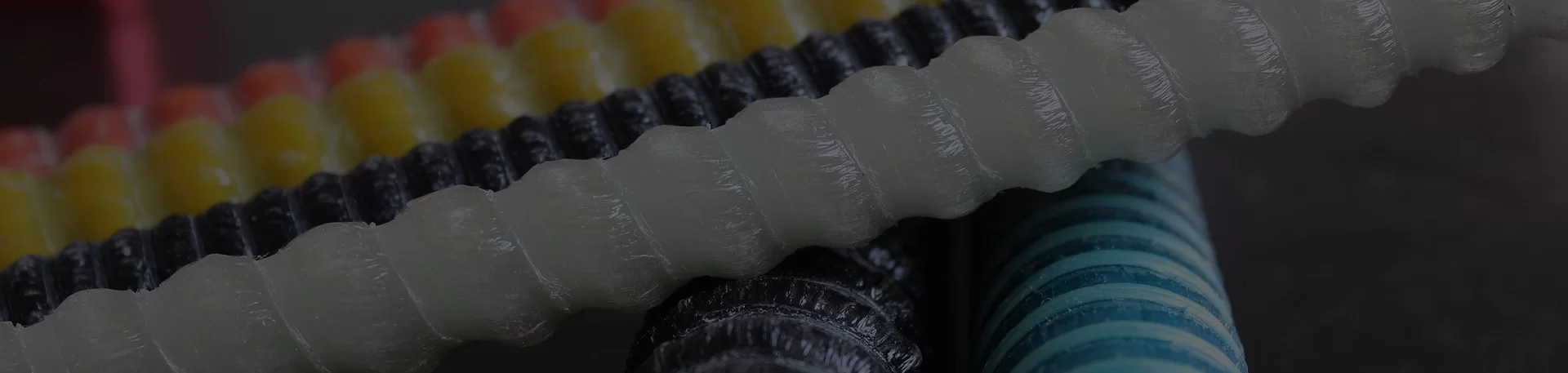
Bonding is achieved through the surface texture of the bar. High-quality glass rebar is manufactured with a specially engineered surface—such as sand-coating, ribbed patterns, or helical wraps—to ensure a mechanical lock between the composite and the concrete. This ensures that the tensile loads are efficiently transferred from the concrete to the rebar, providing the necessary structural integrity for the build. In most tests, GFRP shows excellent bond strength comparable to that of traditional deformed steel bars.
While GFRP is an incredible material, it is best suited for specific roles. It is the absolute gold standard for structures exposed to chemicals, salts, and moisture. However, because it does not yield like steel (it is linear-elastic until failure), engineers typically use it in areas where corrosion is the primary threat rather than in highly seismic zones where extreme ductility is required. For most slabs, walls, and pavements, glass rebar is a superior and more durable choice.
Apr. 27, 2026
Benefits of Durable Concrete Fiberglass Rebar for Infrastructure
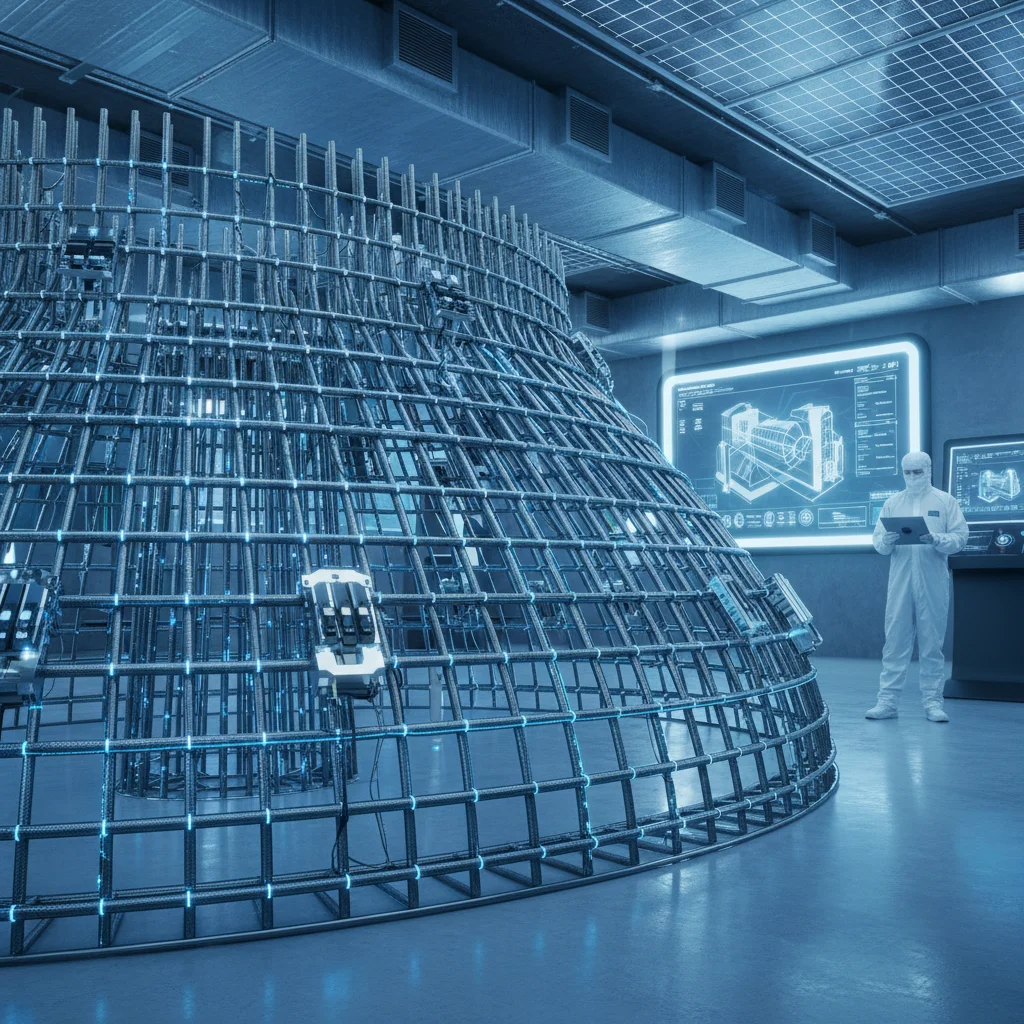
Apr. 24, 2026
High Strength and Corrosion Resistant glass fibre reinforcement bars
Apr. 23, 2026
Reliable frp walkway manufacturer for Industrial Flooring Solutions
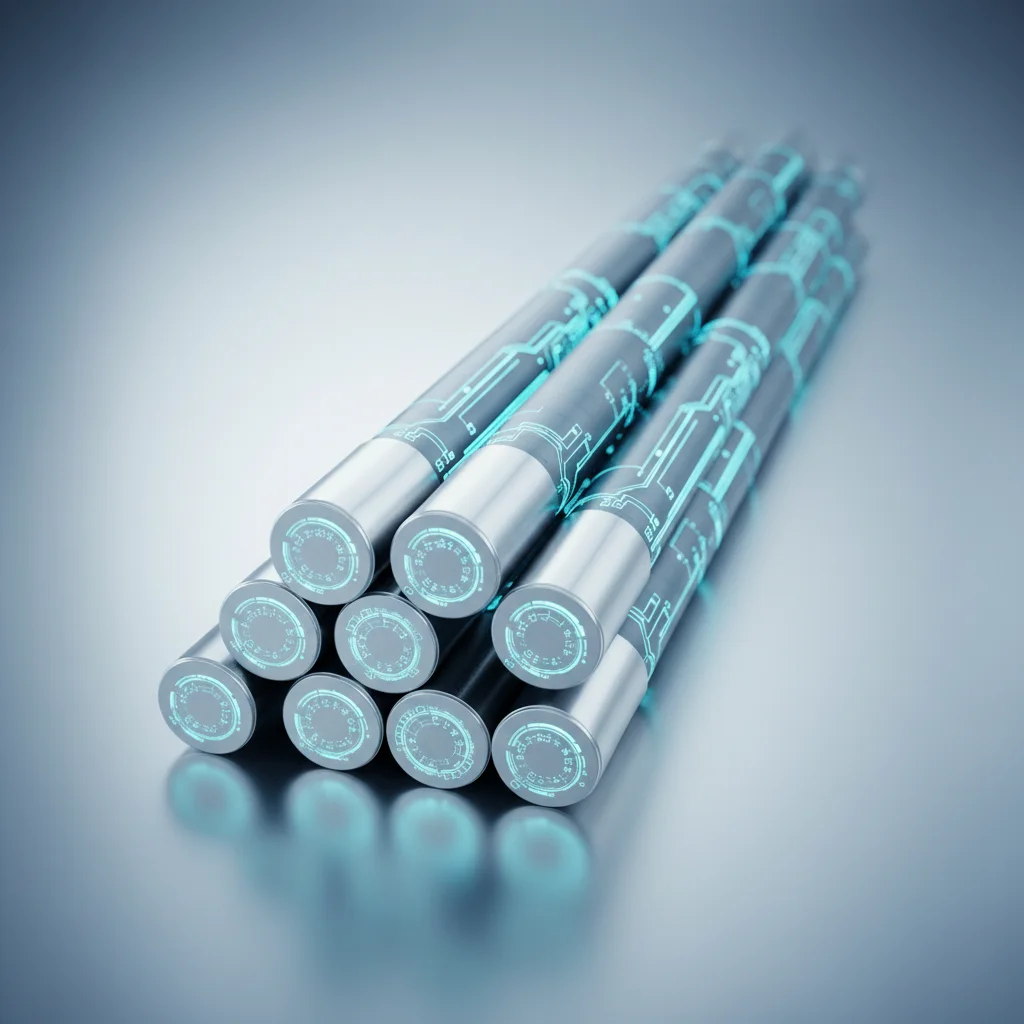
Apr. 22, 2026
Sustainable Construction with High Strength gfrp rebars Guide

Apr. 17, 2026
Advantages and Applications of High Strength Glass Rebar
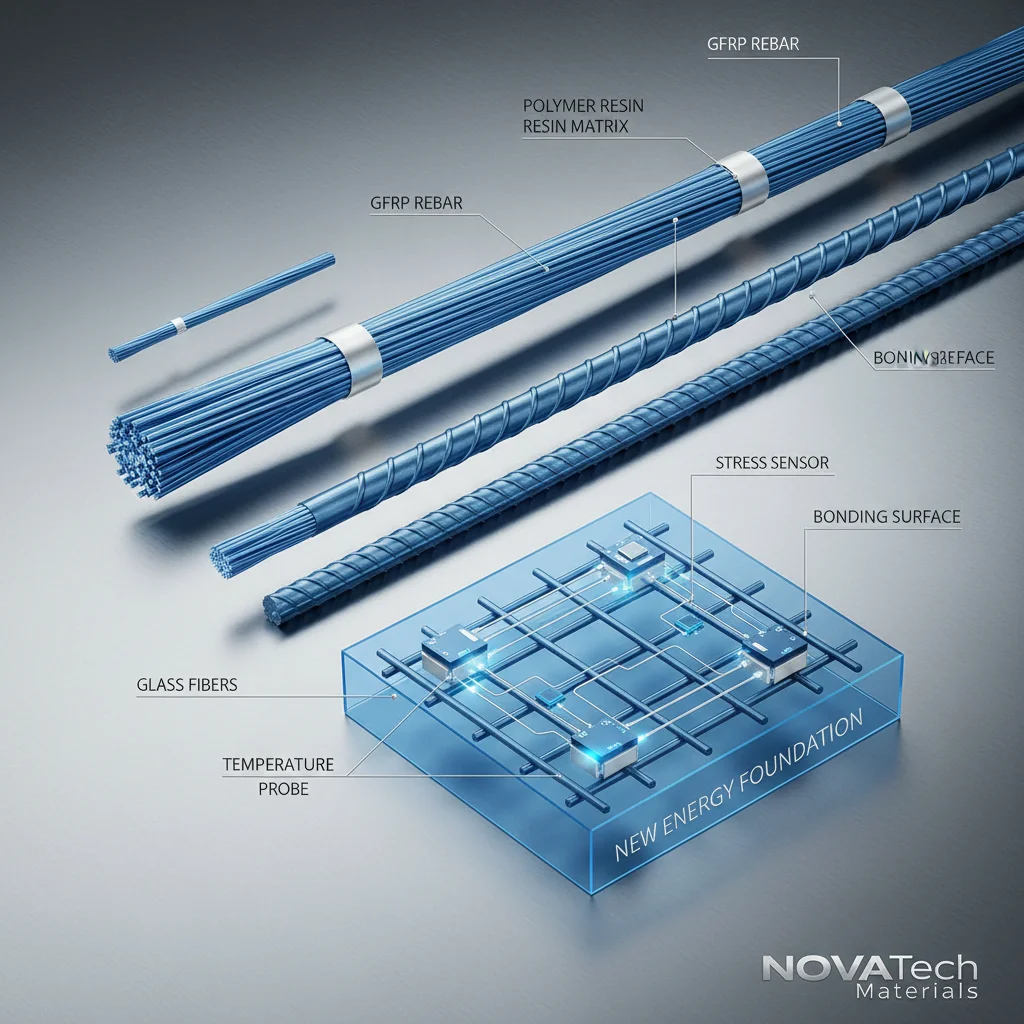
Apr. 16, 2026
The Ultimate Guide to GFRP Rebars for Modern Construction
Looking for Reliable Frp Solutions?