Dec. 02, 2025
The landscape of global infrastructure is undergoing a quiet but profound metamorphosis. For decades, the silhouettes of our highways, bridges, and industrial complexes have been defined by the heavy, silver-grey presence of galvanized steel. However, a new material is increasingly claiming these spaces. Fiberglass guardrail mesh, once a niche product reserved for specialized chemical plants, has migrated into the mainstream of civil engineering and safety protection. This shift represents a broader realization within the industry: that durability is not merely about the hardness of a material, but about its ability to endure the relentless chemistry of the natural world.
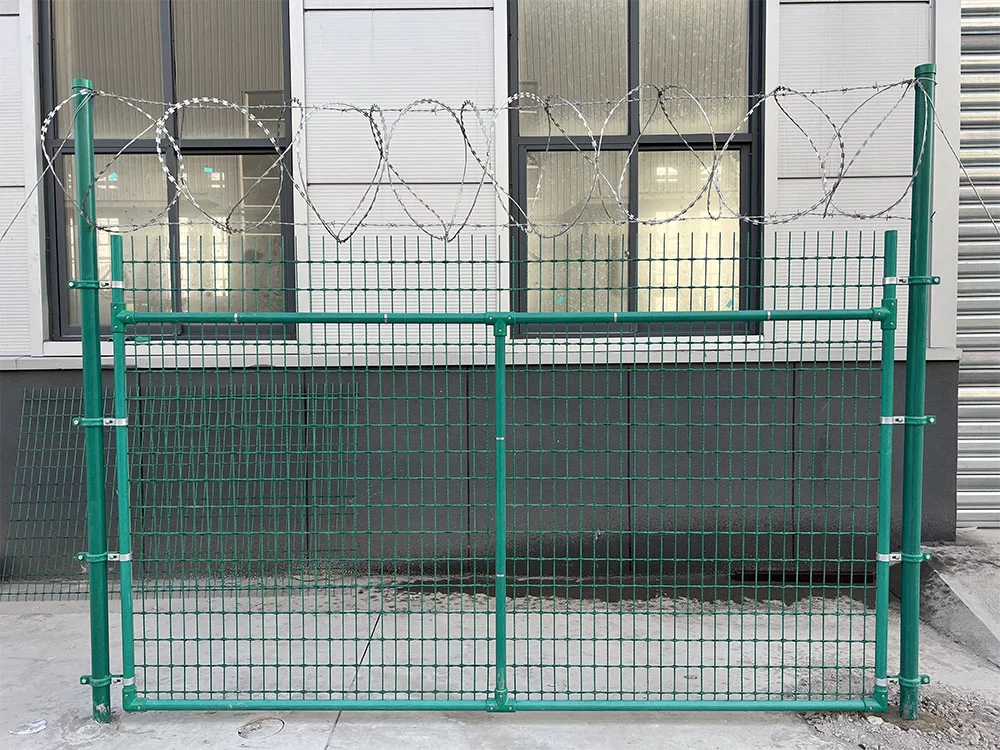
The Engineering of Invisible Resilience
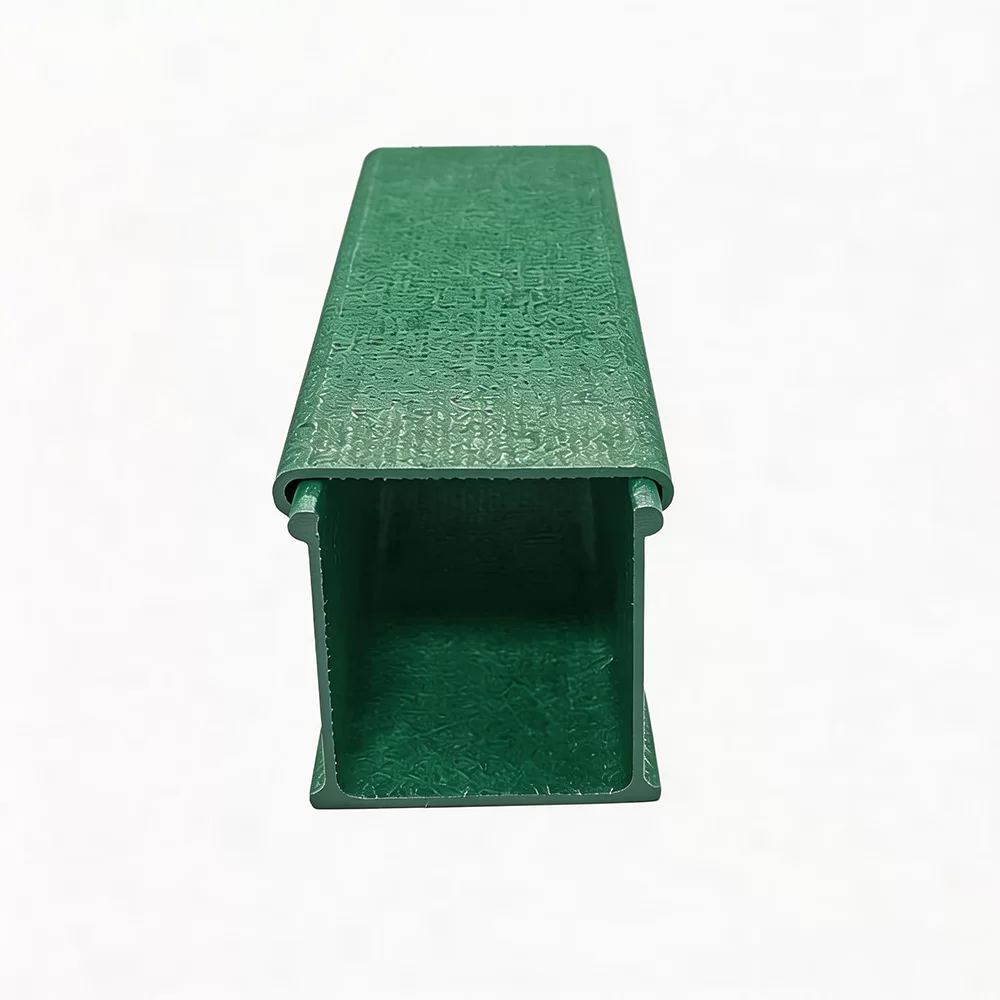
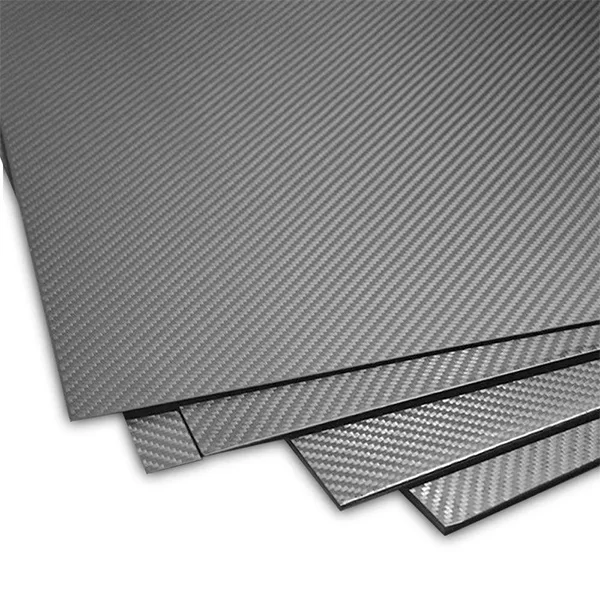
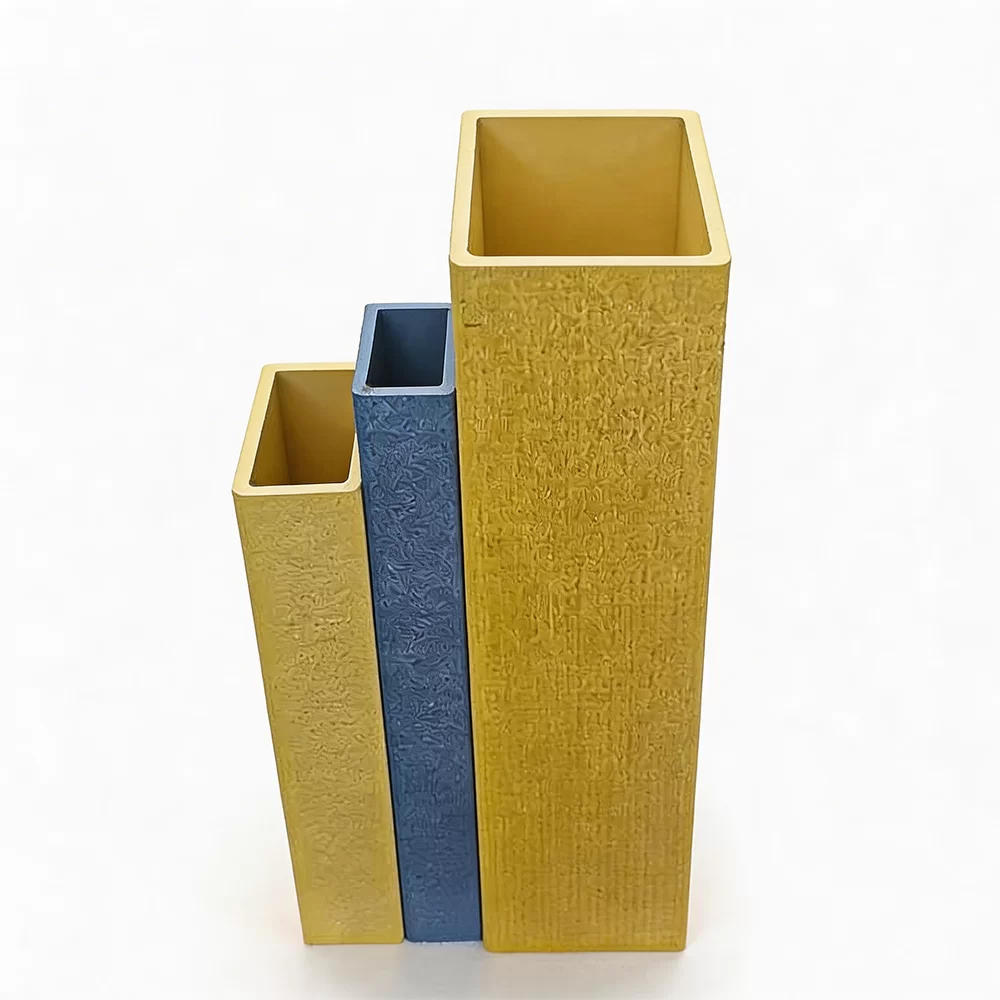
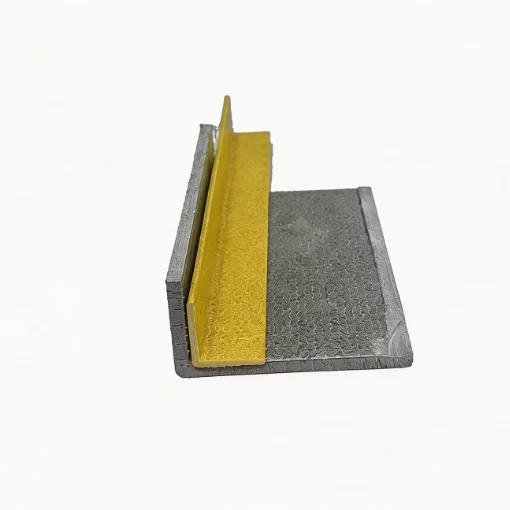
The fundamental appeal of fiberglass guardrail mesh lies in its sophisticated structural composition. Unlike traditional metal fencing, which is a monolithic material, fiberglass mesh is a composite. It is born from the fusion of high-strength glass filaments and advanced polymer resins. This combination creates a material that possesses a unique "memory." When a steel guardrail is struck or leaned upon excessively, it may deform permanently. Fiberglass, however, possesses an inherent elasticity; it can absorb significant energy and return to its original shape without the structural fatigue that plagues metallic alternatives.
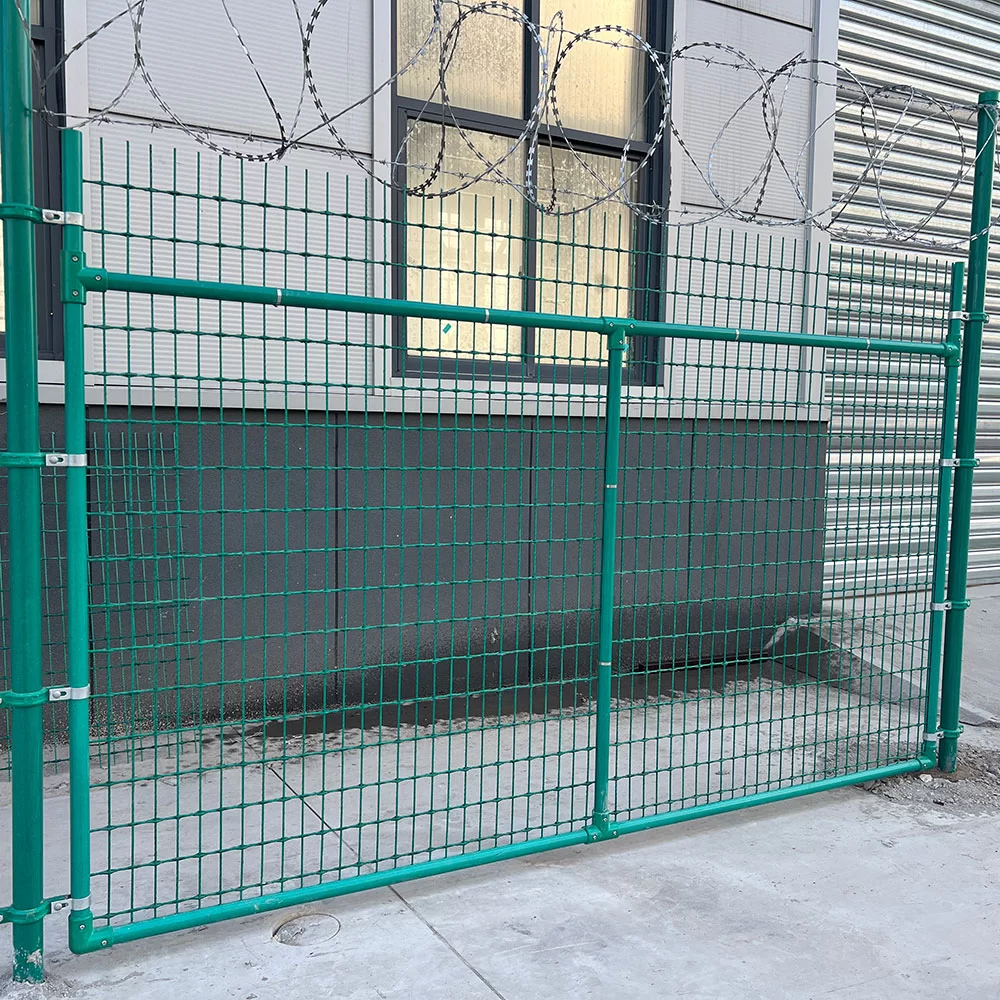
In the context of safety protection, this flexibility is a critical asset. Whether used as a fall-protection barrier on a high-rise construction site or a pedestrian guardrail on a coastal boardwalk, the mesh provides a "soft" security. It is rigid enough to prevent passage and support weight, yet it lacks the sharp edges and unforgiving rigidity of rusted chain-link or wrought iron.
Defeating the Chemistry of Decay
The primary driver behind the popularity of fiberglass in infrastructure is its absolute refusal to participate in the process of oxidation. In the world of civil engineering, salt is the enemy. Whether it is the salt spray of a maritime environment or the de-icing salts spread on winter highways, chloride ions act as a catalyst for the destruction of steel. Once the protective zinc coating of a metal rail is breached, the structural integrity begins a downward spiral.
Fiberglass guardrail mesh is chemically inert. It does not rust, it does not rot, and it is immune to the "creeping" corrosion that often hides beneath the surface of painted metal. This makes it the premier choice for wastewater treatment plants, offshore oil platforms, and coastal infrastructure. In these environments, the traditional maintenance cycle—scraping, priming, and repainting—is not just expensive; it is constant. By integrating fiberglass mesh, project managers are effectively "building for a century," removing the burden of maintenance from future generations.
The Architecture of Safety and Visibility
Safety protection is as much about psychology and visibility as it is about physical barriers. One of the subtle advantages of fiberglass mesh is the ability to incorporate color directly into the material during the manufacturing process. Safety yellow, international orange, or high-visibility green are not just painted on the surface; they are part of the molecular structure of the rail. This ensures that the safety warnings never fade, peel, or chip away, regardless of UV exposure or physical abrasion.
Beyond color, the geometric design of the mesh provides a superior balance between security and transparency. In public infrastructure, such as railway stations or overpasses, there is a need to prevent trespassing while maintaining clear sightlines for security personnel and cameras. The weave of fiberglass mesh can be engineered to be tight enough to prevent climbing, yet open enough to allow wind to pass through—reducing the "sail effect" that can destabilize structures during high-wind events—and ensuring that the landscape remains visible.
Ergonomics and the Human Element
Infrastructure is built for people, and the tactile experience of fiberglass mesh offers significant advantages over metal. In extreme climates, metal guardrails become problematic; they absorb heat in the summer sun, becoming too hot to touch, and turn dangerously cold in the winter. Fiberglass has low thermal conductivity. It remains "neutral" to the touch, ensuring that a person reaching for a handrail in an emergency is not deterred by extreme temperatures.
Furthermore, the lightweight nature of the material has revolutionized the safety of the installation process itself. Traditional steel railings require heavy machinery, cranes, and large crews to install, often necessitating the closure of traffic lanes or the suspension of work in adjacent areas. Fiberglass mesh panels can often be carried and positioned by two workers without the need for specialized lifting equipment. This reduces the "exposure time" of workers to dangerous roadside or high-altitude conditions, making the construction phase of a project significantly safer.
Electrical Neutrality in a Wired World
As our cities become "smarter" and our infrastructure more congested with electrical components, the non-conductive nature of fiberglass has become a decisive factor. Traditional metal guardrails can accidentally become energized due to faulty wiring, lightning strikes, or proximity to high-voltage power lines. This creates a lethal "touch potential" for pedestrians and workers alike.
Fiberglass guardrail mesh is an excellent insulator. It provides a permanent barrier that does not require grounding or bonding. In the vicinity of electrical substations, mass transit rail systems, and telecommunications hubs, fiberglass mesh provides a layer of passive safety that metal simply cannot match. It allows for the co-location of safety barriers and electrical infrastructure without the risk of electromagnetic interference or accidental electrocution.
The Sustainable Lifecycle
In the modern era, the popularity of a material is increasingly tied to its environmental footprint. While the production of glass fiber is energy-intensive, the total lifecycle of fiberglass mesh is remarkably green. Because it never requires painting or chemical treatments to prevent rust, there is no runoff of toxic lead or zinc into the surrounding soil and groundwater.
Its longevity also plays a role in carbon reduction. When a structure lasts three times longer than its metallic counterpart, the carbon cost associated with demolition, disposal, and the manufacturing of a replacement is eliminated. As the construction industry moves toward "circular economy" principles, the durability and low-maintenance profile of fiberglass make it a cornerstone of sustainable development.
Apr. 27, 2026
Benefits of Durable Concrete Fiberglass Rebar for Infrastructure
Apr. 24, 2026
High Strength and Corrosion Resistant glass fibre reinforcement bars
Apr. 23, 2026
Reliable frp walkway manufacturer for Industrial Flooring Solutions
Apr. 22, 2026
Sustainable Construction with High Strength gfrp rebars Guide
Apr. 17, 2026
Advantages and Applications of High Strength Glass Rebar
Apr. 16, 2026
The Ultimate Guide to GFRP Rebars for Modern Construction
Looking for Reliable Frp Solutions?