Mar. 28, 2026
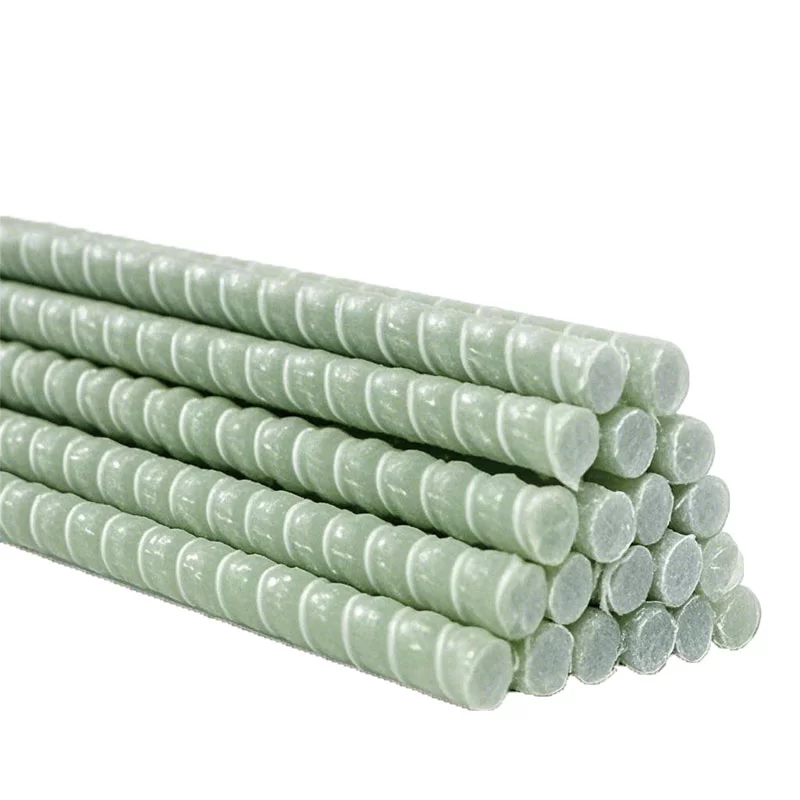
Fiber Reinforced Polymer (FRP) rebar is rapidly gaining prominence in the construction industry as a superior alternative to traditional steel rebar. Its unique properties – corrosion resistance, lightweight nature, and high tensile strength – make it ideal for a wide range of applications, particularly in environments prone to corrosion. This article explores the factors influencing frp rebar price, its cost-effectiveness compared to steel, and why it's becoming a preferred choice for modern construction projects. Understanding these aspects is crucial for making informed decisions about material selection and budgeting.
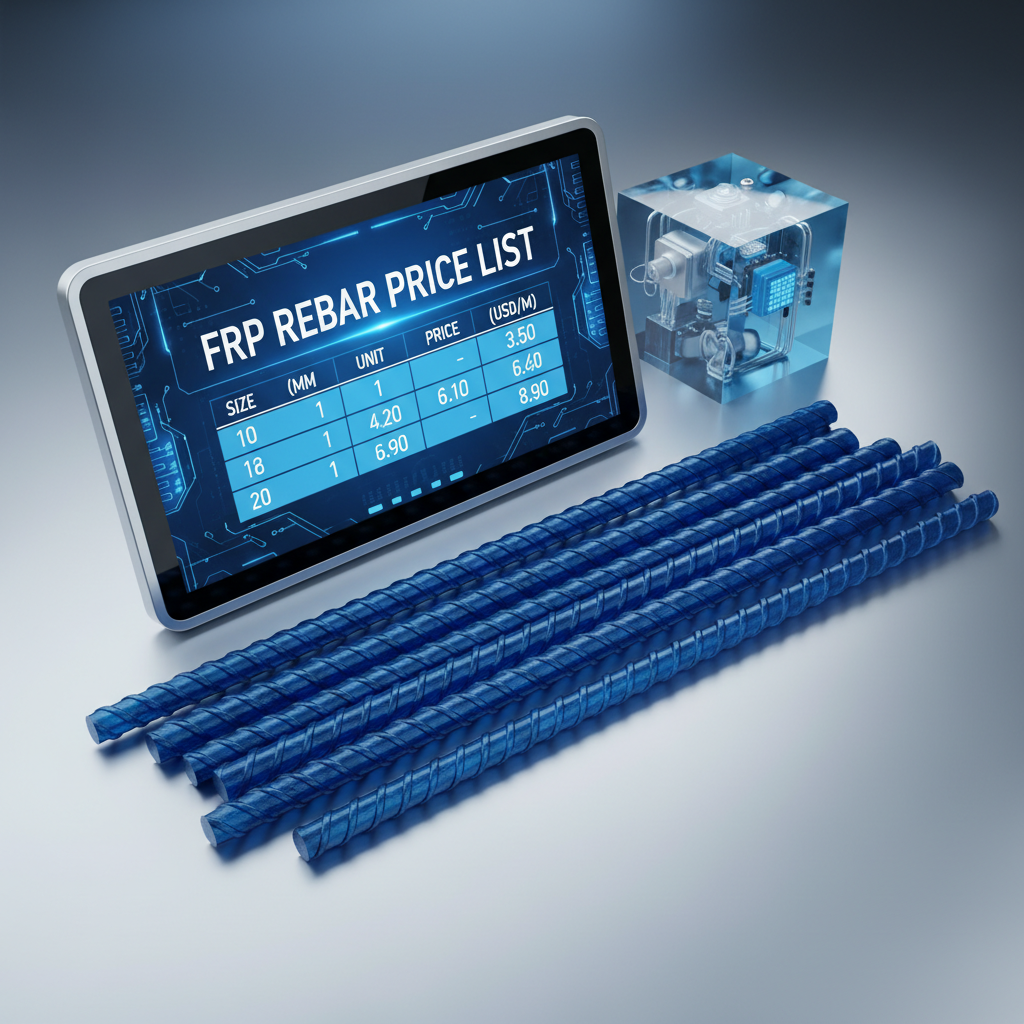
Several factors contribute to the overall price of FRP rebar. The type of fiber used – glass fiber (GFRP), carbon fiber (CFRP), or basalt fiber – is a primary determinant, with CFRP generally being the most expensive due to its superior strength and lightweight properties. The diameter and length of the rebar also directly impact the cost. Manufacturing processes, resin types, and the quantity ordered play significant roles. Transportation costs and regional demand further influence pricing. Finally, the specific certifications and quality control measures employed by the manufacturer contribute to the final FRP rebar price.
Key Takeaway: The cost of FRP rebar is not a single figure but a variable dependent on several key components, including material type, dimensions, and quantity.
Understanding the price differences between GFRP and CFRP is critical for project planning. GFRP, utilizing glass fibers, offers a more economical solution, while CFRP, incorporating carbon fibers, provides unmatched strength and performance. The price gap reflects these differences. CFRP is typically several times more expensive than GFRP. However, the higher upfront cost of CFRP can be offset by its longer lifespan, reduced maintenance requirements, and potential for lighter structural designs. Selecting the appropriate material depends on the specific project requirements and budget constraints.
While the initial frp rebar price may be higher than steel rebar, a lifecycle cost analysis often reveals significant savings. Steel is susceptible to corrosion, leading to costly repairs, replacements, and structural weakening. FRP rebar, being non-corrosive, eliminates these expenses. The lighter weight of FRP rebar also reduces transportation and installation costs. Furthermore, the extended lifespan of FRP rebar minimizes the need for premature replacements, contributing to long-term cost-effectiveness.
Cost Saving Advantages:
• Elimination of corrosion-related maintenance and repairs
• Reduced transportation and installation costs (due to lighter weight)
• Extended lifespan and reduced replacement frequency
The demand for FRP rebar is soaring in specific applications where its benefits are particularly pronounced. These include marine structures (piers, seawalls), bridges, tunnels, concrete pavements, and precast concrete products. The corrosive nature of saltwater and de-icing salts makes FRP rebar an essential material in these environments. Increasing infrastructure projects and a growing awareness of the long-term benefits of FRP are driving up demand, which, in turn, influences frp rebar price.
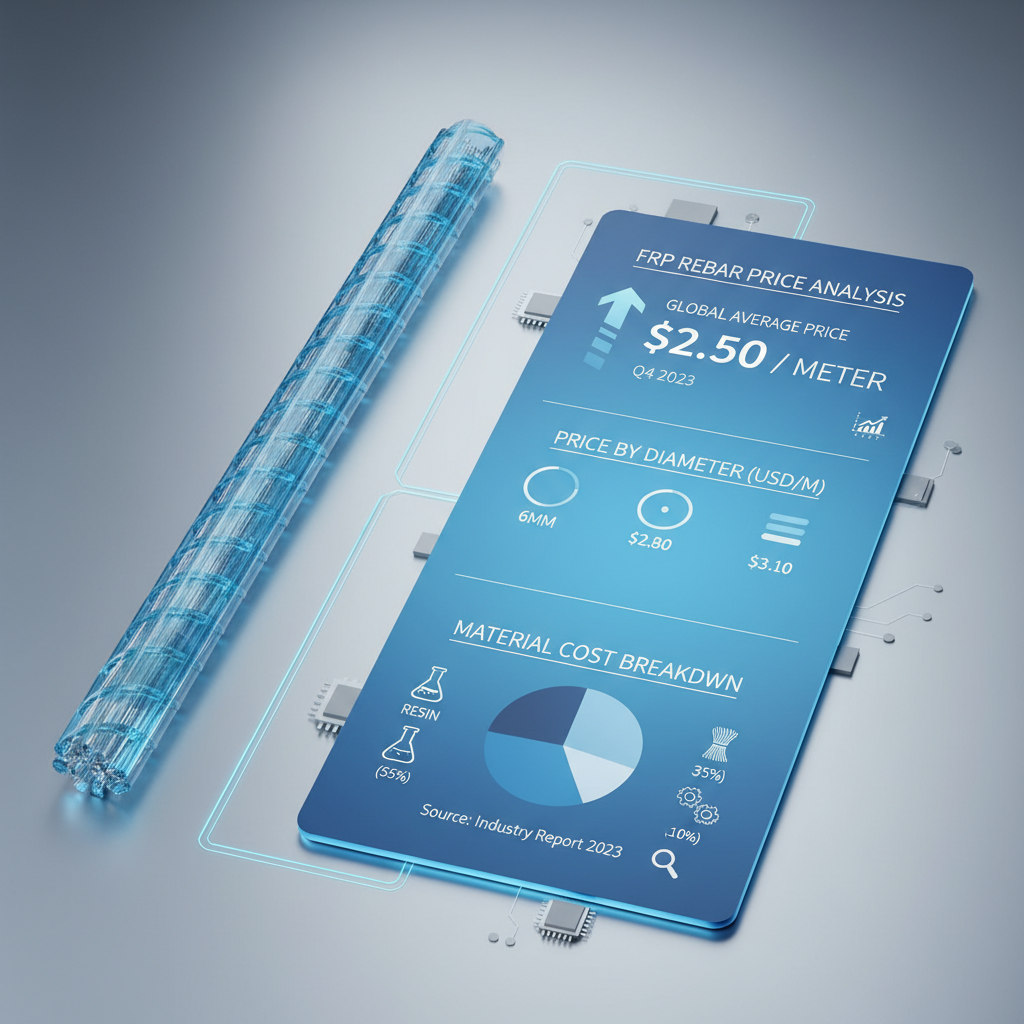
For accurate and competitive frp rebar price quotes, contact HBZT Composite. We offer a comprehensive range of FRP rebar products, tailored to meet your specific project requirements. Our experienced team can provide expert advice on material selection, quantity estimation, and delivery options. We are committed to delivering high-quality products at competitive prices, backed by exceptional customer service.
Investing in FRP rebar is a forward-thinking decision that yields long-term benefits. While the initial cost may be higher than traditional steel, the elimination of corrosion, reduced maintenance, and extended lifespan result in significant cost savings over the structure’s lifecycle. HBZT Composite provides high-quality FRP rebar solutions, ensuring the durability and longevity of your construction projects.
FRP rebar boasts a significantly longer lifespan than steel, especially in corrosive environments. Steel typically lasts 20-30 years in such conditions, requiring frequent maintenance and eventual replacement. FRP rebar, however, can last 75-100 years or more, virtually eliminating corrosion-related issues. This extended lifespan reduces lifecycle costs and minimizes disruptions caused by repairs or replacements. The inherent resistance to corrosion makes it a superior choice for long-term infrastructure projects.
FRP rebar generally performs well across a wide range of temperatures. However, extreme temperatures can have some impact. High temperatures can slightly reduce the strength and stiffness of the resin matrix, while very low temperatures can make the material more brittle. However, modern FRP rebar formulations are designed to withstand typical construction and operating temperatures. It's important to consult the manufacturer's specifications for the specific rebar type to understand its temperature limitations.
Installation of FRP rebar is similar to steel rebar, but some precautions are necessary. FRP rebar requires specialized cutting tools, as traditional steel cutters can delaminate the fibers. Avoid sharp bending radii, as this can weaken the material. Proper spacing and anchoring are crucial. It's recommended to follow the manufacturer's guidelines and consult with experienced professionals to ensure correct installation and optimal performance.
Yes, FRP rebar is an excellent choice for seismic applications. Its high tensile strength, lightweight nature, and ability to absorb energy make it highly effective in resisting earthquake forces. The ductility of FRP rebar allows it to deform without fracturing, providing greater resilience during seismic events. Many FRP rebar products are specifically designed and tested to meet stringent seismic performance requirements, making them a preferred material in earthquake-prone regions.
Apr. 27, 2026
Benefits of Durable Concrete Fiberglass Rebar for Infrastructure

Apr. 24, 2026
High Strength and Corrosion Resistant glass fibre reinforcement bars
Apr. 23, 2026
Reliable frp walkway manufacturer for Industrial Flooring Solutions
Apr. 22, 2026
Sustainable Construction with High Strength gfrp rebars Guide

Apr. 17, 2026
Advantages and Applications of High Strength Glass Rebar
Apr. 16, 2026
The Ultimate Guide to GFRP Rebars for Modern Construction
Looking for Reliable Frp Solutions?