Fiberglass Septic Tank Solutions for the Indian Market

Fiberglass Septic Tank Solutions for the Indian Market

Delivering durable and cost-effective fiberglass solutions for infrastructure and environmental applications in India.

Fiberglass Septic Tank Solutions for the Indian Market

Providing innovative fiberglass products to meet the growing demands of the Indian infrastructure and sanitation sectors.

Current State of Fiberglass Products in India

Understanding the market dynamics and challenges for fiberglass manufacturing in the Indian context.

India's infrastructure development is rapidly expanding, creating significant demand for durable and cost-effective materials. Fiberglass products are gaining traction as a viable alternative to traditional materials like concrete and steel, particularly in regions prone to corrosion and seismic activity. However, the industry faces challenges related to raw material sourcing, manufacturing costs, and competition from cheaper, albeit less durable, alternatives.

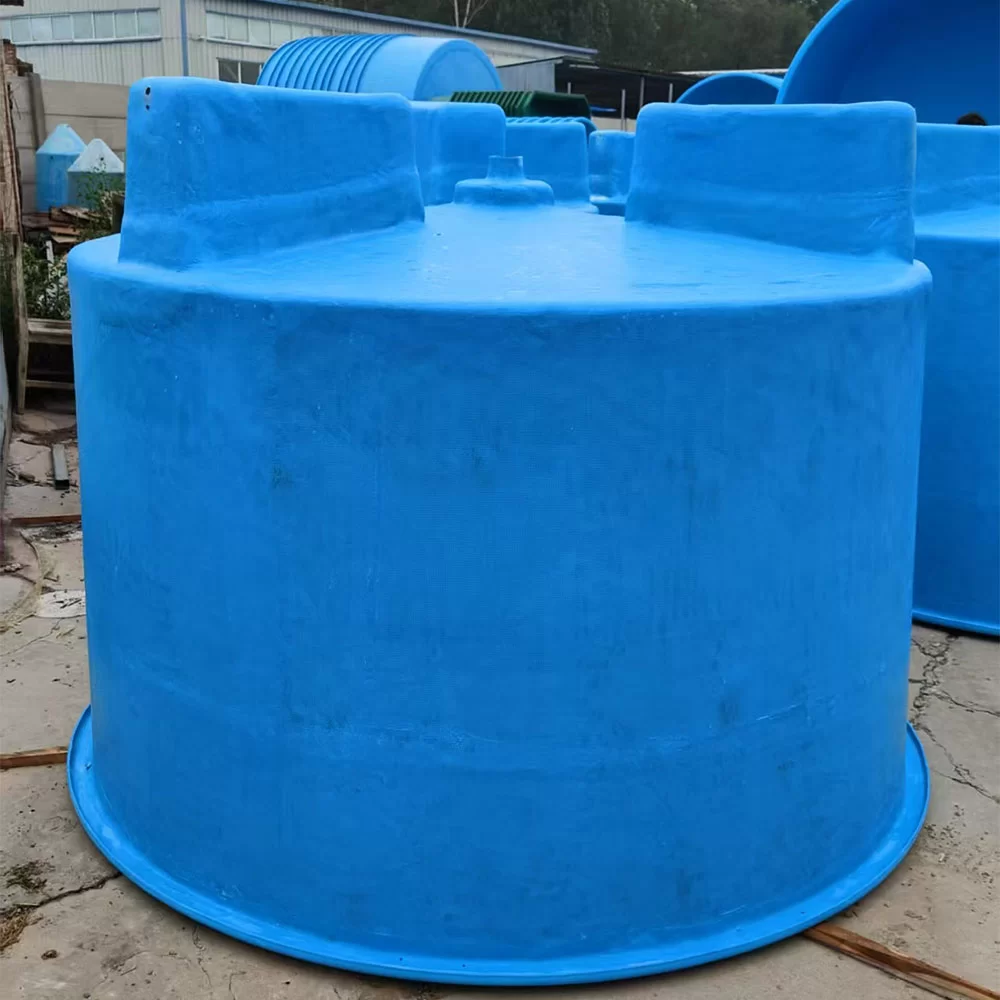
The Indian climate, characterized by high humidity and extreme temperatures, presents unique challenges for material performance. Fiberglass septic tank systems, for example, must be resistant to degradation from constant exposure to moisture and varying temperatures. This necessitates the use of high-quality resins and manufacturing processes.

Government initiatives focused on sanitation and rural development are driving demand for fiberglass septic tank and other sanitation solutions. Increasing awareness of sustainable construction practices and the environmental benefits of fiberglass is also contributing to market growth.
Evolution of Fiberglass Products in India

Tracing the technological advancements and market trends in the Indian fiberglass industry.

Market Development History

The introduction of fiberglass products in India began in the 1970s, primarily for specialized applications like boat building and automotive components. Early manufacturing processes were largely import-dependent and limited in scale.

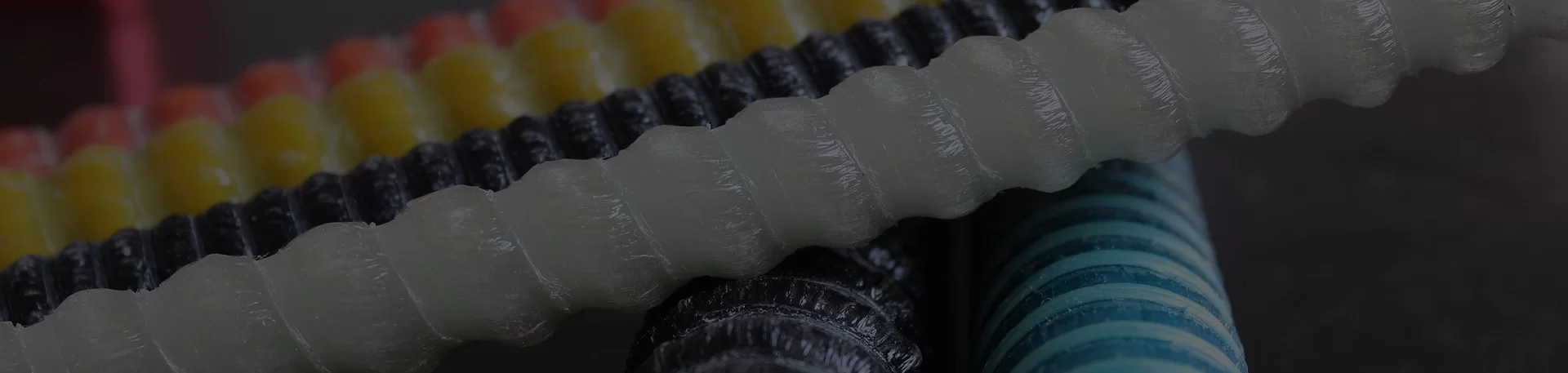
The 1990s witnessed a gradual increase in domestic manufacturing capabilities, driven by economic liberalization and growing demand from various sectors. The introduction of improved resin technologies and automated production processes led to enhanced product quality and reduced costs. Fiber glass rebar started to gain attention as a corrosion-resistant alternative to steel.

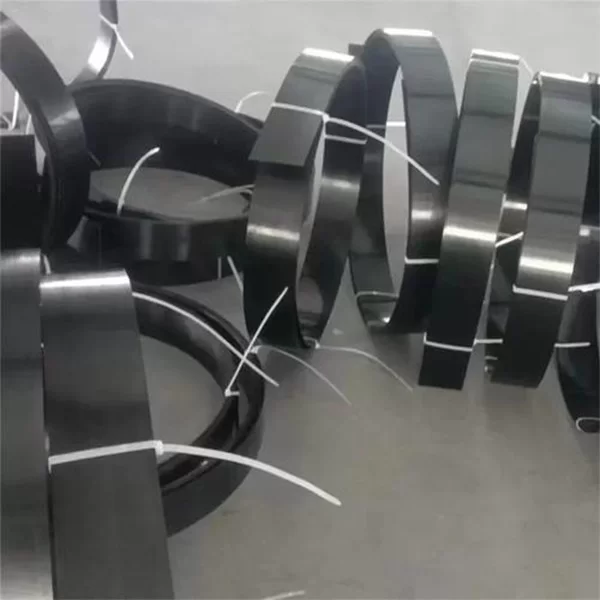
The 21st century has seen a surge in the adoption of carbon fiber reinforcement and advanced composite materials for infrastructure projects, automotive manufacturing, and renewable energy applications. Focus shifted towards sustainable and eco-friendly materials.

Future Development Trends

Enhanced Resin Systems

The development of bio-based and high-performance resins will be a key trend, offering improved durability, reduced environmental impact, and enhanced mechanical properties.

Automation and Digitalization

Increased automation in manufacturing processes, coupled with the integration of digital technologies like IoT and AI, will optimize production efficiency and quality control.

Sustainable Composites

The focus on circular economy principles will drive the development of recyclable and biodegradable fiberglass composites, minimizing waste and promoting sustainability.

Industry Trends and Future Outlook

Analyzing the emerging trends and growth opportunities in the Indian fiberglass market.

Growing Infrastructure Demand
Increased investment in infrastructure projects, including roads, bridges, and water management systems, will drive demand for durable fiberglass materials.
Rising Sanitation Needs
The growing population and increasing awareness of sanitation issues are driving demand for fiberglass septic tank and other wastewater treatment solutions.
Demand for Lightweight Materials
The automotive and transportation sectors are increasingly adopting lightweight materials like carbon fiber reinforcement to improve fuel efficiency and reduce emissions.
Growing Renewable Energy Sector
Fiberglass composites are crucial components in wind turbine blades and solar panel structures, supporting the growth of the renewable energy sector in India.

Industry Outlook

The Indian fiberglass market is projected to experience significant growth in the coming years, driven by increasing infrastructure investments, rising sanitation needs, and the demand for lightweight and sustainable materials. The adoption of advanced manufacturing technologies and the development of innovative composite materials will further fuel market expansion.

Government policies promoting local manufacturing and sustainable development are expected to create favorable conditions for the fiberglass industry. Collaboration between industry players and research institutions will be crucial for developing customized solutions to meet the specific needs of the Indian market.

Local Application Scenarios

Exploring the diverse applications of fiberglass products in the Indian context.

1. Rural Sanitation Programs

Fiberglass septic tanks are ideal for providing safe and hygienic sanitation solutions in rural areas, where traditional concrete tanks are often impractical or costly. Their lightweight nature facilitates easy transportation and installation.

2. Coastal Infrastructure Protection

Fiberglass guardrail mesh and other composite materials are used to protect coastal infrastructure from corrosion caused by saltwater exposure, ensuring long-term durability and reducing maintenance costs.

3. Irrigation System Components

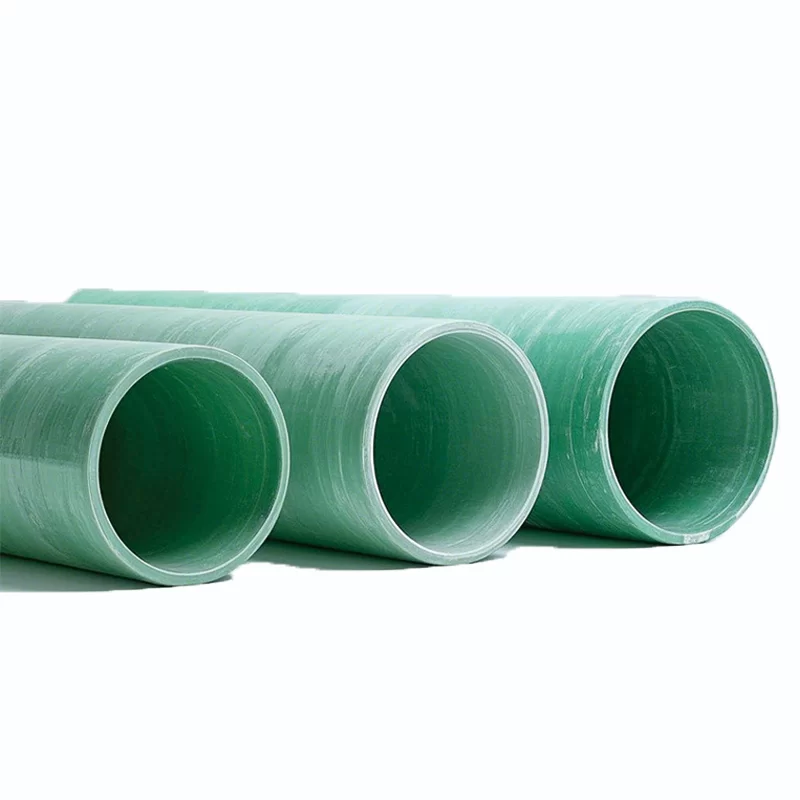
Fiberglass pipes and tanks are increasingly used in irrigation systems due to their corrosion resistance, lightweight nature, and ability to withstand high pressures. This enhances water efficiency and reduces water loss.

4. Affordable Housing Construction

Fiberglass-reinforced polymers are utilized in the construction of affordable housing units, offering a cost-effective and durable alternative to traditional building materials. They are suitable for roofing, wall panels, and other structural components.

Brand Story

The global journey of Hebei Zhongtian Composite Material Group Co., Ltd.

Foundation and Commitment

Established in 2003, Hebei Zhongtian Composite Material Group is dedicated to delivering high-quality fiberglass products engineered to withstand the demanding conditions of the Indian infrastructure landscape.

Technological Innovation

Continuous investment in research and development allows us to pioneer cutting-edge fiberglass technologies, meeting evolving industry standards and client expectations.

Expansion into India

Recognizing the potential of the Indian market, we established a dedicated team to provide localized support, technical expertise, and customized solutions.

Sustainable Practices

We are committed to environmentally responsible manufacturing processes, minimizing waste and utilizing sustainable materials whenever possible.

Long-Term Partnerships

We build enduring relationships with our clients, offering comprehensive support, reliable products, and a shared vision for a more sustainable future.

Complete Product Portfolio for the Local Market

A comprehensive range of fiberglass products tailored to meet the diverse needs of Indian customers.

Local Frequently Asked Questions

Addressing common inquiries about fiberglass products in the Indian market.

What are the specific benefits of using fiberglass septic tanks compared to concrete tanks in the Indian climate?

Fiberglass septic tanks are lightweight, corrosion-resistant, and less prone to cracking in extreme temperatures compared to concrete tanks. This makes them ideal for the diverse climate conditions across India.

How does the cost of fiberglass rebar compare to traditional steel rebar in long-term construction projects?

While the initial cost of fiber glass rebar may be higher, its corrosion resistance significantly reduces maintenance and replacement costs over the lifespan of a project, resulting in long-term savings.

What are the environmental advantages of using fiberglass products over traditional materials like steel and concrete?

Fiberglass products have a lower carbon footprint than steel and concrete. They require less energy to produce and are recyclable, contributing to a more sustainable construction process.

Can fiberglass products be used in seismic zones, and what certifications are available to demonstrate their structural integrity?

Yes, fiberglass composites exhibit excellent flexibility and impact resistance, making them suitable for seismic zones. We provide products with relevant certifications, ensuring compliance with Indian building codes.

What is the typical lifespan of a fiberglass septic tank installed in a high-water table environment in India?

A properly installed fiberglass septic tank in a high-water table environment can have a lifespan of 50 years or more, thanks to its waterproof and corrosion-resistant properties.

What maintenance is required for fiberglass guardrail mesh installed along Indian highways?

Fiberglass guardrail mesh requires minimal maintenance compared to traditional steel guardrails. Periodic inspections for damage are recommended, but painting or corrosion treatment is generally unnecessary.

Get in Touch with Us

Contact us today to discuss your fiberglass product requirements in India.

Contact Us Now

If you are interested in our products, you can choose to leave your information here, and we will be in touch with you shortly.