Argentina Fiberglass Products Solutions

Argentina Fiberglass Products Solutions

Delivering High-Performance Fiberglass Solutions to the Argentinian Market

Argentina Fiberglass Products Solutions

Providing innovative and durable fiberglass products for diverse applications throughout Argentina.

Current State of Fiberglass Manufacturing in Argentina

Analyzing the Landscape of Fiberglass Products in the Argentinian Market

Argentina's manufacturing sector, including non-metallic mineral products like fiberglass, is influenced by the country’s economic stability and infrastructure development. Demand for fiberglass products is closely tied to construction, agriculture, and the automotive industry. The Pampas region, with its extensive agricultural land, presents a significant market for fiberglass septic tanks and agricultural applications.

The Argentine climate, ranging from subtropical in the north to subpolar in the south, demands durable materials that can withstand diverse weather conditions. Fiberglass septic tank solutions are particularly valuable in areas with limited access to centralized sewage systems, providing reliable and eco-friendly waste management. Import regulations and economic fluctuations present challenges for manufacturers.

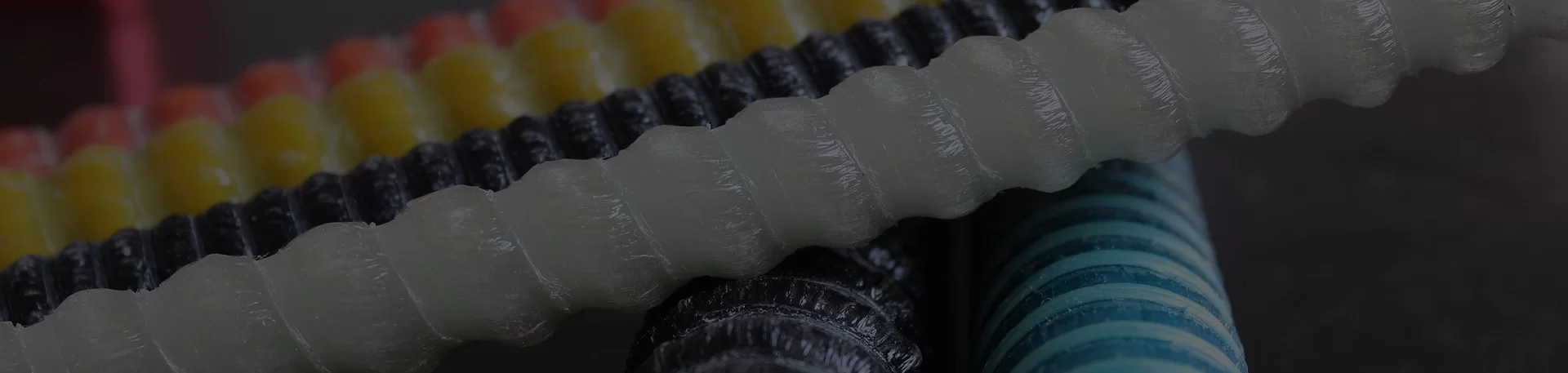
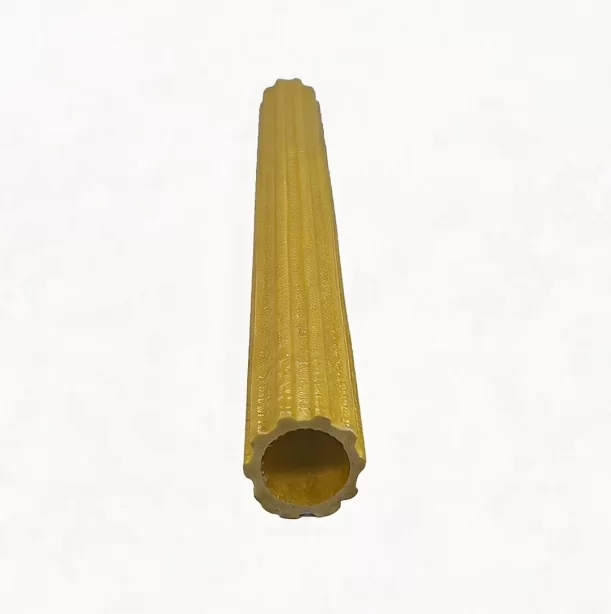
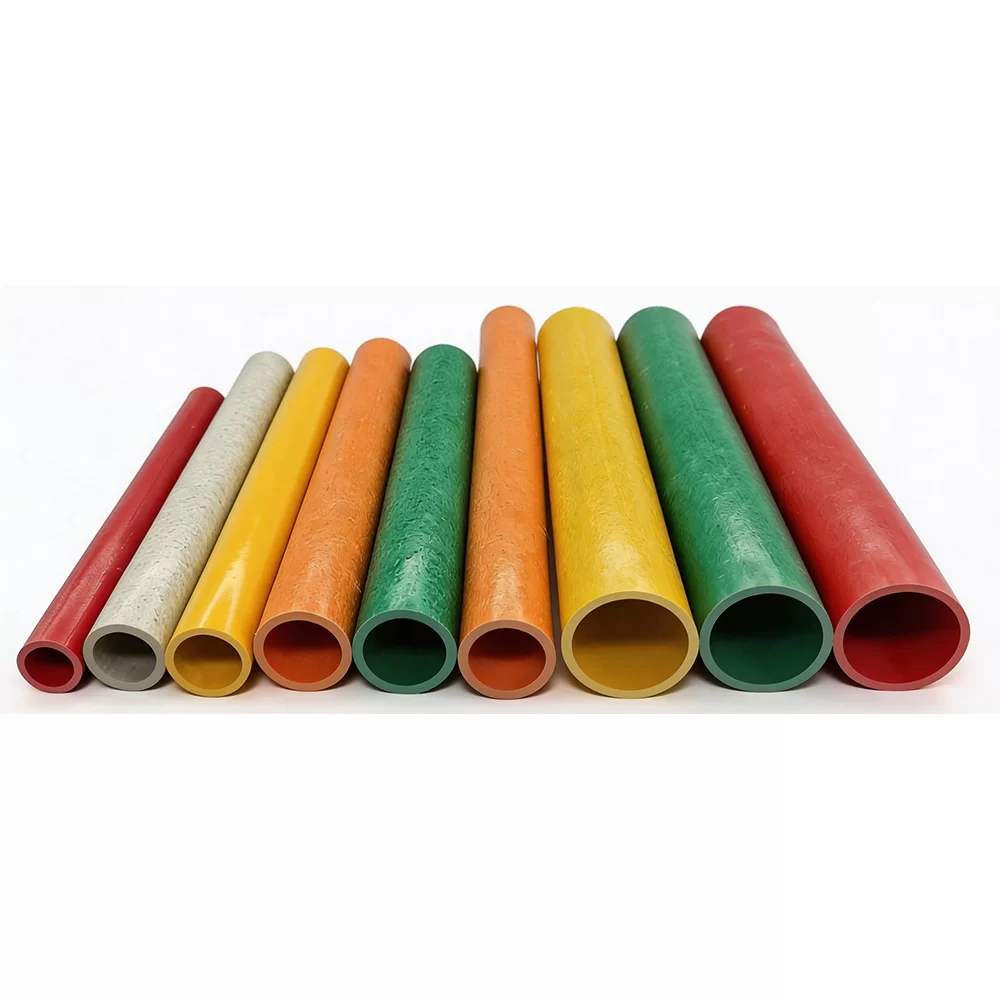
Growth is fueled by the need for corrosion-resistant and lightweight materials. Fiber glass rebar is gaining traction as a sustainable alternative to traditional steel reinforcement in construction projects, reducing weight and improving durability. Local production capacity is expanding to meet this growing demand.
Evolution of Fiberglass Technology in Argentina

Tracing the Development of Fiberglass Composite Materials in the Argentine Market

Market Development History

The introduction of fiberglass technology to Argentina began in the 1960s, initially focusing on basic applications like boat building and automotive parts. Early materials were primarily imported, and production processes were relatively rudimentary. The 1980s saw limited growth due to economic instability.

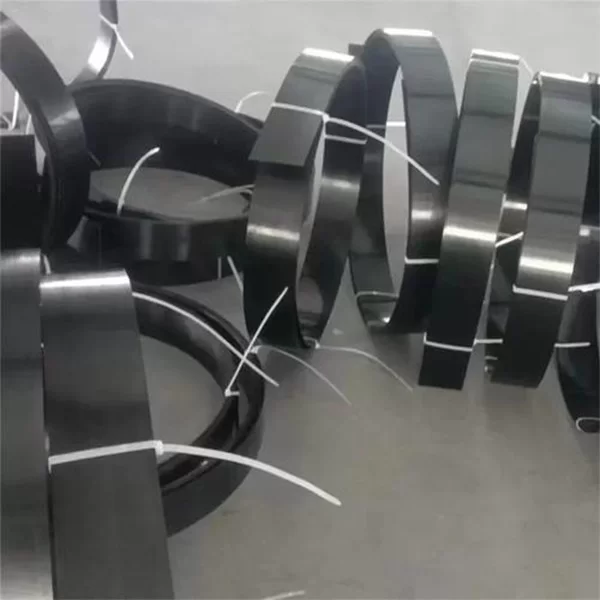
The 1990s and early 2000s brought renewed investment and the emergence of local fiberglass manufacturers. Focus shifted towards producing carbon fiber reinforcement for niche applications. Advancements in resin technology and manufacturing techniques led to improved product quality.

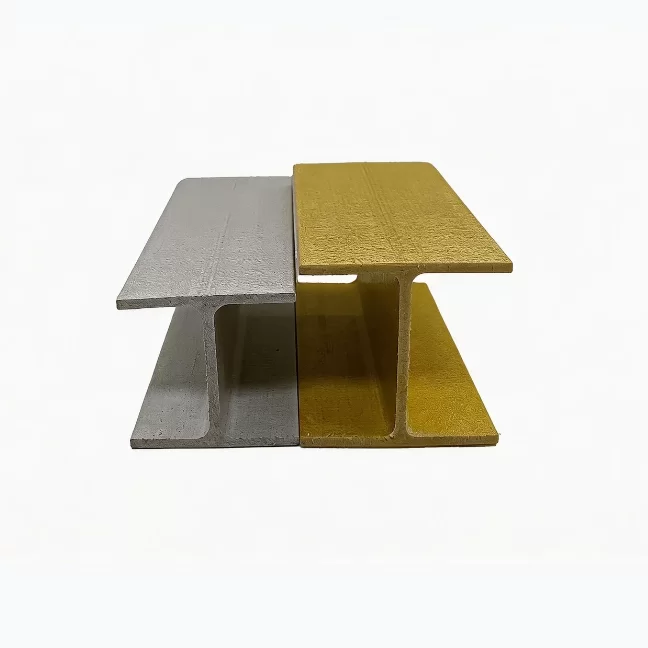
Since 2010, the Argentine fiberglass industry has experienced steady growth, driven by increasing demand from various sectors. The adoption of advanced composite materials, such as epoxy and vinyl ester resins, has allowed for the development of high-performance products tailored to specific applications.

Future Development Trends

Increased Use of Bio-Based Resins

There's a growing trend towards using bio-based resins in fiberglass manufacturing, aligning with global sustainability goals. This offers a more environmentally friendly alternative to traditional petroleum-based resins.

Automation and Advanced Manufacturing Techniques

Automation in production processes, including robotic fiber placement and automated pultrusion, is expected to increase efficiency and reduce production costs. Adoption of these technologies is critical for competing in the global market.

Demand for High-Performance Composites

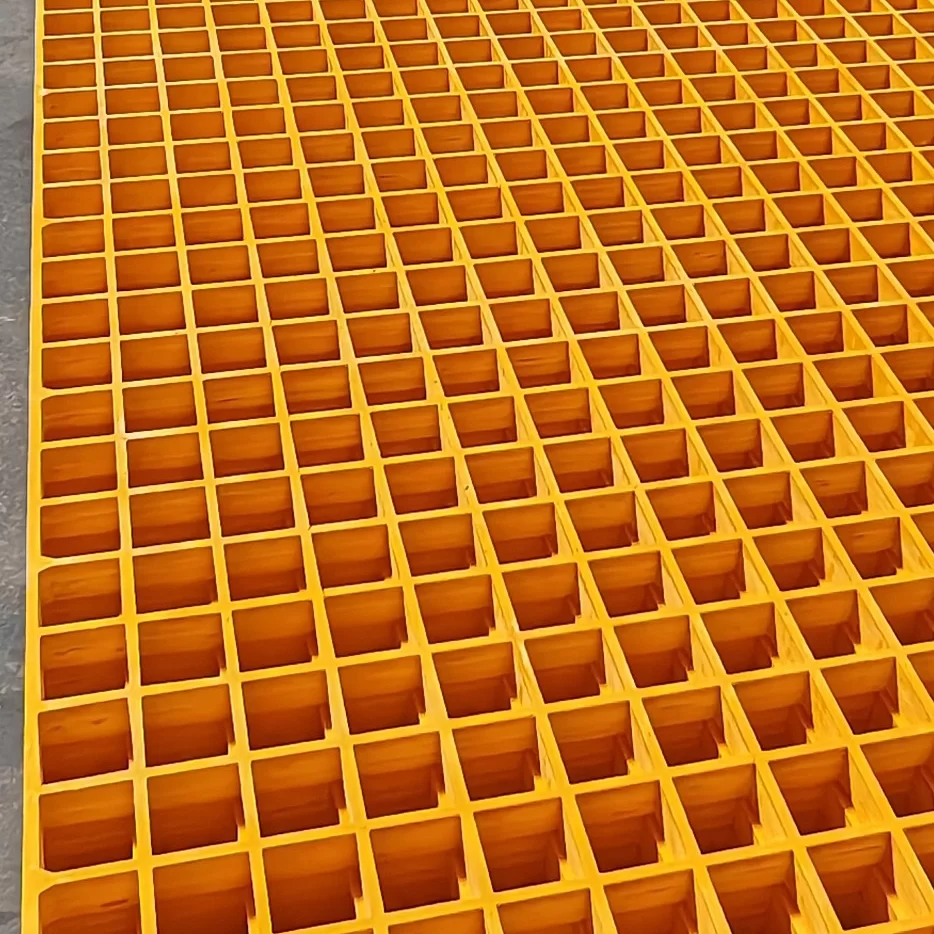
The demand for high-performance composites, particularly those offering superior strength-to-weight ratios and corrosion resistance, is projected to increase. This includes specialized applications in infrastructure, renewable energy, and transportation. fiberglass guardrail mesh is a great example of this trend.

Industry Trends and Future Outlook for Fiberglass in Argentina

Predicting the Growth Trajectory of Fiberglass Composite Materials in the Argentine Market

Growing Infrastructure Investment
Argentina’s commitment to infrastructure development, including roads, bridges, and water management systems, will drive demand for durable and corrosion-resistant fiberglass materials.
Agricultural Sector Expansion
Argentina’s robust agricultural sector will continue to drive demand for fiberglass products used in irrigation systems, storage tanks, and protective structures.
Demand for Sustainable Materials
Growing environmental awareness is driving demand for sustainable materials like fiberglass, which offers long-term durability and reduces life-cycle costs.
Renewable Energy Applications
The growth of the renewable energy sector in Argentina, particularly wind energy, will drive demand for fiberglass components used in wind turbine blades and other infrastructure.

Industry Outlook

The Argentine fiberglass industry is poised for continued growth over the next 3-5 years. Increased investment in infrastructure, coupled with the rising demand for sustainable materials, will create significant opportunities for manufacturers. The key to success will be adopting innovative technologies and focusing on providing customized solutions to meet the specific needs of the Argentine market.

Google Trends data indicates a rising search volume for keywords related to fiberglass products in Argentina, particularly for applications in construction and agriculture, suggesting growing consumer awareness and demand.

Localized Application Scenarios in Argentina

Exploring Practical Applications of Fiberglass Products in the Argentinian Context

1. Rural Water Management Systems

Fiberglass septic tanks are essential in rural areas of Argentina where access to centralized sewage systems is limited. Their lightweight nature simplifies transportation and installation, while their corrosion resistance ensures long-term reliability in harsh environmental conditions.

2. Agricultural Irrigation Infrastructure

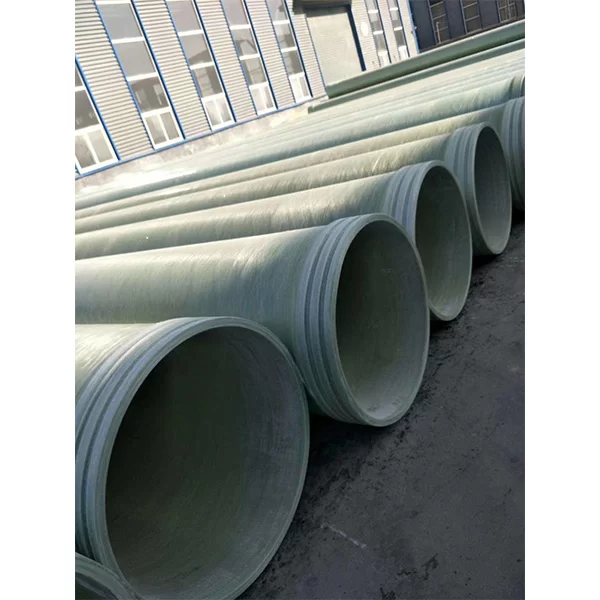
Fiberglass pipes and storage tanks are widely used in agricultural irrigation systems across the Pampas region. Their durability and resistance to chemicals make them ideal for transporting water and fertilizers, optimizing crop yields.

3. Wind Turbine Blade Manufacturing

As Argentina invests in renewable energy, particularly wind power, the demand for fiberglass-reinforced polymers (FRP) for wind turbine blades is increasing. FRP provides the necessary strength and lightweight properties for efficient energy generation.

4. Corrosion-Resistant Infrastructure in Coastal Regions

Argentina's extensive coastline is susceptible to corrosion. Fiberglass guardrail mesh and other composite structures are used in marine infrastructure, protecting against saltwater damage and ensuring long-term structural integrity.

5. Lightweight Reinforcement for Concrete Structures

Fiber glass rebar is increasingly used in construction projects in Argentina to reduce weight, improve durability, and enhance resistance to corrosion, especially in bridge construction and coastal structures.

Brand Story

Hebei Zhongtian Composite Material Group Co., Ltd.'s Global Development Journey

Commitment to Innovation

Founded on a commitment to technological advancement, Hebei Zhongtian has consistently invested in research and development to deliver cutting-edge fiberglass solutions.

Quality and Reliability

We adhere to the highest quality standards, ensuring that our fiberglass products are durable, reliable, and meet the diverse needs of our clients.

Global Reach, Local Expertise

With a global network, we provide localized support and tailored solutions to clients in Argentina and beyond.

Sustainable Solutions

We are committed to sustainable manufacturing practices and developing eco-friendly fiberglass products for a greener future.

Customer-Centric Approach

Our dedication to customer satisfaction drives us to provide exceptional service and build long-lasting partnerships.

Complete Product Portfolio for the Region

A comprehensive range of fiberglass products tailored for the Argentine market.

Frequently Asked Questions - Argentina

Addressing Common Inquiries about Fiberglass Products in Argentina

What are the benefits of using fiberglass rebar compared to traditional steel rebar in Argentine construction projects?

Fiberglass rebar offers significant advantages, including corrosion resistance, lighter weight for easier handling, and non-conductivity, making it ideal for projects in corrosive environments like coastal regions or those requiring electromagnetic transparency.

How does the climate in Argentina affect the performance of fiberglass septic tanks?

Fiberglass septic tanks are designed to withstand a wide range of temperatures and environmental conditions. The material's resistance to corrosion and UV degradation ensures long-term performance, even in extreme climates found throughout Argentina.

What are the typical applications of carbon fiber reinforcement in the Argentine automotive industry?

Carbon fiber reinforcement is used to reduce weight and improve the performance of automotive components such as body panels, chassis parts, and interior elements, enhancing fuel efficiency and handling.

What is the lifespan of fiberglass guardrail mesh compared to traditional metal guardrails in Argentina’s roadways?

Fiberglass guardrail mesh offers a significantly longer lifespan than metal guardrails due to its superior corrosion resistance. It requires minimal maintenance and can withstand harsh weather conditions, reducing lifecycle costs.

Are fiberglass products considered environmentally friendly in Argentina, and are there any relevant regulations?

Fiberglass products are considered relatively environmentally friendly due to their durability and long lifespan, reducing the need for frequent replacements. Argentina is increasingly adopting regulations promoting sustainable materials and waste reduction.

What maintenance is required for fiberglass components used in agricultural irrigation systems in Argentina?

Fiberglass components used in irrigation systems require minimal maintenance. Regular inspections for physical damage are recommended, but the material's corrosion resistance eliminates the need for painting or other protective treatments.

Get in Touch with Us

We are committed to providing high-quality fiberglass solutions to clients throughout South America, especially in Argentina.

Contact Us Now

If you are interested in our products, you can choose to leave your information here, and we will be in touch with you shortly.