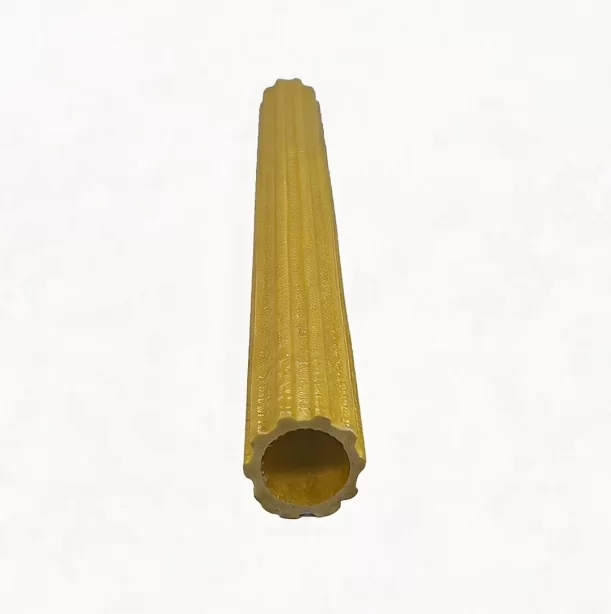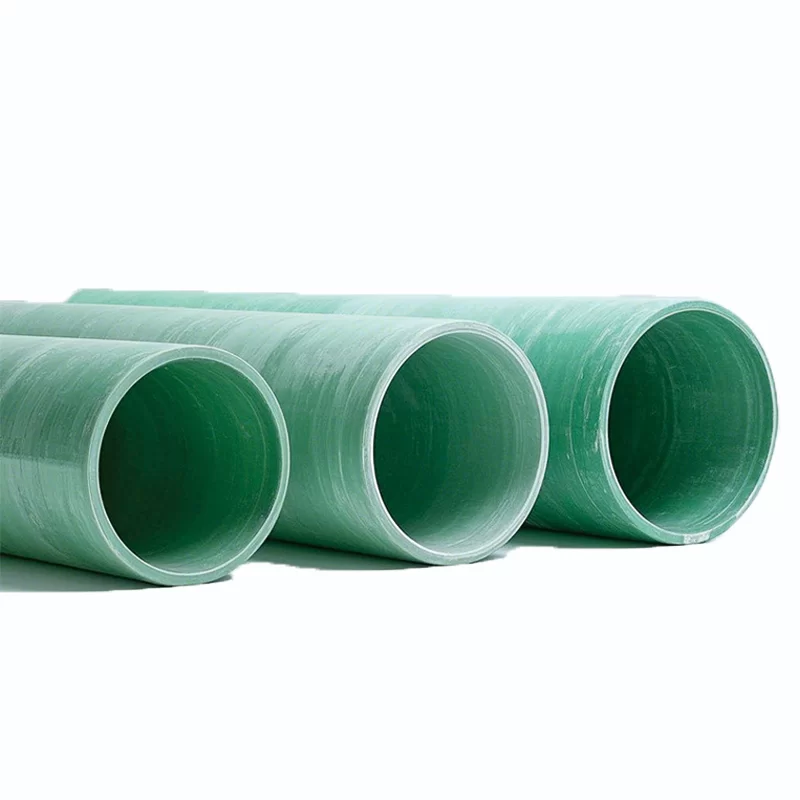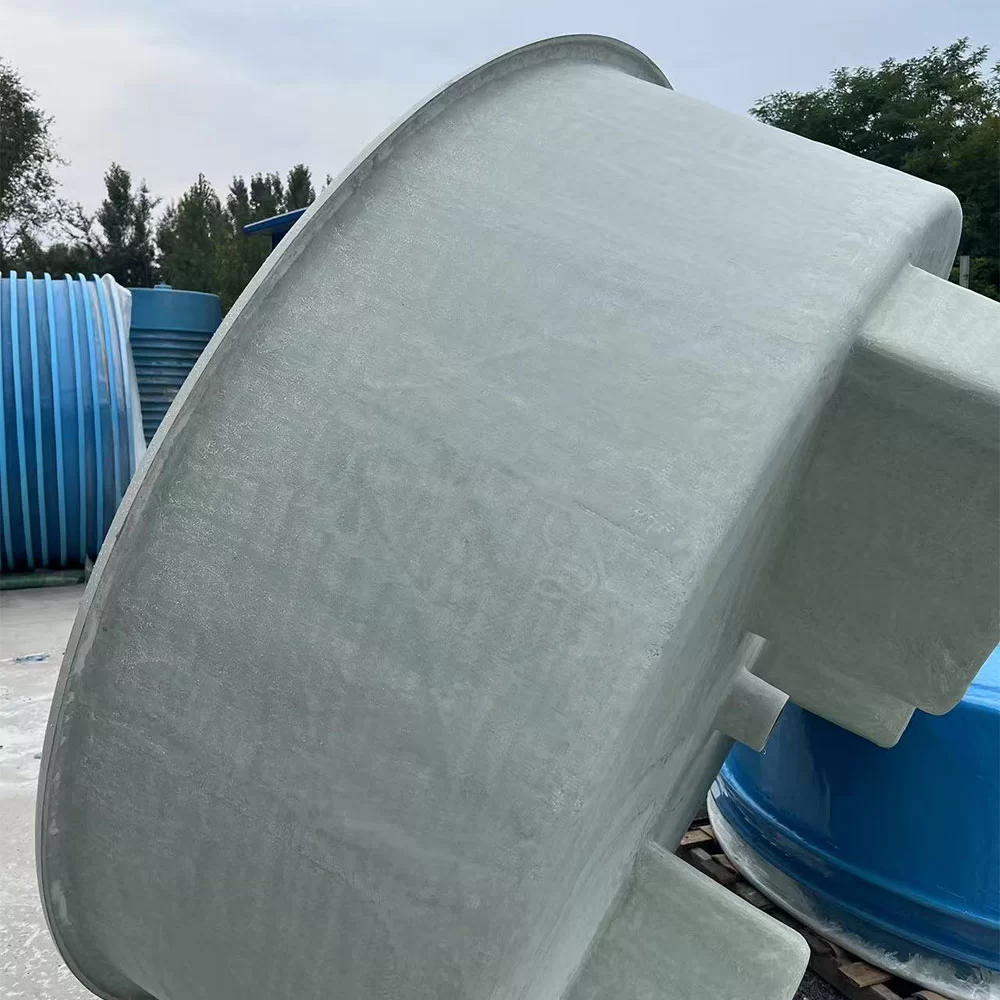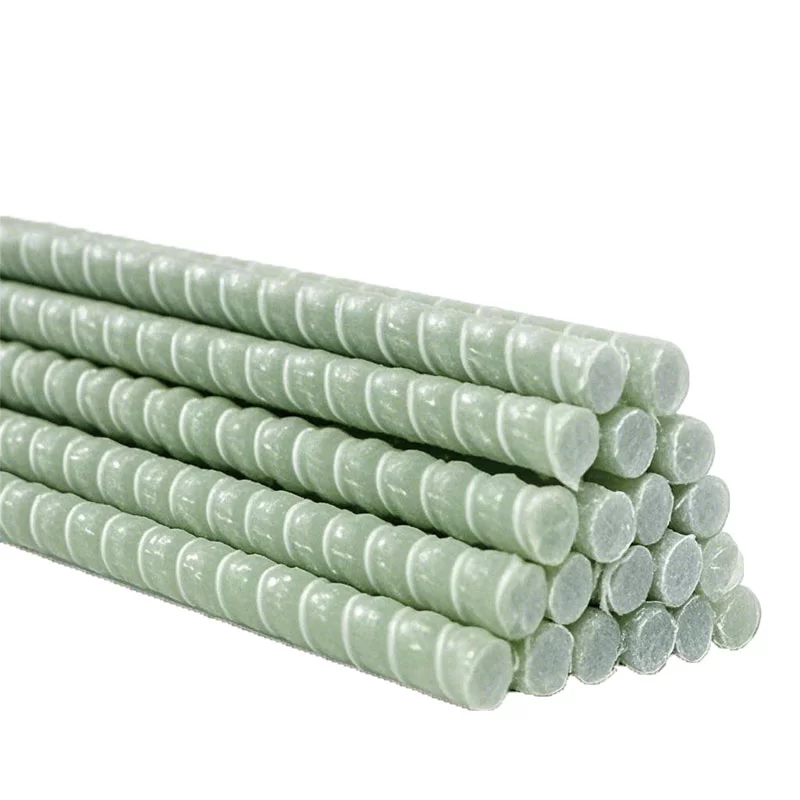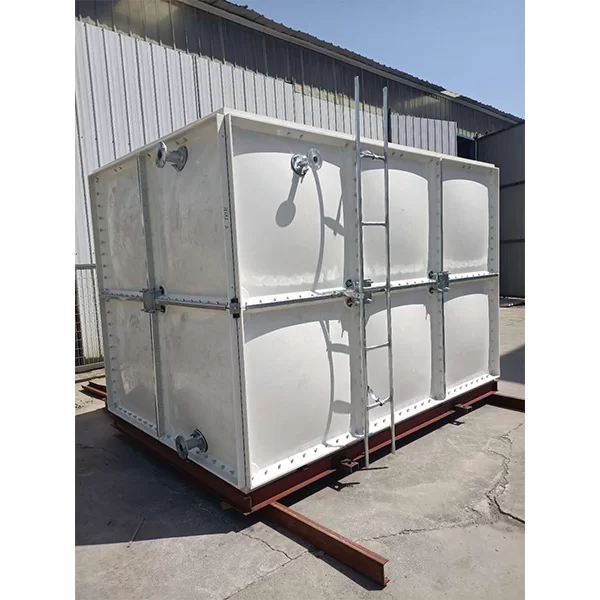
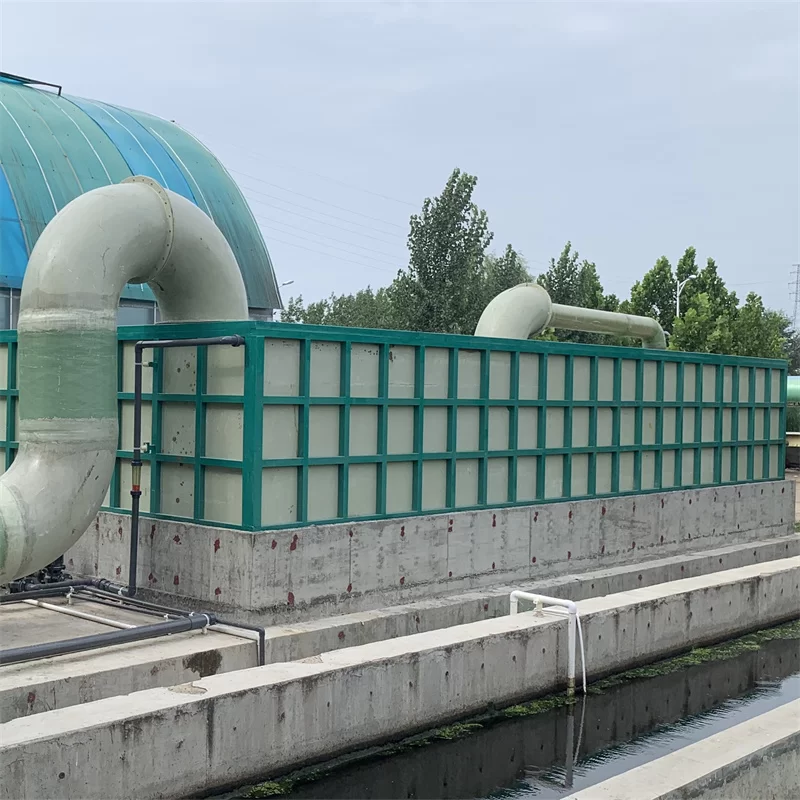
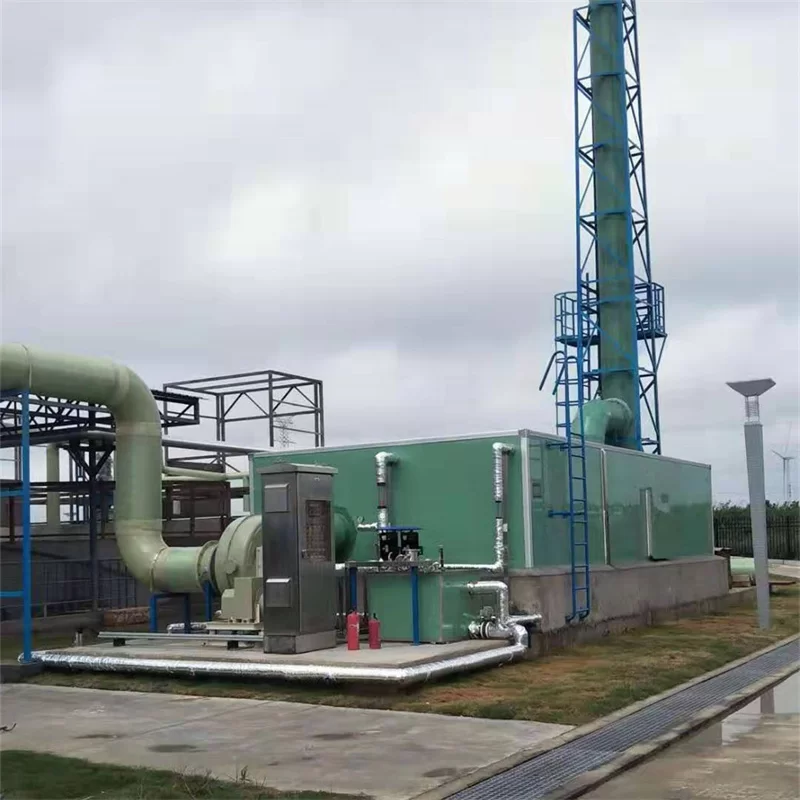
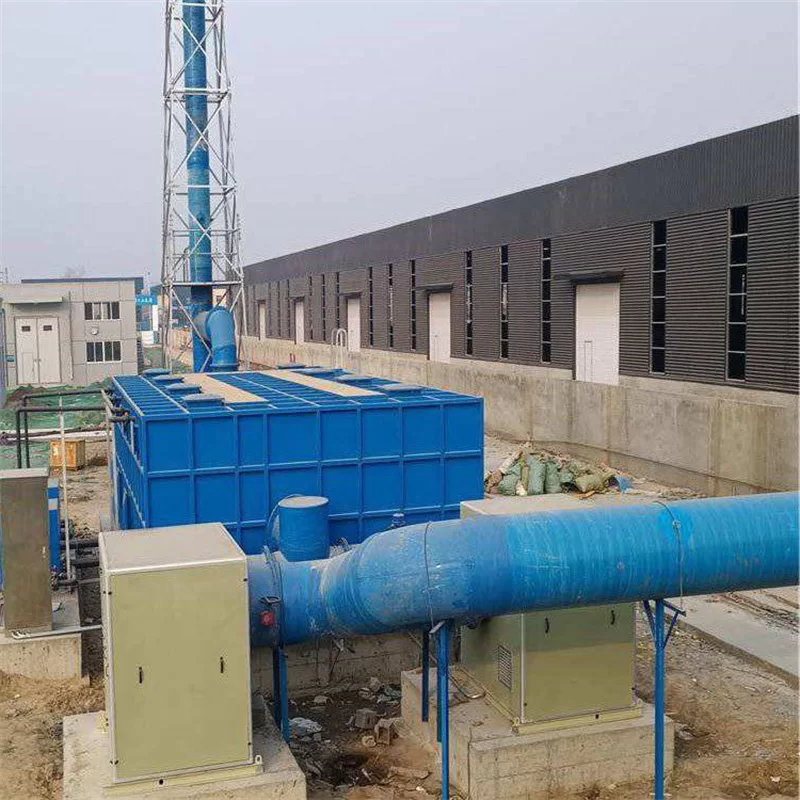
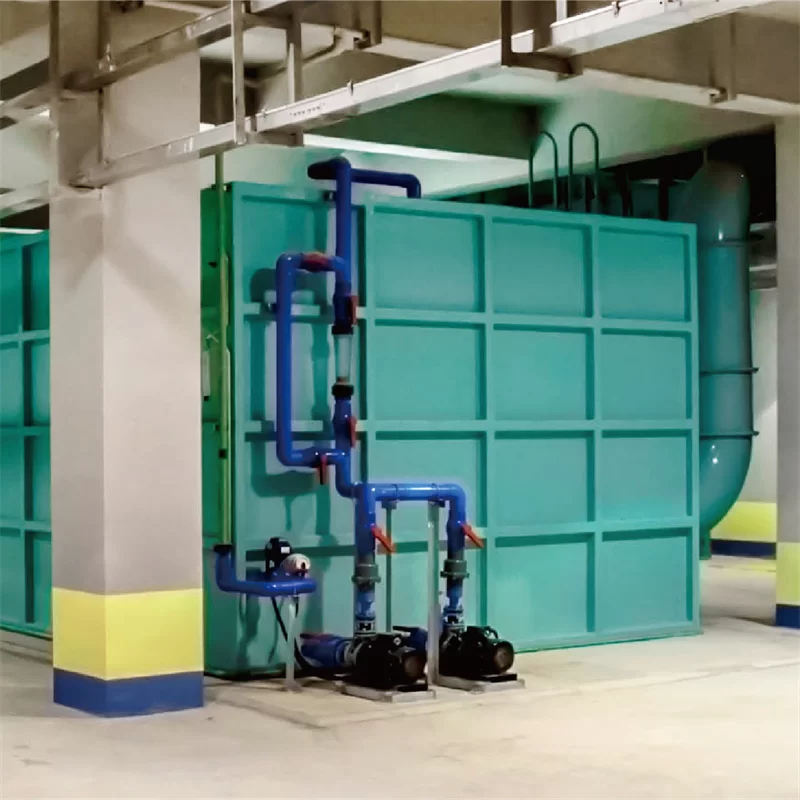
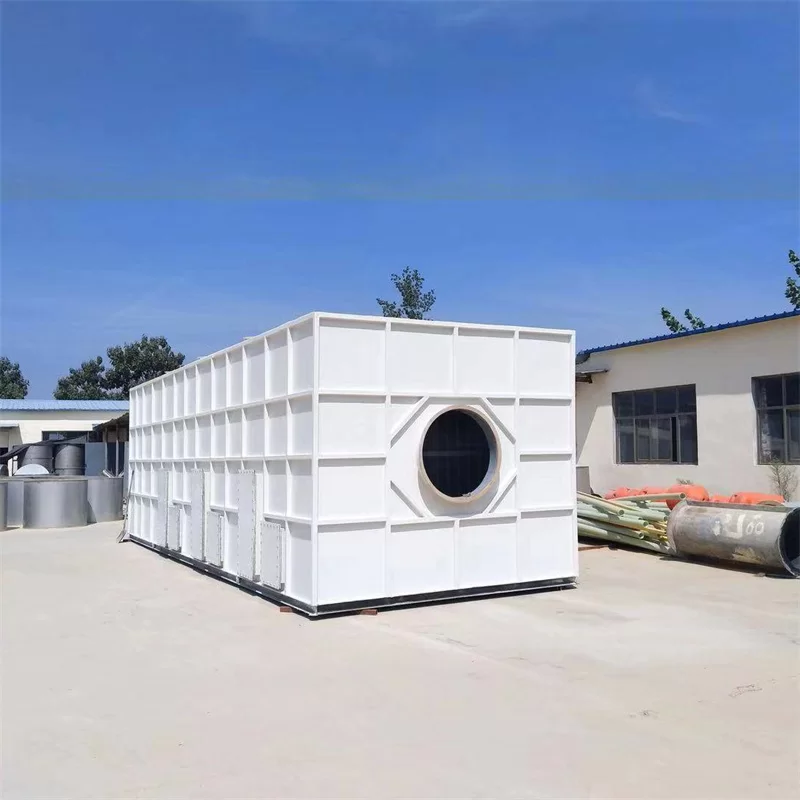
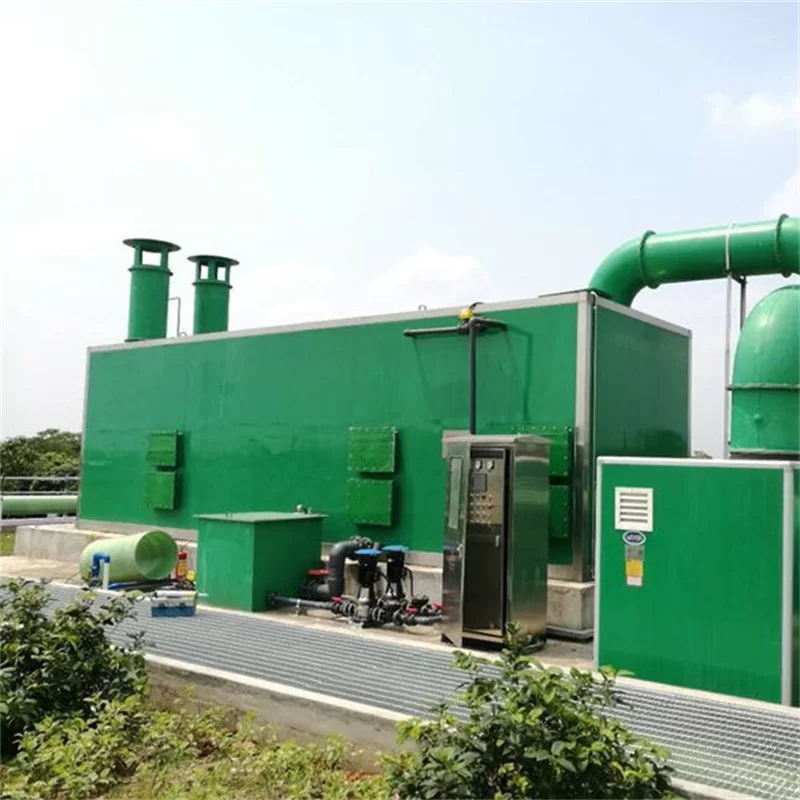
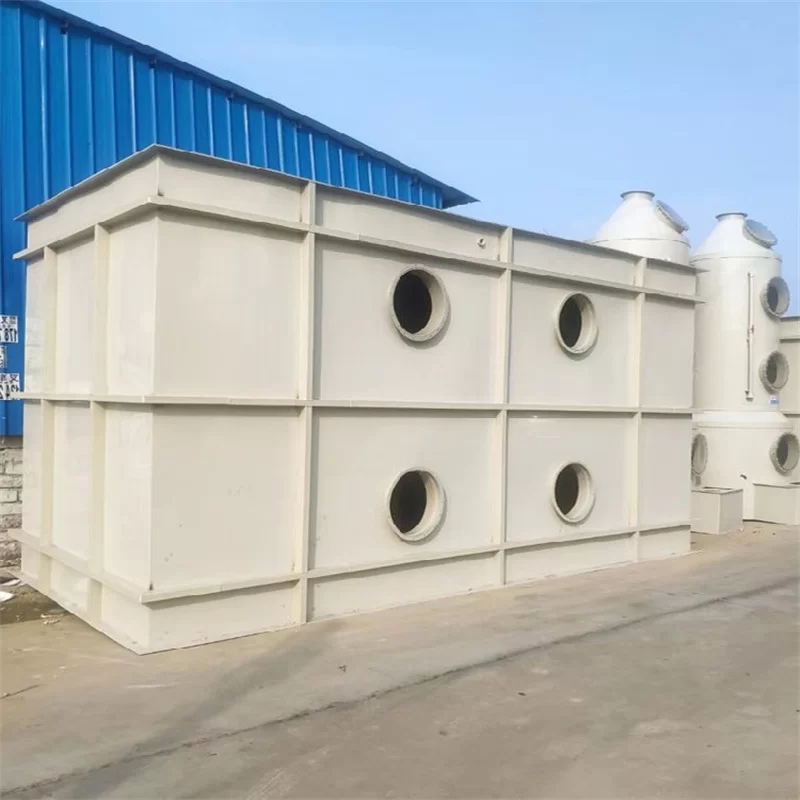
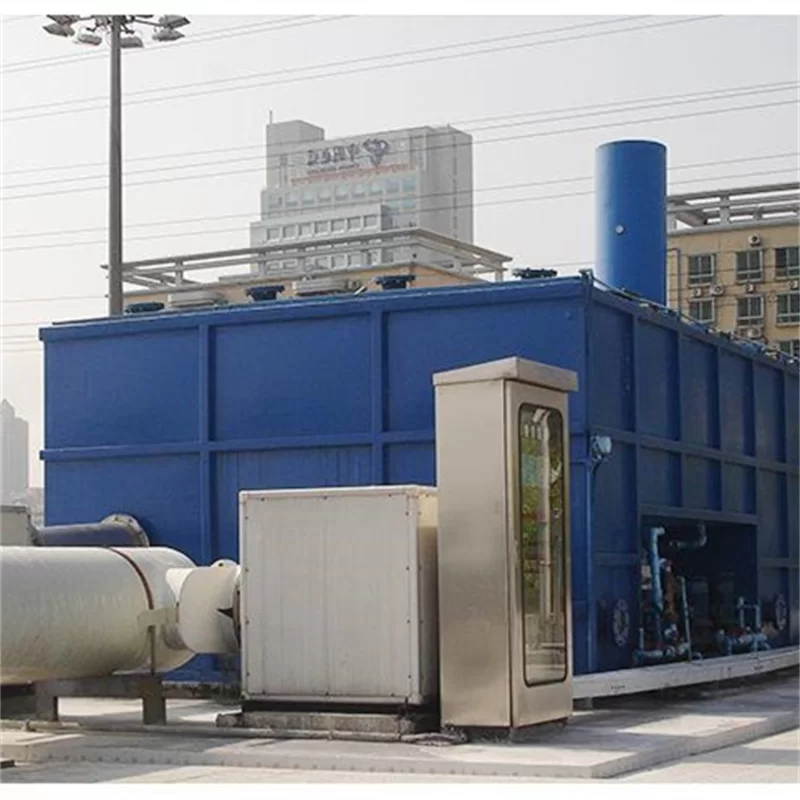
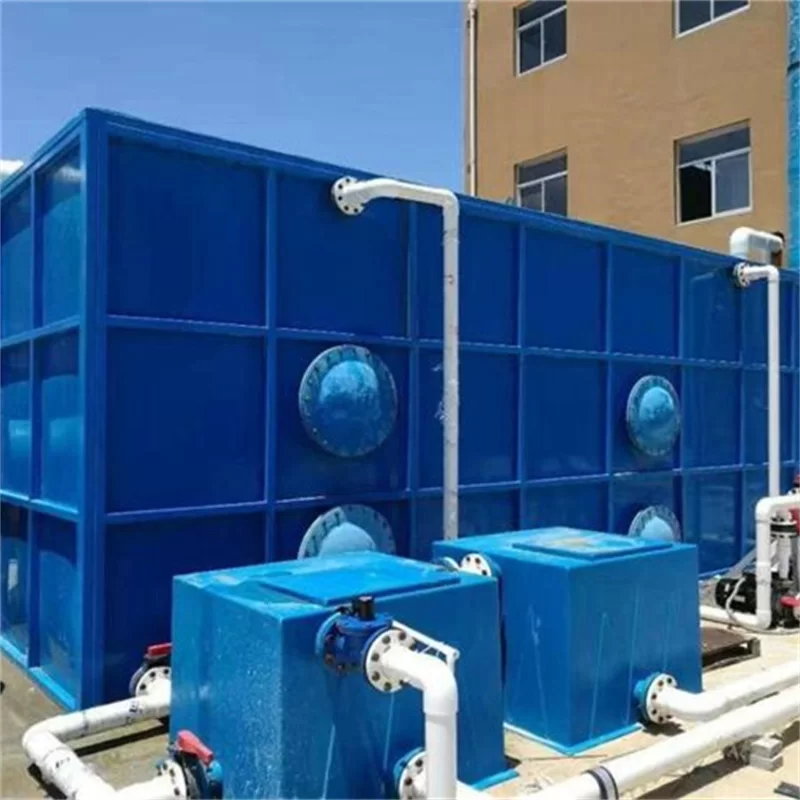
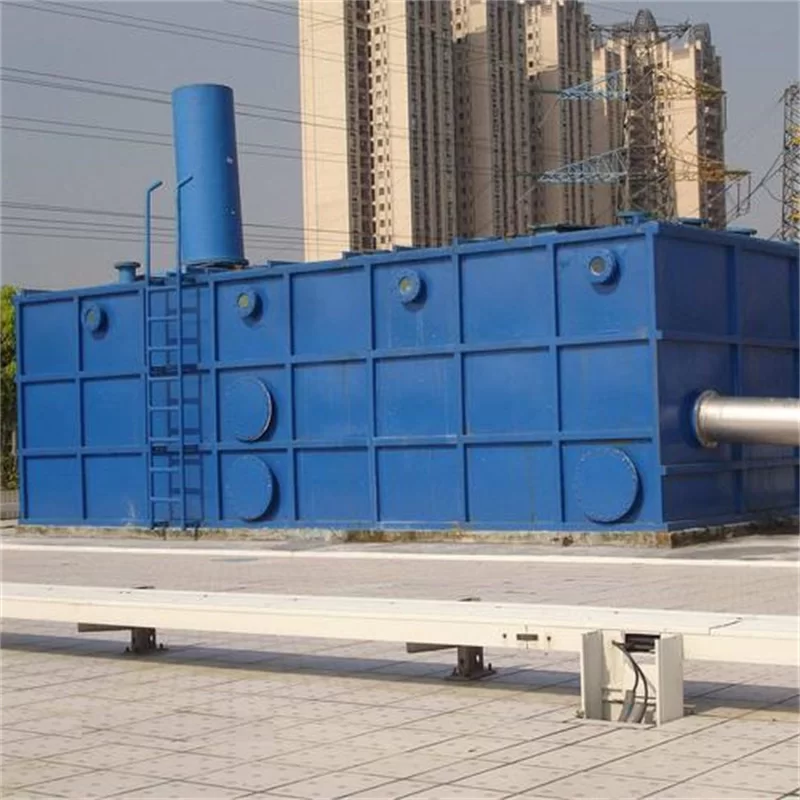
The FRP Deodorization Box is a corrosion-resistant odor control system designed to collect, contain, and treat harmful gases generated from wastewater treatment plants, pumping stations, industrial effluent systems, and sludge processing units. Manufactured from high-strength fiberglass reinforced plastic (FRP), this composite deodorization equipment provides exceptional durability, chemical resistance, and long-term performance in aggressive environments.
Wastewater and industrial treatment processes often release odorous and hazardous gases such as hydrogen sulfide (H₂S), ammonia (NH₃), volatile organic compounds (VOCs), and other corrosive vapors. These gases not only create unpleasant working conditions but may also pose environmental and health risks. Traditional metal deodorization chambers are prone to corrosion, structural degradation, and frequent maintenance under such harsh exposure.
The FRP deodorization box offers a lightweight yet structurally robust alternative. Constructed using premium resin systems such as vinyl ester or isophthalic polyester combined with fiberglass reinforcement, it ensures excellent resistance to acid, alkali, moisture, and chemical attack. The internal structure can be configured for biological filtration, activated carbon adsorption, chemical scrubbing, or multi-stage odor treatment systems.
1. Superior Corrosion Resistance
FRP deodorization boxes are engineered to withstand continuous exposure to corrosive gases and humid environments. The composite material does not rust, oxidize, or degrade like steel, making it highly suitable for long-term odor treatment operations.
Resin systems can be selected based on chemical compatibility requirements, ensuring resistance to hydrogen sulfide, ammonia, acidic vapors, and other reactive compounds commonly found in wastewater treatment processes.
2. Lightweight and High Structural Strength
Compared to conventional steel deodorization equipment, fiberglass odor control boxes are significantly lighter while maintaining high mechanical strength. The high strength-to-weight ratio reduces foundation load requirements and simplifies transportation and installation.
3. Modular and Customizable Design
Each FRP deodorization box can be customized according to:
Airflow capacity
Treatment media type
Retention time requirements
Installation space limitations
Multi-stage filtration configurations
Modular panel construction allows flexible assembly and convenient expansion for future capacity upgrades.
4. Excellent Sealing Performance
The deodorization box is designed with reinforced joints and gasket sealing systems to prevent gas leakage. Proper sealing ensures maximum odor containment and optimal treatment efficiency.
5. UV and Weather Resistance
For outdoor installations, the external surface can be coated with UV-resistant gel layers to protect against sunlight exposure and environmental aging, maintaining structural integrity and appearance over time.
6. Low Maintenance Surface
The smooth internal and external surfaces of FRP deodorization equipment reduce dirt accumulation and simplify cleaning procedures, contributing to lower maintenance costs.
Extended Service Life
FRP deodorization boxes typically provide a service life exceeding 20 years under standard operating conditions. Their resistance to corrosion and chemical attack ensures long-term structural stability.
Reduced Life-Cycle Costs
Because fiberglass composite materials do not require anti-corrosion coatings or frequent repairs, overall maintenance expenses are significantly reduced compared to traditional metal systems.
Improved Environmental Compliance
Effective containment and treatment of odorous gases help facilities meet environmental regulations and emission standards. The FRP odor control box enhances air quality management and reduces complaints from surrounding communities.
Enhanced Workplace Safety
By enclosing and directing harmful gases into controlled treatment systems, the deodorization box minimizes worker exposure to toxic and flammable vapors. This contributes to safer operational environments.
Flexible Integration with Treatment Technologies
FRP deodorization boxes can be integrated with:
Biological filtration systems
Activated carbon adsorption units
Chemical scrubbers
Multi-stage hybrid odor treatment processes
This flexibility allows engineers to design efficient and customized composite deodorization systems tailored to specific gas compositions and treatment requirements.
Energy Efficiency
The lightweight structure and optimized airflow design reduce pressure loss and energy consumption within the ventilation system, improving overall operational efficiency.
FRP deodorization boxes are widely used in industries where odor control and gas treatment are essential.
Municipal Wastewater Treatment Plants
In sewage treatment facilities, odorous gases are generated during primary sedimentation, aeration, sludge digestion, and pumping processes. Fiberglass deodorization equipment effectively captures and treats these emissions before discharge.
Industrial Wastewater Systems
Chemical plants, food processing facilities, pharmaceutical manufacturers, textile mills, and pulp and paper industries often produce wastewater containing volatile and corrosive gases. FRP deodorization boxes provide durable containment and treatment solutions.
Pumping Stations and Lift Stations
Urban pumping stations require compact and reliable odor control systems to prevent nuisance odors in residential and commercial areas. The modular design of FRP odor control boxes makes them suitable for space-limited installations.
Sludge Treatment Facilities
Sludge storage and dewatering processes release high concentrations of hydrogen sulfide and ammonia. The corrosion-resistant properties of fiberglass deodorization boxes ensure stable operation in these demanding conditions.
Solid Waste and Composting Plants
Odorous gases generated from waste handling and composting operations can be effectively managed using FRP composite deodorization systems integrated with biofilters or adsorption units.
Technical Customization Options
To meet diverse project specifications, FRP deodorization boxes can be engineered with:
Variable wall thickness and reinforcement layers
Fire-retardant resin systems
Insulated panels for temperature control
Access doors and inspection windows
Internal support structures for filter media
Integrated duct connections and flanges
Explosion-proof configurations if required
Our engineering team evaluates airflow volume, gas concentration, environmental conditions, and structural requirements to design the optimal solution.
We specialize in high-performance composite environmental protection equipment. With advanced production technology, experienced design engineers, and customized manufacturing capabilities, we provide reliable and cost-effective FRP deodorization solutions for global markets.
Our products are designed to deliver long-term corrosion resistance, efficient odor treatment performance, and reduced maintenance costs. Whether for municipal wastewater treatment facilities or industrial emission control systems, our FRP deodorization boxes offer a durable and environmentally responsible solution.
Apr. 27, 2026
Benefits of Durable Concrete Fiberglass Rebar for Infrastructure

Apr. 24, 2026
High Strength and Corrosion Resistant glass fibre reinforcement bars
Apr. 23, 2026
Reliable frp walkway manufacturer for Industrial Flooring Solutions
Apr. 22, 2026
Sustainable Construction with High Strength gfrp rebars Guide

Apr. 17, 2026
Advantages and Applications of High Strength Glass Rebar
Apr. 16, 2026
The Ultimate Guide to GFRP Rebars for Modern Construction
Looking for Reliable Frp Solutions?