Innovative Fiberglass Solutions for the Italian Market

Innovative Fiberglass Solutions for the Italian Market

Providing high-performance fiberglass products and reinforced plastic solutions across Europe.

Innovative Fiberglass Solutions for the Italian Market

Delivering cutting-edge fiberglass products to meet the evolving needs of Italian industries.

Current State of Fiberglass Manufacturing in Italy

Analyzing the Italian market dynamics and challenges for fiberglass products.

Italy’s manufacturing sector, particularly in construction and infrastructure, exhibits a strong demand for durable and corrosion-resistant materials. Fiberglass products are increasingly favored due to their lightweight properties and cost-effectiveness compared to traditional materials like steel and concrete. The Italian geographic landscape, with its coastal regions and seismic activity, also necessitates robust and resilient materials.

However, the Italian market is characterized by stringent quality standards and a competitive landscape. The rise in environmental awareness drives a preference for sustainable materials. This creates opportunities for fiberglass septic tank solutions offering longevity and minimal environmental impact. Furthermore, localized sourcing and responsiveness to specific project requirements are highly valued by Italian clients.

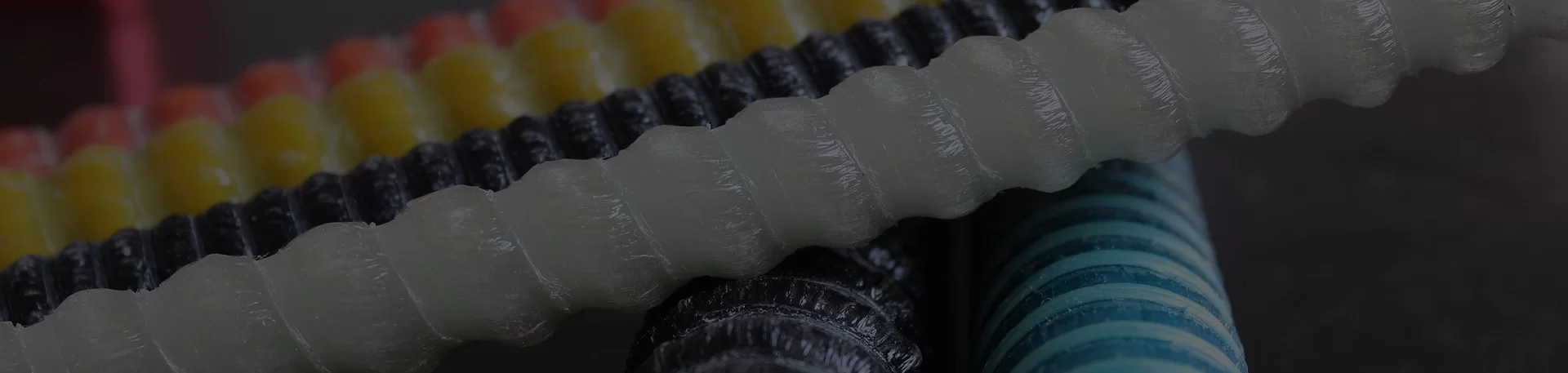
The cost of raw materials and energy fluctuations significantly impact production costs. Italian manufacturers are actively seeking innovative technologies and efficient production processes to mitigate these challenges. The demand for specialized fiber glass rebar and custom-designed components are on the rise, demonstrating a shift towards advanced material applications.
Evolution of Fiberglass Technology and its Adoption in Italy

Tracing the historical development of fiberglass composites and their integration into Italian industries.

Market Development History

The initial adoption of fiberglass in Italy dates back to the 1950s, primarily in the marine industry for boat building. Early applications focused on simple molded parts. The 1970s witnessed the introduction of polyester resins, expanding the range of applications to automotive parts and construction materials.

The 1990s saw a significant advancement with the introduction of epoxy resins and sophisticated manufacturing techniques like vacuum infusion and resin transfer molding (RTM). This allowed for the production of higher-strength, lighter-weight components suitable for aerospace and high-performance applications. The Italian automotive industry started experimenting with carbon fiber reinforcement for weight reduction.

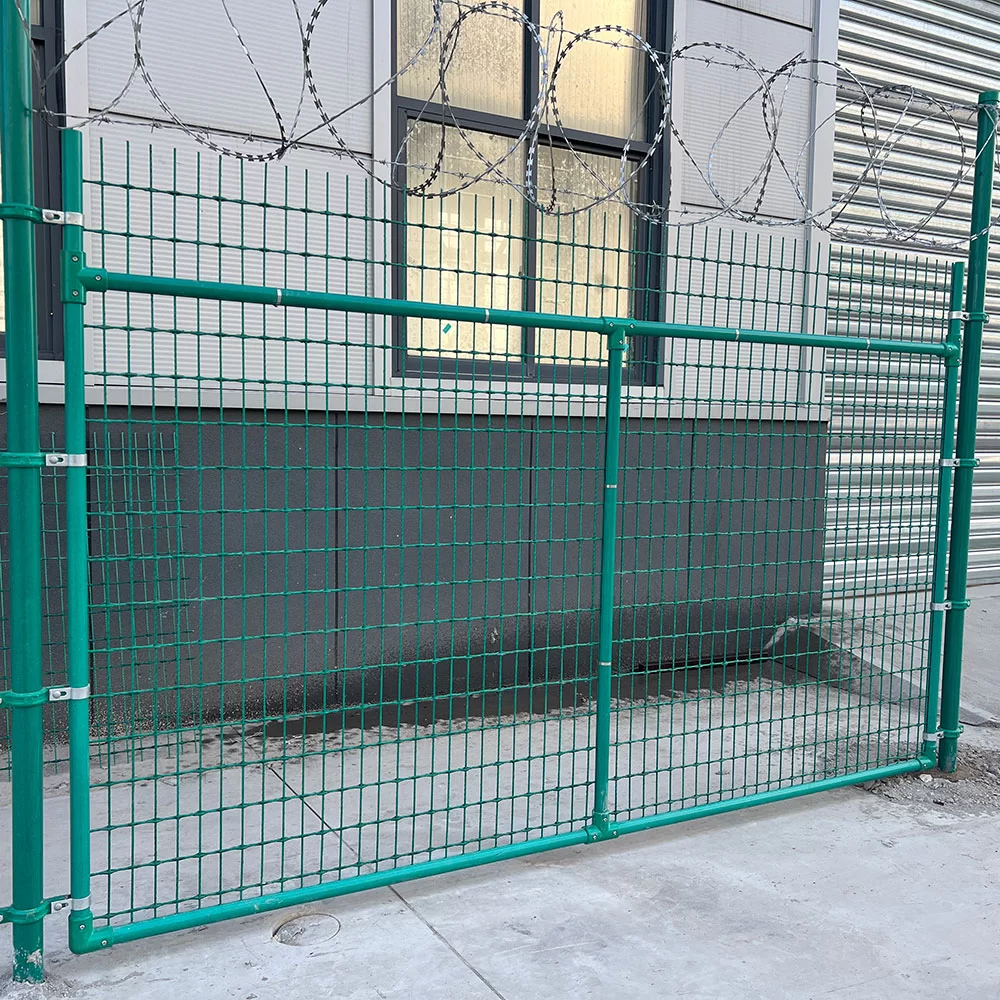
The 21st century has been marked by a focus on sustainable manufacturing processes and the development of bio-based resins. The increasing demand for eco-friendly solutions led to the adoption of recycled fiberglass and innovative composite materials. Italian infrastructure projects started incorporating fiberglass guardrail mesh for enhanced safety and durability.

Future Development Trends

Advanced Resin Systems

Research is heavily focused on developing high-performance resin systems with improved mechanical properties, temperature resistance, and chemical resistance. This will enable the creation of fiberglass composites for more demanding applications.

Automation and Robotics

Automated manufacturing processes and robotic systems are being implemented to increase production efficiency, reduce labor costs, and improve quality control. This aligns with Industry 4.0 principles.

Nanomaterial Integration

The incorporation of nanomaterials like carbon nanotubes and graphene into fiberglass composites will enhance their strength, stiffness, and electrical conductivity, opening up new possibilities for innovative applications.

Industry Trends and Future Outlook for Fiberglass in Italy

Predicting the trajectory of fiberglass technology and its impact on the Italian market.

Sustainable Composite Materials
Growing demand for bio-based resins and recycled fiberglass, aligning with Italy’s commitment to environmental sustainability.
Infrastructure Modernization
Increased investments in infrastructure projects driving demand for durable and corrosion-resistant fiberglass composites.
Automotive Lightweighting
Continued adoption of carbon fiber reinforcement in the Italian automotive industry to improve fuel efficiency and performance.
Smart Manufacturing Integration
Implementation of IoT and AI technologies for real-time monitoring and optimization of fiberglass manufacturing processes.

Industry Outlook

The Italian fiberglass market is poised for continued growth, driven by the increasing demand for high-performance materials in key sectors like construction, transportation, and energy. Investments in research and development will be crucial for maintaining competitiveness and fostering innovation.

Companies that prioritize sustainability, automation, and customization will be well-positioned to succeed in this evolving market. Collaboration between manufacturers, research institutions, and end-users will be essential for accelerating the adoption of new technologies and addressing the challenges facing the industry.

Localized Applications of Fiberglass in Italy

Exploring specific use cases of fiberglass products tailored to the Italian context.

1. Coastal Erosion Protection

Italy’s extensive coastline is vulnerable to erosion. Fiberglass composites are used to construct seawalls and breakwaters, offering superior durability and resistance to saltwater corrosion compared to traditional concrete structures.

2. Seismic Retrofitting of Historical Buildings

Many Italian cities feature historical buildings that require seismic retrofitting. Fiber glass rebar is a lightweight and non-corrosive reinforcement solution that can be used to strengthen masonry structures without significantly altering their appearance.

3. Agricultural Irrigation Systems

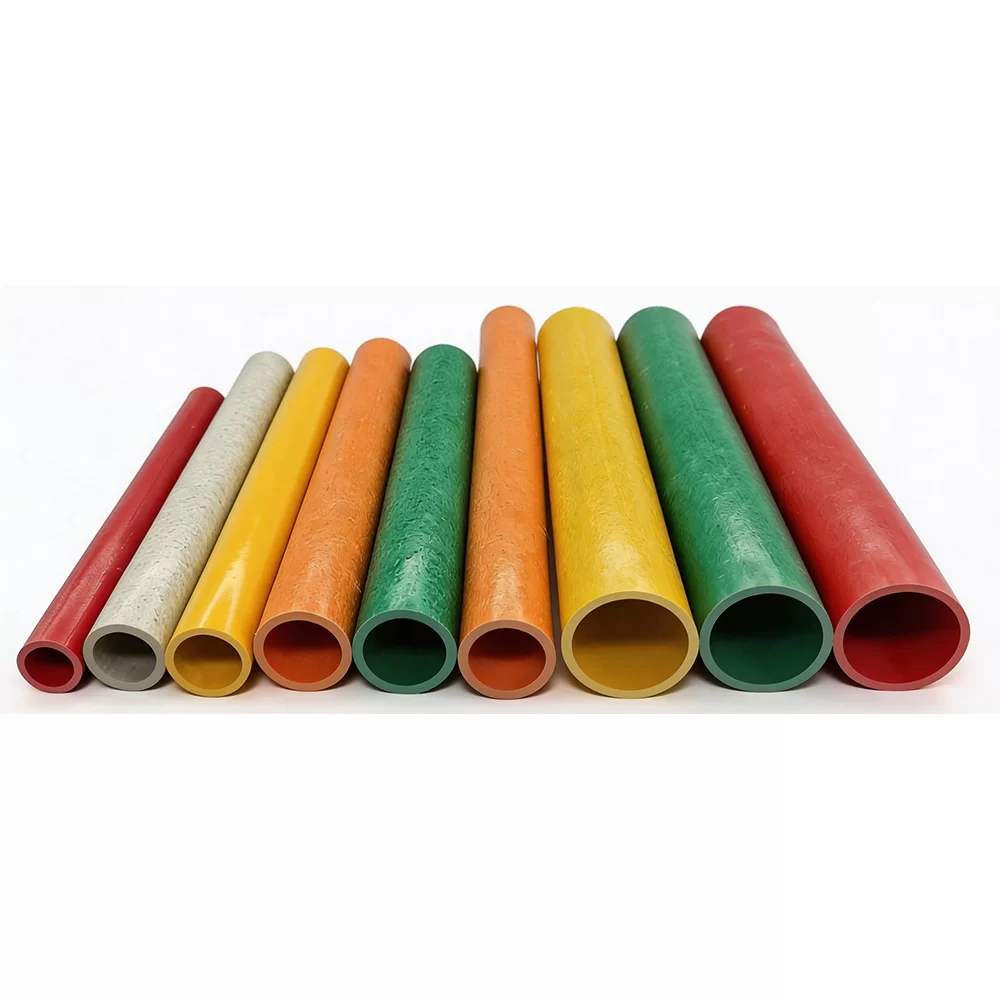
Fiberglass pipes are increasingly used in irrigation systems across Italian farms, providing a durable, corrosion-resistant, and lightweight alternative to traditional metal pipes, especially in areas with varying soil conditions.

4. Lightweight Vehicle Components

The Italian automotive industry utilizes fiberglass composites for manufacturing lightweight components such as body panels and interior parts, contributing to improved fuel efficiency and reduced emissions.

5. Renewable Energy Infrastructure

Fiberglass materials are integral in the construction of wind turbine blades and solar panel supports, supporting Italy’s transition towards renewable energy sources.

Brand Story

Hebei Zhongtian Composite Material Group Co., Ltd. Global Development Journey

Commitment to Innovation

Established in 2005, Hebei Zhongtian Composite Material Group Co., Ltd. began with a singular vision: to revolutionize the construction and infrastructure industries through advanced composite materials.

Expansion into Europe

In 2012, we strategically expanded our reach into the European market, recognizing the growing demand for high-quality, sustainable composite solutions.

Focus on Italian Market

2018 marked a pivotal moment as we intensified our focus on the Italian market, tailoring our products and services to meet the unique needs of Italian clients.

Sustainable Solutions

We have committed to developing and delivering eco-friendly composite materials that minimize environmental impact and contribute to a more sustainable future.

Partnering for Success

We strive to build long-term partnerships with our clients, providing expert technical support and customized solutions that drive their success.

Complete Product Portfolio for the Italian Region

A comprehensive range of fiberglass composites designed for diverse applications in Italy.

Frequently Asked Questions about Fiberglass Products in Italy

Addressing common inquiries regarding fiberglass composites for Italian projects.

What are the main advantages of using fiberglass rebar over traditional steel rebar in Italian construction projects?

Fiberglass rebar offers superior corrosion resistance, lighter weight for easier handling, and non-conductivity, making it ideal for challenging environments like coastal regions or areas with high salinity. It also reduces project costs due to lower transportation expenses and longer service life.

How does the cost of fiberglass septic tanks compare to traditional concrete septic tanks in Italy?

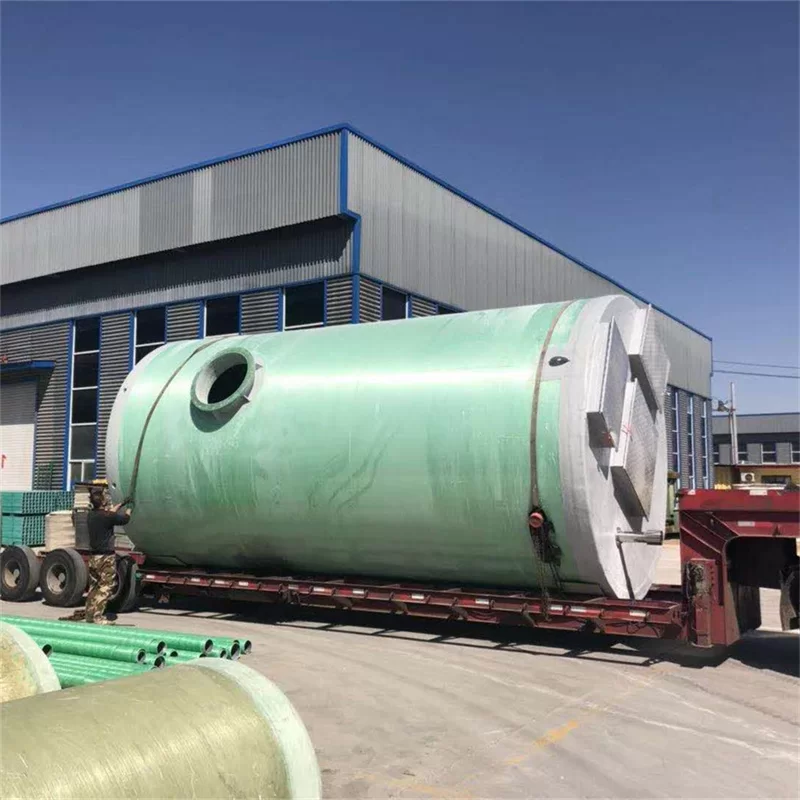
While the initial cost may be slightly higher, fiberglass septic tanks offer a significantly longer lifespan, reduced installation costs due to their lightweight nature, and minimal maintenance requirements, resulting in lower total cost of ownership.

Are fiberglass guardrail mesh systems compliant with Italian safety regulations for road infrastructure?

Yes, our fiberglass guardrail mesh systems are designed and tested to meet or exceed all relevant Italian safety standards and regulations for road infrastructure, ensuring optimal protection for motorists.

What are the environmental benefits of using carbon fiber reinforced polymers (CFRP) in automotive applications in Italy?

Carbon fiber reinforcement significantly reduces vehicle weight, leading to improved fuel efficiency and lower carbon emissions. It also offers enhanced strength and durability, extending the lifespan of automotive components.

How can fiberglass pipes resist corrosion in Italian water and wastewater treatment facilities?

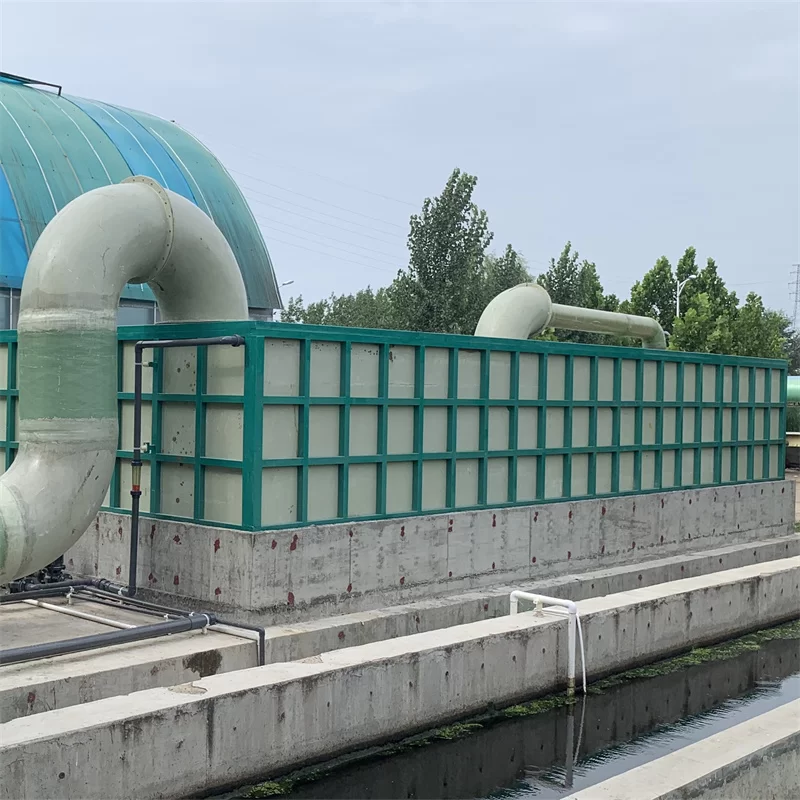
Fiberglass pipes are inherently resistant to corrosion from a wide range of chemicals and environmental factors. They do not rust, rot, or corrode, making them an ideal solution for transporting corrosive fluids in water and wastewater treatment facilities.

What is the typical lifespan of a fiberglass composite structure compared to a traditional concrete structure in the Italian climate?

Fiberglass composite structures typically have a lifespan of 50-100 years, significantly longer than traditional concrete structures, which typically require more frequent maintenance and repairs, especially in harsh Italian climates with coastal salt exposure or seismic activity.

Get in Touch with Us

Contact us today to discuss your fiberglass composite needs in Italy.

Contact Us Now

If you are interested in our products, you can choose to leave your information here, and we will be in touch with you shortly.