Choosing the Right SMC composite material supplier for Your Engineering Challenges
Industrial projects across the construction, chemical, and wastewater treatment sectors frequently face a critical bottleneck: sourcing materials that can withstand aggressive corrosive environments without adding prohibitive weight or escalating maintenance costs. Finding a reliable SMC composite material supplier is no longer just a standard procurement task; it is a vital engineering decision. When infrastructure demands uncompromising durability and precision engineering, settling for commercial-grade plastics or heavy, rust-prone metals inevitably leads to frequent replacements, structural vulnerabilities, and costly downtimes.
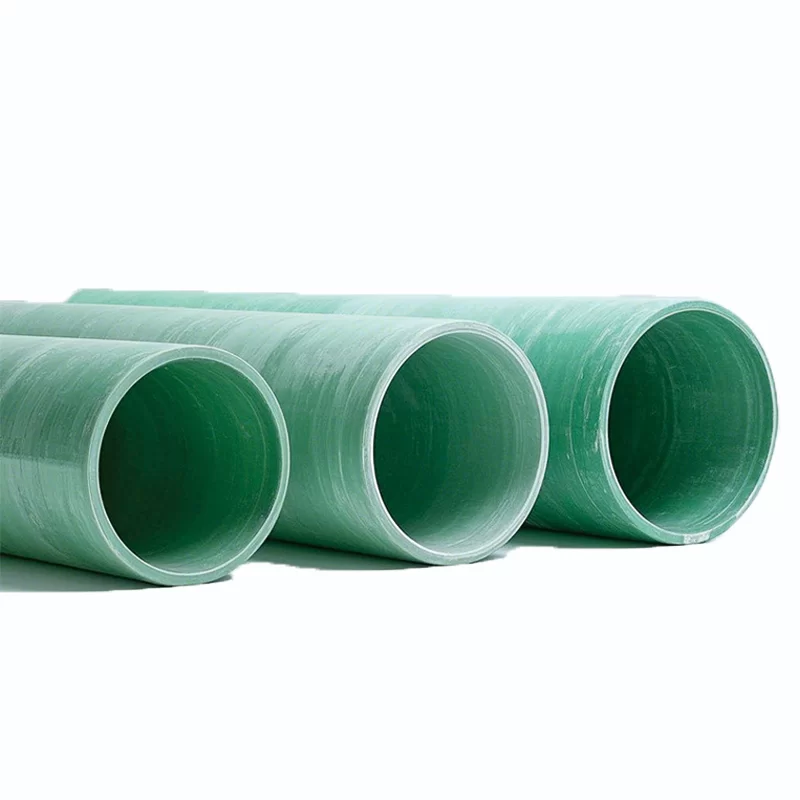
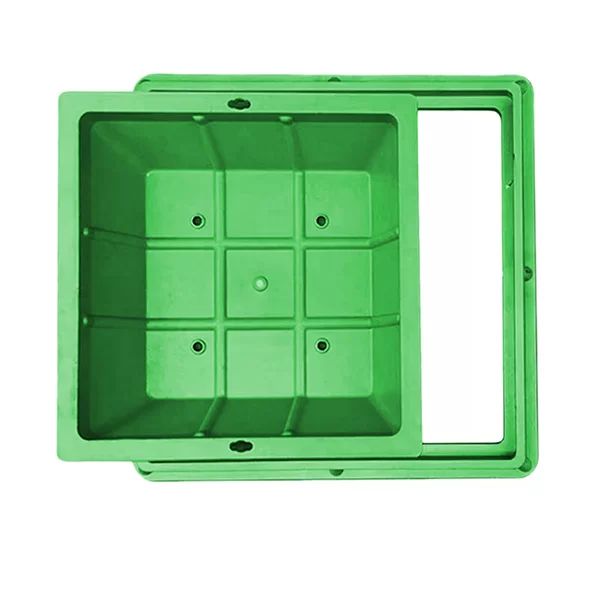
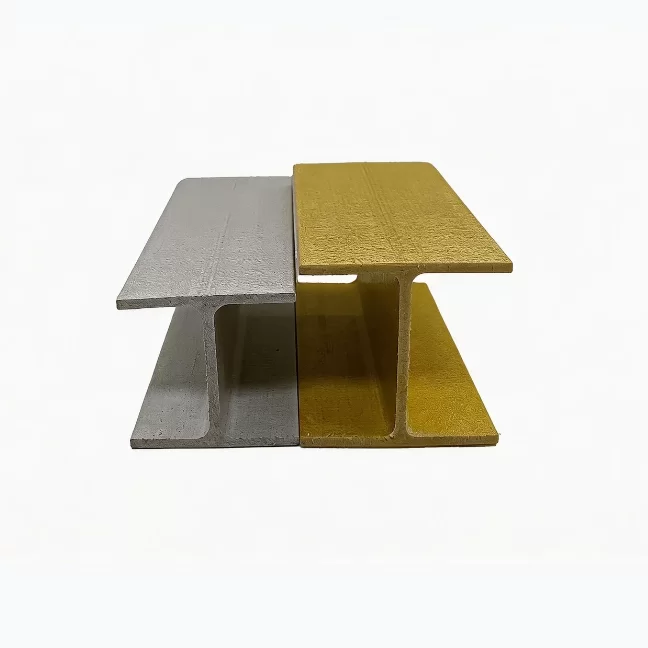
Hebei Zhongtai Composite Material Co., Ltd. steps into this gap as an integrated manufacturing partner offering customized composite solutions. Operating out of modern production workshops equipped with advanced molding machines and pultrusion lines, the facility is exclusively engineered to tackle large-scale industrial challenges. By adhering strictly to international quality management systems, every structural profile, custom component, and water storage unit delivered guarantees a high strength-to-weight ratio and superior anti-aging properties, ensuring your essential infrastructure remains secure and operational for decades.
Engineering Standards for a Top-Tier SMC composite material supplier
Technical specifications dictate the long-term safety and viability of any industrial installation. A premier SMC composite material supplier must consistently benchmark its production against rigorous global engineering metrics. Below is a detailed breakdown of the stringent performance standards applied to our molded and pultruded composite solutions.
| Performance Metric |
Industry Significance |
Our Engineering Standard |
Advantage |
| Corrosion Resistance |
Vital for wastewater and chemical plants exposed to highly reactive agents. |
Advanced polymer resin formulation paired with precise hand lay-up and molding processes. |
Prevents structural decay and rust, drastically reducing lifecycle replacement costs. |
| Strength-to-Weight Ratio |
Directly impacts transportation logistics, installation complexity, and structural load limits. |
High-density reinforcement using premium carbon fiber and FRP pultrusion techniques. |
Enables lightweight, rapid installation without compromising industrial-grade durability. |
| Anti-Aging Properties |
Determines the operational lifespan of grating and profiles in harsh outdoor environments. |
Specialized UV-resistant additives seamlessly integrated during the initial molding phase. |
Maintains maximum aesthetic and structural integrity over decades of elemental exposure. |
| Manufacturing Precision |
Ensures seamless, secure integration for large-scale engineering applications. |
State-of-the-art modern production workshops operating under strict quality management systems. |
Eliminates fitment issues on-site, accelerating overall project timelines and safety. |
Maximizing ROI with a Proven SMC composite material supplier
Partnering with a globally recognized SMC composite material supplier transcends upfront material acquisition; it represents a strategic investment in long-term financial performance. With a footprint spanning demanding markets across Southeast Asia, Europe, North America, and the Middle East, our exported composite products stand as a testament to consistent reliability. By utilizing specialized material formulations that entirely negate the need for continuous anti-rust treatments, repainting, or the use of heavy machinery during installation, project managers can drastically minimize their total cost of ownership.
The financial impact of transitioning from traditional structural metals to our precision-engineered FRP and carbon fiber composites becomes evident well within the first five years of deployment. The interactive chart below illustrates the projected lifecycle maintenance and replacement savings over a standard industrial timeline.
Related products
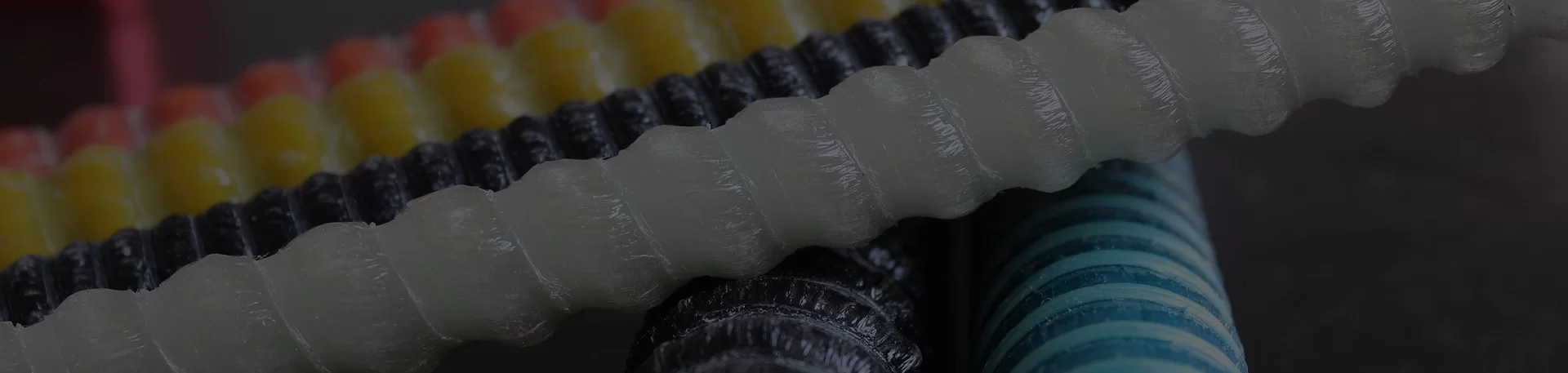
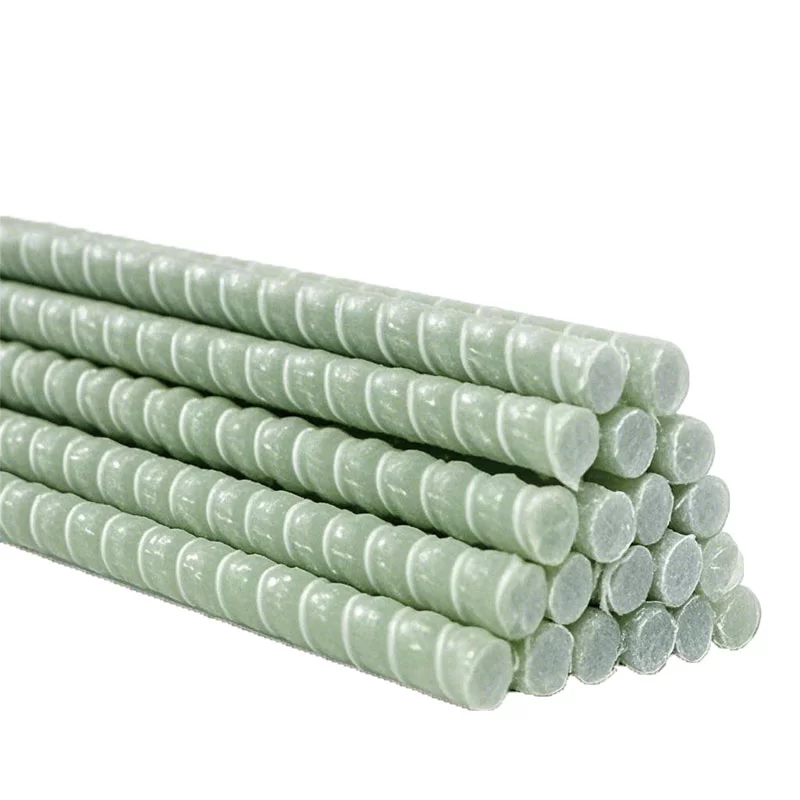
Benefits of Durable Concrete Fiberglass Rebar for Infrastructure
The evolution of modern infrastructure has led to a critical search for materials that can withstand the harshest environmental conditions without compromising structural integrity. Among the most promising innovations is concrete fiberglass rebar , a high-performance alternative to traditional steel reinforcement that eliminates the age-old problem of corrosion. By integrating advanced composite technology into the very core of our buildings and bridges, the construction industry is shifting toward a more sustainable and durable paradigm. Globally, the degradation of reinforced concrete due to saltwater ingress and chemical attacks costs billions of dollars in maintenance and premature demolition annually.
High Strength and Corrosion Resistant glass fibre reinforcement bars
The evolution of modern infrastructure has reached a critical turning point where traditional materials are no longer sufficient to meet the demands of extreme environments. Among the most innovative solutions emerging is the use of glass fibre reinforcement bars, which provide a high-strength, corrosion-resistant alternative to conventional steel rebar. By integrating advanced polymer chemistry with high-tensile glass fibers, these components are redefining the longevity of concrete structures globally. Understanding the technical superiority of these composite materials is essential for engineers and architects aiming to reduce maintenance costs and environmental impact.
Reliable frp walkway manufacturer for Industrial Flooring Solutions
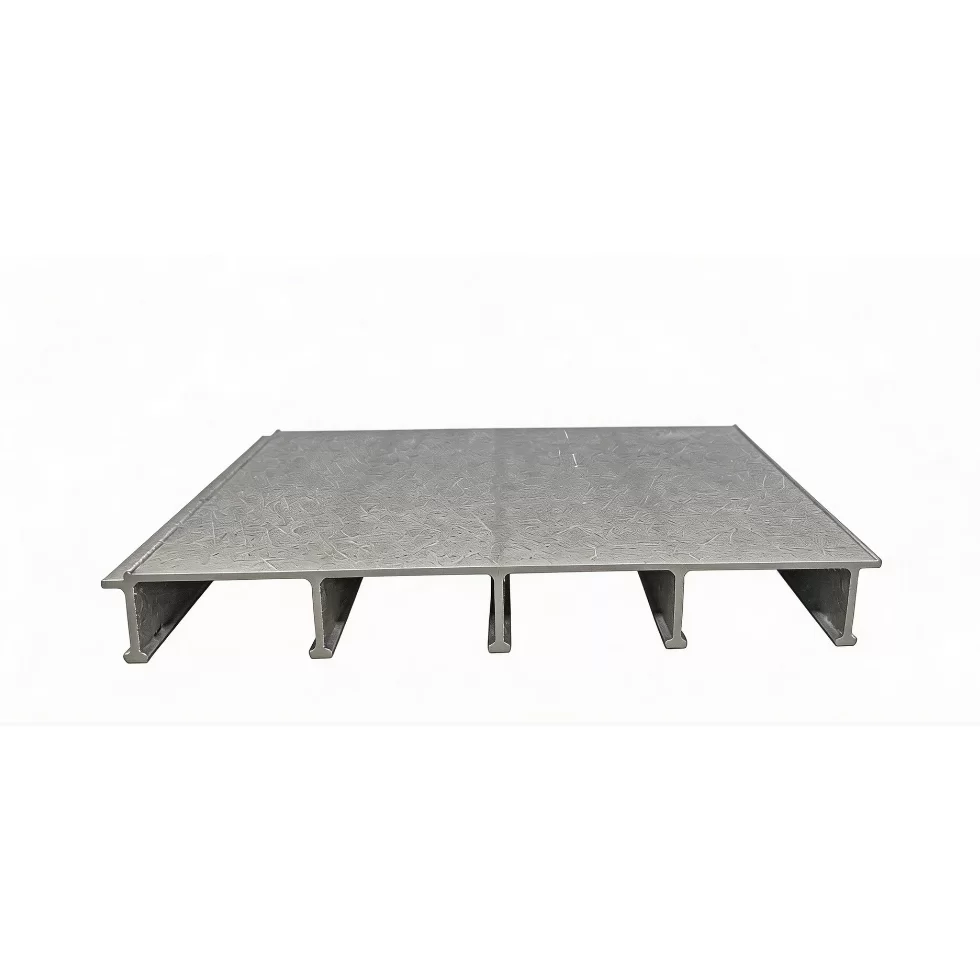
Selecting a reliable frp walkway manufacturer is a critical decision for industries operating in harsh environments where traditional materials like steel and aluminum fail. Fiber Reinforced Polymer (FRP) has emerged as the gold standard for industrial flooring and walkways due to its extraordinary resistance to corrosion and high strength-to-weight ratio, ensuring operational safety and longevity. In the global push toward sustainable infrastructure, the role of an experienced frp walkway manufacturer extends beyond mere production; it involves engineering solutions that reduce lifecycle costs and minimize environmental impact.
Sustainable Construction with High Strength gfrp rebars Guide
The construction industry is currently witnessing a paradigm shift toward sustainable and corrosion-resistant materials, with gfrp rebars emerging as a leading alternative to traditional steel reinforcement. As urban infrastructure faces increasingly harsh environmental conditions, the need for materials that can withstand chloride penetration and oxidation has never been more critical. Understanding the technical superiority of glass fiber reinforced polymer (GFRP) bars allows engineers to significantly extend the lifecycle of concrete structures while reducing long-term maintenance costs. By leveraging the high tensile strength and lightweight nature of these composites, the industry is moving toward a more resilient form of architecture.
As a project manager for a wastewater facility, finding a reliable SMC composite material supplier was crucial. Their molded FRP products are incredibly durable, and the superior corrosion resistance has already saved us thousands in maintenance. Highly recommended!
13 March 2026
We sourced custom structural profiles for our construction project in Europe. This SMC composite material supplier delivered exactly what we needed: lightweight components with a fantastic strength-to-weight ratio. The international shipping was completely seamless.
13 March 2026
Top-tier SMC composite material supplier! Their technical team helped us customize pultruded gratings for a highly corrosive chemical plant environment. The manufacturing precision is excellent, and every piece fit perfectly during on-site installation.
13 March 2026
Switching to this SMC composite material supplier was one of our best procurement decisions. The anti-aging properties of their composite materials are outstanding, giving us peace of mind and a much better ROI compared to traditional steel structures.
13 March 2026