Mar. 09, 2026
In modern construction, enhancing the durability and performance of concrete is paramount. Fiberglass concrete reinforcement emerges as a superior alternative to traditional steel, offering significant advantages in corrosion resistance, weight, and ease of use. This article will delve into the benefits, applications, and specifications of fiberglass reinforcement, providing a thorough overview for engineers, contractors, and construction professionals. Understanding these benefits is crucial for optimizing concrete structures and extending their lifespan. HBZT Composite specializes in providing high-quality fiberglass reinforcement solutions.
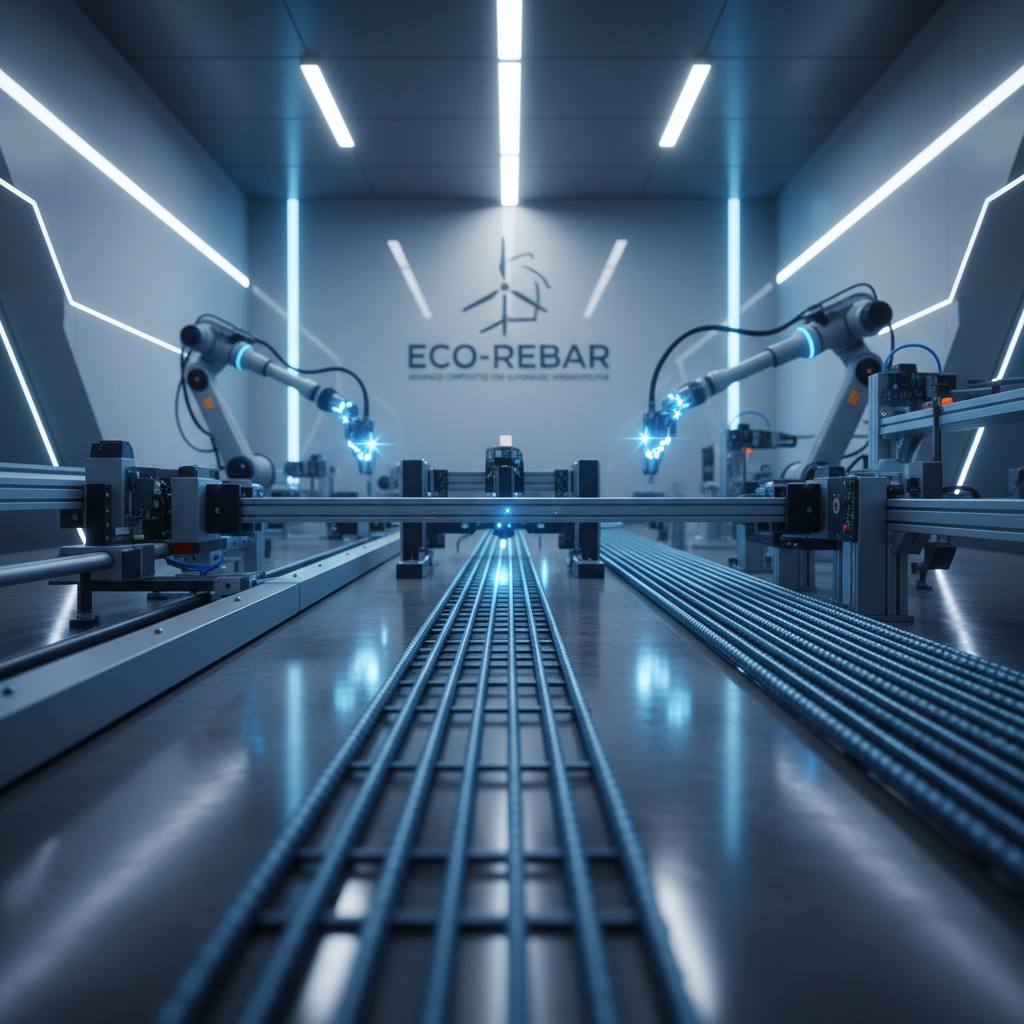
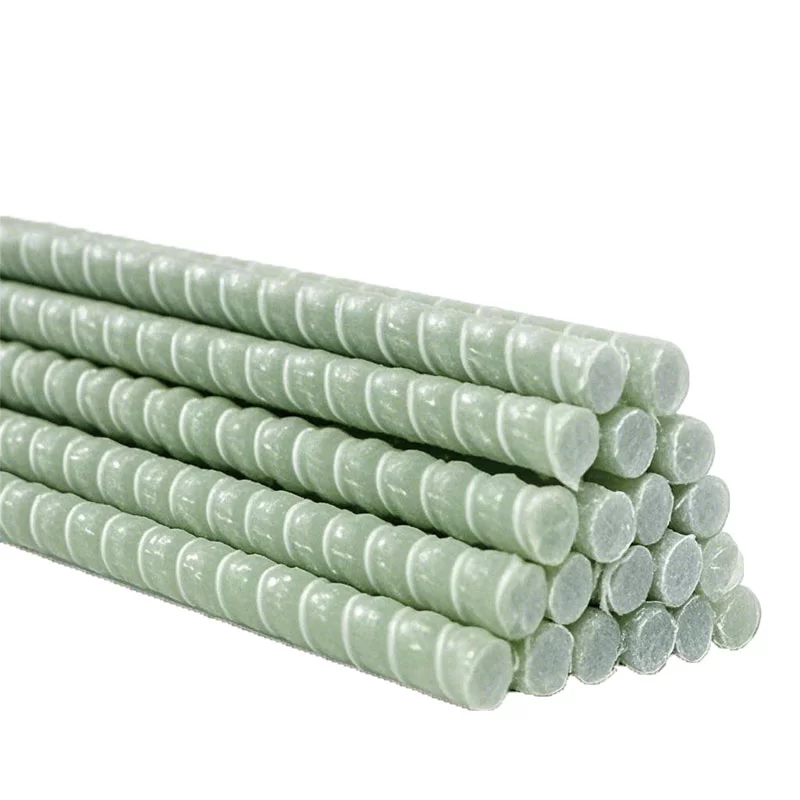
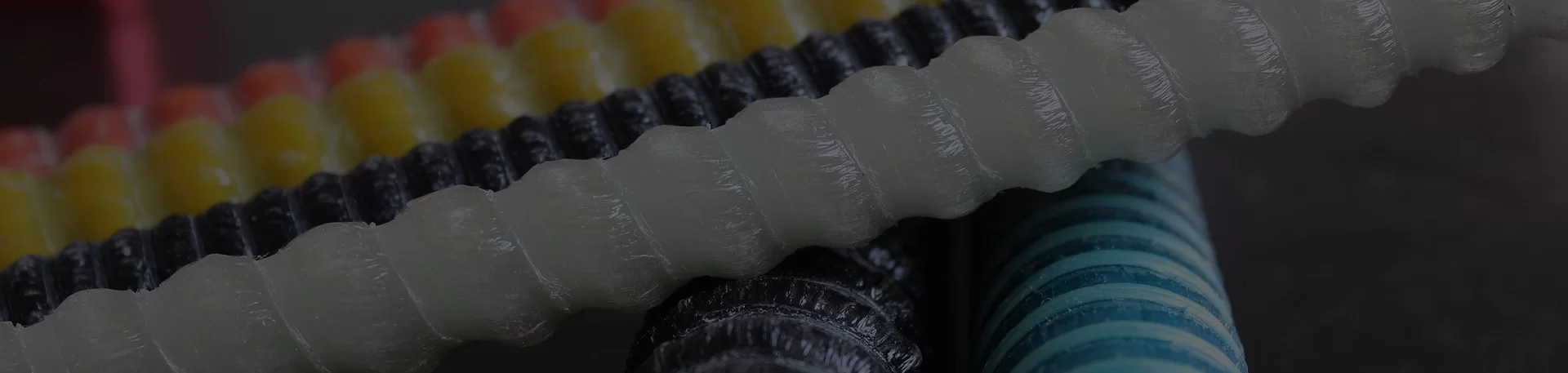
Fiberglass concrete reinforcement, also known as Fiber Reinforced Polymer (FRP) reinforcement, is a composite material comprised of glass fibers embedded in a resin matrix. Unlike steel reinforcement, fiberglass is non-corrosive, making it ideal for structures exposed to harsh environments, such as marine environments or areas with high salt content. It’s significantly lighter than steel, reducing transportation and installation costs, and its high tensile strength provides excellent structural performance. HBZT Composite’s fiberglass reinforcement products are designed for optimal performance and longevity.
Key Benefits: Non-corrosive, lightweight, high tensile strength, easy to handle, and cost-effective over the lifecycle of the structure.
The choice between fiberglass and steel reinforcement is a critical decision in concrete construction. While steel has been the traditional choice, fiberglass offers compelling advantages in numerous applications. Fiberglass eliminates the risk of corrosion, a major concern with steel, especially in chloride-rich environments. Its lighter weight simplifies handling and reduces labor costs. Furthermore, fiberglass has a higher tensile strength-to-weight ratio than steel, allowing for optimized structural designs. HBZT Composite provides expert guidance on selecting the appropriate reinforcement for your project.
Fiberglass reinforcement is suitable for a wide array of concrete applications, including: slabs, walls, columns, beams, pavements, precast concrete elements, and marine structures. It is particularly well-suited for environments exposed to saltwater, de-icing salts, and other corrosive agents. Applications include parking garages, bridges, wastewater treatment plants, and coastal infrastructure. HBZT Composite delivers solutions for a diverse range of construction needs.
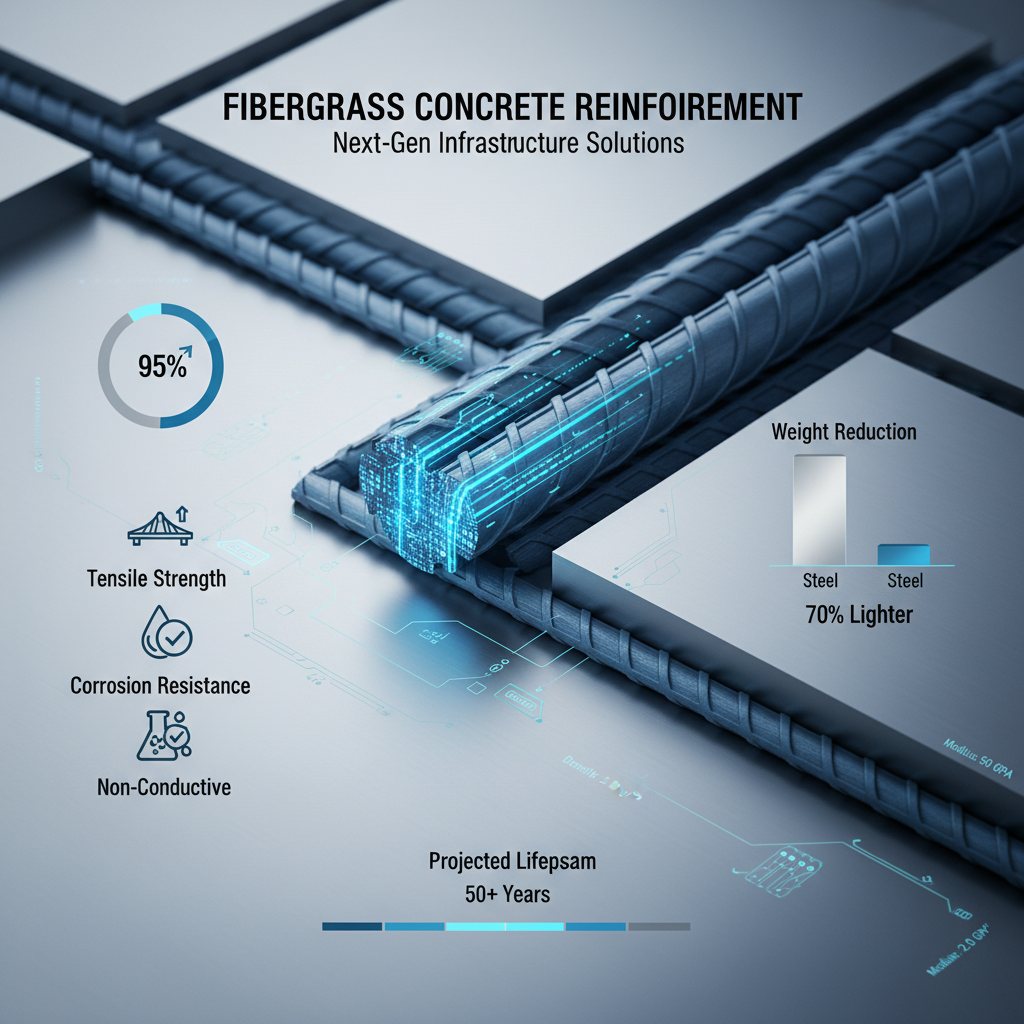
HBZT Composite offers a comprehensive range of fiberglass reinforcement products, tailored to meet specific project requirements. Here’s a glimpse of some typical specifications:
Investing in fiberglass concrete reinforcement represents a commitment to durability, sustainability, and long-term cost savings. Its superior corrosion resistance, lightweight nature, and high strength make it an ideal alternative to traditional steel. HBZT Composite provides innovative solutions and expert support to ensure your project benefits from the advantages of fiberglass reinforcement.
While the initial material cost of fiberglass reinforcement may be higher than steel, it's essential to consider the lifecycle cost. Fiberglass eliminates the need for corrosion protection, reducing maintenance and repair expenses over the structure's lifespan. Furthermore, its lighter weight can lower transportation and installation costs. The reduced risk of structural failure due to corrosion also contributes to long-term cost savings. A detailed cost-benefit analysis considering these factors often reveals fiberglass reinforcement to be a more economical choice in the long run. HBZT Composite offers cost estimations for your specific project requirements.
Fiberglass reinforcement is exceptionally well-suited for applications where corrosion is a concern, such as marine structures, wastewater treatment plants, and environments exposed to de-icing salts. While it can be used in a wide range of concrete applications, it's important to consider specific project requirements and consult with a structural engineer to determine if fiberglass is the optimal choice. Factors such as load requirements, environmental conditions, and design constraints should be carefully evaluated.
Installation of fiberglass reinforcement is generally straightforward and requires less specialized equipment than steel reinforcement. The fiberglass bars or grids are typically cut to length using standard tools and then tied or secured in place before pouring the concrete. Proper spacing and placement are crucial for optimal performance. HBZT Composite provides detailed installation guidelines and support to ensure correct implementation.
Fiberglass reinforcement is a more sustainable option compared to steel due to its longer lifespan and reduced maintenance requirements. Eliminating corrosion minimizes the need for repairs and replacements, reducing waste and resource consumption. The manufacturing process of fiberglass also has a lower carbon footprint than steel production. By choosing fiberglass reinforcement, you contribute to a more environmentally friendly construction project.
Apr. 27, 2026
Benefits of Durable Concrete Fiberglass Rebar for Infrastructure
Apr. 24, 2026
High Strength and Corrosion Resistant glass fibre reinforcement bars
Apr. 23, 2026
Reliable frp walkway manufacturer for Industrial Flooring Solutions
Apr. 22, 2026
Sustainable Construction with High Strength gfrp rebars Guide

Apr. 17, 2026
Advantages and Applications of High Strength Glass Rebar
Apr. 16, 2026
The Ultimate Guide to GFRP Rebars for Modern Construction
Looking for Reliable Frp Solutions?