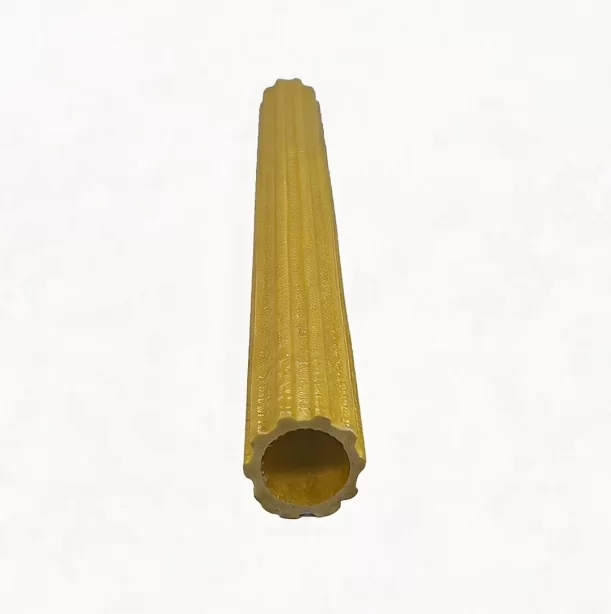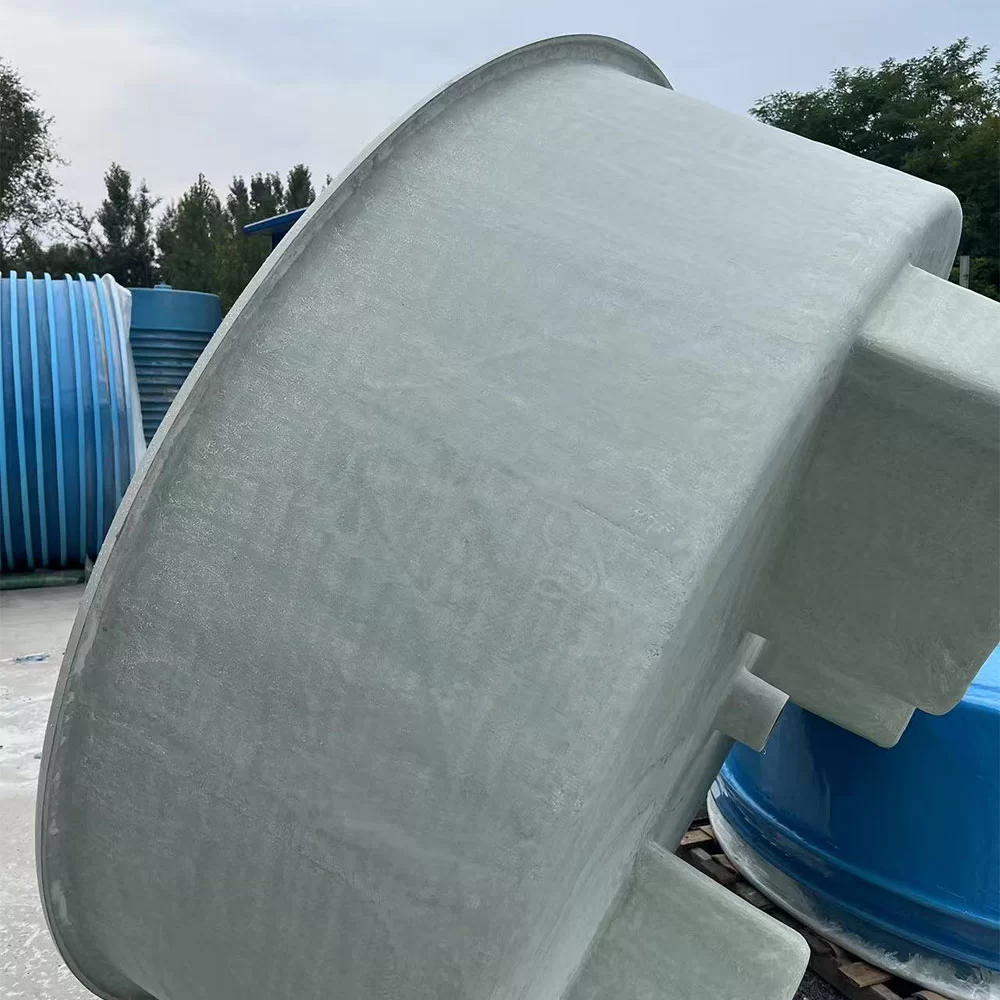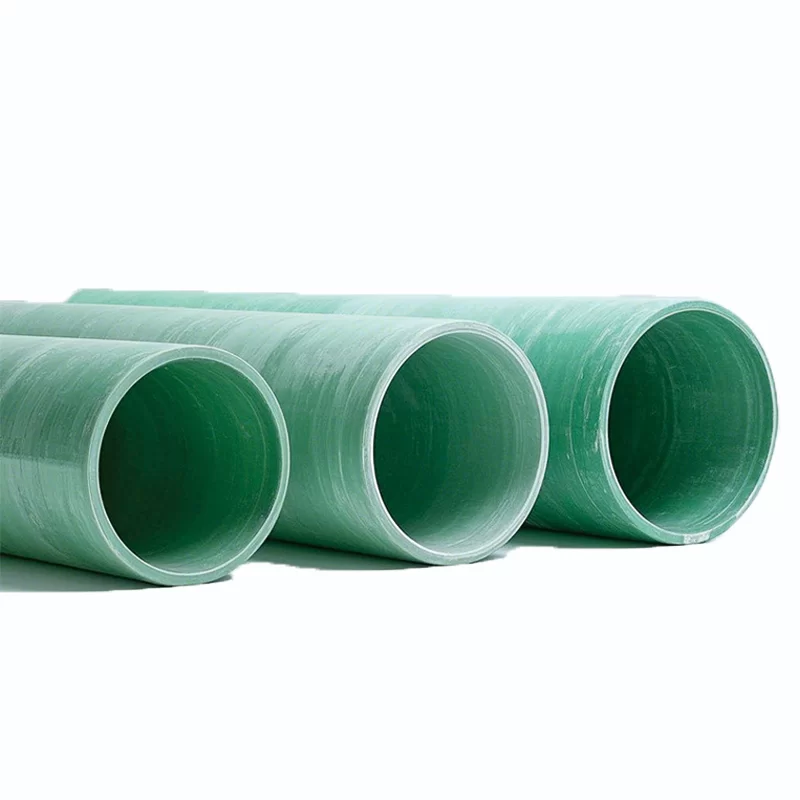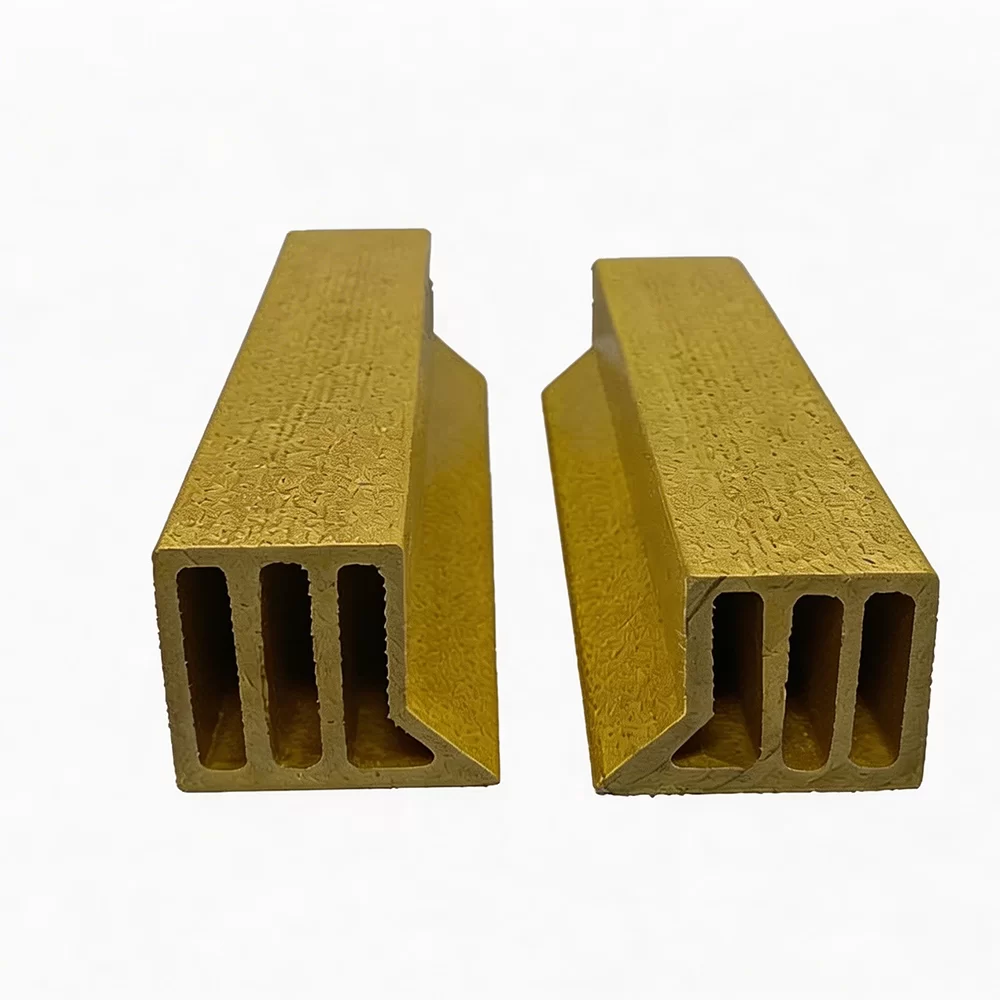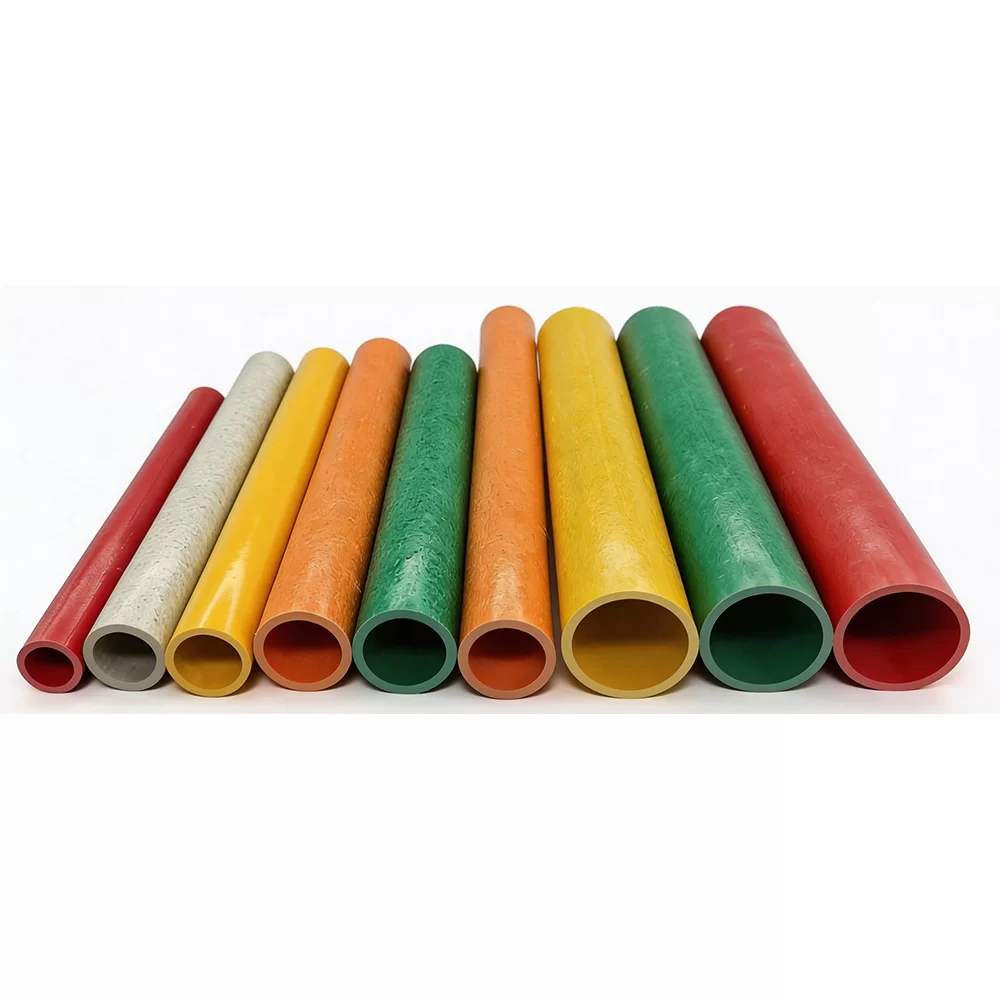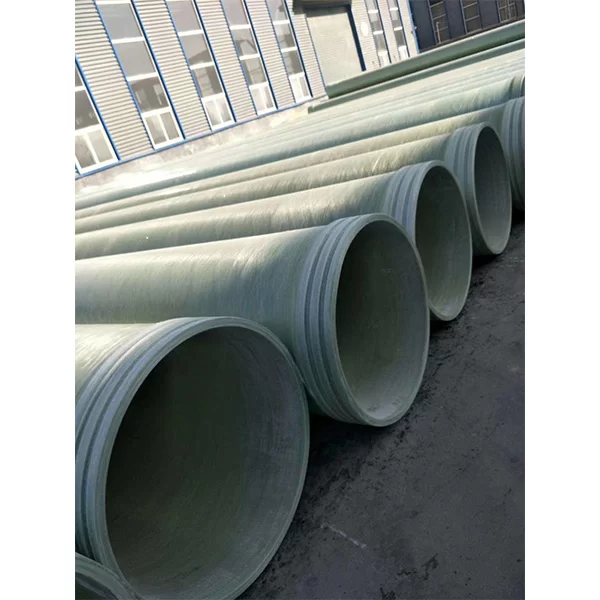
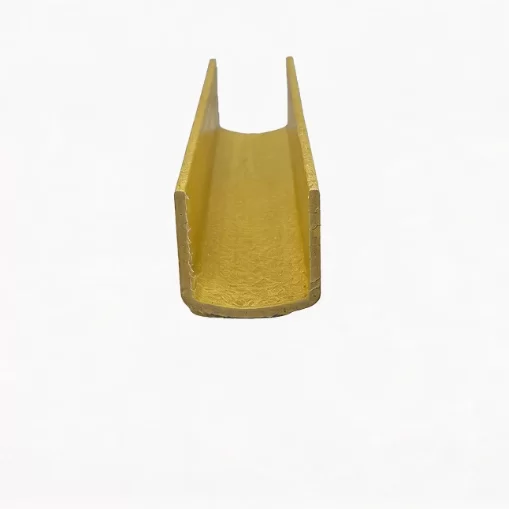
Fiberglass U Channel, also referred to as FRP U channel or pultruded fiberglass channel, is a high-performance structural profile manufactured from fiberglass reinforced plastic using the pultrusion process. Designed to deliver outstanding mechanical strength while maintaining lightweight characteristics, this composite structural component has become an essential alternative to traditional steel or aluminum channels in industries where corrosion, moisture, and chemical exposure are constant challenges.
The U-shaped configuration provides excellent load distribution and structural support, making it suitable for framing systems, support structures, reinforcement assemblies, and various industrial applications. Unlike metal channels, fiberglass U channels do not rust, corrode, or deteriorate under aggressive environmental conditions. This inherent durability significantly reduces maintenance requirements and extends service life, making it a cost-effective long-term solution.
During production, continuous glass fibers are saturated with thermosetting resin and pulled through a heated die to form a consistent cross-sectional profile. This pultrusion process ensures uniform fiber alignment along the length of the channel, optimizing tensile and flexural strength. The result is a composite structural member with predictable mechanical properties and excellent dimensional stability.
Fiberglass U channels are available in various sizes, thicknesses, and resin systems to accommodate diverse project requirements. Whether used in industrial plants, marine structures, wastewater facilities, or infrastructure developments, these composite profiles provide reliable structural performance in environments where conventional materials often fail.
Fiberglass U channels are engineered to provide a balanced combination of strength, durability, and environmental resistance. One of their most notable performance characteristics is their exceptional corrosion resistance. The composite structure, consisting of glass fiber reinforcement embedded in a chemically resistant resin matrix, prevents oxidation and electrochemical degradation. In environments where steel channels would require galvanizing or frequent repainting, fiberglass U channels maintain their integrity without additional protective coatings.
The high strength-to-weight ratio of fiberglass U channels allows them to support significant structural loads while remaining substantially lighter than steel equivalents. This reduces transportation and installation costs, simplifies handling on-site, and minimizes structural load requirements for foundations and supporting systems. Despite their lightweight nature, these composite channels demonstrate impressive flexural strength and stiffness, ensuring reliable performance under static and dynamic loads.
Thermal and electrical insulation properties further enhance their suitability in specialized applications. Because fiberglass is non-conductive, the U channel does not transmit electricity, reducing the risk of electrical hazards in power plants, substations, and industrial facilities. Its low thermal conductivity also contributes to safer operation in temperature-sensitive environments.
Environmental durability is another critical performance factor. Fiberglass U channels can be manufactured with UV inhibitors to resist degradation caused by prolonged sunlight exposure. This ensures that outdoor installations retain structural stability and surface integrity over extended periods. Additionally, the composite material exhibits excellent resistance to moisture absorption, preventing swelling, warping, or cracking.
The predictable mechanical behavior achieved through pultrusion ensures consistent quality across production batches. Engineers can rely on standardized strength characteristics when designing support systems, making fiberglass U channels a dependable structural solution.
The advantages of fiberglass U channels extend beyond corrosion resistance and lightweight performance. One of the most significant benefits is reduced life-cycle cost. While initial material costs may be comparable to coated steel, the long-term savings derived from minimal maintenance, extended service life, and reduced replacement frequency make fiberglass channels economically attractive.
Installation efficiency is another advantage. Because the material is lightweight and easy to fabricate, it can be cut, drilled, and assembled using conventional tools. This flexibility allows contractors to adapt components on-site without specialized equipment. The ease of handling also enhances worker safety, as heavy lifting is minimized compared to traditional metal structures.
Durability under harsh environmental conditions makes fiberglass U channels particularly suitable for industrial sectors where chemical exposure, humidity, and corrosive gases are prevalent. In wastewater treatment facilities, for example, hydrogen sulfide and moisture can rapidly corrode metal supports. Fiberglass channels remain unaffected, maintaining structural integrity over time.
The non-magnetic nature of fiberglass also makes it advantageous in facilities where electromagnetic interference must be minimized. Additionally, because it does not spark upon impact, fiberglass can provide added safety in potentially explosive environments.
Another advantage lies in design flexibility. Manufacturers can customize dimensions, wall thickness, and resin systems according to specific load requirements and environmental conditions. This adaptability ensures that each fiberglass U channel is optimized for its intended application.
Fiberglass U channels are widely utilized in industrial and infrastructure projects where corrosion resistance and structural reliability are critical. In chemical processing plants, they serve as support structures for pipelines, cable trays, and equipment platforms. Their ability to withstand chemical exposure without deterioration ensures stable long-term operation.
In wastewater treatment facilities, fiberglass U channels are frequently used as framing members for walkways, handrails, and structural reinforcements. Their resistance to moisture and corrosive gases makes them ideal for these challenging environments. Similarly, in marine and coastal installations, the channels perform reliably despite constant exposure to saltwater and humid air.
Power generation facilities and electrical substations benefit from the non-conductive properties of fiberglass structural channels. They can be used to support cable management systems and equipment enclosures without introducing electrical conductivity risks. In renewable energy projects, such as solar farms, fiberglass U channels are often employed in support frameworks due to their durability and low maintenance requirements.
Infrastructure projects also incorporate fiberglass U channels in pedestrian bridges, industrial flooring systems, and modular construction assemblies. Their lightweight nature simplifies transportation to remote locations, while their strength ensures dependable structural support.
In industrial manufacturing environments, fiberglass channels are used for machine frames, assembly lines, and structural reinforcements. Their dimensional stability and resistance to vibration fatigue contribute to consistent performance over time.
Apr. 27, 2026
Benefits of Durable Concrete Fiberglass Rebar for Infrastructure
Apr. 24, 2026
High Strength and Corrosion Resistant glass fibre reinforcement bars
Apr. 23, 2026
Reliable frp walkway manufacturer for Industrial Flooring Solutions
Apr. 22, 2026
Sustainable Construction with High Strength gfrp rebars Guide

Apr. 17, 2026
Advantages and Applications of High Strength Glass Rebar
Apr. 16, 2026
The Ultimate Guide to GFRP Rebars for Modern Construction
Looking for Reliable Frp Solutions?