Modern infrastructure is evolving under the pressure of urban expansion, environmental stress, and increasing performance expectations. Bridges, highways, tunnels, marine structures, water systems, and industrial facilities must withstand heavier loads, more aggressive environmental exposure, and longer service life requirements than ever before. Traditional reinforcement materials such as steel have supported infrastructure development for decades, yet corrosion, weight, and maintenance challenges continue to limit long-term efficiency.
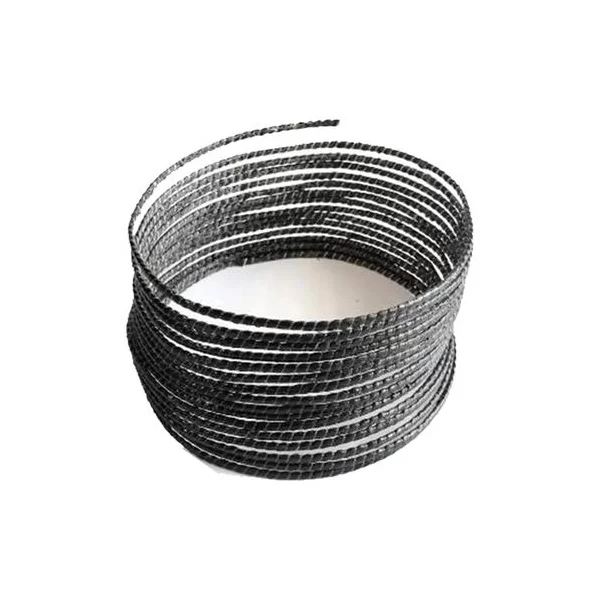
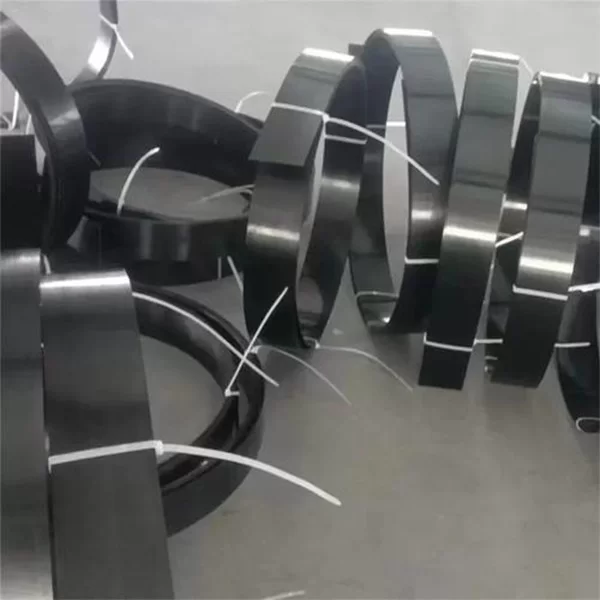
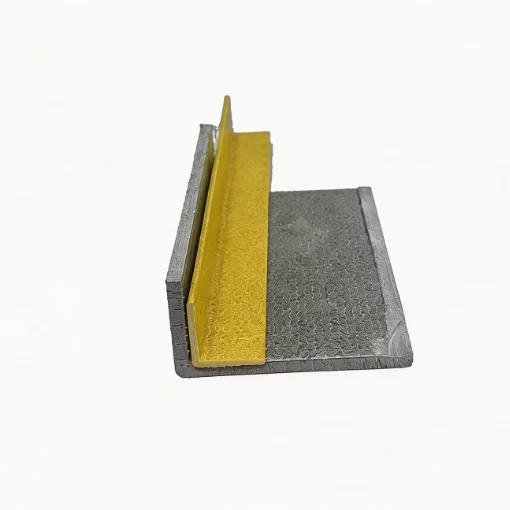
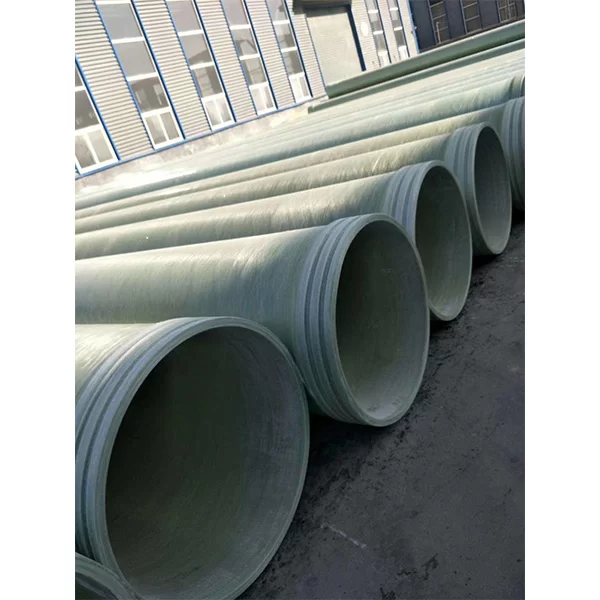
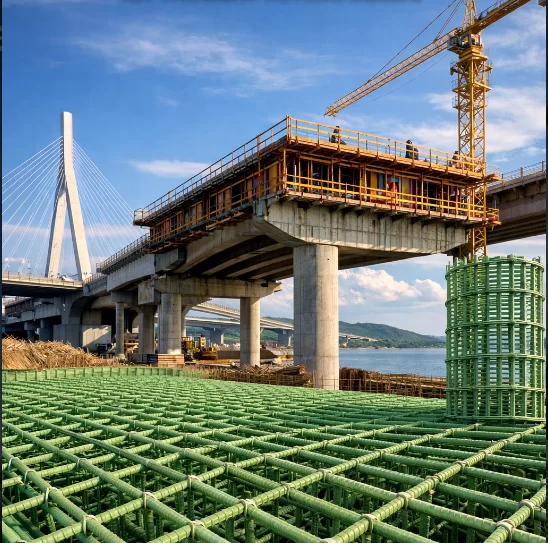
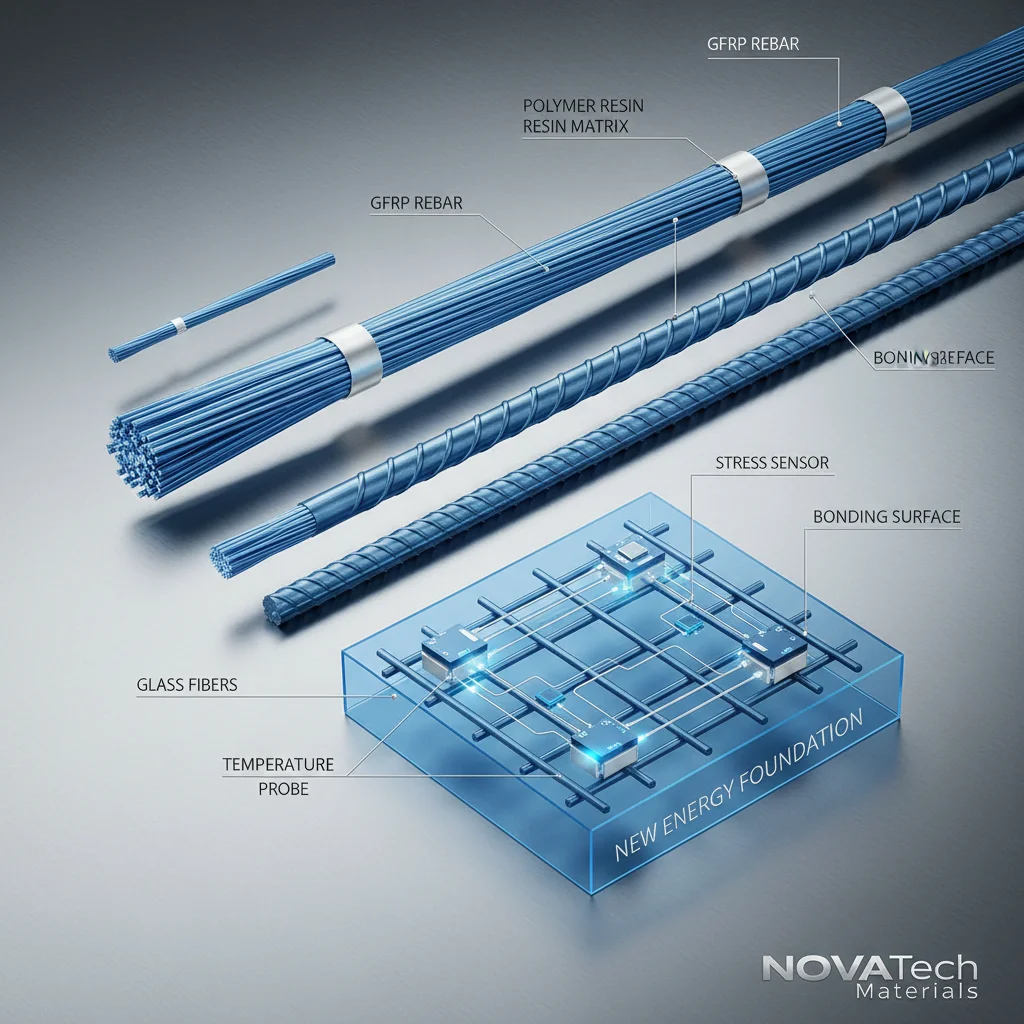
Fiberglass reinforcement systems for modern infrastructure present a forward-looking alternative designed to overcome these limitations. By combining high-strength glass fibers with advanced resin matrices, fiberglass composites create reinforcement solutions that offer durability, corrosion resistance, and structural reliability in demanding environments. As infrastructure investment shifts toward sustainability and lifecycle performance, fiberglass reinforcement systems are becoming an essential component of contemporary engineering design.
Corrosion Resistance in Fiberglass Reinforcement Systems for Modern Infrastructure
Corrosion is one of the most significant causes of infrastructure deterioration worldwide. Chloride penetration in coastal bridges, de-icing salts on highways, and chemical exposure in industrial zones all contribute to reinforcement degradation. Once corrosion begins, structural performance declines and repair costs escalate.
Fiberglass reinforcement systems for modern infrastructure eliminate this vulnerability at the material level. Unlike steel, fiberglass composites do not rust or oxidize. Their resistance to moisture and chemical attack ensures consistent mechanical performance over extended periods. By preventing corrosion-induced expansion within concrete, fiberglass reinforcement helps preserve structural integrity and extend service life. This advantage is particularly valuable in marine environments, wastewater facilities, and transportation infrastructure exposed to harsh conditions.
High Strength-to-Weight Performance in Structural Applications
Infrastructure projects often require materials that balance strength with efficiency. Heavy reinforcement increases transportation costs and complicates installation, especially in elevated or remote construction sites.
Fiberglass reinforcement systems offer a high strength-to-weight ratio that supports structural demands while reducing overall mass. The lighter weight simplifies handling and placement during construction, improving worker safety and installation speed. Despite being significantly lighter than steel, fiberglass reinforcement delivers substantial tensile strength and dimensional stability. This performance combination enhances design flexibility and allows engineers to optimize structural efficiency without compromising durability.
Durability in Aggressive Environmental Conditions
Modern infrastructure frequently operates in environments where humidity, temperature fluctuation, and chemical exposure are unavoidable. Coastal bridges endure salt-laden air. Industrial structures encounter acidic emissions. Underground tunnels remain in constant contact with groundwater.
Fiberglass composites demonstrate excellent resistance to environmental degradation. Their stability under moisture exposure reduces the risk of internal structural weakening. Because they are non-corrosive, fiberglass reinforcement systems maintain consistent mechanical properties even in chemically active surroundings. This durability minimizes maintenance cycles and supports long-term infrastructure resilience in challenging climates.
Compatibility with Concrete and Composite Construction
Reinforcement materials must integrate seamlessly with concrete and other structural components. Bond performance, thermal expansion characteristics, and load transfer behavior are critical considerations in design.
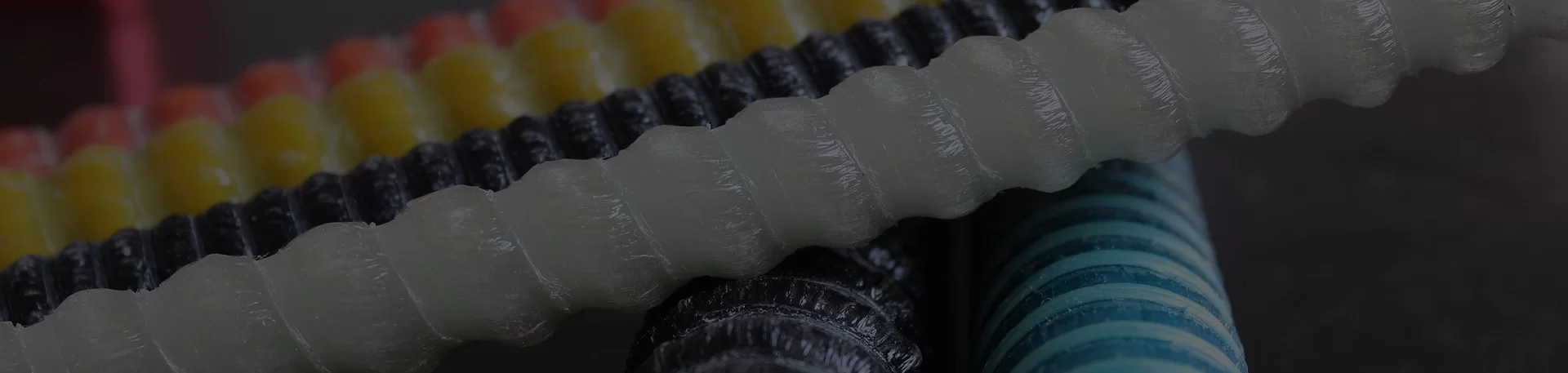
Fiberglass reinforcement systems are engineered to provide effective bonding with concrete matrices. Surface treatments and profiling enhance mechanical interlock, ensuring reliable stress distribution. Additionally, the material’s thermal expansion properties are compatible with concrete in many applications, reducing internal stress caused by temperature variation. This compatibility enables composite reinforcement to perform effectively in bridges, retaining walls, foundations, and precast elements.
Electrical and Magnetic Neutrality in Specialized Projects
Certain infrastructure projects require materials that do not interfere with electromagnetic systems. Hospitals, research facilities, transportation systems, and power installations may demand reinforcement solutions that avoid magnetic disturbance or electrical conductivity.
Fiberglass reinforcement systems offer inherent electrical insulation and magnetic neutrality. This characteristic makes them suitable for projects where traditional metallic reinforcement could create interference. By combining structural reliability with non-conductive properties, fiberglass composites expand design possibilities in technologically sensitive environments.
Installation Efficiency and Construction Flexibility
Infrastructure construction often operates under tight schedules and logistical constraints. Materials that simplify installation contribute directly to project efficiency and cost control.
The reduced weight of fiberglass reinforcement systems facilitates transportation and on-site handling. Cutting and placement can be performed with greater ease compared to heavier metallic alternatives. In prefabricated construction, composite reinforcement supports modular approaches that accelerate assembly. These practical advantages enhance productivity while maintaining structural integrity.
Lifecycle Performance and Economic Sustainability
Infrastructure investment must consider not only initial construction costs but also long-term maintenance and repair expenditure. Corrosion-related deterioration in reinforced concrete structures frequently leads to costly rehabilitation programs.
Fiberglass reinforcement systems reduce lifecycle costs by eliminating corrosion-driven damage. Structures reinforced with composite materials require fewer repairs related to rust expansion and cracking. The predictable performance of fiberglass reinforcement supports long-term budgeting and asset management strategies. Over extended service periods, the reduction in maintenance intervention can significantly enhance economic sustainability for public and private infrastructure projects.
Environmental Responsibility in Infrastructure Development
Sustainable construction practices are becoming central to infrastructure planning. Durable materials that extend service life reduce resource consumption and minimize environmental impact.
Fiberglass reinforcement contributes to sustainability through longevity and reduced maintenance requirements. By preventing premature deterioration, composite reinforcement lowers the frequency of reconstruction and associated material waste. The lighter weight of fiberglass products also reduces transportation energy during construction. These characteristics align with global efforts to build resilient and environmentally responsible infrastructure systems.
Apr. 27, 2026
Benefits of Durable Concrete Fiberglass Rebar for Infrastructure
Apr. 24, 2026
High Strength and Corrosion Resistant glass fibre reinforcement bars
Apr. 23, 2026
Reliable frp walkway manufacturer for Industrial Flooring Solutions
Apr. 22, 2026
Sustainable Construction with High Strength gfrp rebars Guide

Apr. 17, 2026
Advantages and Applications of High Strength Glass Rebar
Apr. 16, 2026
The Ultimate Guide to GFRP Rebars for Modern Construction
Looking for Reliable Frp Solutions?