Chemical processing plants operate in environments where materials are constantly exposed to aggressive media, elevated temperatures, pressure fluctuations, and continuous mechanical stress. Acids, alkalis, solvents, and reactive compounds move through complex pipeline networks that must remain structurally sound and chemically stable at all times. Any failure within these systems can disrupt production, compromise safety, and generate significant financial losses.
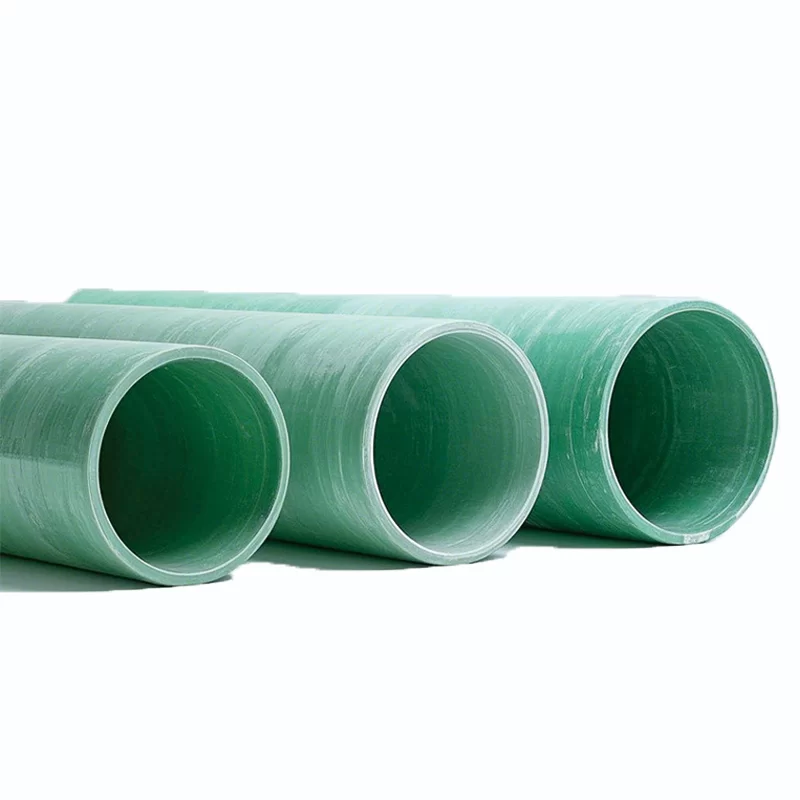
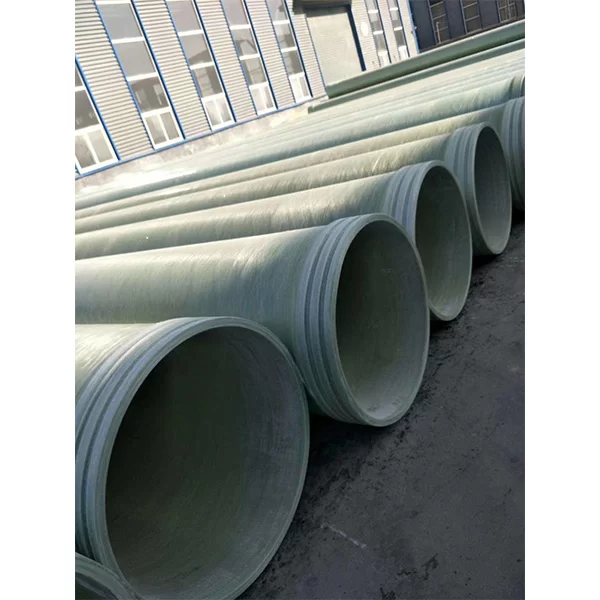
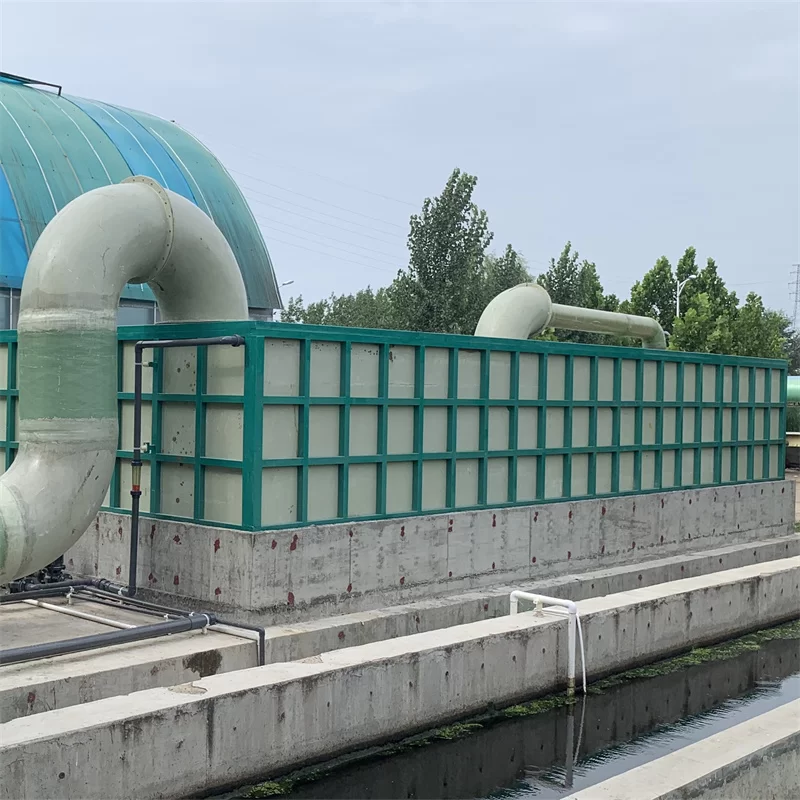
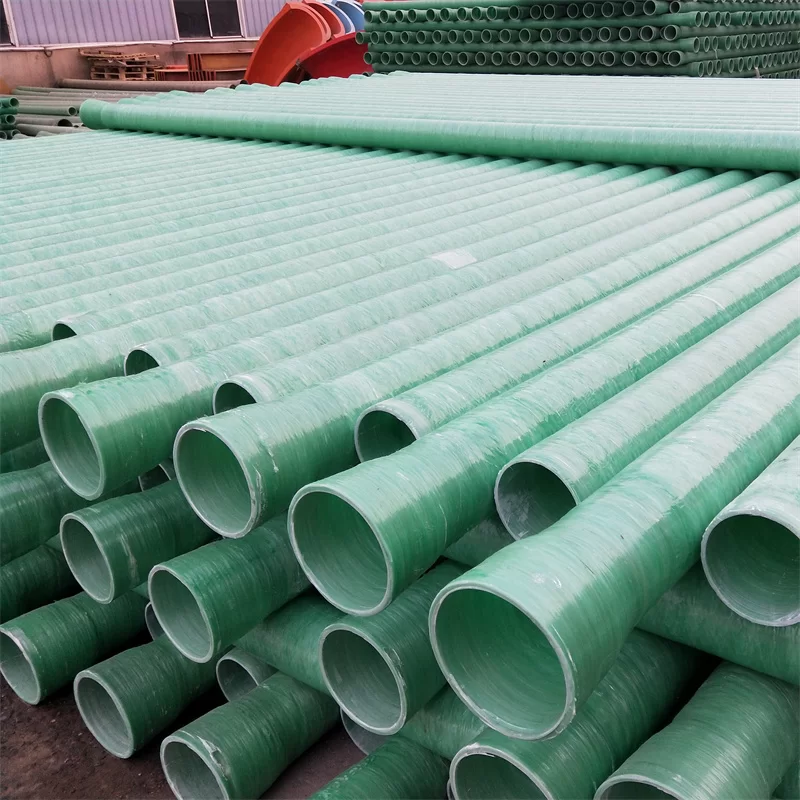
In this demanding industrial context, fiberglass piping systems for chemical processing plants provide a reliable and technically advanced solution. By combining high-strength glass fibers with chemically resistant resin matrices, fiberglass reinforced plastic offers a composite structure engineered specifically for corrosive and high-performance environments. As industries continue to prioritize durability, safety, and lifecycle efficiency, composite piping systems are becoming a strategic material choice in modern chemical facilities.
The Demands of Chemical Processing Environments
Chemical production environments expose piping infrastructure to conditions that exceed the capabilities of many conventional materials. Process fluids may contain highly corrosive substances capable of attacking steel surfaces and degrading concrete structures. Temperature variations and internal pressure changes add additional stress, while outdoor installations must withstand ultraviolet exposure and weather-related impacts.
These combined factors create a setting where material reliability is critical. Frequent maintenance shutdowns not only interrupt production but also increase operational costs and safety risks. Chemical facilities therefore require piping systems that can maintain consistent performance under continuous exposure to aggressive media without extensive protective measures.
Corrosion Resistance in Fiberglass Piping Systems for Chemical Processing Plants
Corrosion remains one of the primary causes of pipeline failure in chemical plants. Metallic piping, even when coated, is susceptible to rust, pitting, and chemical attack over time. Protective linings may degrade, exposing the base material to direct contact with corrosive fluids.
Fiberglass piping systems for chemical processing plants address corrosion at the material level. The composite structure does not oxidize, and carefully selected resin systems can be tailored to resist specific chemical environments. Whether transporting acidic solutions, alkaline mixtures, or solvent-based compounds, fiberglass piping maintains structural integrity without surface deterioration. This intrinsic corrosion resistance reduces maintenance frequency and enhances long-term operational stability.
Structural Strength and Mechanical Reliability
Chemical plants require piping networks that can withstand internal pressure, external loads, vibration from nearby equipment, and thermal expansion. Structural weakness or deformation can lead to leakage, misalignment, or catastrophic failure.
Fiberglass composites provide an optimal balance between strength and weight. The high strength-to-weight ratio allows piping systems to handle demanding mechanical conditions while remaining lighter than traditional metallic alternatives. This reduced weight decreases structural support requirements and simplifies installation. Despite being lightweight, properly engineered fiberglass piping systems maintain dimensional stability and mechanical performance under dynamic operating conditions, ensuring consistent reliability throughout their service life.
Thermal and Chemical Stability in Process Applications
Chemical processing often involves temperature variations that can strain conventional materials. Repeated heating and cooling cycles may lead to fatigue, expansion-related stress, or cracking.
Fiberglass piping systems are designed to accommodate these variations through controlled resin selection and structural design. The composite material offers stable performance across a wide range of operating conditions. Its resistance to chemical permeation and degradation further enhances system reliability. In processes where fluid composition may change or multiple chemicals are transported through interconnected networks, the adaptability of fiberglass piping becomes particularly valuable.
Installation Advantages in Complex Plant Layouts
Chemical processing plants often involve intricate layouts with limited installation space and multiple interconnected systems. Heavy metallic piping can complicate transportation, positioning, and alignment during construction or expansion projects.
The lightweight nature of fiberglass piping systems simplifies installation procedures. Prefabricated sections can be transported and assembled with greater ease, reducing the need for extensive heavy lifting equipment. This installation efficiency minimizes disruption during plant upgrades or retrofits. For facilities seeking to expand capacity or modernize infrastructure without prolonged downtime, composite piping solutions offer a practical advantage.
Safety and Risk Reduction in Chemical Facilities
Safety remains a top priority in chemical processing environments. Leaks or structural failures in piping systems can result in hazardous exposure, environmental contamination, and operational shutdowns. Material reliability is therefore directly connected to plant safety standards.
Fiberglass piping systems for chemical processing plants contribute to risk reduction through predictable performance and corrosion resistance. The absence of rust-related weakening reduces the likelihood of sudden structural compromise. Additionally, composite materials are non-conductive, which can provide benefits in specific applications where electrical isolation is desirable. By maintaining structural integrity over extended periods, fiberglass piping enhances overall plant safety.
Custom Engineering for Specialized Chemical Processes
Chemical plants vary widely in scale, process type, and operational requirements. Standardized solutions may not always meet the specific demands of unique production systems. Flexibility in design and manufacturing is therefore essential.
Fiberglass piping systems can be custom-engineered to match exact dimensional specifications and performance criteria. Advanced manufacturing techniques such as filament winding allow for precise control over wall thickness, pressure rating, and mechanical strength. Resin formulations can be selected based on the chemical composition of transported fluids. This level of customization ensures that the piping system aligns with the technical requirements of each individual process, improving overall system integration.
Long-Term Economic Value and Lifecycle Performance
While initial procurement cost is an important consideration, the total cost of ownership ultimately determines the value of a piping system. Frequent repairs, protective recoating, and premature replacement significantly increase lifecycle expenses.
Fiberglass piping systems provide long-term economic advantages by minimizing corrosion-related maintenance. The material’s durability reduces the frequency of shutdowns required for inspection and repair. Predictable performance allows plant operators to plan maintenance schedules more effectively. Over time, these factors contribute to improved cost efficiency and operational continuity in chemical processing facilities.
Apr. 27, 2026
Benefits of Durable Concrete Fiberglass Rebar for Infrastructure
Apr. 24, 2026
High Strength and Corrosion Resistant glass fibre reinforcement bars
Apr. 23, 2026
Reliable frp walkway manufacturer for Industrial Flooring Solutions
Apr. 22, 2026
Sustainable Construction with High Strength gfrp rebars Guide
Apr. 17, 2026
Advantages and Applications of High Strength Glass Rebar
Apr. 16, 2026
The Ultimate Guide to GFRP Rebars for Modern Construction
Looking for Reliable Frp Solutions?