Mining operations take place in some of the harshest industrial environments. Equipment and infrastructure are continuously exposed to abrasive slurries, chemically aggressive liquids, fluctuating temperatures, heavy mechanical loads, and high humidity. Whether in open-pit mines, underground shafts, mineral processing plants, or tailings management systems, materials must withstand constant stress without failure.
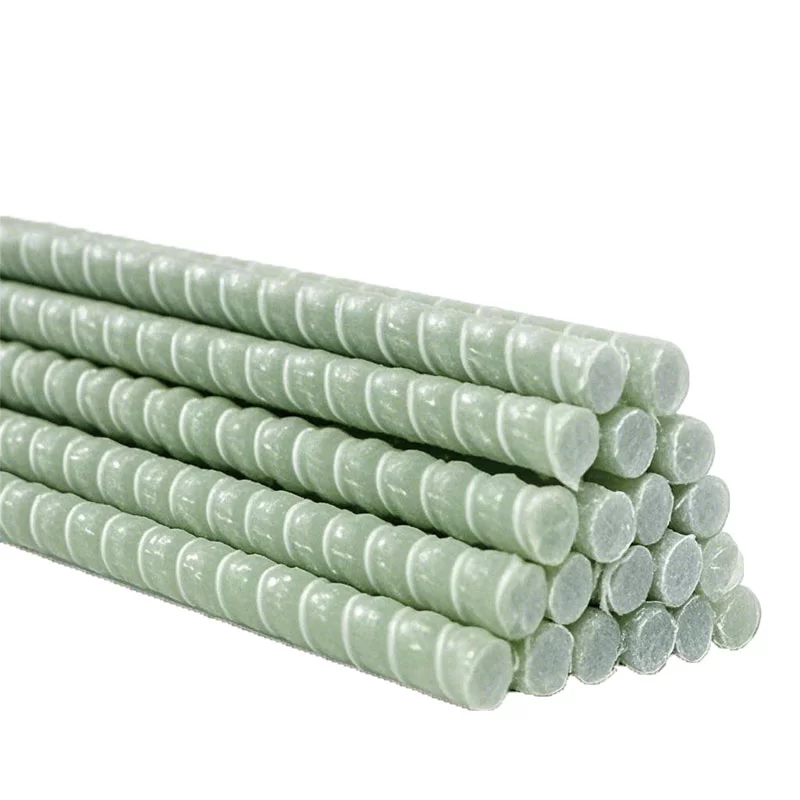
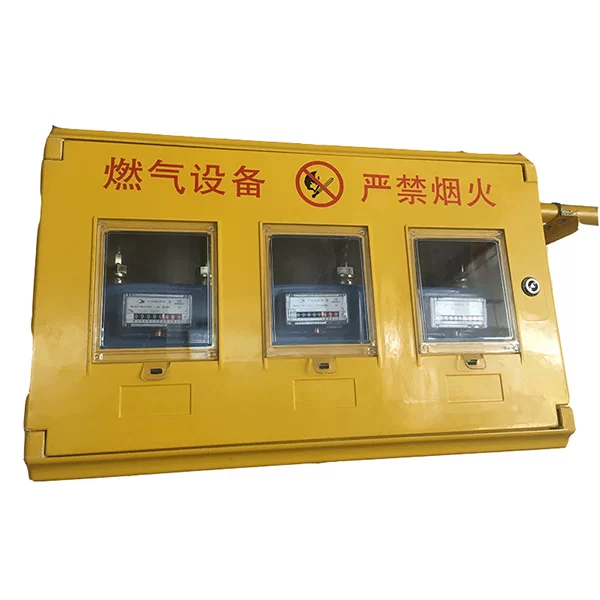
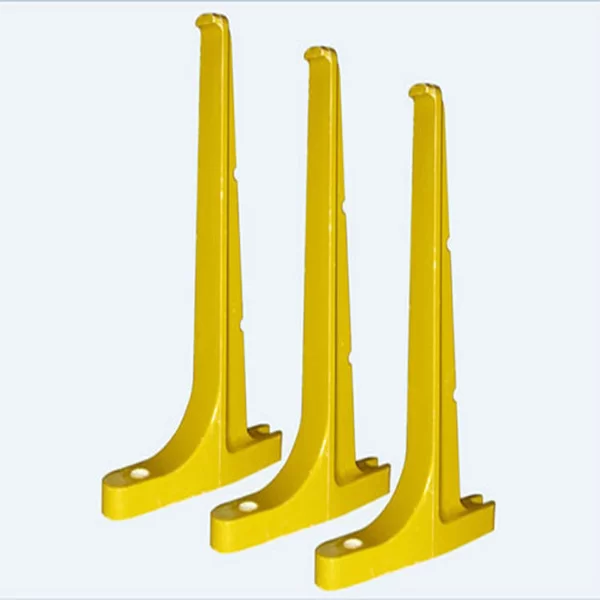
Corrosion-resistant FRP products for mining operations provide a durable and performance-driven solution to these challenges. Fiberglass reinforced plastic combines high-strength glass fibers with chemically resistant resin systems, forming composite structures capable of enduring aggressive mining conditions. As the industry seeks improved safety, reduced maintenance, and longer asset life, FRP has become an increasingly important material in modern mining infrastructure.
The Harsh Environmental Conditions in Mining Facilities
Mining environments are inherently corrosive and abrasive. Slurry pipelines transport mineral-rich mixtures containing sand, rock particles, and chemically reactive compounds. Process water may include acidic or alkaline elements depending on the extraction method. Underground installations face persistent moisture and soil movement, while above-ground structures endure ultraviolet exposure and weather extremes.
Traditional materials such as carbon steel and concrete often degrade under these conditions. Steel components may suffer from pitting, rust, and structural thinning. Concrete surfaces can crack or chemically deteriorate when exposed to acidic effluents. These failures not only interrupt operations but also increase safety risks and maintenance costs. Mining operators therefore require materials that deliver long-term resilience in both mechanical and chemical performance.
Corrosion Resistance in FRP Products for Mining Operations
Corrosion remains one of the primary causes of infrastructure failure in mining facilities. The combination of water, oxygen, and aggressive chemicals accelerates degradation in metallic systems. Protective coatings may provide temporary defense, but over time they can crack or peel, exposing the base material to direct attack.
Corrosion-resistant FRP products for mining operations address this issue at the structural level. The composite material does not oxidize like steel and can be engineered with resin systems tailored to specific chemical exposures. Whether handling acidic leach solutions or alkaline process water, FRP maintains structural integrity without surface deterioration. This inherent resistance significantly reduces the frequency of repairs and extends operational reliability.
Performance in Slurry Transport and Abrasive Applications
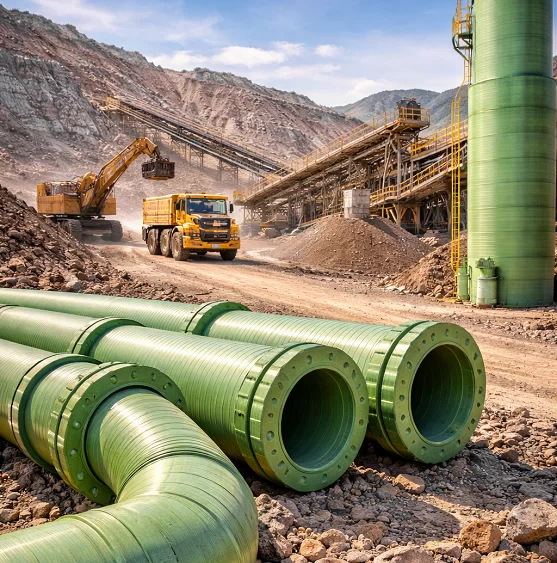
Slurry transport is central to many mining processes. Pipelines carry dense mixtures of water and mineral particles over long distances. These mixtures create both chemical and mechanical stress, as abrasive particles gradually wear down internal pipe surfaces.
FRP piping systems designed for mining operations offer smooth internal surfaces combined with structural reinforcement capable of resisting abrasion. While no material is entirely immune to wear, composite structures can be engineered with enhanced liners and optimized wall thickness to improve durability in slurry conditions. The result is consistent flow performance and reduced risk of leakage or rupture in demanding transport systems.
Chemical Stability in Mineral Processing Plants
Mineral processing often involves chemical treatments such as flotation, leaching, or solvent extraction. These processes generate fluids that can be highly reactive. Storage tanks, ducting systems, and containment structures must maintain integrity despite continuous exposure to aggressive substances.
FRP products used in mining operations provide chemical stability that supports safe processing. Composite tanks and piping systems resist degradation when exposed to acidic or alkaline solutions. Unlike metallic structures that require repeated protective treatment, FRP maintains consistent performance without corrosion-related weakening. This stability reduces the likelihood of leaks that could compromise environmental compliance or worker safety.
Enhancing Safety Through Material Reliability
Safety is a central concern in mining operations. Structural failure within pipelines or containment systems can result in hazardous leaks, equipment damage, or operational shutdowns. Ensuring consistent material performance under extreme conditions is critical to maintaining a safe work environment.
Corrosion-resistant FRP products contribute to safety by minimizing degradation-related risks. The absence of rust-induced thinning reduces the probability of sudden rupture. Composite materials are also non-conductive, which may offer additional benefits in environments where electrical isolation is important. By delivering predictable and stable performance, FRP systems support safer mining infrastructure.
Lifecycle Efficiency and Cost Control in Mining Projects
Mining investments require careful cost management over extended operational periods. Infrastructure materials that demand frequent maintenance or early replacement increase total project expenditure.
FRP products offer long-term value through reduced maintenance requirements and extended service life. Corrosion resistance lowers the need for protective recoating and structural repairs. Dimensional stability minimizes unexpected downtime due to material failure. Over time, these characteristics contribute to improved asset management and more predictable budgeting for mining operators.
Environmental Responsibility and Containment Integrity
Mining activities are closely monitored for environmental compliance. Leakage of process fluids or tailings can have serious ecological consequences. Infrastructure materials must therefore ensure reliable containment under continuous stress.
FRP systems provide strong resistance to chemical attack and structural degradation, helping maintain containment integrity. By reducing corrosion-related leakage risks, composite materials support environmental protection objectives. As sustainability considerations become increasingly integrated into mining operations, durable materials that prevent contamination play a vital role in responsible resource development.
The Future of Composite Materials in Mining Infrastructure
Mining technology continues to evolve, incorporating automation, improved processing methods, and stricter environmental standards. Infrastructure materials must keep pace with these advancements.
Corrosion-resistant FRP products for mining operations are positioned to support the future of the industry. Advances in resin technology and manufacturing precision continue to enhance mechanical strength, abrasion resistance, and chemical durability. As operators seek resilient materials capable of enduring extreme conditions while controlling lifecycle costs, fiberglass composites offer a forward-looking solution.
By addressing corrosion, abrasion, structural stress, and environmental exposure simultaneously, FRP products provide comprehensive performance benefits in mining applications. In an industry defined by demanding conditions and long operational timelines, corrosion-resistant composite systems stand as a reliable foundation for modern mining infrastructure.
Apr. 27, 2026
Benefits of Durable Concrete Fiberglass Rebar for Infrastructure
Apr. 24, 2026
High Strength and Corrosion Resistant glass fibre reinforcement bars
Apr. 23, 2026
Reliable frp walkway manufacturer for Industrial Flooring Solutions
Apr. 22, 2026
Sustainable Construction with High Strength gfrp rebars Guide

Apr. 17, 2026
Advantages and Applications of High Strength Glass Rebar
Apr. 16, 2026
The Ultimate Guide to GFRP Rebars for Modern Construction
Looking for Reliable Frp Solutions?