FRP Grating, also known as fiberglass grating or fiberglass reinforced plastic grating, is a high-performance composite flooring solution designed for industrial, commercial, and infrastructure environments where corrosion resistance, safety, and durability are essential. Manufactured from fiberglass reinforcements embedded in a thermosetting resin matrix, FRP grating provides exceptional strength, lightweight performance, and long-term resistance to chemical and environmental exposure.
Unlike traditional steel or aluminum grating, FRP grating does not rust, corrode, or degrade when exposed to moisture, chemicals, or harsh weather conditions. This makes it an ideal solution for wastewater treatment plants, chemical facilities, marine environments, power stations, and food processing plants.
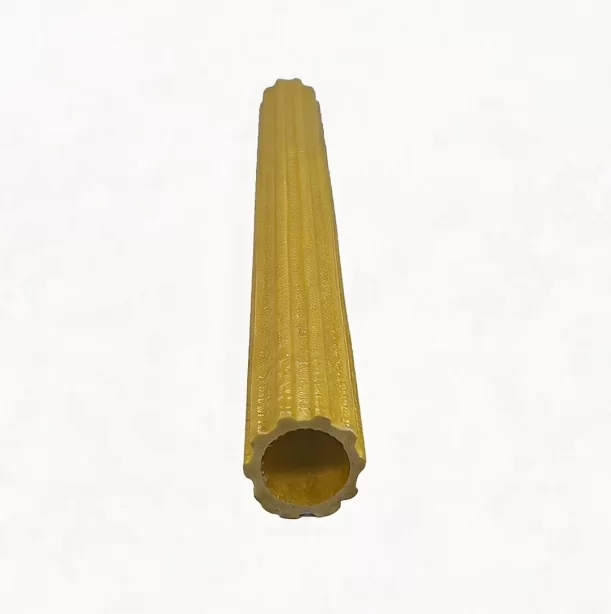
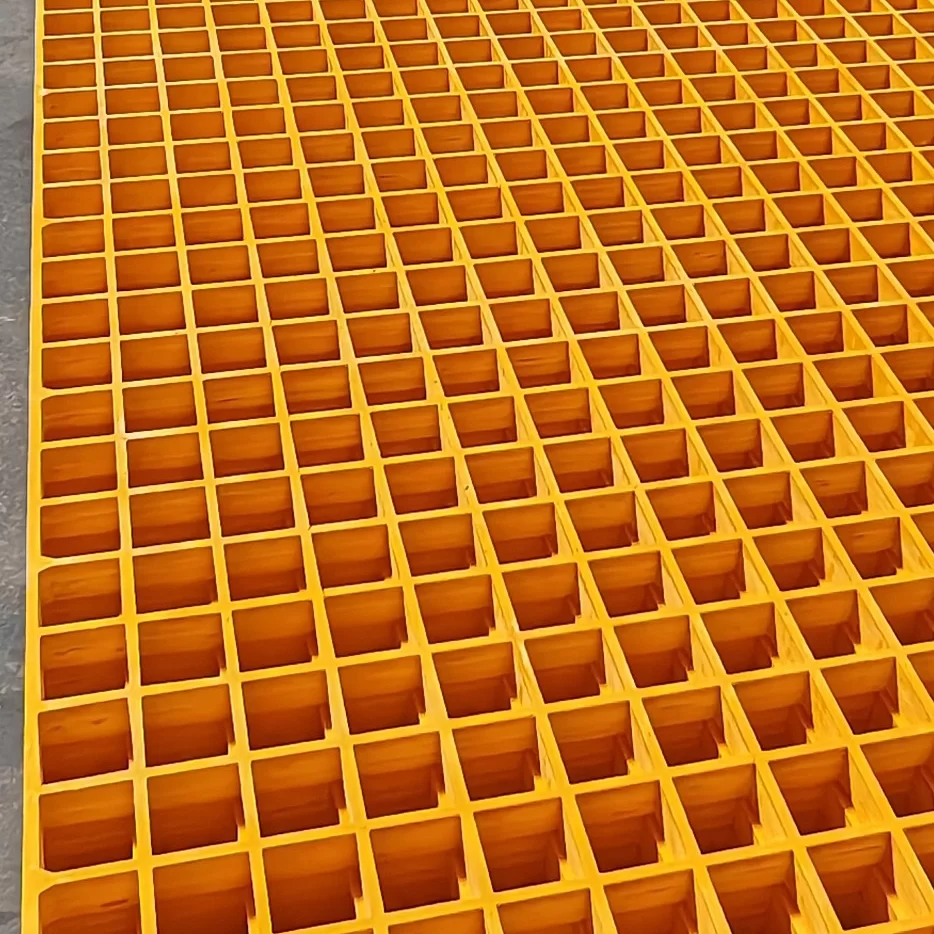
FRP grating is available in two main types: molded FRP grating and pultruded FRP grating. Molded grating offers bi-directional strength and excellent impact resistance, while pultruded grating provides high unidirectional load-bearing capacity for heavy-duty structural applications.
With its combination of structural reliability, anti-slip surface options, and low maintenance requirements, FRP grating has become a preferred alternative to metal grating systems in demanding industrial settings.
1. Outstanding Corrosion Resistance
FRP grating is engineered to withstand exposure to corrosive chemicals, saltwater, acidic and alkaline environments, and industrial fumes. The resin system—such as polyester, vinyl ester, or phenolic—can be selected based on the specific chemical exposure conditions.
This corrosion resistance eliminates the need for galvanizing, painting, or protective coatings, significantly reducing long-term maintenance costs.
2. High Strength-to-Weight Ratio
Fiberglass grating provides impressive mechanical strength while remaining substantially lighter than steel grating. This high strength-to-weight ratio simplifies transportation and installation, reduces structural load requirements, and lowers overall project costs.
Pultruded FRP grating, in particular, offers excellent span capability and load-bearing performance for heavy-duty industrial applications.
3. Impact and Fatigue Resistance
FRP grating demonstrates excellent impact resistance and durability under repeated loading conditions. It does not dent or permanently deform under normal operational stresses, ensuring long-term structural stability.
4. Non-Conductive and Non-Magnetic
Fiberglass grating is electrically non-conductive and non-magnetic, making it ideal for electrical substations, power plants, and facilities where conductivity poses a safety risk. It also offers low thermal conductivity, enhancing user safety in temperature-sensitive environments.
5. UV and Weather Resistance
For outdoor installations, UV inhibitors can be incorporated into the resin system to prevent degradation caused by prolonged sun exposure. FRP grating maintains structural integrity and appearance even in harsh climates.
6. Fire Retardant Options
Fire-retardant resin systems can be used to meet specific flame spread and smoke development requirements. This enhances safety in industrial and public infrastructure projects.
1. Anti-Slip Surface Design
Safety is a primary advantage of FRP grating. The molded surface typically features a concave or grit-coated anti-slip finish that provides excellent traction even in wet, oily, or icy conditions. This significantly reduces the risk of slips and falls in industrial workplaces.
For environments requiring enhanced slip resistance, bonded grit surfaces are available.
2. Corrosion-Free Structural Integrity
Rusting steel grating can weaken over time, creating hidden structural hazards. FRP grating maintains its strength without corrosion-related degradation, ensuring consistent safety performance throughout its service life.
3. Electrical Insulation
Because FRP grating is non-conductive, it reduces the risk of electrical shock in areas with exposed wiring or electrical equipment. This makes it particularly suitable for substations and electrical maintenance platforms.
4. Lightweight for Safer Handling
The lightweight nature of fiberglass grating allows easier manual handling during installation and maintenance, reducing workplace injury risks associated with heavy lifting.
5. High Visibility Options
FRP grating can be manufactured in bright safety colors such as yellow or orange, improving visibility in industrial environments and enhancing workplace safety compliance.
FRP grating is widely used across various industries where corrosion resistance and safety are critical.
1. Wastewater Treatment Plants
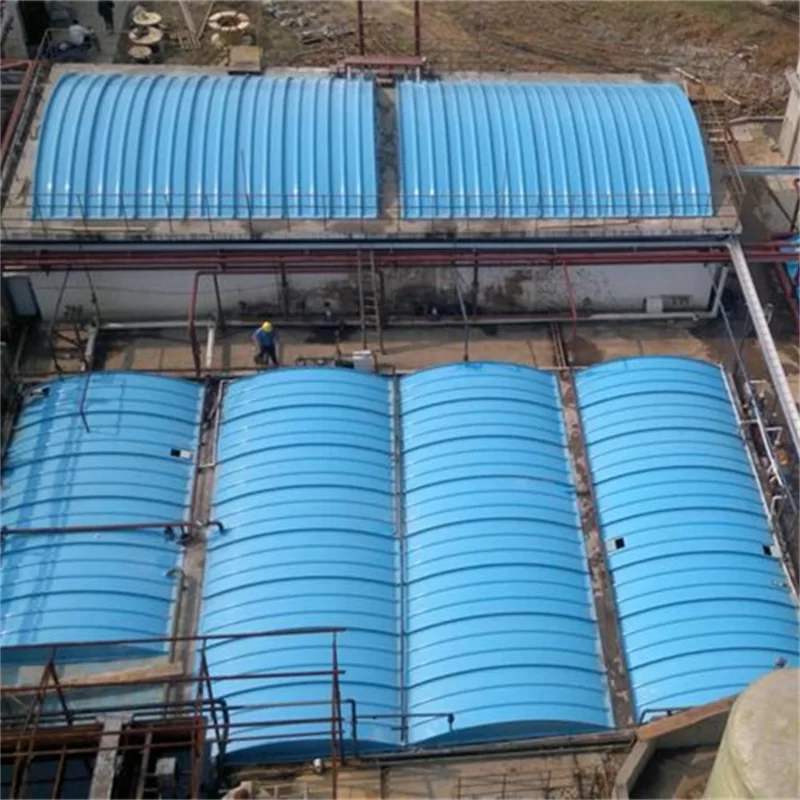
In wastewater facilities, constant exposure to moisture and corrosive gases can rapidly deteriorate metal flooring. FRP grating provides durable, corrosion-resistant walkways, platforms, and trench covers.
2. Chemical Processing Plants
Chemical plants require flooring systems capable of resisting aggressive chemicals and spills. Fiberglass grating ensures long-term structural integrity in these harsh conditions.
3. Marine and Offshore Environments
Saltwater exposure accelerates metal corrosion. FRP grating is ideal for docks, piers, offshore platforms, and shipboard applications due to its resistance to salt-induced degradation.
4. Power Generation Facilities
In substations and power plants, non-conductive FRP grating enhances electrical safety while providing strong structural support for platforms and maintenance walkways.
5. Food and Beverage Processing
Fiberglass grating is suitable for hygienic environments where resistance to moisture and cleaning chemicals is required. Its non-porous surface helps maintain sanitation standards.
6. Oil and Gas Industry
FRP grating is used in refineries and processing plants where exposure to corrosive chemicals and harsh environmental conditions is common.
7. Infrastructure and Public Facilities
Pedestrian bridges, stair treads, trench covers, and industrial stair systems benefit from the durability and safety features of composite grating systems.
Molded FRP Grating
Manufactured by placing continuous fiberglass rovings in a mold and saturating them with resin, molded grating provides bi-directional strength and excellent impact resistance. It is suitable for general industrial flooring and walkway applications.
Pultruded FRP Grating
Produced through the pultrusion process, this type offers higher load-bearing capacity in the primary span direction. It is ideal for heavy-duty structural applications where long spans are required.
Manufacturing and Quality Control
Our FRP grating products are manufactured using advanced composite production techniques and strict quality control standards. Each batch undergoes inspection for:
Dimensional accuracy
Mechanical strength
Resin curing consistency
Surface finish quality
Load testing and safety evaluations are conducted to ensure compliance with industrial standards and project specifications.
Apr. 27, 2026
Benefits of Durable Concrete Fiberglass Rebar for Infrastructure

Apr. 24, 2026
High Strength and Corrosion Resistant glass fibre reinforcement bars
Apr. 23, 2026
Reliable frp walkway manufacturer for Industrial Flooring Solutions
Apr. 22, 2026
Sustainable Construction with High Strength gfrp rebars Guide

Apr. 17, 2026
Advantages and Applications of High Strength Glass Rebar
Apr. 16, 2026
The Ultimate Guide to GFRP Rebars for Modern Construction
Looking for Reliable Frp Solutions?