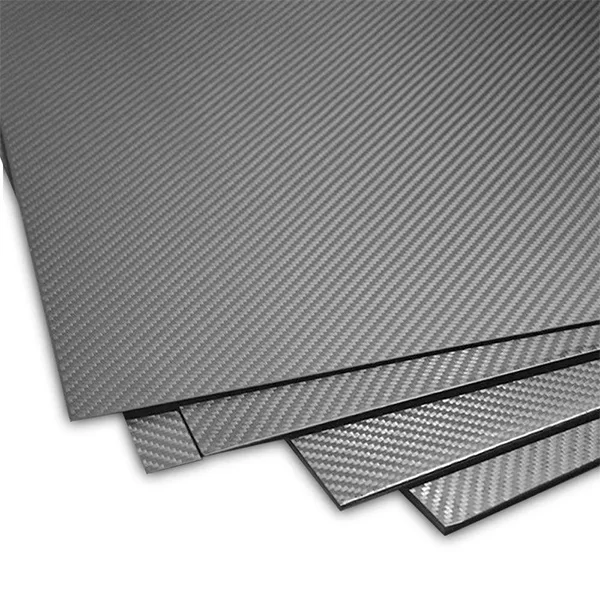
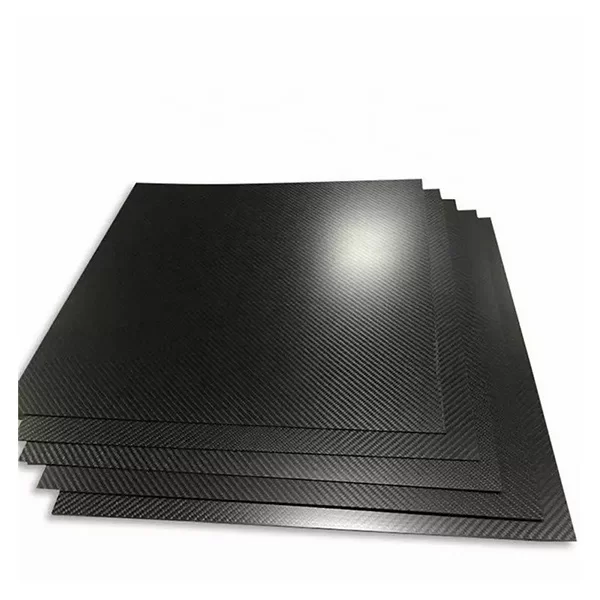
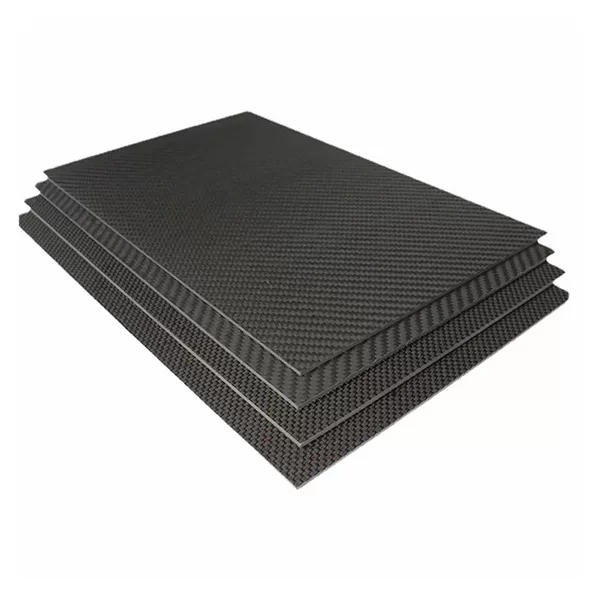
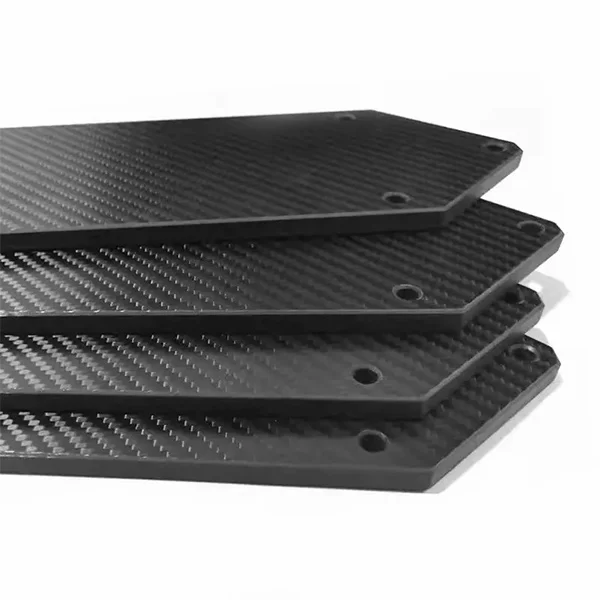
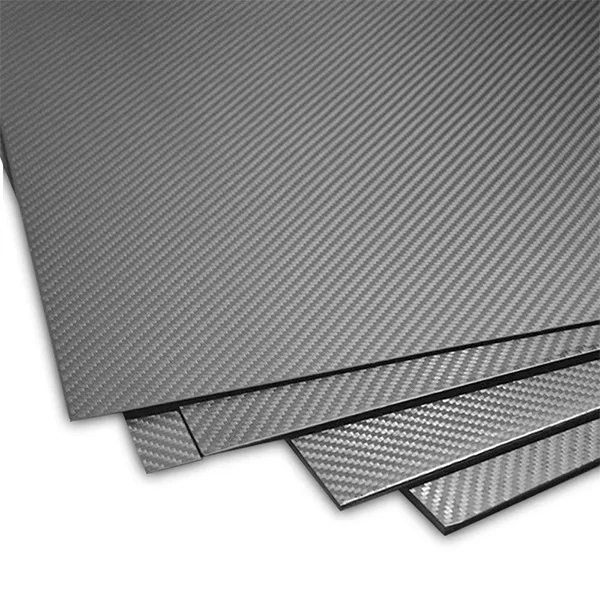
Carbon Fiber Board is a high-performance composite reinforcement material widely used in structural strengthening, industrial manufacturing, and advanced engineering applications. Manufactured from continuous high-strength carbon fibers combined with premium resin systems, carbon fiber boards offer exceptional mechanical performance while maintaining a lightweight and compact form.
Compared with traditional materials such as steel plates, aluminum panels, or conventional fiber-reinforced plastics, carbon fiber boards provide significantly higher tensile strength, stiffness, and fatigue resistance with only a fraction of the weight. This makes them an ideal solution for projects where load capacity, durability, and installation efficiency are critical factors.
Carbon fiber boards are designed to deliver stable and predictable performance under long-term loading conditions. Their excellent resistance to corrosion, moisture, chemicals, and environmental aging ensures long service life even in harsh operating environments. As a result, they are increasingly adopted in civil engineering reinforcement, infrastructure rehabilitation, industrial equipment support, and advanced manufacturing fields.
Carbon Fiber Board is characterized by its unidirectional or multi-directional carbon fiber reinforcement structure, which allows stress to be efficiently transferred along the primary load path. This structural orientation enables the board to achieve extremely high tensile strength and elastic modulus, making it suitable for load-bearing and reinforcement applications.
One of the most important characteristics of carbon fiber boards is their lightweight nature. Despite their high strength, they add minimal dead load to the structure or system. This is particularly beneficial in applications such as bridge strengthening, building renovation, and equipment reinforcement, where additional weight may negatively affect structural safety or performance.
The board exhibits excellent dimensional stability and minimal creep under sustained loads. Even during long-term service, it maintains its mechanical properties without deformation or relaxation. This ensures consistent performance and reduces the need for frequent inspection or replacement.
Carbon fiber boards also feature strong resistance to environmental factors. They are non-corrosive, resistant to moisture penetration, and unaffected by salt spray, acids, alkalis, or industrial pollutants. This makes them suitable for both indoor and outdoor applications, including coastal areas, industrial zones, and chemically aggressive environments.
The advantages of carbon fiber boards extend beyond their mechanical properties and contribute significantly to overall project efficiency and lifecycle cost reduction.
One major advantage is their high strength-to-weight ratio. Carbon fiber boards can provide the same or higher reinforcement effect as traditional steel plates while being significantly lighter. This not only reduces transportation and handling costs but also simplifies installation, especially in high-altitude or confined-space projects.
Another key advantage is durability. Unlike metal materials that are prone to corrosion, rust, and fatigue cracking, carbon fiber boards maintain their integrity over long service periods without protective coatings or frequent maintenance. This dramatically lowers long-term operation and maintenance costs.
Installation efficiency is also a notable benefit. Carbon fiber boards can be bonded or mechanically fixed to substrates such as concrete, steel, or composite materials using high-performance adhesives or anchoring systems. The installation process is relatively fast and clean, minimizing disruption to existing structures or operations.
In addition, carbon fiber boards offer design flexibility. They are available in various thicknesses, widths, and mechanical grades, allowing engineers and designers to tailor reinforcement solutions to specific load requirements and structural conditions. This adaptability makes them suitable for both standard and customized applications.
Carbon Fiber Board is widely applied across multiple industries due to its versatility and high performance.
In civil engineering and infrastructure projects, carbon fiber boards are commonly used for strengthening concrete and steel structures. They are applied to beams, slabs, girders, and columns to increase load-bearing capacity, improve stiffness, and control crack development. This approach is particularly effective in bridge rehabilitation, building renovation, and seismic upgrading projects.
In industrial facilities, carbon fiber boards are used to reinforce crane beams, equipment platforms, and load-bearing frames. Their excellent fatigue resistance and stability under dynamic loading conditions make them ideal for environments with continuous vibration or repeated stress cycles.
Carbon fiber boards are also increasingly used in advanced manufacturing and equipment design. They serve as structural components or reinforcement elements in machinery, automation systems, and precision equipment where high stiffness and low weight are required.
In special environments such as coastal areas, chemical plants, and wastewater treatment facilities, carbon fiber boards provide a reliable reinforcement solution due to their resistance to corrosion and chemical exposure. This ensures long-term performance without the risk of material degradation.
Apr. 27, 2026
Benefits of Durable Concrete Fiberglass Rebar for Infrastructure
Apr. 24, 2026
High Strength and Corrosion Resistant glass fibre reinforcement bars
Apr. 23, 2026
Reliable frp walkway manufacturer for Industrial Flooring Solutions
Apr. 22, 2026
Sustainable Construction with High Strength gfrp rebars Guide
Apr. 17, 2026
Advantages and Applications of High Strength Glass Rebar
Apr. 16, 2026
The Ultimate Guide to GFRP Rebars for Modern Construction
Looking for Reliable Frp Solutions?