Fiber Reinforced Polymer (FRP) I-beams are rapidly gaining prominence in modern construction and infrastructure projects worldwide. These composite structural elements offer a compelling alternative to traditional materials like steel and concrete, providing superior strength-to-weight ratios, corrosion resistance, and design flexibility. Understanding the benefits and applications of frp i beam is critical for engineers, architects, and developers aiming for sustainable, cost-effective, and durable infrastructure solutions.
The global demand for durable and sustainable building materials is driving the adoption of FRP I-beams. Increasing infrastructure development in emerging economies, coupled with the need to rehabilitate aging infrastructure in developed countries, fuels this growth. Data from the World Bank indicates a projected $1.5 trillion annual infrastructure investment gap by 2040, highlighting the urgency for innovative materials like FRPs.
FRP I-beams address critical challenges faced by the construction industry, including corrosion, material weight, and long-term maintenance costs. Their lightweight nature simplifies transportation and installation, reducing project timelines and associated expenses. The inherent resistance to corrosion eliminates the need for protective coatings and minimizes life-cycle maintenance, ultimately contributing to a more sustainable built environment.
Introduction to frp i beam
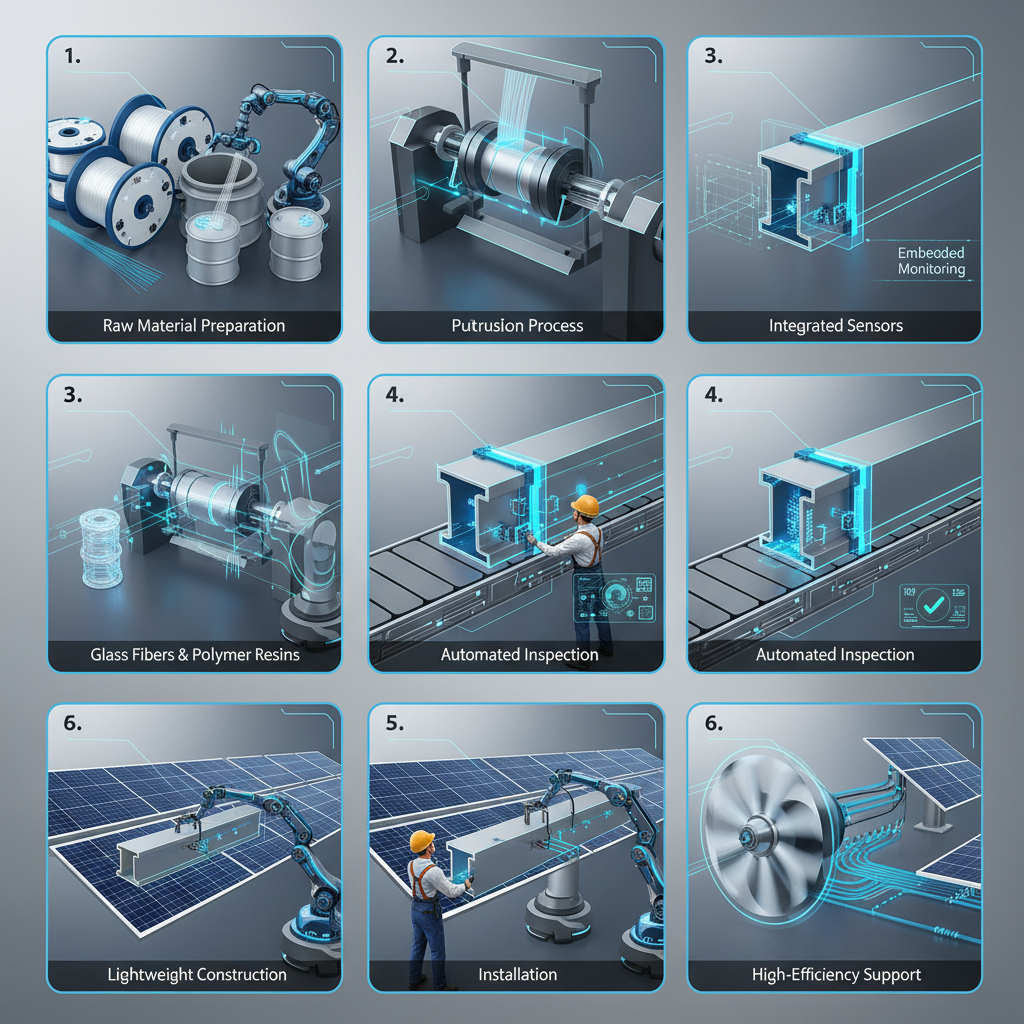
FRP I-beams, or Fiber Reinforced Polymer I-beams, represent a significant advancement in structural engineering. They are fabricated by combining high-strength fibers (such as carbon, glass, or aramid) with a polymer matrix (typically epoxy or vinyl ester). This combination yields a composite material that is exceptionally strong, lightweight, and resistant to environmental degradation.
The utilization of frp i beam is becoming increasingly widespread due to its versatility and performance characteristics. From bridges and building structures to industrial platforms and marine applications, FRP I-beams are proving to be a reliable and sustainable alternative to traditional materials.
Defining the FRP I-Beam
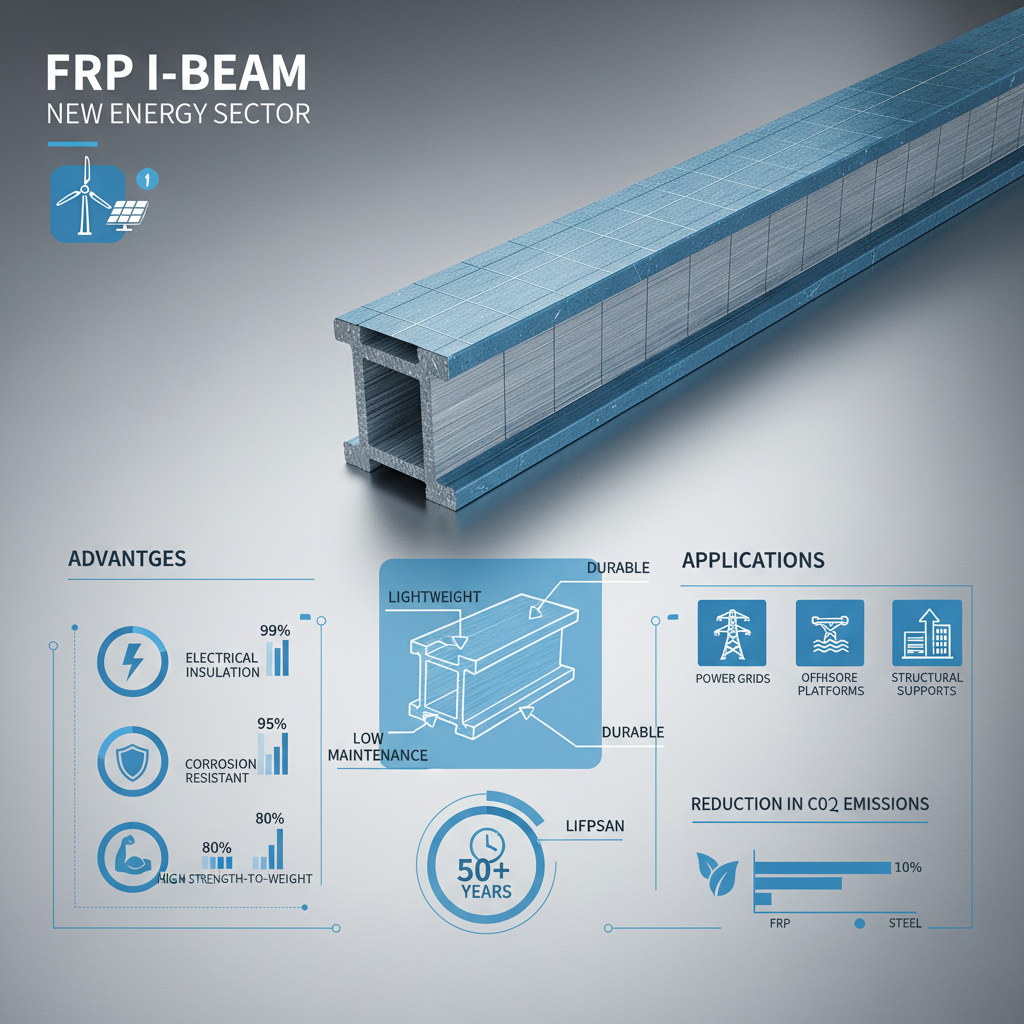
An FRP I-beam is a structural component designed with an I-shape cross-section, similar to traditional steel I-beams, but constructed from fiber-reinforced polymer materials. The 'I' shape provides excellent bending resistance, making it ideal for load-bearing applications. The composite nature of FRPs allows for tailored material properties, optimizing strength and stiffness for specific requirements.
The key distinction lies in the material composition. While steel I-beams are prone to corrosion and require regular maintenance, FRP I-beams are inherently corrosion-resistant, significantly reducing life-cycle costs and increasing the overall durability of the structure. This makes them particularly well-suited for harsh environments, such as marine or chemically aggressive industrial settings.
Their increasing application is driven by the demand for sustainable infrastructure solutions and a need to minimize the environmental impact of construction materials. FRP I-beams contribute to a smaller carbon footprint and a longer service life, aligning with the principles of circular economy and responsible building practices.
Core Characteristics of frp i beam
FRP I-beams possess several key characteristics that distinguish them from traditional building materials. First and foremost is their high strength-to-weight ratio – they offer comparable or superior strength to steel but are significantly lighter. This reduction in weight translates to easier handling, faster installation, and reduced foundation requirements.
Another crucial characteristic is their exceptional corrosion resistance. Unlike steel, which rusts when exposed to moisture and chemicals, FRP I-beams are impervious to corrosion, eliminating the need for protective coatings and minimizing maintenance. This inherent durability makes them ideal for applications in harsh environments.
Finally, FRP I-beams exhibit excellent fatigue resistance and can be customized to meet specific design requirements. The ability to tailor the fiber orientation and resin system allows engineers to optimize the beam's performance for a particular application, maximizing efficiency and minimizing material usage.
Key Advantages and Performance Metrics
The advantages of utilizing frp i beam extend beyond just strength and weight. They offer significant economic and environmental benefits, making them a compelling choice for a wide range of projects. These include lower transportation costs due to reduced weight, reduced construction time due to ease of handling and installation, and minimized life-cycle costs due to corrosion resistance.
Performance metrics for FRP I-beams are typically evaluated based on tensile strength, flexural strength, shear strength, and modulus of elasticity. These properties are rigorously tested to ensure compliance with relevant industry standards and design codes.
Performance Comparison of Different frp i beam Manufacturing Methods
Global Applications of frp i beam
The versatility of frp i beam allows for application in a diverse range of industries and projects globally. In civil engineering, they are used extensively in bridge construction and rehabilitation, providing lightweight and durable solutions for deck replacements and structural reinforcements.
The chemical processing industry leverages their corrosion resistance in the construction of platforms, walkways, and structural supports in corrosive environments. Marine applications also benefit from FRP I-beams, utilizing them in boat building, dock construction, and offshore platforms where saltwater corrosion is a major concern.
Furthermore, FRP I-beams are gaining traction in the renewable energy sector, supporting wind turbine towers and solar panel structures. Their lightweight nature reduces foundation requirements, contributing to cost savings and efficient energy generation.
Long-Term Value and Benefits
The long-term value proposition of FRP I-beams is compelling, extending beyond initial cost savings. Their exceptional durability and resistance to corrosion significantly reduce maintenance requirements, minimizing life-cycle costs and extending the service life of structures. This translates to lower overall costs and a more sustainable infrastructure.
Environmentally, FRP I-beams contribute to a smaller carbon footprint compared to traditional materials. Their lightweight nature reduces transportation emissions, and their long service life minimizes the need for replacements, conserving resources and reducing waste. From an emotional standpoint, the enhanced safety and reliability of FRP structures contribute to peace of mind and build trust in the infrastructure.
Future Trends and Innovations in frp i beam
The future of FRP I-beam technology is focused on several key areas of innovation. Research and development efforts are centered on exploring new fiber materials, such as basalt and bio-based fibers, to further enhance sustainability and reduce environmental impact. Automated manufacturing processes are also being developed to increase production efficiency and lower costs.
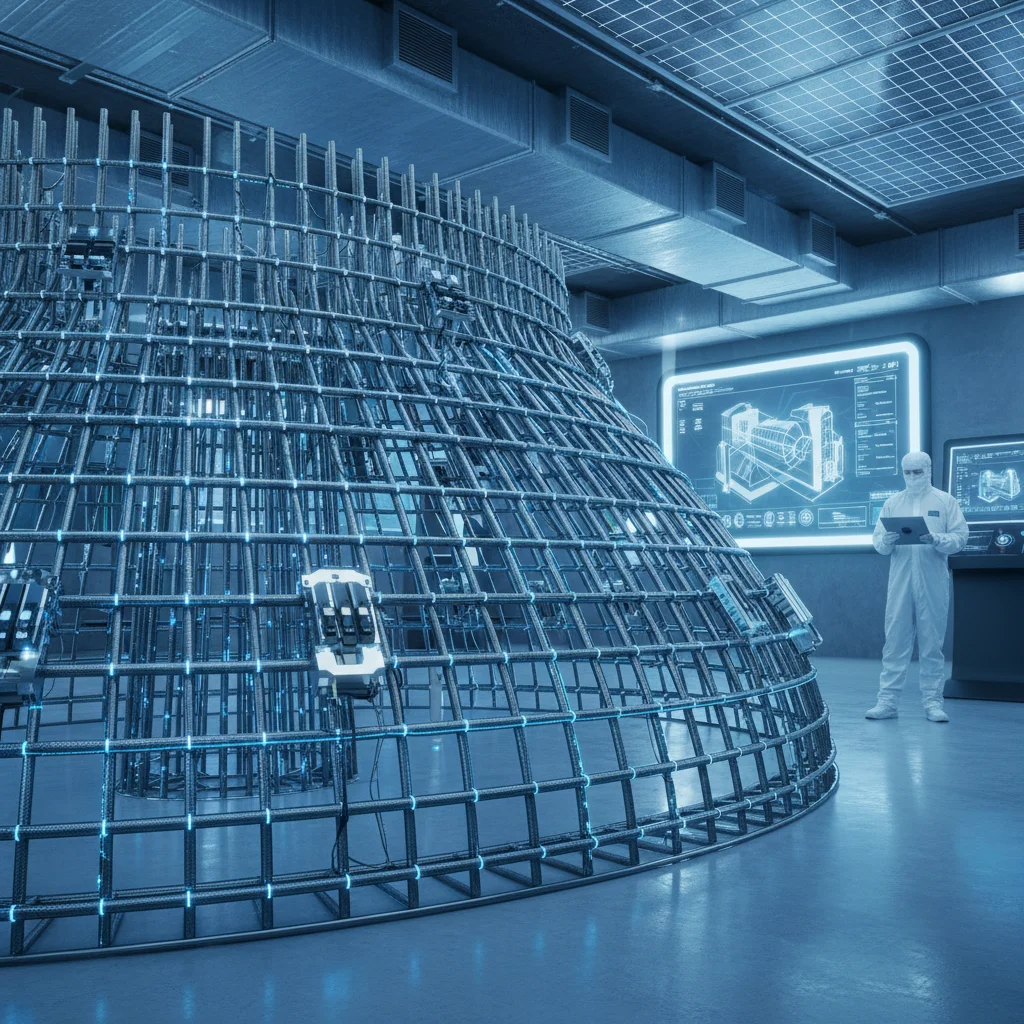
Integration with digital technologies, such as Building Information Modeling (BIM) and sensor networks, will enable real-time monitoring of structural health and predictive maintenance. This proactive approach will further optimize the performance and longevity of FRP structures, ensuring safety and reliability.
Advancements in resin chemistry are also crucial, aiming to develop high-performance resins with improved mechanical properties and enhanced resistance to extreme temperatures and chemicals. These innovations will expand the application range of FRP I-beams to even more challenging environments.
Summary of Challenges and Potential Solutions for FRP I-Beam Implementation
| Challenge |
Impact on FRP I-Beam Adoption |
Potential Solution |
Implementation Feasibility (1-10) |
| High Initial Material Cost |
Limits adoption in cost-sensitive projects |
Optimizing manufacturing processes, exploring alternative fiber sources |
7 |
| Lack of Standardized Design Codes |
Creates uncertainty for engineers and regulators |
Collaboration between industry stakeholders and standards organizations |
6 |
| Limited Availability of Qualified Installers |
Can lead to improper installation and reduced performance |
Developing training programs and certification processes |
8 |
| Long-Term Performance Data Scarcity |
Makes predicting long-term behavior challenging |
Investing in long-term monitoring and data collection programs |
5 |
| Repair Complexity |
Repairing damaged FRP structures can be challenging |
Developing standardized repair techniques and materials |
6 |
| Fire Resistance Concerns |
FRP materials can lose strength at high temperatures |
Applying fire-retardant coatings or incorporating fire-resistant additives |
7 |
FAQS
FRP I-beams offer significant advantages over steel, including a much higher strength-to-weight ratio, exceptional corrosion resistance, and reduced maintenance requirements. This translates to lower life-cycle costs, easier installation, and extended structural lifespan. They are particularly advantageous in corrosive environments where steel is prone to degradation. Furthermore, the reduced weight can lead to lower foundation costs.
While extremely versatile, FRP I-beams aren’t universally applicable. Their suitability depends on project specifics. They excel in corrosive environments, weight-sensitive applications, and situations requiring high durability. However, extremely high-temperature applications or scenarios demanding exceptional impact resistance may necessitate alternative materials or supplementary protective measures. A thorough engineering analysis is crucial.
The initial material cost of FRP I-beams is generally higher than that of steel. However, when considering the total cost of ownership, FRP I-beams often prove more economical. The reduced maintenance requirements, extended service life, and lower installation costs can offset the higher upfront expense. A detailed life-cycle cost analysis is recommended to accurately compare the two options.
FRP I-beams contribute to sustainability by reducing the carbon footprint of construction projects. Their lightweight nature reduces transportation emissions, and their long service life minimizes the need for frequent replacements, conserving resources. Moreover, the corrosion resistance eliminates the need for environmentally harmful protective coatings. The potential for using bio-based fibers further enhances their eco-friendliness.
Design standards and codes for FRP I-beams are continually evolving. Currently, design is often governed by guidelines from organizations like the American Concrete Institute (ACI) and industry-specific standards. It’s essential to consult with qualified engineers familiar with FRP design to ensure compliance with local building codes and regulations. Ongoing research is driving the development of more comprehensive and standardized design codes.
Proper installation is critical for realizing the full performance benefits of FRP I-beams. It's vital to employ experienced and certified installers who are trained in FRP handling and application techniques. Rigorous quality control procedures, including material inspections and non-destructive testing, should be implemented throughout the construction process to verify the integrity of the structure.
Conclusion
FRP I-beams represent a transformative advancement in structural materials, offering a compelling combination of strength, durability, and sustainability. Their lightweight nature, corrosion resistance, and design flexibility make them ideal for a wide range of applications, from infrastructure projects to industrial facilities. Embracing this innovative technology is crucial for building a more resilient and sustainable future.
As research and development continue to refine FRP materials and manufacturing processes, we can expect even wider adoption and expanded applications. Investing in training, standardized design codes, and long-term monitoring programs will be essential to unlock the full potential of FRP I-beams and pave the way for a more efficient and sustainable built environment.