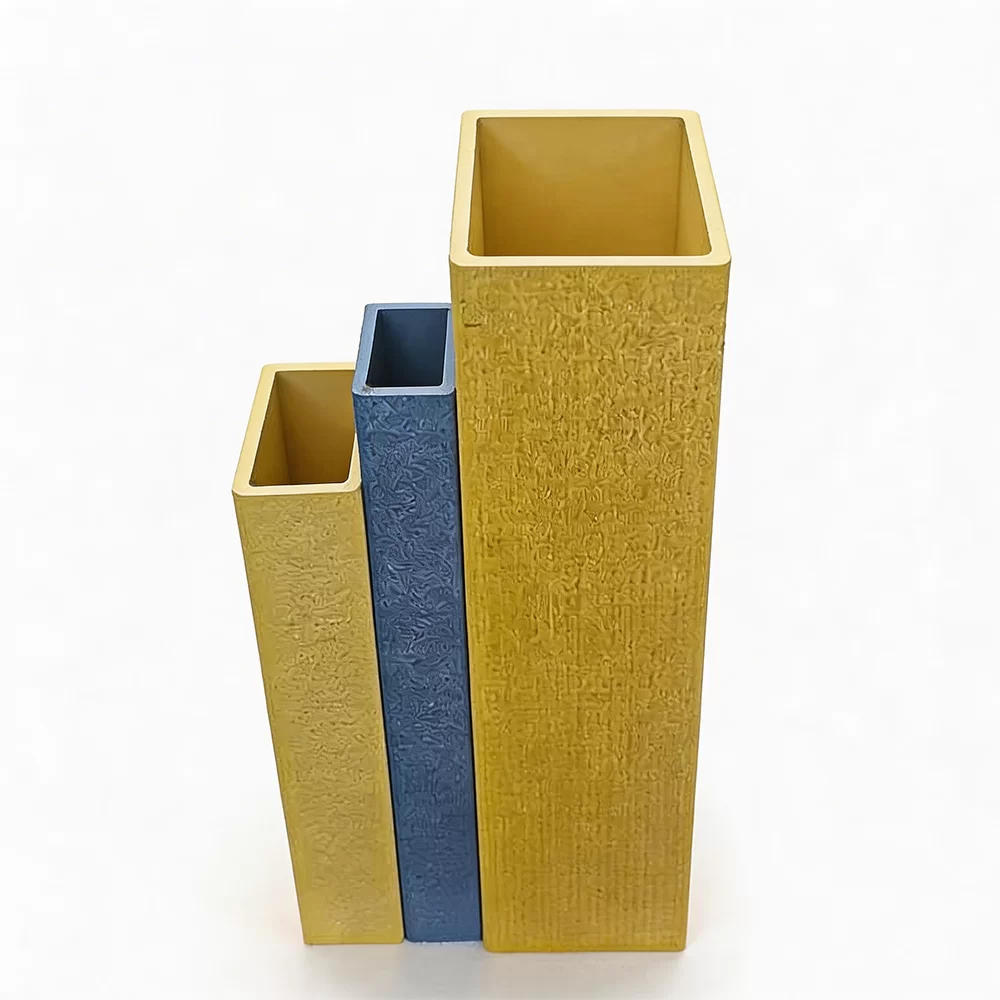
Romania’s Leading Fiberglass Products Supplier

Romania's Leading Fiberglass Products Supplier

Innovative Composite Solutions for a Sustainable Future.

Romania's Leading Fiberglass Products Supplier

Providing high-quality fiberglass products and composite solutions to meet the diverse needs of Romanian industries.

The Current State of Fiberglass Manufacturing in Romania

Analyzing the challenges and opportunities within the Romanian fiberglass and reinforced plastics industry.

Romania's manufacturing sector is experiencing steady growth, with the non-metallic mineral products sub-sector, particularly fiberglass products, playing an increasingly vital role. The demand for fiberglass products is driven by sectors like construction, agriculture, and infrastructure development. However, the industry faces challenges such as reliance on imported raw materials and the need for technological upgrades.

Geographically, industrial hubs around Bucharest, Cluj-Napoca, and Timișoara are key centers for fiberglass manufacturing. Romania’s climate, with its cold winters and warm summers, necessitates durable materials like fiberglass for various applications. This, combined with the country's EU membership and access to European funding, presents both opportunities and the need for adherence to stringent quality standards.

The Romanian economy is shifting towards more sustainable practices, which increases demand for durable and eco-friendly materials. This has driven demand for fiberglass septic tank systems, as well as a greater focus on recycling and responsible material sourcing.
Evolution and Development of Fiberglass Technology in Romania

Tracing the historical progression of fiberglass manufacturing in Romania, from early adoption to modern innovations.

Market Development History

The introduction of fiberglass technology in Romania began in the 1960s, initially focused on basic applications like boat building and automotive components. Early production relied heavily on imported resins and reinforcing materials. The 1980s saw limited modernization, constrained by economic conditions.

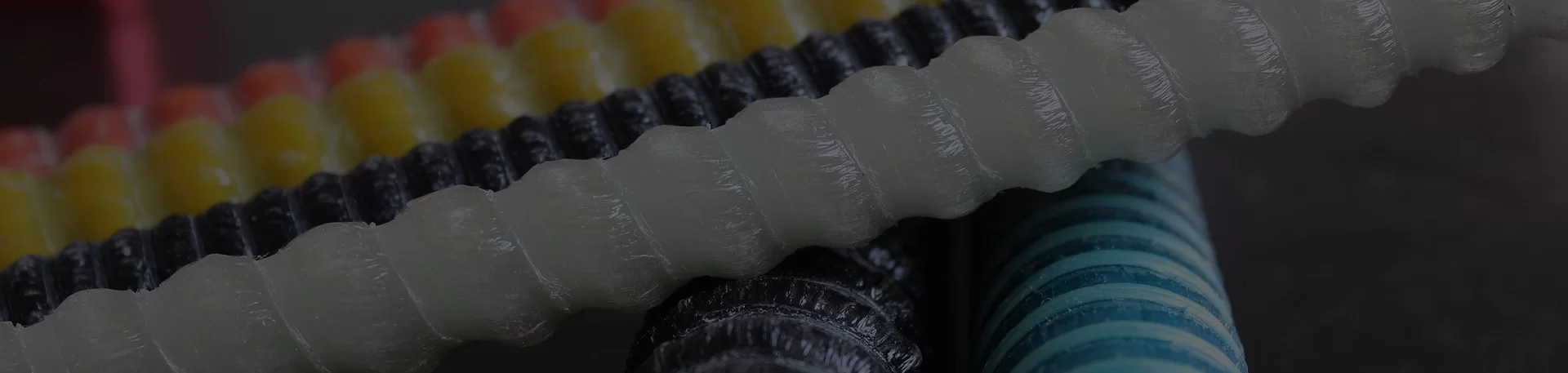
Following the fall of communism in 1989, the industry underwent a period of restructuring and privatization. The 1990s and early 2000s witnessed increased foreign investment and the adoption of more advanced manufacturing techniques, including pultrusion and filament winding. Demand for fiber glass rebar began to rise.

In recent years, there has been a growing emphasis on high-performance composites, including those utilizing carbon fiber reinforcement, driven by the aerospace, automotive and sports equipment industries. There's increasing R&D focusing on bio-based resins and sustainable manufacturing processes.

Future Development Trends

Advanced Resin Systems

The development of more durable and environmentally friendly resin systems will be a key focus. Expect to see increased use of epoxy vinyl esters and bio-based resins.

Automation and Robotics

Increased automation in manufacturing processes, including robotic fiber placement and automated pultrusion, will improve efficiency and reduce production costs.

Smart Composites

Integration of sensors and data analytics into fiberglass products, creating "smart" composites that can monitor their own structural health and performance.

Industry Trends and Future Outlook for Fiberglass in Romania

Exploring emerging trends and forecasting the future of the fiberglass reinforced plastic (FRP) industry in Romania.

Growing Infrastructure Demand
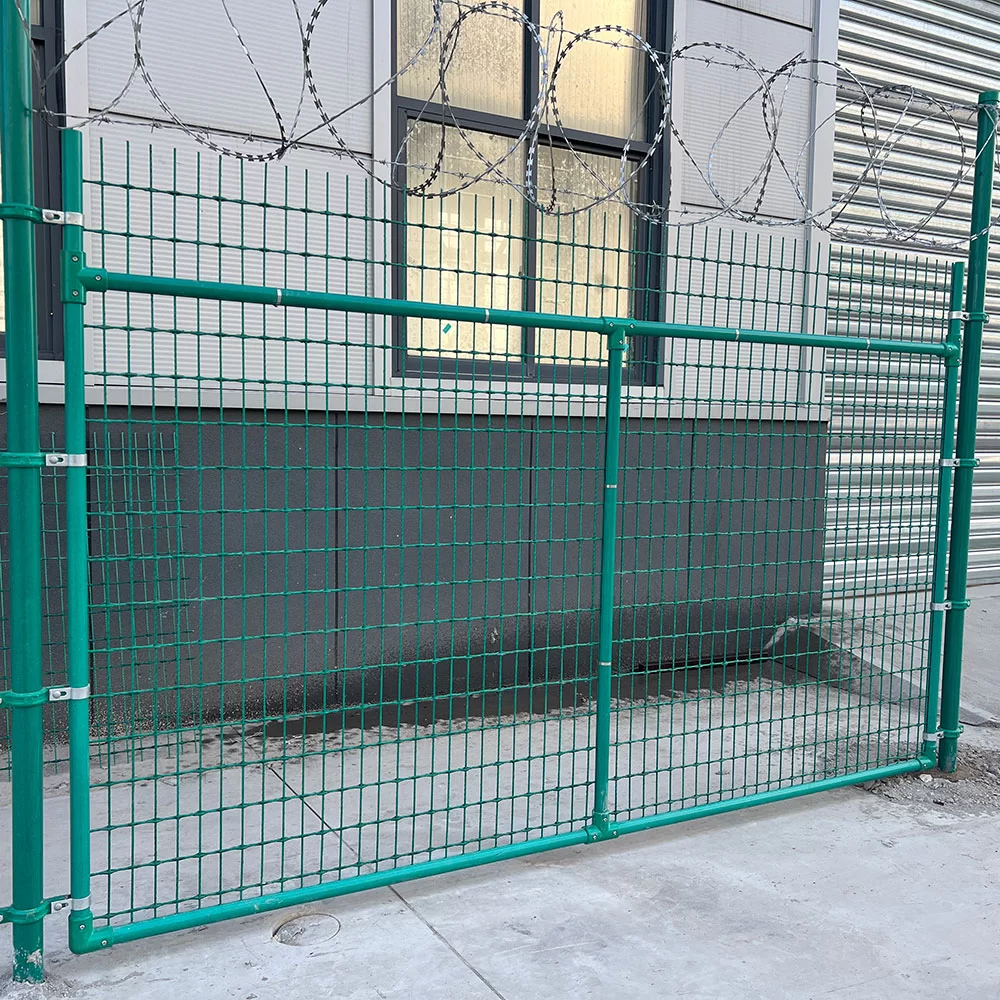
Romania's ongoing infrastructure projects, particularly in transportation and utilities, will significantly boost demand for FRP materials like fiberglass guardrail mesh.
Sustainable Construction Practices
Increasing adoption of green building standards will drive demand for lightweight, durable, and recyclable fiberglass composites.
EU Funding Opportunities
Romania's access to EU funds will support research, development, and the implementation of innovative composite technologies.
Increased Competition & Innovation
Growing market competition will drive innovation in product design, manufacturing processes, and material selection.

Industry Outlook

Over the next 3-5 years, the Romanian fiberglass market is expected to grow at a compound annual growth rate (CAGR) of 6-8%. Key growth sectors will include construction, automotive, and renewable energy. Google Trends data shows a consistent increase in search volume for terms like “fiberglass products Romania” and “composite materials Romania”.

The industry will continue to embrace sustainable practices and focus on developing high-performance composites tailored to specific Romanian applications. Collaboration between research institutions, manufacturers, and end-users will be crucial for driving innovation and achieving long-term growth.

Local Applications of Fiberglass in Romania

Exploring specific examples of how fiberglass products are utilized across various industries in Romania.

1. Agricultural Water Storage Tanks

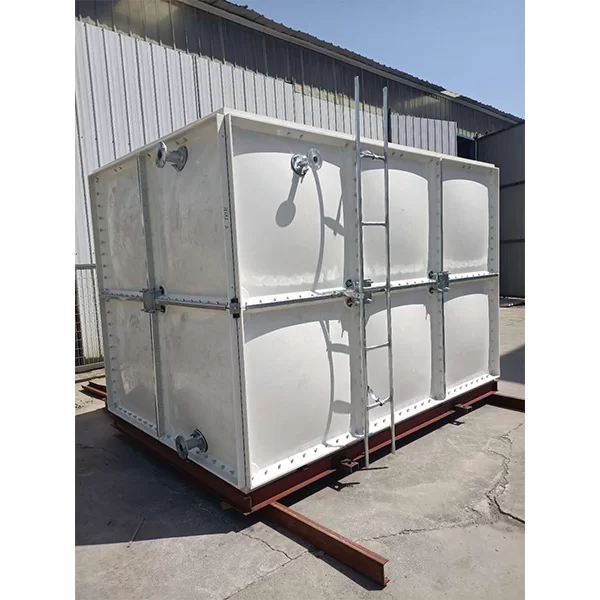
Romania's agricultural sector relies heavily on irrigation, necessitating large-capacity water storage tanks. Fiberglass tanks are increasingly preferred due to their corrosion resistance, lightweight nature, and durability in harsh weather conditions.

2. Chemical Storage for Industrial Plants

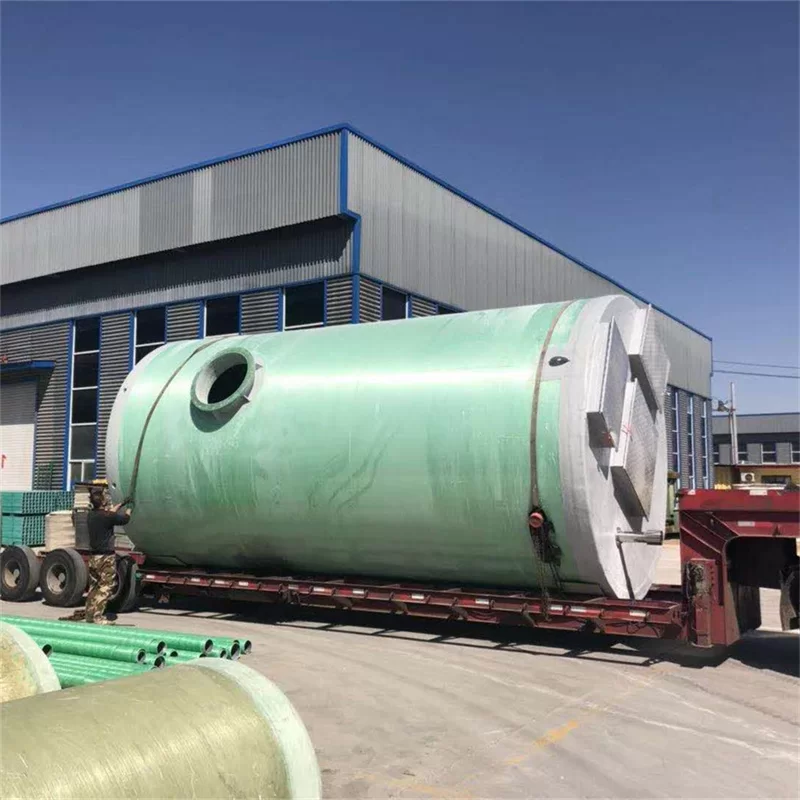
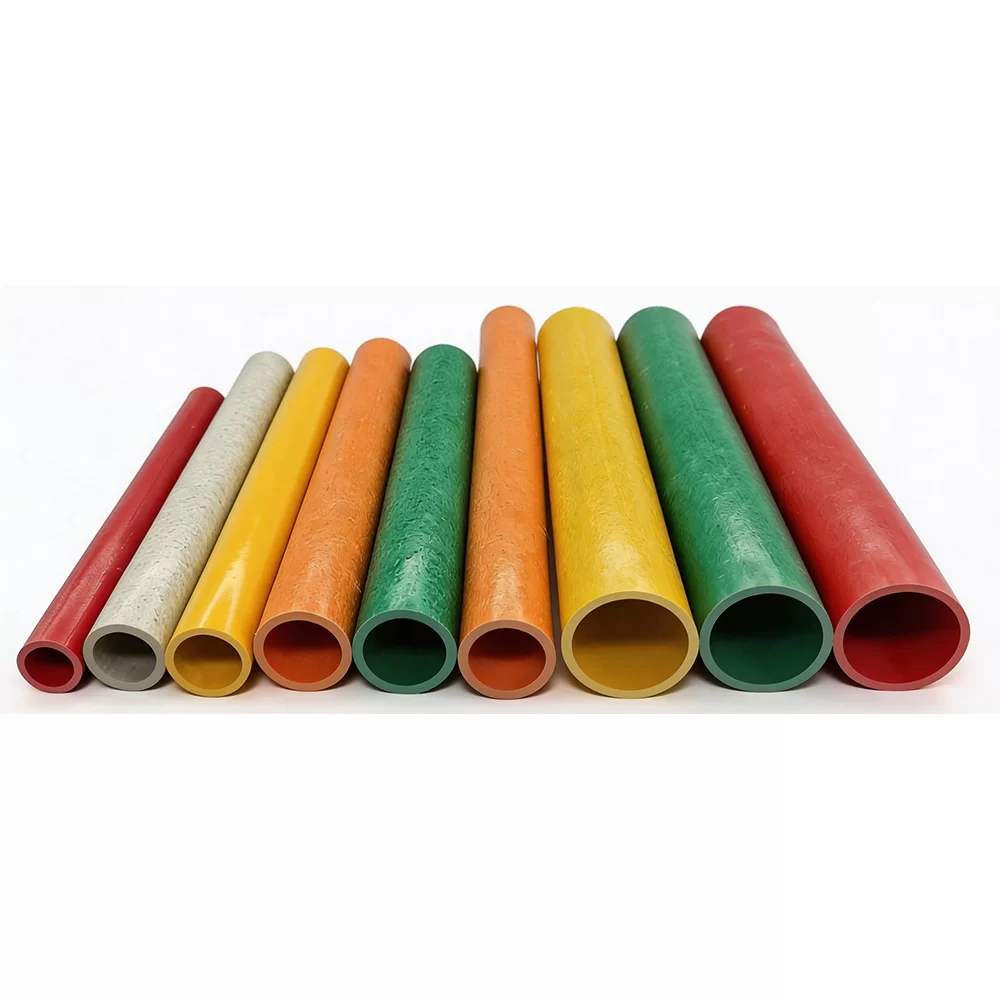
Many industrial plants in Romania handle corrosive chemicals. Fiberglass tanks and piping systems are ideal for safely storing and transporting these materials, minimizing the risk of leaks and environmental contamination.

3. FRP Rebar for Concrete Infrastructure

Due to Romania’s coastal areas and the need for infrastructure resilience, fiber glass rebar is gaining traction as a corrosion-resistant alternative to traditional steel rebar in bridge decks, marine structures, and concrete pavements.

4. Septic Tanks for Rural Areas

With a significant rural population, Romania has a substantial demand for septic tanks. Fiberglass septic tank are lightweight, easy to install, and resistant to the corrosive environment within septic systems.

Brand Story

The global development history of Hebei Zhongtian Composite Material Group Co., Ltd.

Innovation for a Sustainable Future

Founded on the principles of quality, durability, and environmental responsibility, Hebei Zhongtian Composite Material Group Co., Ltd. is committed to providing innovative fiberglass solutions to industries across Europe.

Decades of Expertise

With over 20 years of experience in fiberglass manufacturing, we have developed a deep understanding of material science and composite engineering.

Commitment to Quality

We adhere to strict quality control standards throughout the entire manufacturing process, ensuring that our products meet the highest levels of performance and reliability.

Customer-Centric Approach

We work closely with our clients to understand their specific needs and provide customized fiberglass solutions that exceed their expectations.

Sustainable Manufacturing

We are dedicated to minimizing our environmental impact through responsible sourcing, efficient manufacturing processes, and the development of eco-friendly composite materials.

Complete Product Range for the Romanian Market

Offering a comprehensive selection of fiberglass products designed to meet the diverse needs of Romanian industries.

Frequently Asked Questions About Fiberglass in Romania

Addressing common concerns and providing answers to frequently asked questions about fiberglass products and applications in Romania.

What is the lifespan of a fiberglass septic tank in the Romanian climate?

A properly installed fiberglass septic tank in Romania can last for 30-50 years, even with exposure to cold winters and varying soil conditions. Its corrosion resistance protects it from degradation.

How does fiberglass rebar compare to steel rebar in terms of cost-effectiveness for Romanian construction projects?

While the initial cost of fiberglass rebar may be higher, its superior corrosion resistance reduces long-term maintenance and replacement costs, making it more cost-effective over the project's lifecycle, especially in coastal or corrosive environments.

What are the benefits of using fiberglass guardrail mesh compared to traditional metal guardrails in Romania?

Fiberglass guardrail mesh is lightweight, non-conductive, and corrosion-resistant, making it safer and more durable than metal guardrails. It also requires less maintenance and has a longer lifespan.

Can fiberglass products be recycled at the end of their life cycle in Romania?

Recycling fiberglass is becoming increasingly viable. While dedicated infrastructure is still developing in Romania, several companies are exploring methods to reclaim fibers and resins from end-of-life composites.

What specific certifications should I look for when purchasing fiberglass products in Romania?

Look for products certified to ISO 9001 (quality management), CE marking (European conformity), and relevant industry-specific standards. These certifications ensure the products meet safety and performance requirements.

How does carbon fiber reinforcement enhance the strength and durability of fiberglass structures?

Carbon fiber reinforcement significantly increases the tensile strength and stiffness of fiberglass structures. This results in lighter, stronger, and more durable composites that can withstand greater loads and stresses.

Get in Touch with Us

We are dedicated to providing top-quality fiberglass solutions throughout Romania. Contact us today to discuss your project requirements.

Contact Us Now

If you are interested in our products, you can choose to leave your information here, and we will be in touch with you shortly.