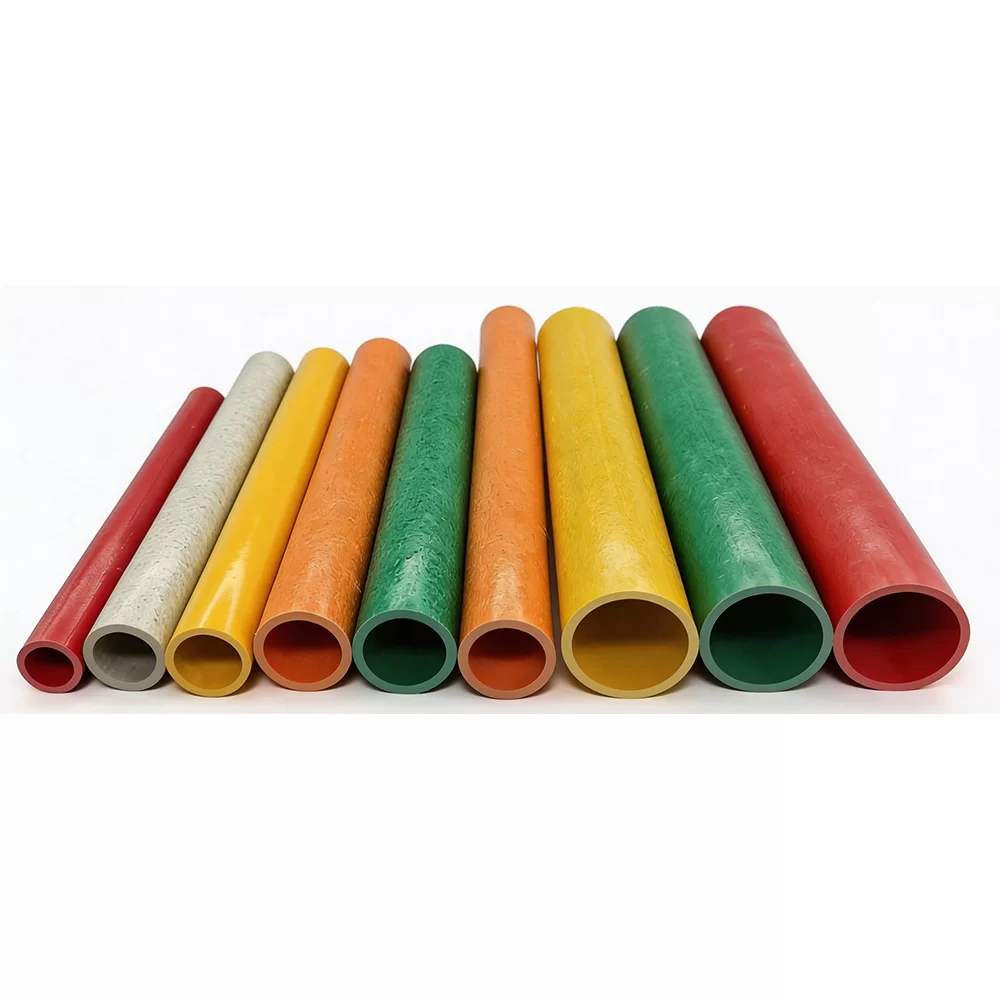
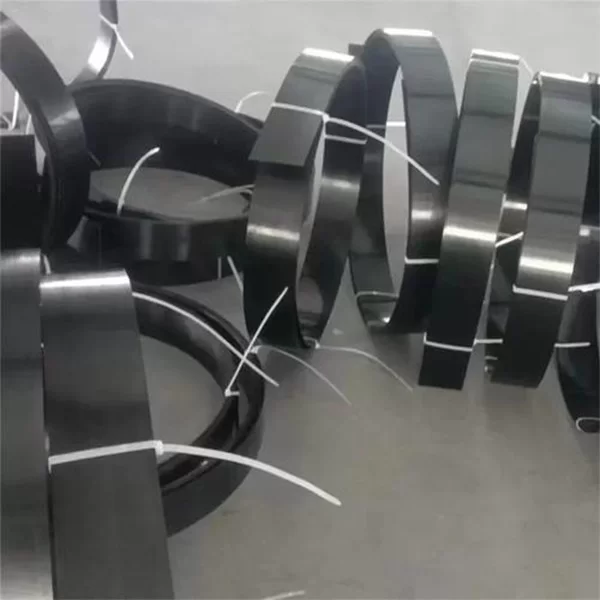
Zambia, with its developing infrastructure and growing population, presents a unique environment for the adoption of fiberglass products. Traditionally reliant on concrete and metal, the construction and sanitation sectors are increasingly exploring alternatives offering durability, cost-effectiveness, and ease of installation. However, awareness of the benefits of fiberglass remains a barrier to wider adoption.
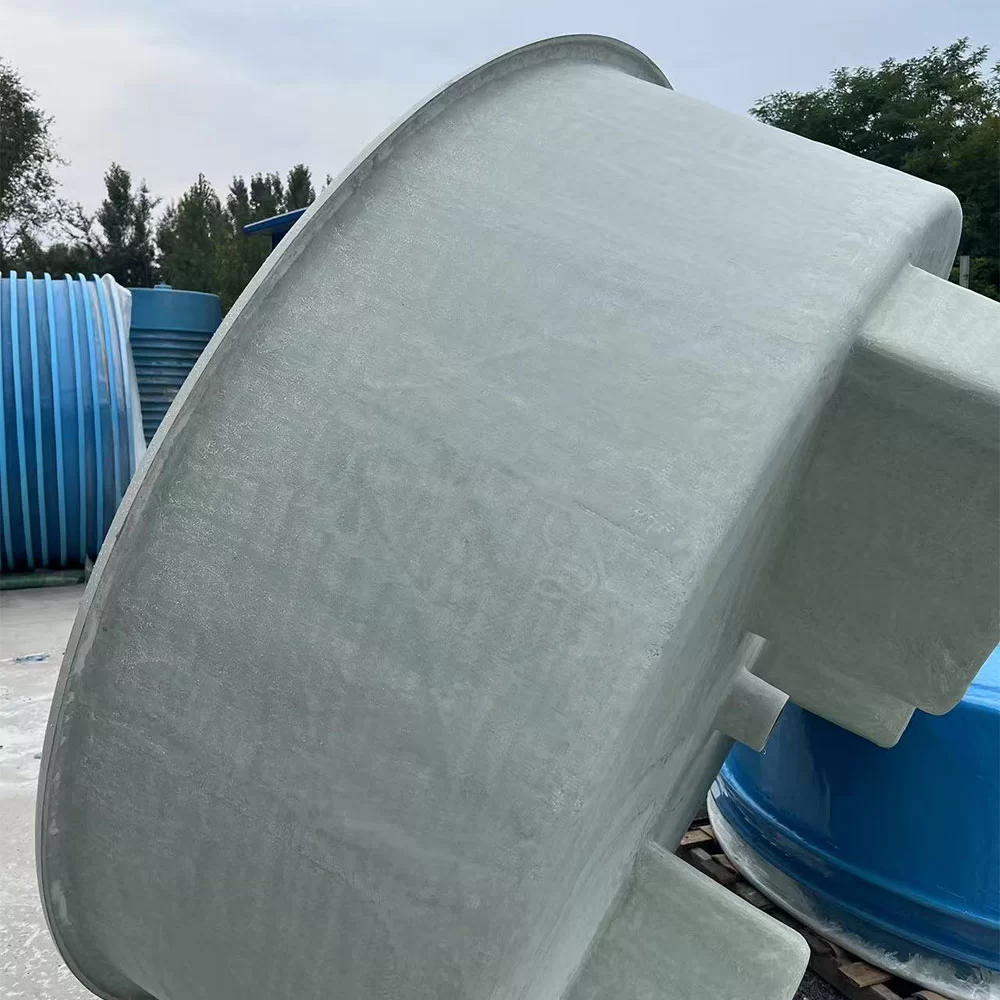
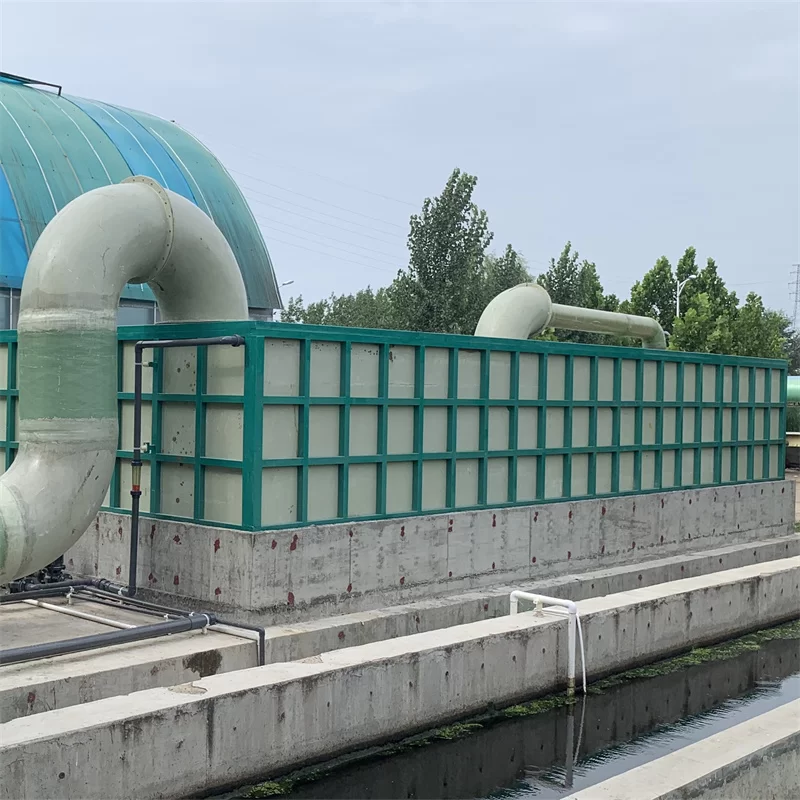
The Zambian climate, characterized by distinct wet and dry seasons, poses challenges for traditional materials. Corrosion and degradation are prevalent concerns. Fiberglass septic tank systems offer a robust solution to these issues, providing long-term reliability and reducing maintenance costs. The availability of skilled labor for fiberglass installation and repair is currently limited, representing a key area for development.
Economic factors also play a significant role. Zambia's developing economy requires solutions that are both affordable and sustainable. Fiberglass guardrail mesh, for instance, provides a safe and cost-effective alternative to traditional metal barriers. Import costs and logistical challenges can impact the competitiveness of fiberglass products, necessitating local manufacturing and supply chain development.