Fiberglass Septic Tank Solutions for Yemen

Fiberglass Septic Tank Solutions for Yemen

Providing durable and cost-effective fiberglass products for infrastructure development in Yemen.

Fiberglass Septic Tank Solutions for Yemen

Offering advanced fiberglass solutions tailored for Yemen's infrastructure needs, including septic tanks, fiberglass products, and robust composite materials.

Current Status of Fiberglass Products in Yemen

Analyzing the market dynamics and challenges for fiberglass manufacturing in the Yemeni context.

Yemen's infrastructure faces significant challenges due to ongoing conflicts and limited resources. The demand for durable and cost-effective construction materials is high, but supply chains are often disrupted. Fiberglass products offer a viable solution due to their corrosion resistance, lightweight nature, and relatively easy installation, even in challenging environments. The adoption rate, however, is affected by import restrictions and a lack of local manufacturing capacity.

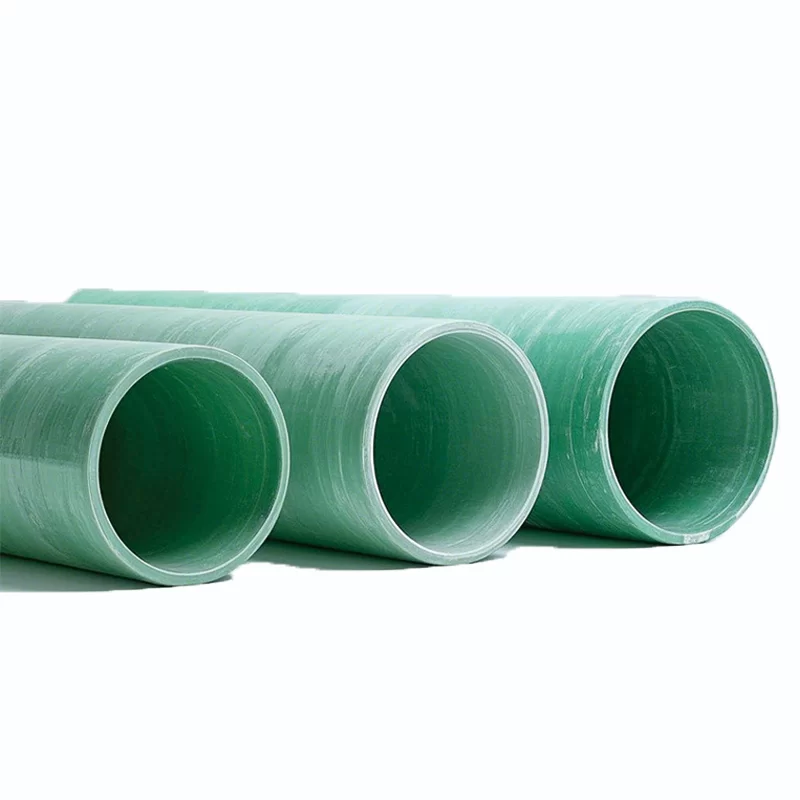
The arid climate of Yemen presents specific challenges for infrastructure longevity. Traditional materials like concrete are susceptible to deterioration from salt corrosion and temperature fluctuations. Fiberglass septic tank are particularly well-suited for this environment due to their resistance to these factors, offering a longer service life and reduced maintenance costs. Furthermore, the demand for sustainable wastewater solutions is growing due to water scarcity.

The Yemeni market is characterized by a preference for affordable solutions. While initial investment costs for fiber glass rebar can be higher than traditional steel, the long-term benefits of corrosion resistance and reduced maintenance often outweigh these costs, particularly in coastal regions. Raising awareness about these long-term savings is crucial for market penetration.
Evolution of Fiberglass Composite Technology in Yemen

Tracing the development and adoption of fiberglass materials in Yemeni construction and infrastructure.

Market Development History

Prior to the 1990s, the use of fiberglass reinforced plastics (FRP) in Yemen was limited to a few specialized applications, primarily in boat building and small-scale repairs. Importation of finished products was the dominant model. The economic liberalization of the 1990s spurred initial interest in FRP for construction, but high import costs hindered widespread adoption.

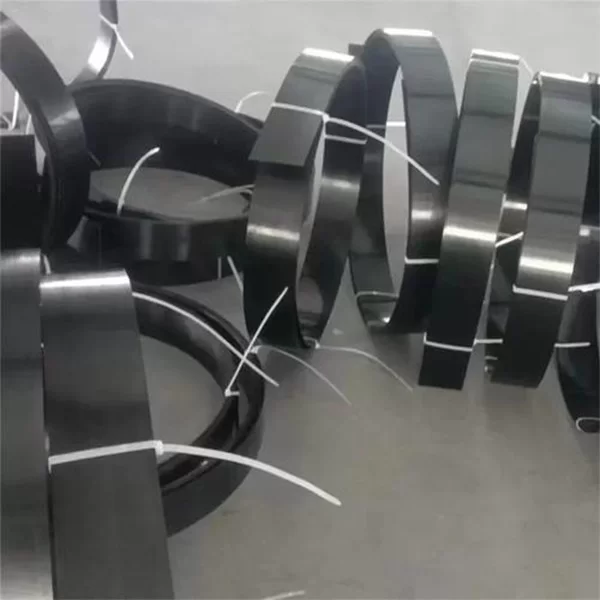
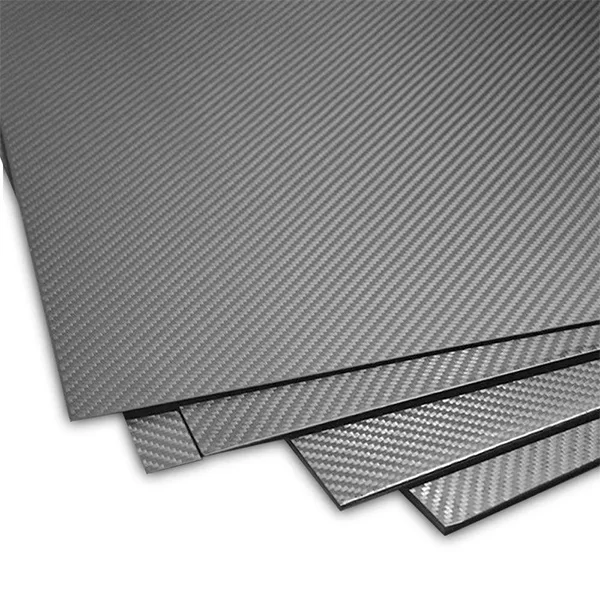
The early 2000s witnessed a gradual increase in awareness of the benefits of carbon fiber reinforcement, particularly in infrastructure projects funded by international aid organizations. These projects often mandated the use of durable materials to ensure long-term sustainability. However, a lack of skilled labor and local manufacturing capabilities remained a significant obstacle.

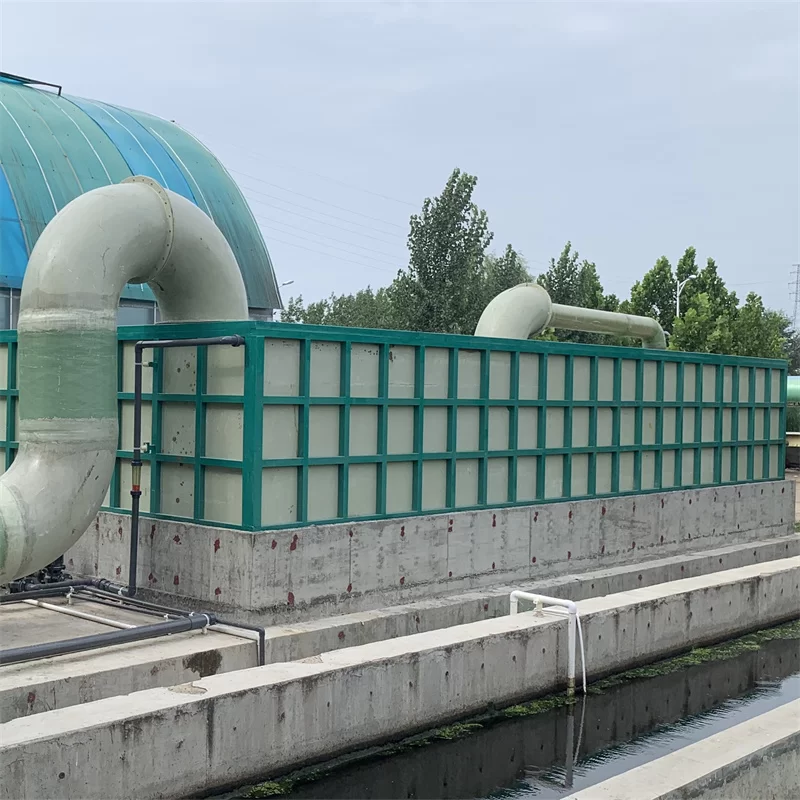
The recent decade has seen a growing trend towards exploring local manufacturing of FRP products. Small-scale workshops have emerged, focusing on producing items like septic tanks and water tanks. This trend is driven by a desire for self-sufficiency and reduced reliance on imports. The development of local standards and quality control procedures is crucial for ensuring the reliability of these products.

Future Development Trends

Increased Focus on Sustainable Materials

Driven by global environmental concerns and water scarcity in Yemen, there will be a greater emphasis on sustainable materials like fiberglass for water management and wastewater treatment solutions.

Adoption of Advanced Manufacturing Techniques

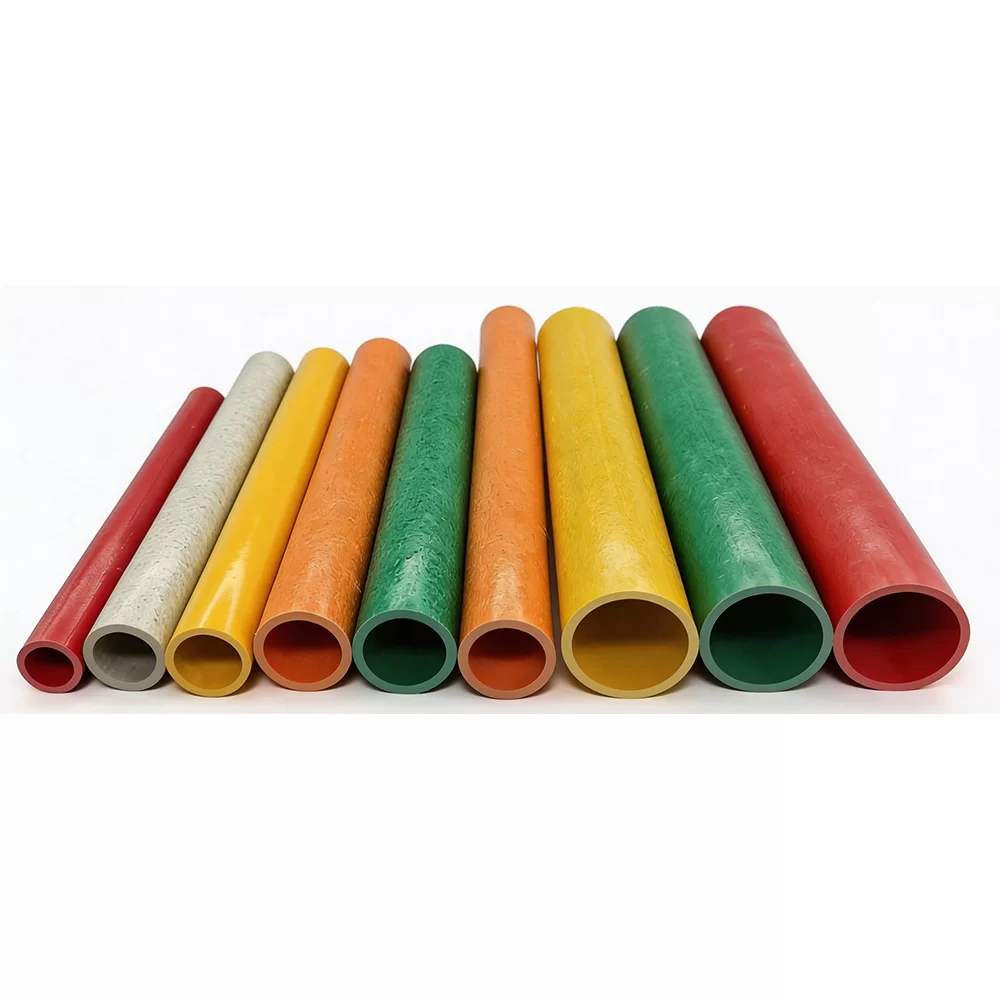
Techniques like filament winding and pultrusion will become more prevalent, allowing for the production of complex and high-performance FRP components.

Integration of Smart Technologies

The incorporation of sensors and monitoring systems into FRP structures will enable real-time assessment of structural health and optimize maintenance schedules.

Industry Trends and Future Prospects in Yemen

Exploring the evolving landscape of fiberglass reinforced plastics and their potential in Yemen’s infrastructure development.

Growing Demand for Water Infrastructure
Yemen's severe water scarcity will drive demand for robust and leak-proof water tanks and pipelines made from fiberglass composites.
Increased Use in Septic Systems
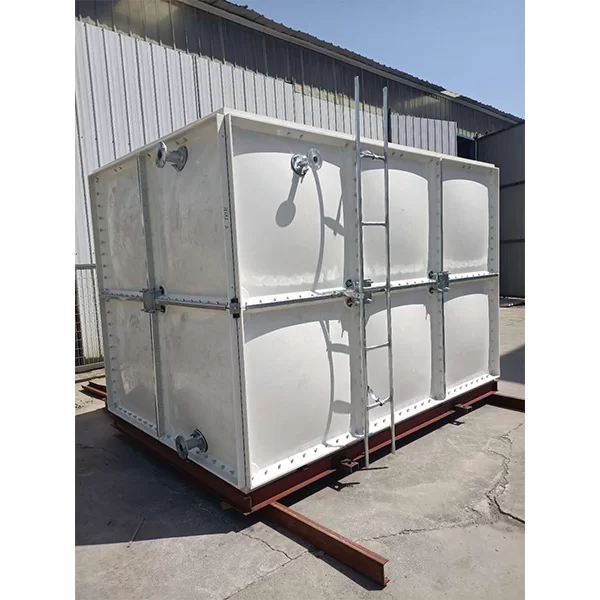
Fiberglass septic tank will become increasingly popular due to their durability, corrosion resistance, and ease of installation.
Adoption of Composite Rebar
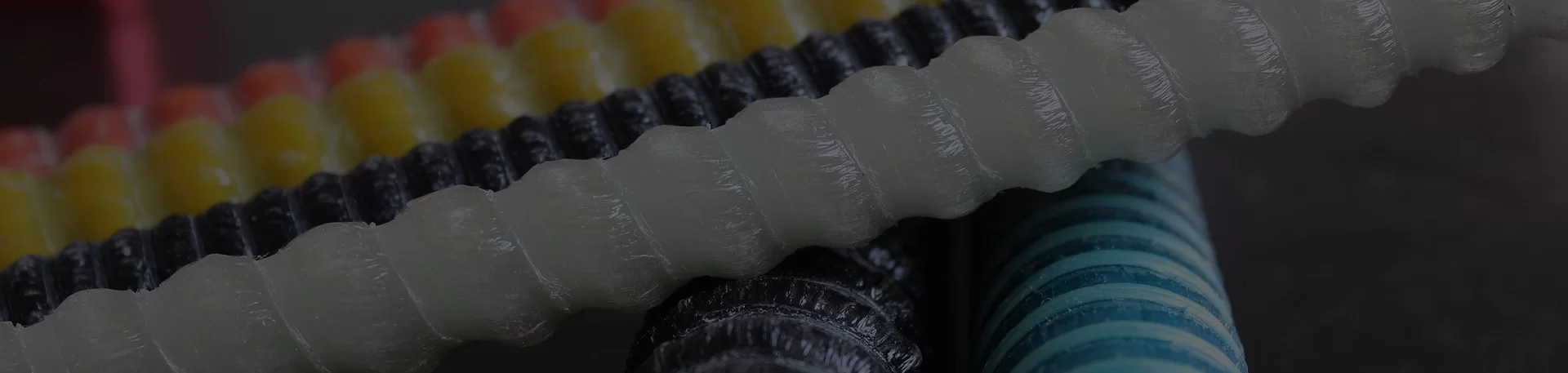
Fiber glass rebar offers a lightweight and corrosion-resistant alternative to steel rebar, particularly in coastal construction projects.
Demand for Corrosion-Resistant Structures
Coastal regions in Yemen require structures that can withstand harsh marine environments. Fiberglass composites provide superior corrosion resistance compared to traditional materials.

Industry Outlook

The Yemeni fiberglass market is poised for growth, driven by increasing infrastructure needs and a growing awareness of the benefits of composite materials. However, challenges such as political instability, import restrictions, and a lack of skilled labor need to be addressed to unlock its full potential.

Investing in local manufacturing capabilities, promoting industry standards, and fostering partnerships with international technology providers will be crucial for accelerating the adoption of fiberglass composites in Yemen.

Local Application Scenarios in Yemen

Exploring specific use cases for fiberglass products within the Yemeni context.

1. Coastal Breakwaters

Fiberglass reinforced polymers (FRP) can be used to construct durable and corrosion-resistant breakwaters to protect coastal communities from erosion and storm surges.

2. Water Storage Tanks in Rural Areas

Lightweight and leak-proof fiberglass water tanks provide a reliable solution for storing potable water in remote rural areas where access to clean water is limited.

3. Septic Systems for Newly Developed Communities

Fiberglass septic tank offer a sustainable and efficient wastewater treatment solution for growing urban and rural communities.

4. Reinforcement of Existing Concrete Structures

Carbon fiber reinforcement can be used to strengthen and repair aging concrete structures, extending their service life and reducing maintenance costs.

5. Guardrail systems in dangerous zones

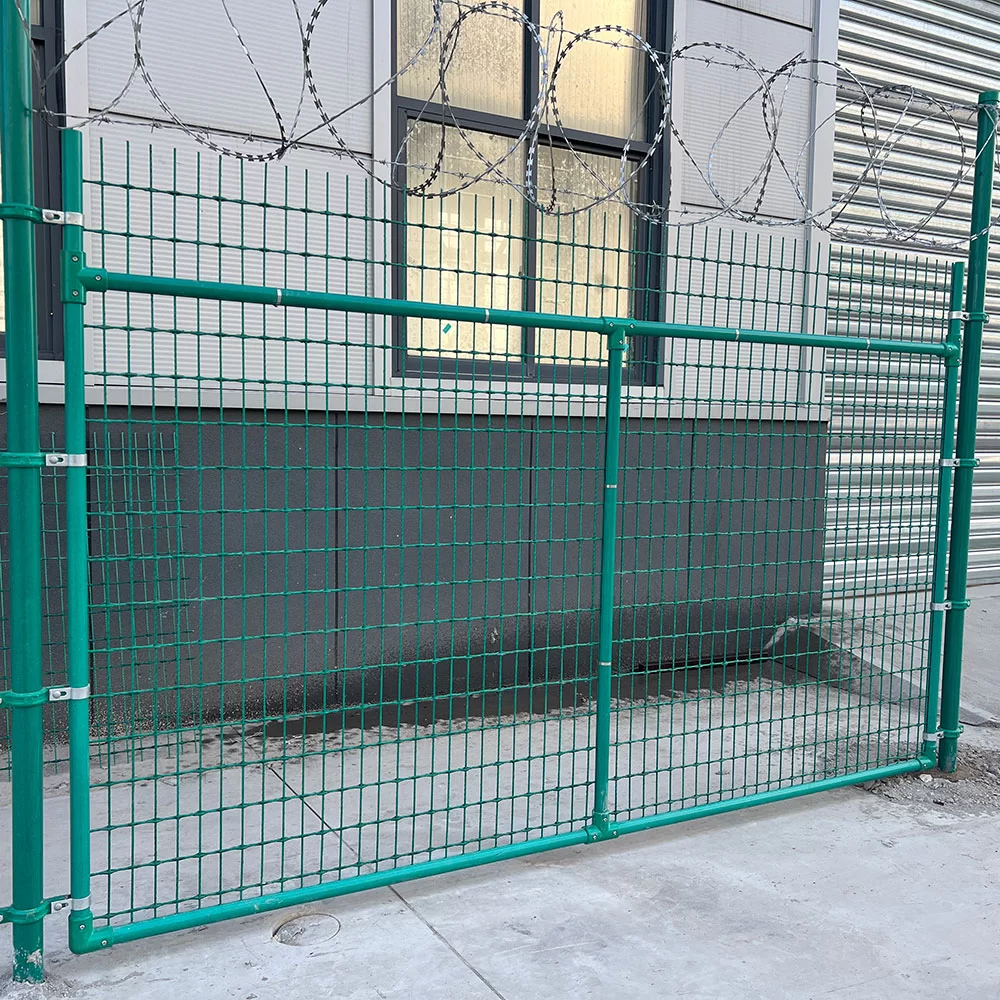
fiberglass guardrail mesh can be constructed along roadways or cliffside areas to enhance safety and prevent vehicle collisions, offering superior visibility and durability compared to traditional metal guardrails.

Brand Story

The global development history of Hebei Zhongtian Composite Material Group Co., Ltd.

Pioneering Composite Solutions

Founded in 2005, Hebei Zhongtian Composite Material Group Co., Ltd. began as a small workshop dedicated to researching and developing innovative fiberglass products.

Expanding Production Capacity

By 2010, we had expanded our production facility and invested in advanced manufacturing equipment, enabling us to meet the growing demand for high-quality composite materials.

Global Market Entry

In 2015, we began exporting our products to international markets, establishing a strong presence in Southeast Asia and the Middle East.

Focus on Sustainability

We are committed to developing environmentally friendly and sustainable composite solutions that minimize our environmental impact.

Dedicated to Innovation

We continue to invest in research and development to create cutting-edge composite products that meet the evolving needs of our customers.

Complete Product Portfolio for the Region

A comprehensive range of fiberglass solutions tailored for the unique demands of Yemen.

Frequently Asked Questions - Yemen

Addressing common inquiries about our fiberglass products and services in Yemen.

What are the key advantages of using fiberglass septic tanks compared to concrete tanks in Yemen’s coastal regions?

Fiberglass septic tanks are significantly more resistant to corrosion from saltwater and sulfates, common in Yemen’s coastal areas. They are also lighter and easier to install, reducing transportation and labor costs.

How does fiber glass rebar perform in high-temperature environments commonly found in Yemen?

Fiberglass rebar maintains its strength and integrity at high temperatures, making it suitable for construction projects in Yemen's hot climate. It also offers superior thermal insulation compared to steel.

What is the typical lifespan of a fiberglass guardrail mesh installed in a high-traffic area in Yemen?

A properly installed fiberglass guardrail mesh can have a lifespan of 20-30 years, significantly longer than traditional steel guardrails, reducing replacement and maintenance costs.

Is carbon fiber reinforcement a cost-effective solution for repairing existing concrete infrastructure in Yemen?

While the initial cost may be higher, carbon fiber reinforcement offers long-term cost savings due to its superior strength, durability, and minimal maintenance requirements.

What are the installation requirements for fiberglass products in Yemen, and do you provide training?

Installation requirements vary depending on the product. We provide comprehensive installation manuals and can offer on-site training for your team.

Do your fiberglass products meet international quality standards for use in Yemen?

Yes, our products are manufactured to meet or exceed relevant international quality standards, ensuring reliable performance and durability in Yemen’s environment.

Get in Touch with Us

We are dedicated to providing innovative fiberglass solutions for infrastructure projects in Yemen. Contact us today to learn more about our products and services.

Contact Us Now

If you are interested in our products, you can choose to leave your information here, and we will be in touch with you shortly.