Fiberglass Septic Tank Solutions for Venezuela

Fiberglass Septic Tank Solutions for Venezuela

Delivering durable and cost-effective composite solutions to Venezuela's infrastructure needs.

Fiberglass Septic Tank Solutions for Venezuela

Providing innovative fiberglass septic tank solutions tailored for the Venezuelan market, offering superior strength, longevity, and corrosion resistance.

Current Status of Fiberglass Products in Venezuela

An overview of the fiberglass industry landscape in Venezuela.

Venezuela's infrastructure has faced considerable challenges in recent years, leading to a heightened demand for durable and cost-effective materials. Fiberglass products are emerging as a viable solution due to their resistance to corrosion, lightweight nature, and ease of installation, particularly crucial in a climate prone to humidity and salinity.

The economic situation in Venezuela presents both hurdles and opportunities. While import restrictions and currency fluctuations pose difficulties, the need for robust infrastructure replacements and upgrades fuels the demand for locally sourced or competitively priced fiberglass septic tanks and other composite materials.

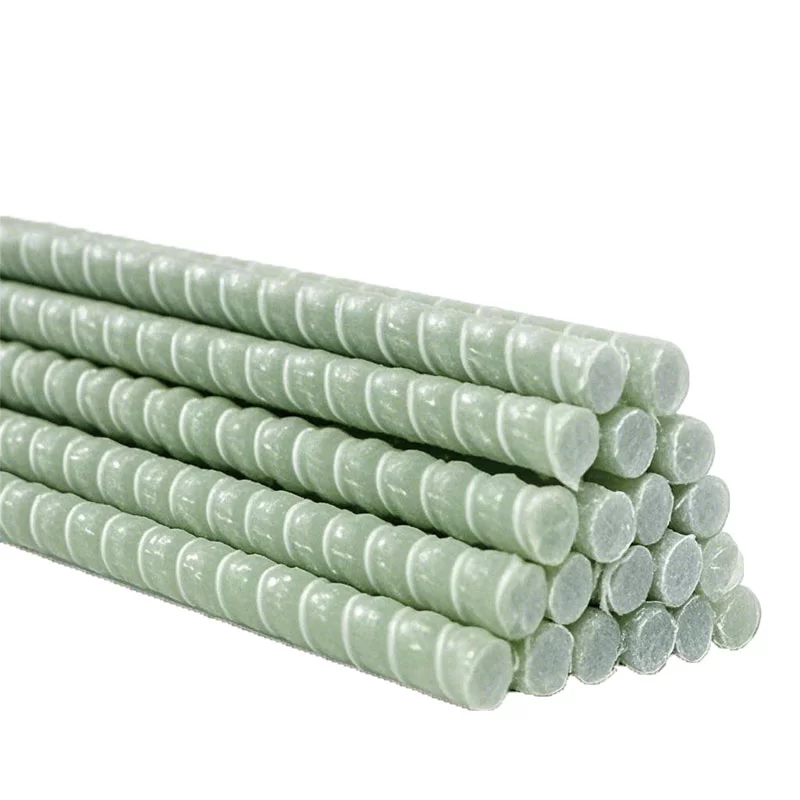
The availability of raw materials and skilled labor remains a key factor. Local production of fiberglass components is growing, but relies on consistent supply chains. Increasing awareness of the long-term benefits of fiber glass rebar, and other composite solutions is driving gradual adoption across various sectors.
Evolution of Fiberglass Composite Technology in Venezuela

Tracing the development of fiberglass technology and its application in the Venezuelan market.

Market Development History

The introduction of fiberglass composites in Venezuela began in the 1980s, primarily for niche applications like boat building and automotive parts. Initial adoption was limited by the high cost of materials and a lack of local expertise.

The early 2000s witnessed a surge in demand driven by the oil boom and increased construction activity. Fiberglass products found increasing use in water tanks, pipelines, and roofing sheets. This period saw the establishment of several local manufacturers.

From 2010 onwards, economic instability and import restrictions created new challenges. However, the focus shifted towards local production and innovation, leading to the development of more affordable and durable composite solutions. The need for robust sanitation infrastructure fuelled the demand for fiberglass septic tank and related products.

Future Development Trends

Enhanced Resin Systems

Research and development are concentrating on novel resin systems that offer improved chemical resistance, higher temperature performance, and enhanced mechanical properties. This aligns with the growing need for materials suitable for harsh environmental conditions.

Automated Manufacturing Processes

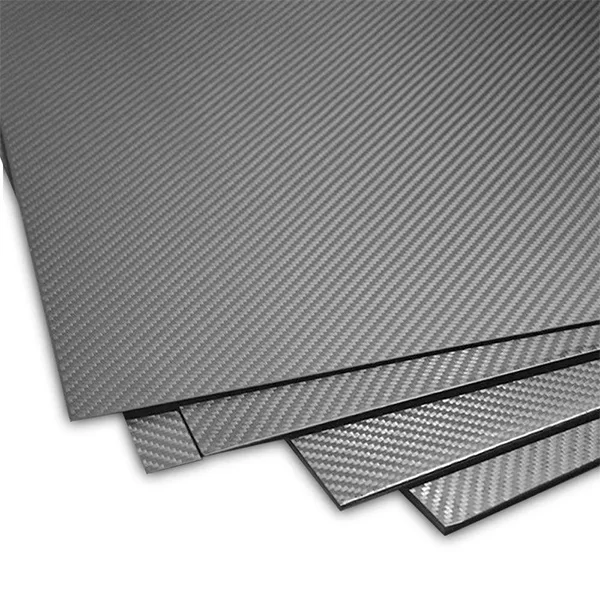
Investment in automated fiber placement (AFP) and other advanced manufacturing techniques will improve production efficiency, reduce labor costs, and enhance product quality. These improvements will make carbon fiber reinforcement more accessible.

Sustainable Composite Materials

There is a growing trend towards using bio-based resins and recycled fibers to create more sustainable composite materials. This approach aligns with global environmental concerns and appeals to environmentally conscious consumers.

Industry Trends and Future Outlook

Predicting the trajectory of the fiberglass industry in Venezuela.

Increased Demand for Sanitation Solutions
Venezuela's ongoing infrastructure challenges will continue to drive demand for robust and affordable sanitation solutions, with fiberglass septic tanks as a key component.
Growth in Infrastructure Projects
Renewed investment in infrastructure development, particularly in housing and transportation, will create opportunities for fiberglass guardrail mesh and other composite materials.
Increased Use of Fiber Glass Rebar
The demand for non-corrosive rebar will increase, driven by the need for durable and low-maintenance infrastructure, making fiber glass rebar a preferred choice.
Adoption of Advanced Composites
The use of higher-performance composites, such as carbon fiber reinforcement, will gradually increase in specialized applications where weight reduction and strength are critical.

Industry Outlook

The Venezuelan fiberglass market is poised for moderate growth in the coming years, driven by reconstruction efforts and the increasing recognition of the benefits of composite materials. However, economic uncertainties and import restrictions will continue to present challenges.

Local manufacturers who can adapt to the changing market conditions, invest in innovative technologies, and establish strong supply chains will be best positioned to capitalize on the opportunities.

Localized Application Scenarios

Practical applications of fiberglass products in Venezuela.

1. Rural Sanitation Systems

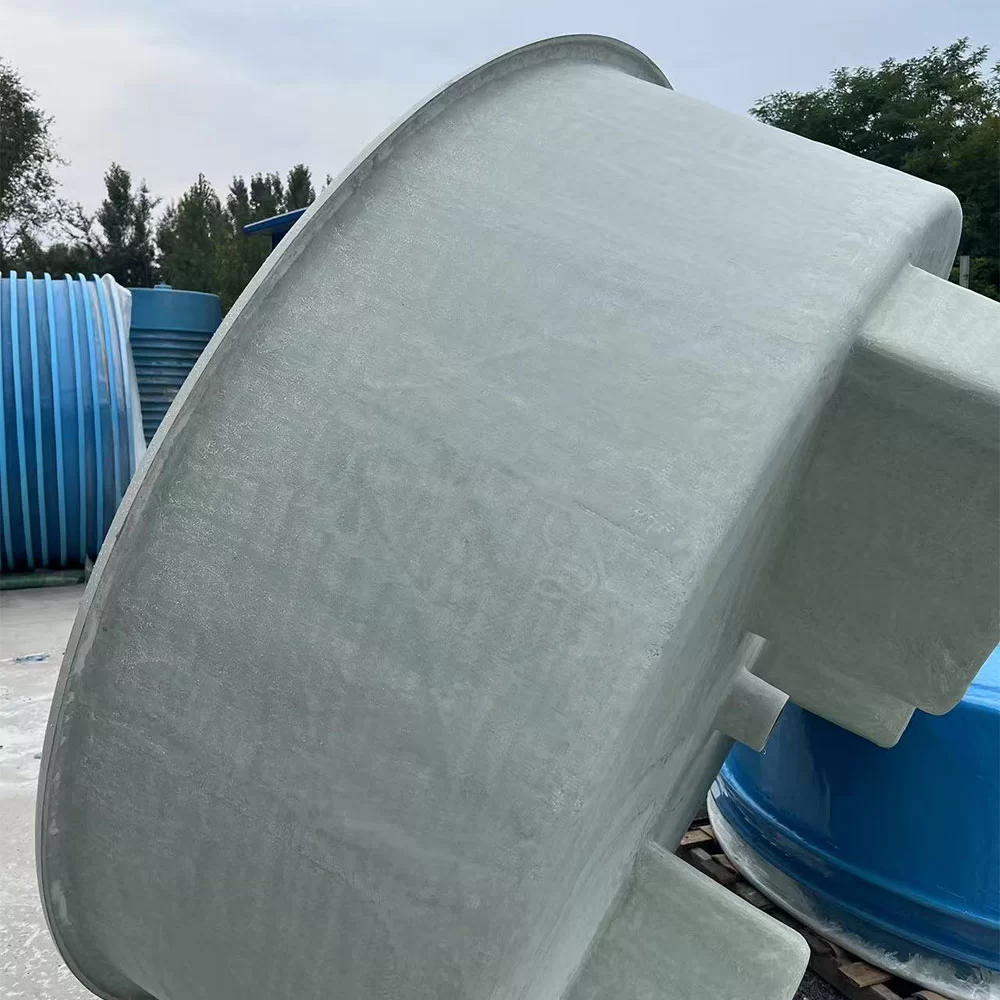
Fiberglass septic tanks are ideally suited for rural communities lacking access to centralized sewage systems. Their lightweight nature facilitates easy transportation and installation in remote areas, providing a sustainable and hygienic sanitation solution.

2. Coastal Infrastructure Protection

Venezuela's extensive coastline is vulnerable to corrosion. Fiberglass guardrail mesh and composite pilings offer superior resistance to saltwater corrosion, extending the lifespan of coastal infrastructure.

3. Water Storage and Distribution

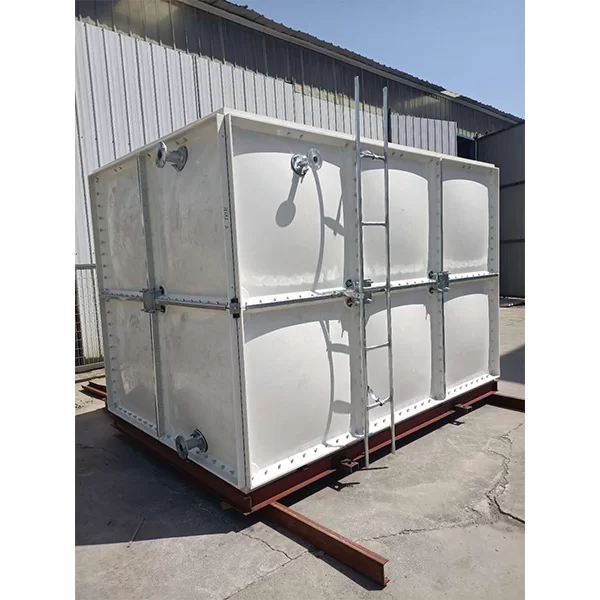
Fiberglass tanks are an excellent choice for storing and distributing potable water, as they do not corrode or leach harmful chemicals into the water supply, ensuring water quality for communities.

4. Bridge Reinforcement

Fiber glass rebar can be used to reinforce existing concrete bridges, increasing their load-bearing capacity and extending their service life, reducing the need for costly replacements.

Brand Story

Hebei Zhongtian Composite Material Group Co., Ltd.'s global development process

Commitment to Quality

Established in 2005, Hebei Zhongtian Composite Material Group Co., Ltd. began with a vision to deliver high-quality composite solutions.

Innovation and Development

Over the years, we've invested heavily in R&D, pioneering new composite technologies to meet evolving industry needs.

Global Expansion

We've expanded our reach globally, providing composite solutions to diverse industries worldwide.

Customer-Centric Approach

We prioritize customer satisfaction, offering tailored solutions and exceptional support.

Sustainability & Responsibility

We are committed to sustainable manufacturing practices and responsible environmental stewardship.

Complete Product Portfolio for the Region

Explore our comprehensive range of fiberglass composite products.

Local Frequently Asked Questions

Addressing common inquiries about our products and services in Venezuela.

What is the lifespan of a fiberglass septic tank compared to a concrete one?

Fiberglass septic tanks generally have a lifespan of 50+ years, significantly longer than concrete tanks which are susceptible to cracking and deterioration. Fiberglass is also impervious to corrosion, enhancing its longevity.

Are fiberglass products suitable for use in highly corrosive environments like coastal areas?

Yes, fiberglass is highly resistant to corrosion from saltwater, chemicals, and other harsh elements. This makes it an ideal material for coastal infrastructure and industrial applications.

What are the installation requirements for fiber glass rebar in concrete structures?

Installation of fiberglass rebar is similar to traditional steel rebar. It requires proper cutting, bending, and tying techniques. Specialized tools are available for efficient installation. Always follow manufacturer's guidelines.

How does the cost of fiberglass septic tanks compare to traditional concrete tanks?

While the initial cost of a fiberglass septic tank might be slightly higher, the long-term cost is often lower due to its extended lifespan, reduced maintenance requirements, and resistance to corrosion.

What are the environmental benefits of using fiberglass composite materials?

Fiberglass composites are lightweight, reducing transportation costs and energy consumption. They are also durable, minimizing the need for frequent replacements and reducing waste. Some composites utilize recycled materials.

Do you provide installation services for fiberglass guardrail mesh in Venezuela?

We currently do not offer direct installation services in Venezuela. However, we can provide technical support and guidance to local contractors to ensure proper installation of our products.

Get in Touch With Us

Ready to discuss your fiberglass composite needs in South America, particularly in Venezuela? Contact us today for a consultation.

Contact Us Now

If you are interested in our products, you can choose to leave your information here, and we will be in touch with you shortly.