Fiberglass Septic Tank Solutions for the Democratic Republic of the Congo

  • Home
  • Global Service
  • Fiberglass Septic Tank Solutions for the Democratic Republic of the Congo

Fiberglass Septic Tank Solutions for the Democratic Republic of the Congo

Enhancing Sanitation and Infrastructure with Durable Fiberglass Products.

Fiberglass Septic Tank Solutions for the Democratic Republic of the Congo

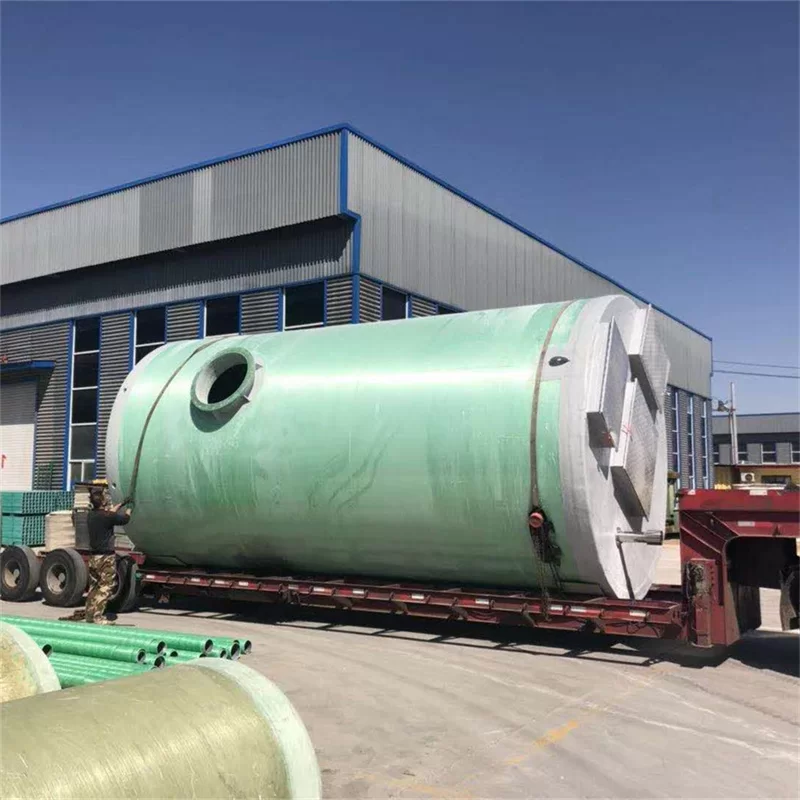
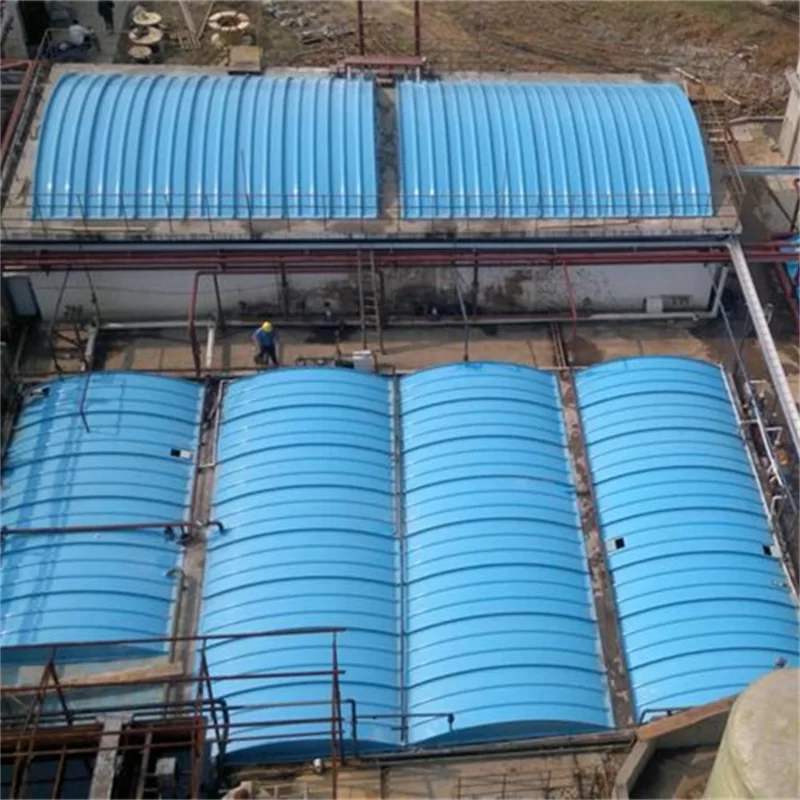
Providing robust and reliable fiberglass septic tank systems tailored for the unique needs of the Democratic Republic of the Congo, contributing to improved public health and sanitation.

Current State of Fiberglass Products in the DRC

An Overview of Market Conditions and Challenges.

The Democratic Republic of the Congo (DRC) presents a unique market for fiberglass products due to its extensive infrastructure needs and challenging environmental conditions. Limited existing sanitation infrastructure combined with rapid urbanization creates a high demand for effective wastewater management solutions, making fiberglass septic tank systems particularly relevant.

However, the DRC also faces challenges such as logistical difficulties, limited access to skilled labor, and economic instability. These factors affect the cost and availability of raw materials and finished products, potentially hindering the widespread adoption of advanced technologies. The reliance on traditional construction materials and methods is still prevalent.

Despite these obstacles, increasing awareness of the benefits of durable and cost-effective materials like fiberglass is driving growth. Investments in infrastructure projects and a growing focus on public health are creating opportunities for the expansion of the fiberglass products market.
Evolution of Fiberglass Reinforced Plastics in the DRC

Tracing the Development and Adoption of FRP Technology.

Market Development History

Prior to the 2000s, the use of fiberglass products in the DRC was minimal, largely confined to specialized industrial applications. Traditional construction materials like concrete and steel dominated the market.

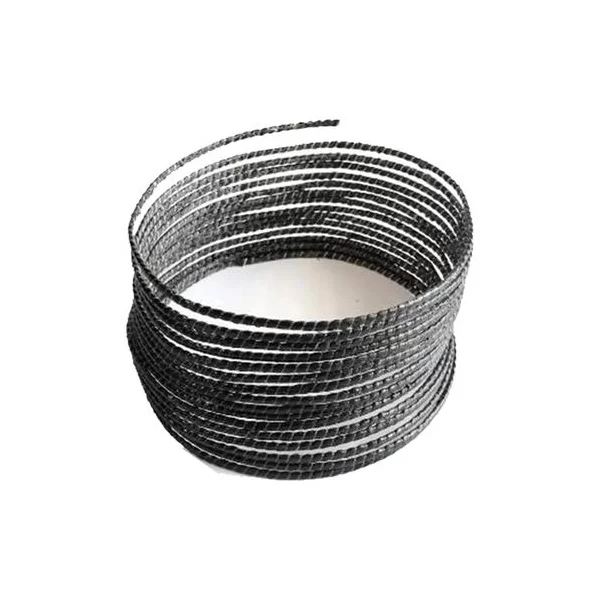
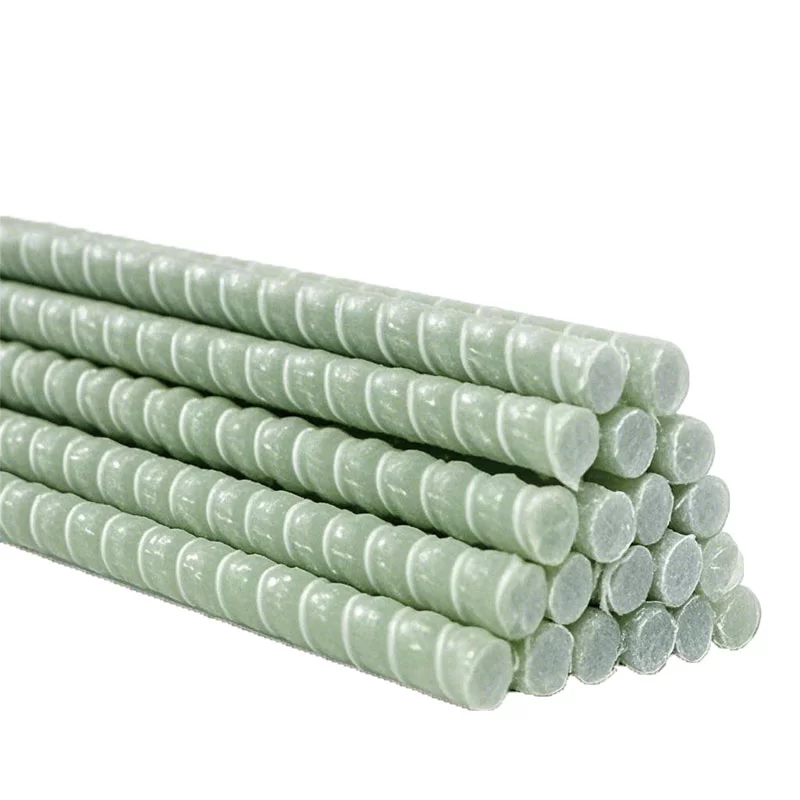
In the early 2000s, with increased foreign investment and a growing awareness of the benefits of composite materials, the use of fiber glass rebar began to emerge in infrastructure projects. This was initially driven by a need for corrosion-resistant materials in harsh environments.

From 2010 onwards, the demand for fiberglass septic tank systems increased significantly, fueled by concerns about sanitation and public health. The cost-effectiveness and ease of installation of these systems made them attractive alternatives to traditional concrete tanks.

Future Development Trends

Increased Adoption of Carbon Fiber Reinforcement

We anticipate a growing demand for carbon fiber reinforcement in structural applications, driven by its superior strength-to-weight ratio and durability. Google Trends data shows a rising search interest in carbon fiber composites within the African continent.

Focus on Sustainable Materials

There is a global trend towards sustainable building materials, and fiberglass composites align with this trend due to their long lifespan and recyclability. This is expected to drive further innovation and adoption in the DRC.

Expansion of Local Manufacturing Capabilities

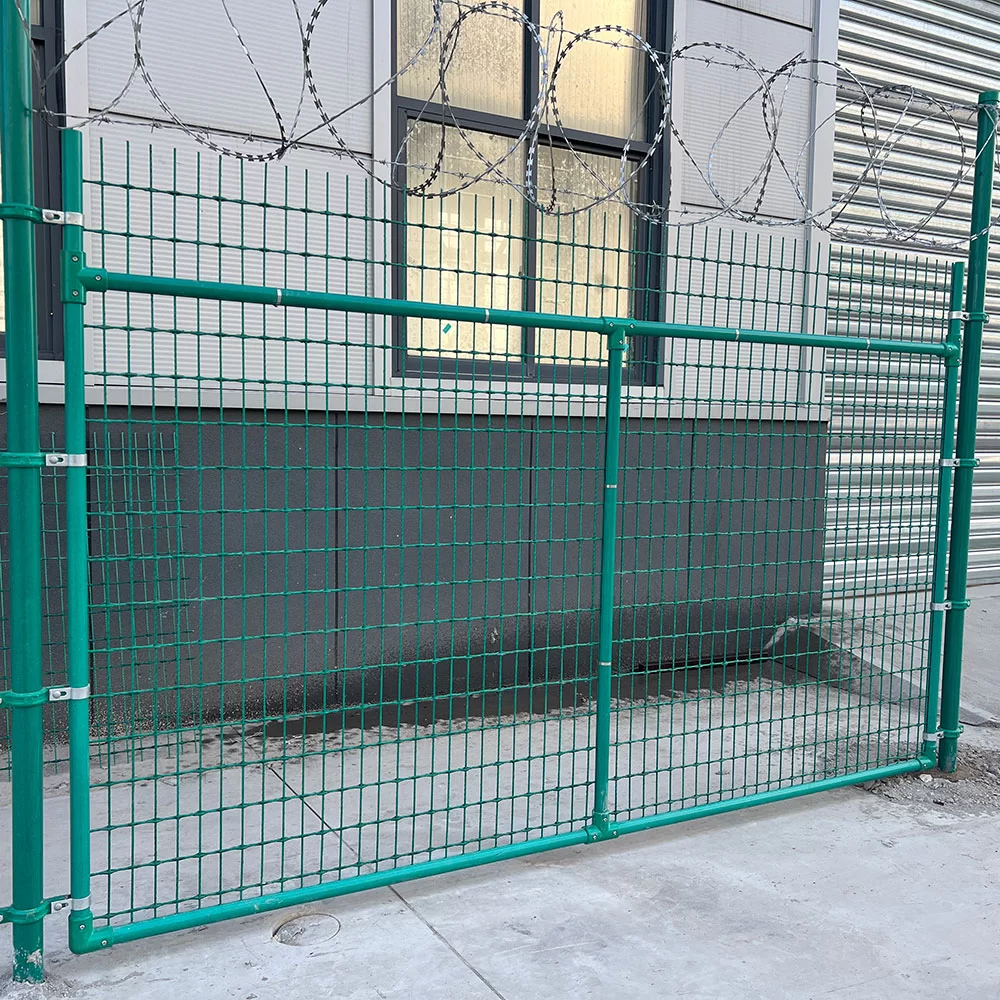
Establishing local manufacturing facilities for fiberglass guardrail mesh and other FRP products will be crucial to reduce costs and improve accessibility, fostering greater market penetration.

Industry Trends and Future Outlook

Projecting Growth and Innovation in the DRC Fiberglass Market.

Growing Demand for Sanitation Solutions
Increased investment in sanitation infrastructure, driven by population growth and health concerns, will significantly boost demand for fiberglass septic tank systems.
Infrastructure Development Projects
Large-scale infrastructure projects, including road construction and building development, will create opportunities for the use of fiberglass guardrail mesh and fiber glass rebar.
Cost-Effectiveness and Durability
The long-term cost savings and durability of fiberglass products will increasingly be recognized by decision-makers.
Government Initiatives & Regulation
Supportive government policies and regulations promoting sustainable construction practices will further accelerate the adoption of fiberglass composites.

Industry Outlook

The DRC's fiberglass market is poised for substantial growth over the next 3-5 years. Driven by increasing infrastructure investment, population growth, and a growing awareness of the benefits of durable and sustainable materials, demand is expected to increase significantly.

However, challenges related to logistics, skills development, and access to finance must be addressed to fully unlock the market's potential. Collaboration between government, private sector, and international organizations will be crucial to fostering a thriving fiberglass industry in the DRC.

Localized Application Scenarios

Specific Use Cases Tailored to the DRC's Environment and Needs.

1. Rural Sanitation Systems

Providing affordable and durable fiberglass septic tank systems for rural communities lacking access to centralized sewage infrastructure. These systems are particularly well-suited to the DRC’s dispersed population and challenging terrain.

2. Corrosion-Resistant Infrastructure

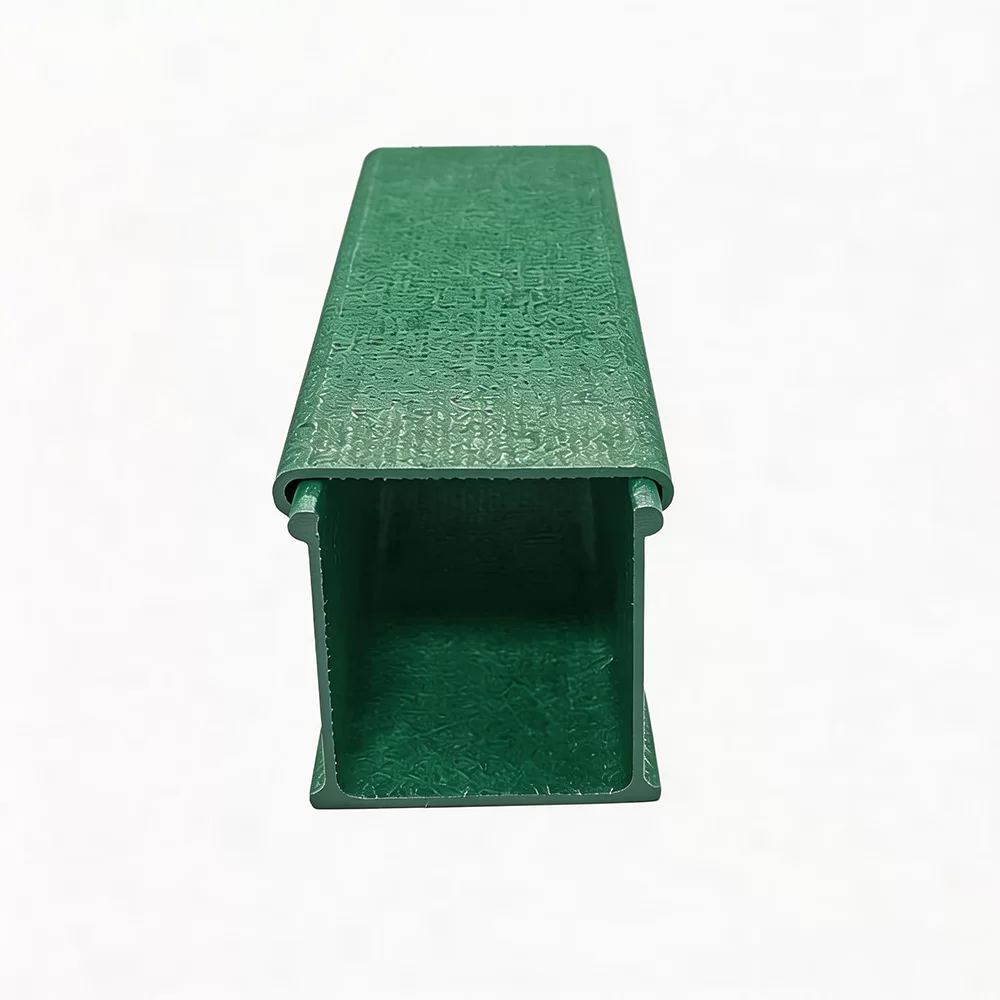
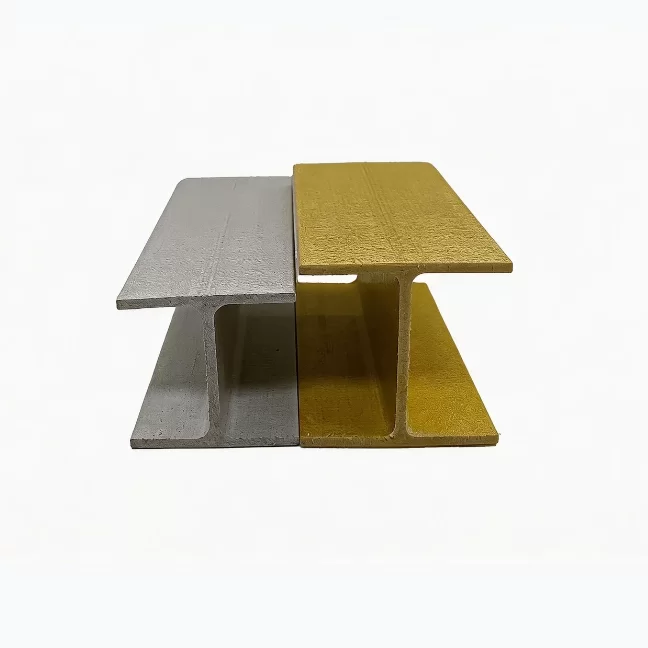
Utilizing fiber glass rebar and fiberglass profiles in the construction of bridges, piers, and other infrastructure exposed to the DRC’s humid climate and corrosive soils, minimizing maintenance costs and extending service life.

3. Agricultural Applications

Implementing fiberglass products in irrigation systems and agricultural structures, offering resistance to chemicals and weathering.

4. Road Safety Barriers

Installing fiberglass guardrail mesh along highways and roads to improve road safety and reduce accident severity. The lightweight and durable nature of fiberglass makes it an ideal material for these applications.

5. Water Storage Solutions

Utilizing fiberglass tanks for safe and reliable water storage in communities with limited access to clean water resources.

Brand Story

Hebei Zhongtian Composite Material Group Co., Ltd.'s Global Development Journey

Commitment to Quality and Innovation

Established in 2005, Hebei Zhongtian Composite Material Group has been dedicated to the research, development, and manufacturing of high-quality fiberglass products.

Expanding Global Reach

Over the years, we've expanded our presence to serve clients worldwide, providing customized solutions for diverse industrial applications.

Focus on Sustainable Solutions

We are committed to developing sustainable and environmentally friendly products that contribute to a better future.

Partnering for Success

We believe in building long-term relationships with our clients based on trust, collaboration, and mutual success.

Serving the DRC

We are dedicated to providing reliable and innovative fiberglass solutions to meet the unique needs of the Democratic Republic of the Congo.

Complete Product Portfolio for the Region

A Comprehensive Range of Fiberglass Solutions for the DRC Market.

Local Frequently Asked Questions

Addressing Common Concerns About Fiberglass Products in the DRC.

What are the key benefits of using fiberglass septic tanks compared to traditional concrete tanks in the DRC?

Fiberglass septic tanks are lighter, more durable, corrosion-resistant, and easier to install than concrete tanks. They also require less maintenance and have a longer lifespan, making them a cost-effective solution for the DRC’s challenging environments.

How does the climate in the DRC affect the lifespan of fiberglass products?

Fiberglass is highly resistant to the humid climate and corrosive soils found in the DRC. Our products are specifically formulated to withstand these conditions, ensuring a long service life.

What is the typical lifespan of a fiberglass guardrail mesh installed in the DRC’s road infrastructure?

Fiberglass guardrail mesh typically has a lifespan of 20-30 years with minimal maintenance, significantly longer than traditional steel guardrails.

Are fiberglass products recyclable at the end of their lifespan in the DRC?

While dedicated recycling facilities for fiberglass are still developing in the DRC, fiberglass is a recyclable material. We are actively working with local partners to explore recycling options and promote sustainable practices.

What level of technical support is available for installing and maintaining fiberglass products in the DRC?

We offer comprehensive technical support, including installation guidance, training programs, and ongoing maintenance assistance. Our team can provide on-site support and remote assistance to ensure successful project implementation.

What certifications do your fiberglass products hold to ensure quality and compliance with international standards?

Our products are certified to meet ISO 9001 quality standards and comply with relevant international regulations. We provide documentation to verify the quality and safety of our materials.

Get in Touch with Us

We are dedicated to providing innovative fiberglass solutions for the Democratic Republic of the Congo. Contact us today to discuss your project requirements.

Contact Us Now

If you are interested in our products, you can choose to leave your information here, and we will be in touch with you shortly.