Fiberglass Septic Tank Solutions for North America

Fiberglass Septic Tank Solutions for North America

Providing Durable and Reliable Fiberglass Products Across the United States.

Fiberglass Septic Tank Solutions for North America

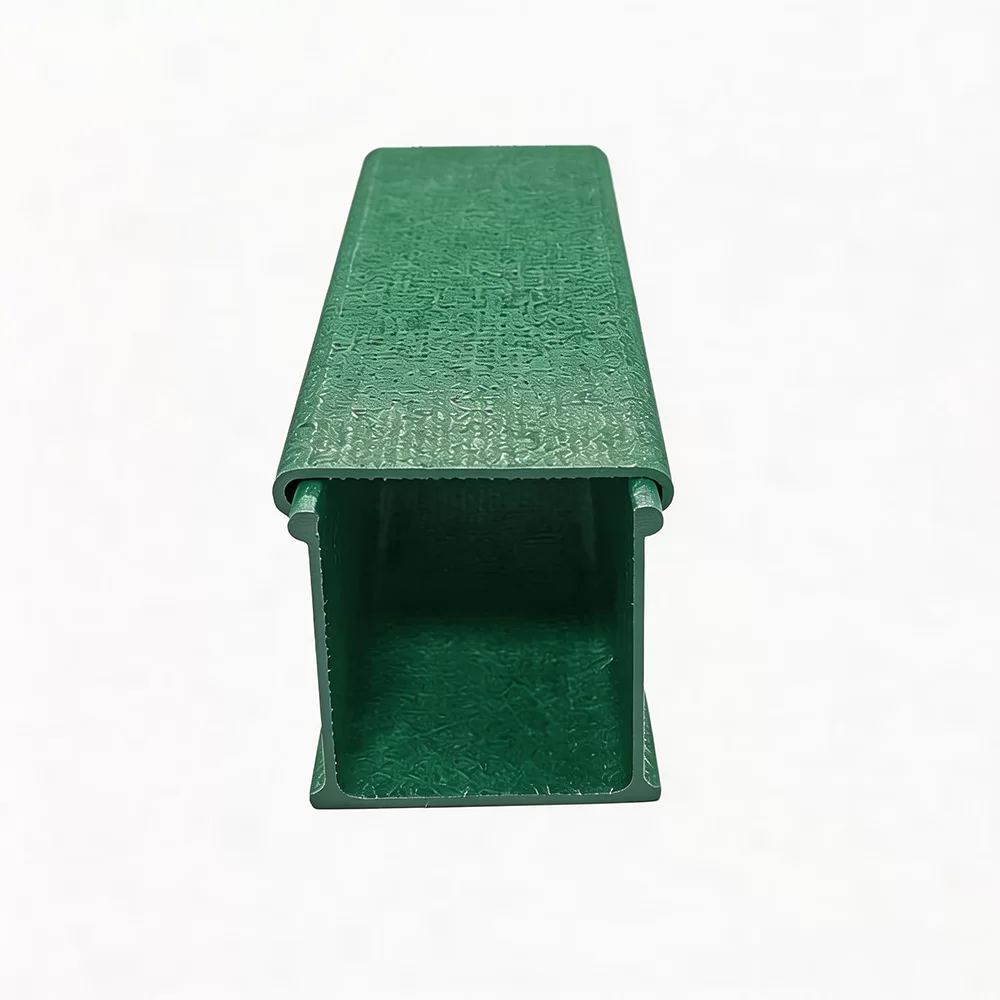
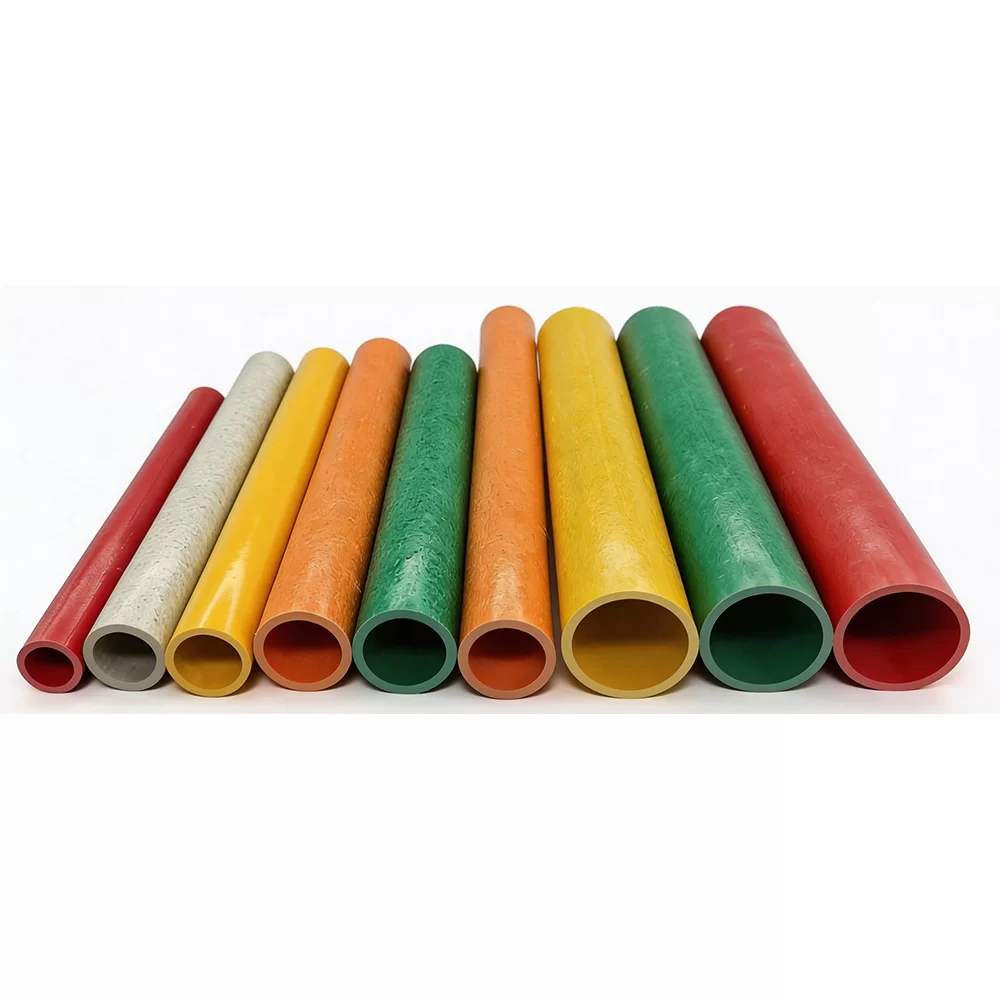
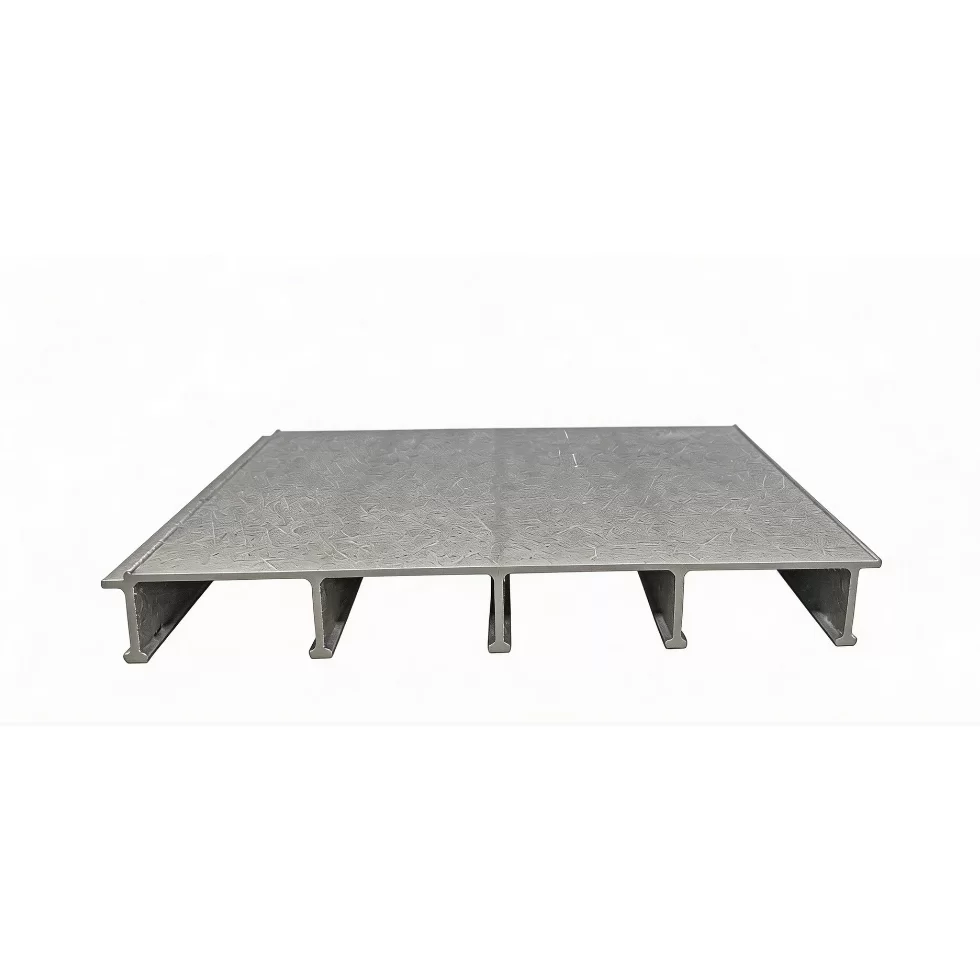
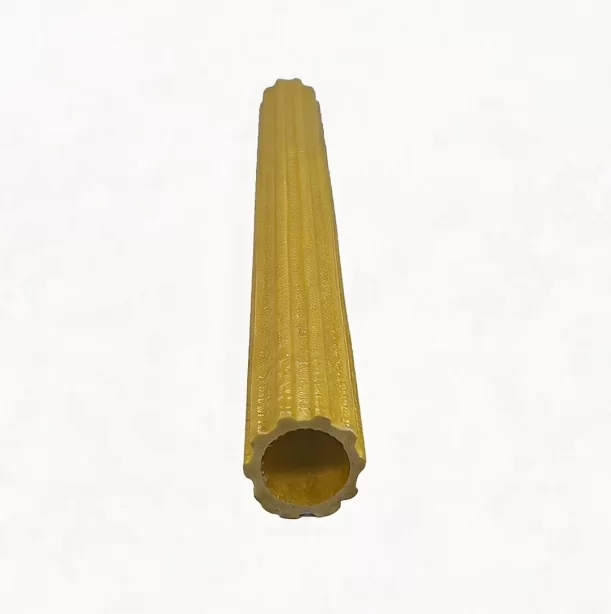
Offering a comprehensive range of fiberglass products designed for various applications throughout North America, with a focus on septic tank solutions, reinforced materials, and durable infrastructure components.

Current State of the Fiberglass Industry in North America

An analysis of the market conditions and growth factors influencing the fiberglass industry in the United States.

The fiberglass industry in North America, particularly the United States, is experiencing steady growth driven by increasing demand across various sectors, including construction, automotive, and infrastructure. The vast geographical landscape and diverse climate conditions of the US necessitate durable and corrosion-resistant materials, making fiberglass products a preferred choice. Rising infrastructure spending and a focus on sustainable materials further contribute to market expansion.

Geographically, the industry is concentrated in states with strong manufacturing bases and proximity to raw material suppliers. The Southeast and Midwest regions are key hubs for fiberglass production. Factors like stringent environmental regulations regarding corrosion prevention in water and wastewater treatment plants are also driving demand for fiberglass septic tank solutions.

Competition within the North American fiberglass market is intense, with both domestic and international players vying for market share. Companies are increasingly focusing on innovation, product diversification, and providing customized solutions to meet specific client requirements. The need for lightweight, high-strength materials is boosting the adoption of fiber glass rebar in construction projects.
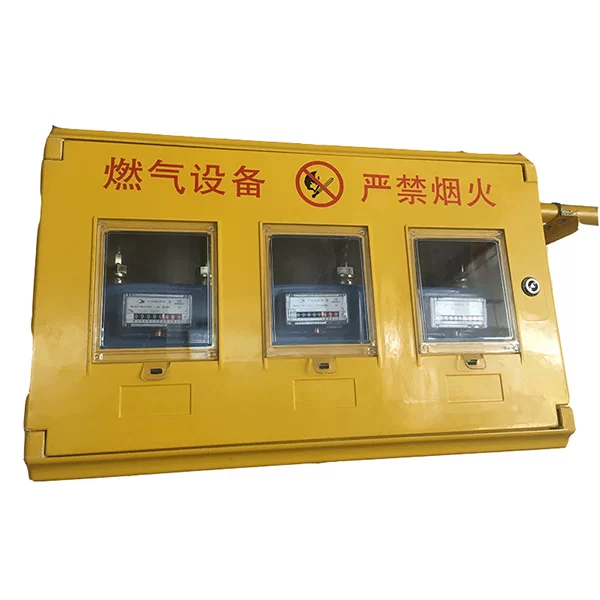
Historical Development and Future Trajectory of Fiberglass Manufacturing

Tracing the evolution of fiberglass technology and anticipating future trends in the industry.

Market Development History

The origins of fiberglass date back to the 1930s, but its widespread adoption began in the post-World War II era with advancements in glass fiber manufacturing and resin technology. Initially used primarily in boat building, fiberglass quickly expanded into other applications like automotive parts and building materials. The 1960s and 70s witnessed significant innovation in fiberglass reinforcement techniques.

The 1980s and 90s saw a growing focus on cost reduction and improved production efficiency. Thermoset resins were dominant, but the introduction of thermoplastic composites began to emerge. During this time, carbon fiber reinforcement started gaining traction in high-performance applications like aerospace.

The 21st century has been characterized by a shift towards sustainable materials, advanced composite designs, and the integration of nanotechnology. Demand for materials with superior strength-to-weight ratios has fueled research and development in high-performance fiberglass composites. The application of fiberglass guardrail mesh has become increasingly common in infrastructure projects due to its durability and low maintenance.

Future Development Trends

Advanced Resin Systems

The development of new resin systems with enhanced properties, such as improved chemical resistance and higher temperature performance, will be crucial. Google Trends data shows increasing search volume for "bio-based resins" and "high-performance polymers."

Automation and Robotics

Increased automation in fiberglass manufacturing processes, including robotic fiber placement and automated resin infusion, will improve efficiency and reduce costs.

Smart Composites

The integration of sensors and data analytics into fiberglass composites, creating "smart materials" capable of monitoring their own structural health, is an emerging trend.

Industry Trends and Future Outlook

Exploring the evolving landscape of the fiberglass industry and its prospects for the coming years.

Sustainable Manufacturing Practices
Growing emphasis on reducing environmental impact through recycled materials and eco-friendly production processes.
Infrastructure Investment
Government initiatives to upgrade infrastructure are driving demand for durable, corrosion-resistant fiberglass materials.
Advanced Composites
The development of advanced composite materials with tailored properties for specific applications will continue.
Digitalization and Data Analytics
The use of data analytics and digital twin technology to optimize manufacturing processes and improve product performance.

Industry Outlook

The fiberglass industry in North America is poised for continued growth, driven by innovation, sustainability concerns, and infrastructure investments. The demand for lightweight, high-performance materials will remain strong, creating opportunities for companies that can deliver cutting-edge solutions.

The adoption of advanced manufacturing techniques and the integration of digital technologies will be essential for maintaining competitiveness. The industry's ability to address environmental challenges and embrace circular economy principles will also be critical for long-term success.

Localized Application Scenarios in North America

Exploring specific applications of fiberglass products tailored to the needs of the North American market.

1. Wastewater Treatment Facilities

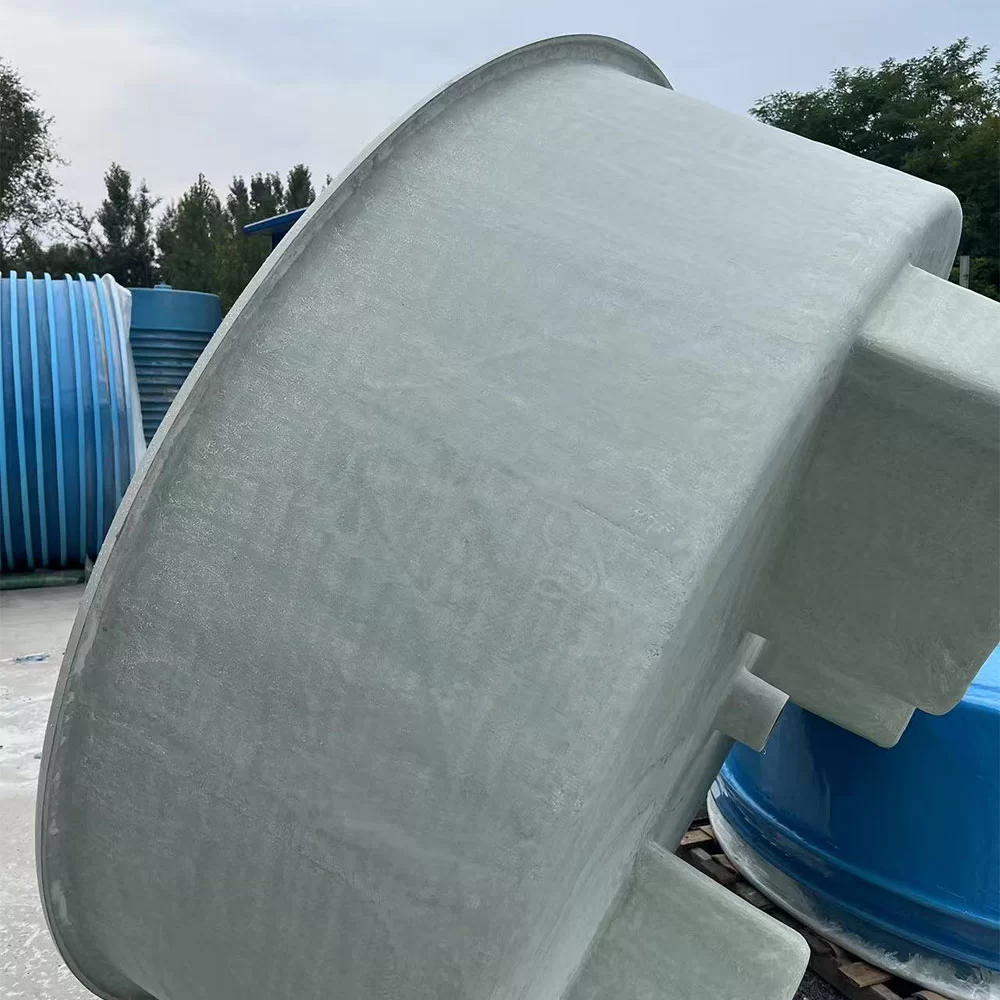
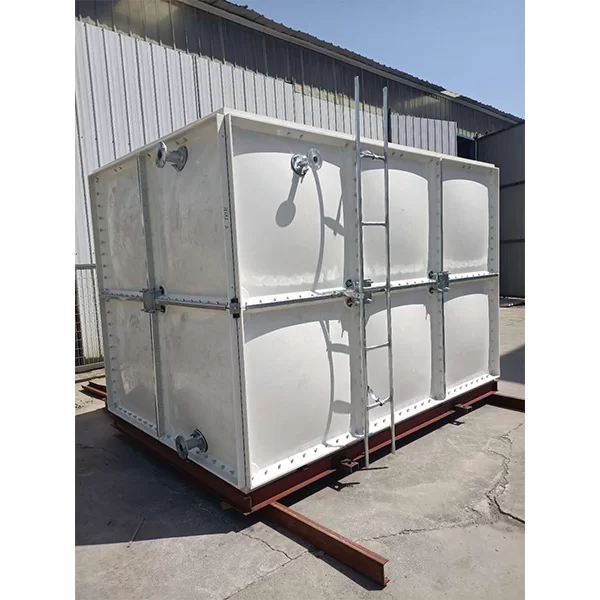
Fiberglass septic tanks and treatment systems are widely used across the US, particularly in rural areas where centralized sewer systems are unavailable. Their durability, corrosion resistance, and lightweight nature make them ideal for these applications.

2. Infrastructure Rehabilitation

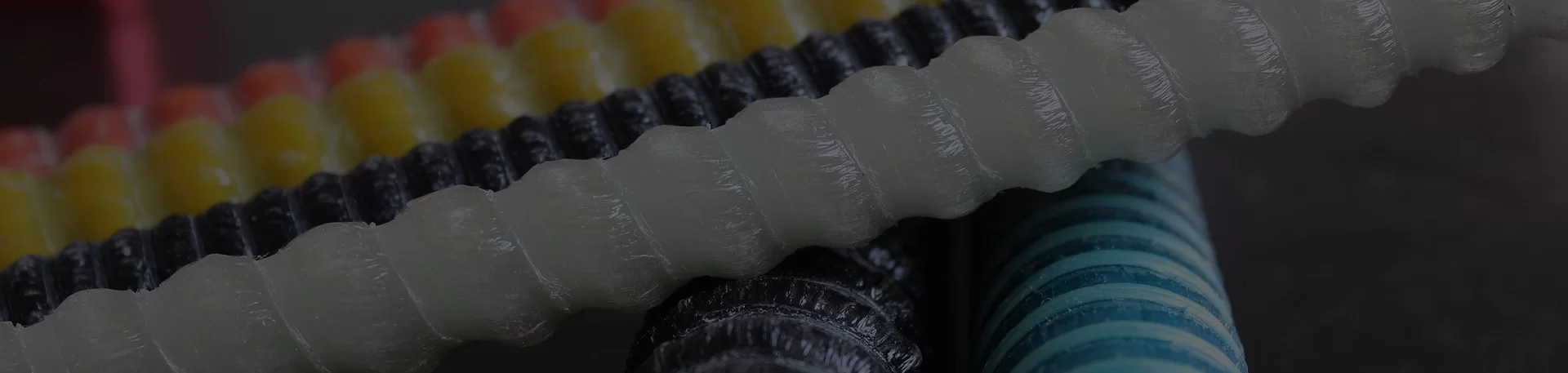
Fiberglass rebar is increasingly being used to reinforce concrete structures, such as bridges and highways, offering a non-corrosive alternative to traditional steel rebar. This is particularly important in coastal regions prone to saltwater corrosion.

3. Wind Energy Components

Fiberglass composites are essential components in wind turbine blades, providing the necessary strength and stiffness to withstand extreme wind conditions. The growth of the wind energy sector in North America drives demand for high-quality fiberglass materials.

4. Corrosion-Resistant Piping Systems

Fiberglass reinforced plastic (FRP) piping systems are used extensively in chemical processing plants, water treatment facilities, and other industries where corrosion is a major concern. These systems offer long-term reliability and reduced maintenance costs.

5. Guardrail Systems

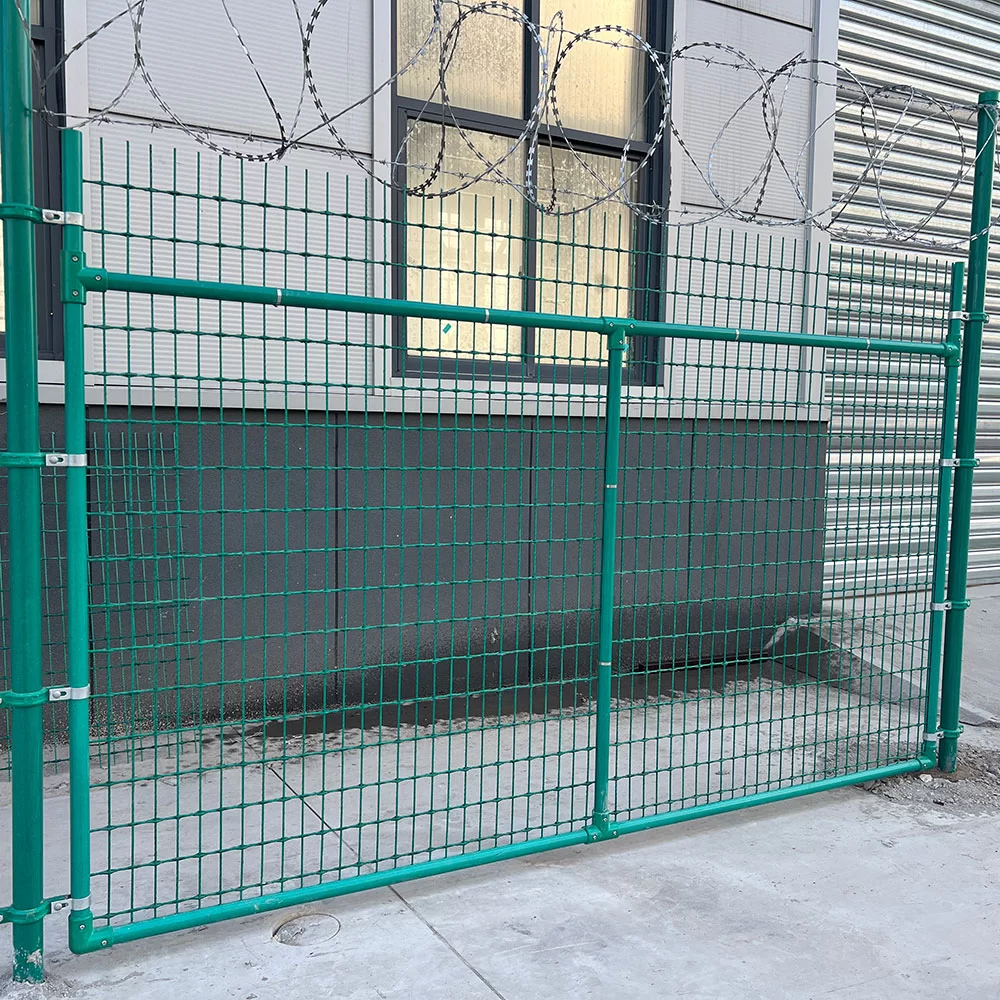
Fiberglass guardrail mesh is utilized in highway safety barriers to enhance impact resistance and reduce maintenance requirements, offering a safer infrastructure solution.

Brand Story

Hebei Zhongtian Composite Material Group Co., Ltd. - Global Development Journey

Foundation and Innovation

Established in 2005, Hebei Zhongtian Composite Material Group Co., Ltd. began as a pioneer in fiberglass product manufacturing, committed to delivering superior quality and innovative solutions.

Technological Advancement

Throughout the 2010s, we invested heavily in research and development, leading to breakthroughs in composite material technology and the expansion of our product portfolio.

Global Expansion

In 2018, we began expanding our reach into international markets, establishing partnerships and serving customers worldwide with our high-performance fiberglass products.

Sustainability Commitment

We are dedicated to sustainable manufacturing practices, reducing our environmental footprint, and providing eco-friendly fiberglass solutions for a better future.

Customer-Centric Approach

Our mission is to provide exceptional customer service, customized solutions, and reliable products that meet the unique needs of our clients.

Complete Product Portfolio for the Region

Offering a comprehensive range of fiberglass products to meet diverse industrial needs.

Frequently Asked Questions – Localized for North America

Addressing common queries regarding our fiberglass products and services in the United States.

What are the key advantages of using fiberglass septic tanks compared to concrete tanks?

Fiberglass septic tanks are significantly lighter than concrete tanks, making installation easier and reducing transportation costs. They are also non-corrosive, ensuring a longer lifespan and minimizing the risk of leaks.

How does fiberglass rebar perform in saltwater environments?

Fiberglass rebar is completely non-corrosive, making it ideal for use in saltwater environments. Unlike steel rebar, it will not rust or degrade, ensuring long-term structural integrity.

What is the typical lifespan of a fiberglass guardrail post?

Fiberglass guardrail posts have a significantly longer lifespan than traditional steel or wood posts, often exceeding 50 years with minimal maintenance.

Can carbon fiber reinforcement be used in residential construction?

While more commonly used in high-performance applications, carbon fiber reinforcement can be utilized in residential construction for specific applications requiring increased strength and durability, such as seismic retrofitting.

What are the environmental benefits of using fiberglass products?

Fiberglass products are lightweight, reducing transportation emissions. They also require less maintenance and have a longer lifespan, minimizing the need for replacements. Furthermore, many fiberglass manufacturing processes are becoming increasingly sustainable.

What is the process for installing fiberglass rebar in concrete?

Installation of fiberglass rebar is similar to steel rebar, involving cutting, bending, and tying the rebar into a cage before pouring the concrete. Specific guidelines and recommendations should be followed based on the application.

Get in Touch With Us

We serve customers throughout North America, providing high-quality fiberglass products and expert support.

Contact Us Now

If you are interested in our products, you can choose to leave your information here, and we will be in touch with you shortly.