
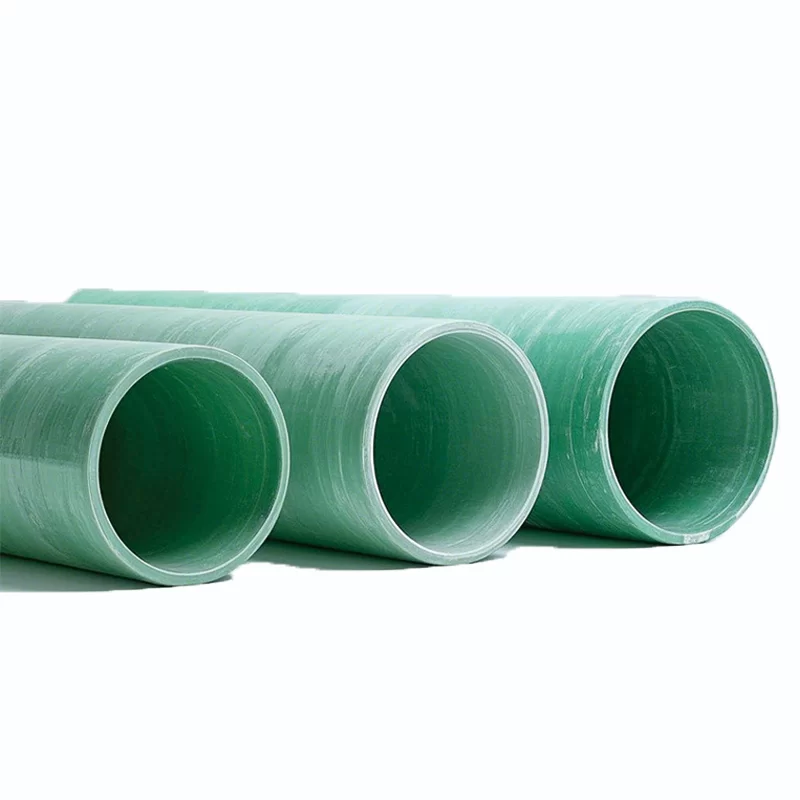
Fiberglass Septic Tank Solutions for Canada

Fiberglass Septic Tank Solutions for Canada

Providing durable and reliable fiberglass septic tank systems across North America.

Fiberglass Septic Tank Solutions for Canada

Offering innovative and cost-effective fiberglass septic tank solutions tailored for the Canadian market.

Current State of Fiberglass Products in Canada

Analyzing the market landscape and demand for fiberglass reinforced plastics in Canada.

Canada’s infrastructure needs, particularly in rural and remote areas, drive demand for durable and lightweight materials. Fiberglass products are increasingly favored over traditional materials like concrete and steel due to their corrosion resistance, reduced installation costs, and longer lifespan. The Canadian climate, with its freeze-thaw cycles, necessitates robust materials, making fiberglass a strong contender.

The Canadian market demonstrates a growing awareness of sustainable building practices, influencing the demand for eco-friendly materials. Fiberglass septic tank systems, for instance, offer a sustainable alternative to concrete tanks, reducing the carbon footprint of wastewater treatment. Regulations concerning wastewater management are also becoming stricter, fueling the need for compliant and efficient solutions.

Geographically, provinces with extensive rural populations and challenging terrains – such as Quebec, Ontario, and the Prairie provinces – present the largest opportunities. The ongoing investments in infrastructure upgrades across Canada, coupled with a growing focus on environmental protection, create a positive outlook for the fiberglass industry.
Evolution of Fiberglass Reinforced Plastics in Canada

Tracing the technological advancements and market trends of fiberglass composites in Canada.

Market Development History

The introduction of fiberglass reinforced plastics (FRP) to Canada in the 1950s initially focused on marine applications, leveraging its lightweight and corrosion-resistant properties. Early adoption was limited due to high production costs and a lack of standardized manufacturing processes.

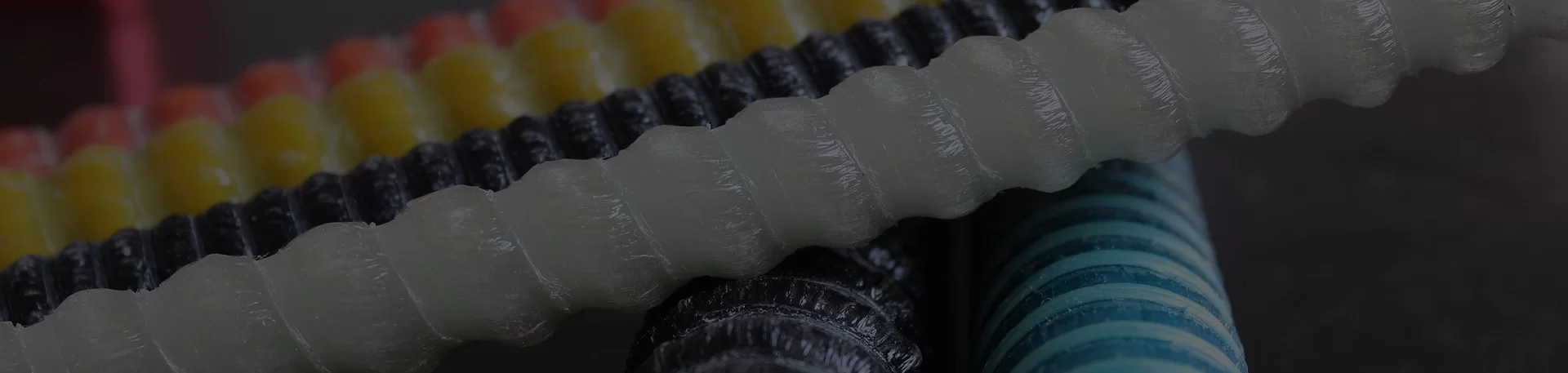
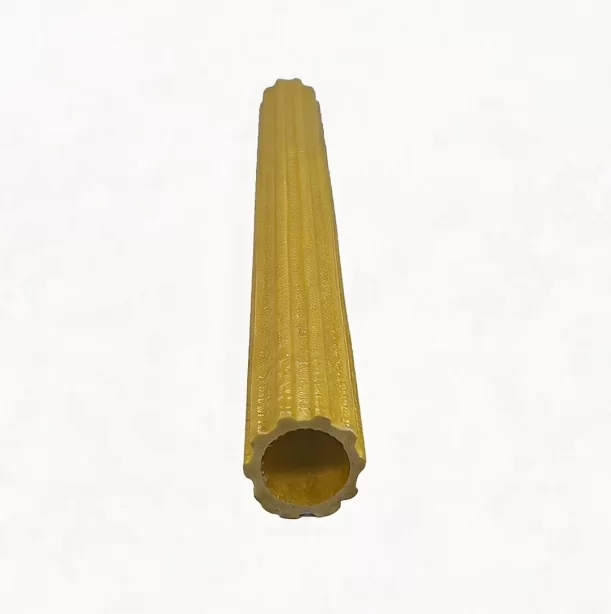
The 1980s witnessed a surge in demand for FRP in the construction and infrastructure sectors. Advances in resin technology and manufacturing techniques – such as pultrusion and filament winding – lowered costs and improved product performance. Fiber glass rebar began to emerge as a viable alternative to steel in concrete structures.

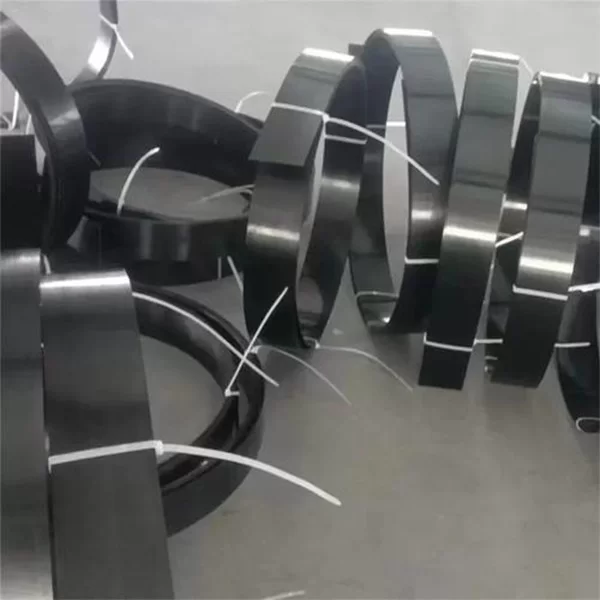
The 21st century saw the integration of advanced materials like carbon fiber reinforcement into fiberglass composites, enhancing strength and stiffness. Focus shifted towards sustainable and environmentally friendly FRP solutions, driven by stricter regulations and growing consumer awareness.

Future Development Trends

Enhanced Resin Systems

Research and development are focused on bio-based resins and advanced polymer matrices to further reduce the environmental impact of FRP products.

Automation and Robotics

Increased automation in manufacturing processes will drive down costs, improve consistency, and enhance production efficiency.

Smart Composites

Integrating sensors and monitoring systems into FRP structures will enable real-time performance assessment and predictive maintenance.

Industry Trends and Future Outlook for Fiberglass in Canada

Exploring emerging technologies and growth opportunities in the Canadian fiberglass market.

Demand for Sustainable Solutions
Increased focus on eco-friendly materials will drive demand for bio-based resins and recyclable FRP products.
Infrastructure Investment
Ongoing infrastructure projects across Canada will create significant opportunities for FRP applications.
Technological Advancements
New FRP materials and manufacturing processes will enhance performance and reduce costs.
Growing Regulatory Compliance
Stricter regulations regarding wastewater management and infrastructure safety will drive demand for compliant FRP solutions.

Industry Outlook

The Canadian fiberglass market is poised for continued growth, driven by increasing demand for durable, sustainable, and cost-effective materials. Innovation in resin technology, manufacturing processes, and composite designs will be key to unlocking new opportunities.

The shift towards sustainable infrastructure and environmental protection will further accelerate the adoption of FRP solutions across various sectors, including wastewater treatment, transportation, and construction.

Localized Application Scenarios in Canada

Exploring real-world applications of fiberglass reinforced plastics across Canadian industries.

1. Municipal Wastewater Treatment Systems

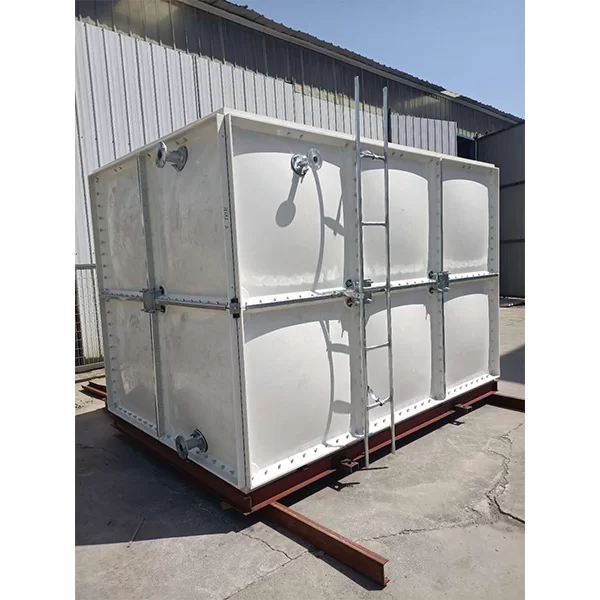
Canada’s numerous municipalities require robust and reliable wastewater treatment facilities. Fiberglass septic tank systems offer a durable and corrosion-resistant solution for storing and treating wastewater, particularly in challenging climates.

2. Bridge and Infrastructure Rehabilitation

Many of Canada’s bridges and infrastructure are aging and require rehabilitation. Fiber glass rebar provides a lightweight and corrosion-resistant alternative to steel reinforcement, extending the lifespan of concrete structures.

3. Industrial Piping and Storage Tanks

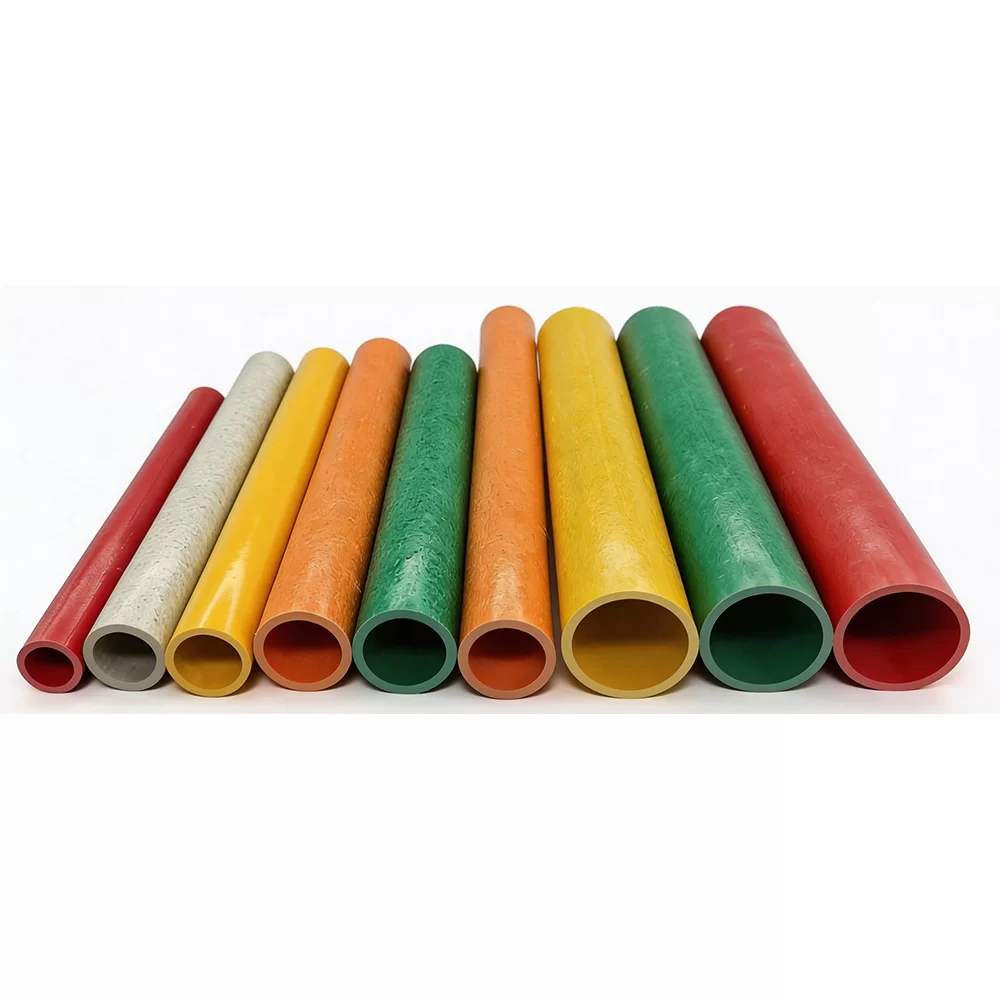
Canadian industries, such as oil and gas, pulp and paper, and mining, rely on durable piping and storage tanks to handle corrosive chemicals. Fiberglass reinforced plastic offers excellent chemical resistance and long-term reliability.

4. Guardrail and Safety Barriers

Fiberglass guardrail mesh provide a superior level of safety in highway and transportation infrastructure. They are lightweight and resistant to extreme weather conditions.

Brand Story

Hebei Zhongtian Composite Material Group Co., Ltd.'s Global Development History

Establishing a Foundation (2005-2010)

Hebei Zhongtian Composite Material Group Co., Ltd. was founded with a vision to revolutionize infrastructure materials. Early efforts focused on mastering fiberglass production techniques and building a strong reputation for quality.

Expanding Product Portfolio (2010-2015)

We broadened our product line to include septic tanks, rebar, and guardrail components, catering to the growing needs of the construction and wastewater industries.

Innovation and R&D (2015-2020)

Investments in research and development led to advancements in resin technology and composite designs, enhancing the performance and sustainability of our products.

Global Market Entry (2020-Present)

We expanded our reach internationally, bringing our innovative fiberglass solutions to markets across North America and beyond.

Commitment to Sustainability

Our mission is to provide durable, sustainable, and cost-effective fiberglass solutions that contribute to a safer and more resilient infrastructure.

Complete Product Portfolio for the Canadian Market

Explore our extensive range of fiberglass products designed to meet the unique needs of Canadian industries.

Frequently Asked Questions - Canada

Addressing common inquiries about our fiberglass products and solutions in Canada.

What is the lifespan of a fiberglass septic tank compared to a concrete tank in a Canadian climate?

Fiberglass septic tanks typically have a lifespan of 50+ years, even in harsh Canadian climates with freeze-thaw cycles, while concrete tanks can be susceptible to cracking and deterioration over time. Fiberglass is also lighter and easier to install.

How does fiberglass rebar perform in concrete structures exposed to de-icing salts in Canada?

Fiberglass rebar is highly resistant to corrosion caused by de-icing salts, making it an ideal reinforcement material for concrete structures in Canadian regions where salt is commonly used for winter road maintenance.

Are fiberglass guardrails compliant with Canadian highway safety standards?

Our fiberglass guardrails are designed and tested to meet or exceed relevant Canadian highway safety standards, ensuring a high level of protection for motorists.

What are the environmental benefits of using fiberglass products over traditional materials in construction?

Fiberglass products often have a lower carbon footprint, require less energy to manufacture, and are durable, reducing the need for frequent replacements. Many fiberglass products can also be recycled.

What is the typical lead time for custom fiberglass septic tank orders in Canada?

Lead times for custom orders vary depending on complexity and current production schedule, but typically range from 4-6 weeks. Please contact our sales team for a specific quote and timeline.

Can fiberglass composite materials be used in direct contact with potable water systems in Canada?

Certain types of fiberglass resins and composites are certified for potable water contact. We offer products specifically designed for such applications, adhering to Canadian drinking water standards.

Get in Touch with Us

We are dedicated to providing high-quality fiberglass solutions to clients across North America - Canada.

Contact Us Now

If you are interested in our products, you can choose to leave your information here, and we will be in touch with you shortly.