Afghanistan’s infrastructure is undergoing a period of rebuilding and development, presenting significant opportunities for durable and cost-effective materials like fiberglass. The demand for fiberglass products is increasing, driven by reconstruction efforts and the need for robust solutions in challenging environments. However, logistical challenges, limited local manufacturing capacity, and economic constraints pose considerable hurdles.
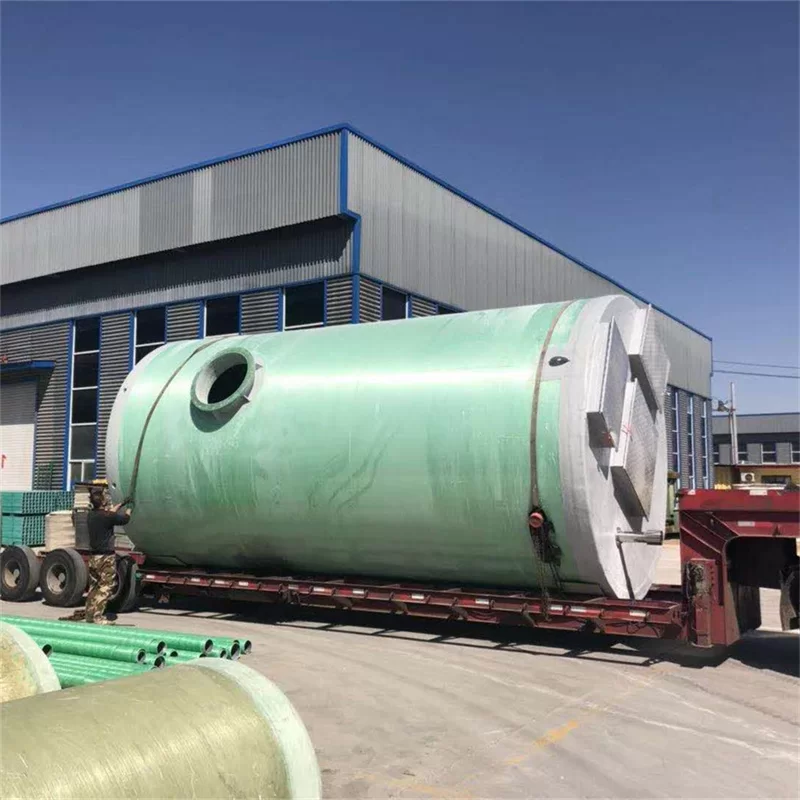
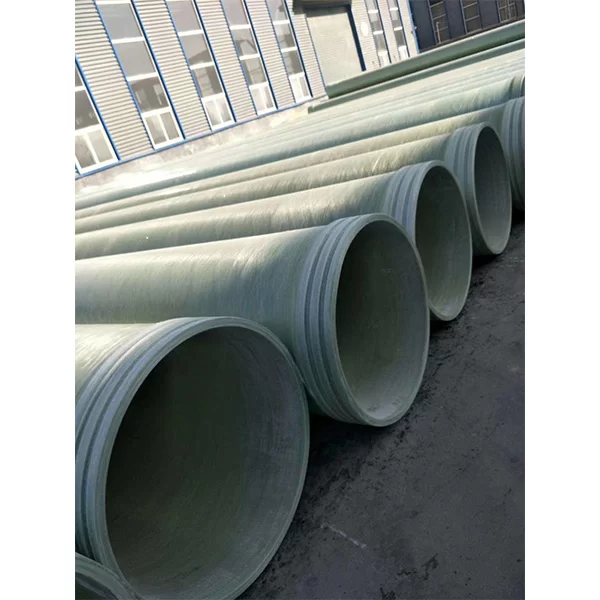
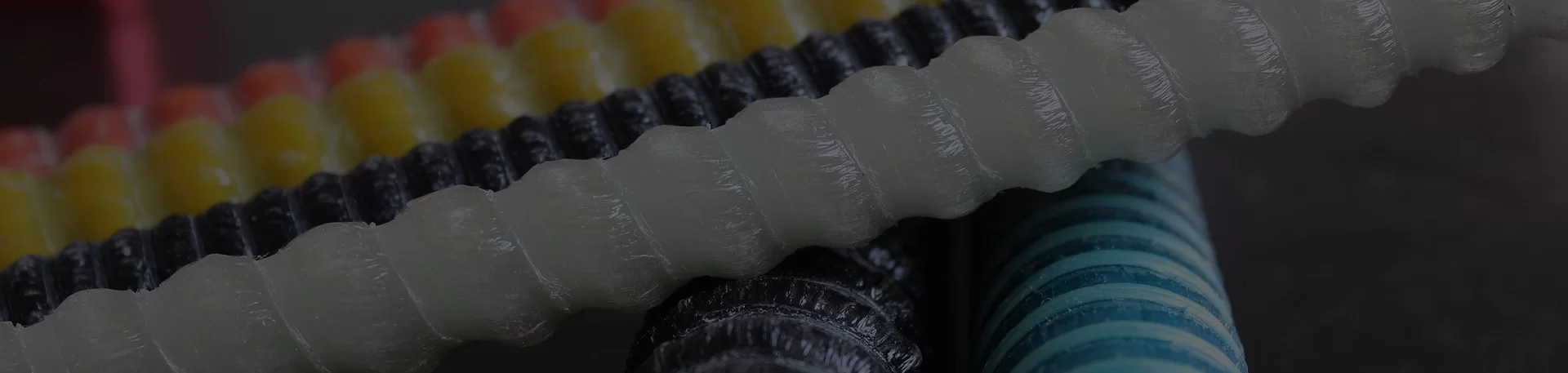
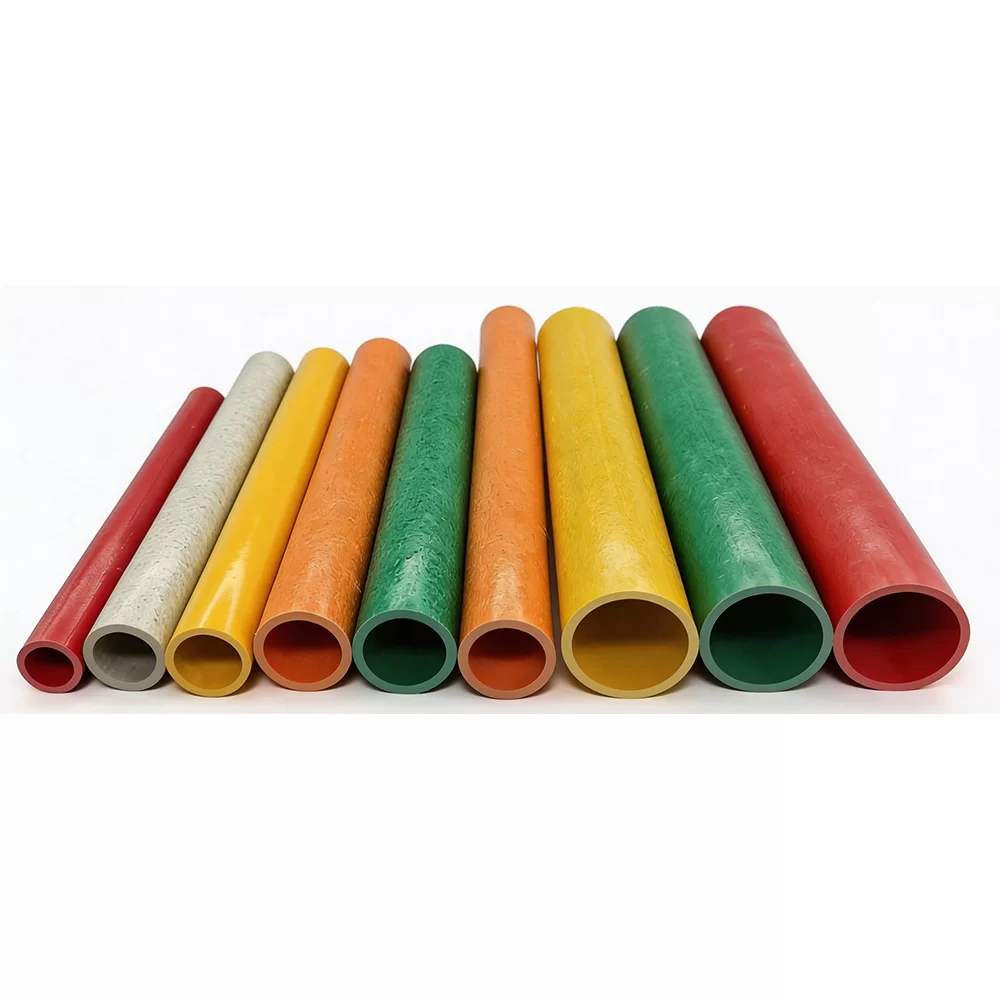
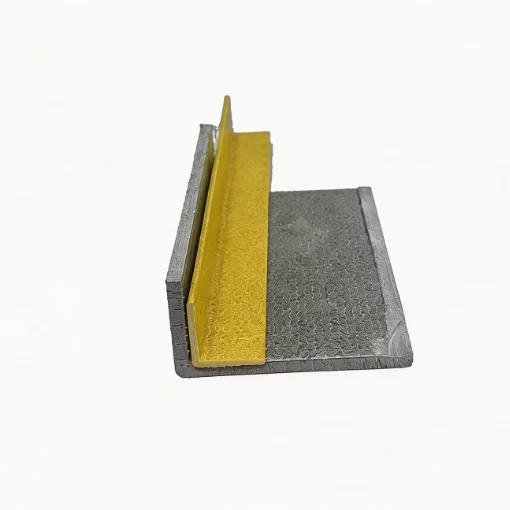
The country’s arid climate and frequent natural disasters necessitate materials that are resistant to corrosion, weathering, and seismic activity. Fiberglass septic tank, fiber glass rebar, and other composite materials offer a superior alternative to traditional materials like concrete and steel in many applications. Importation costs remain high, influencing project budgets.
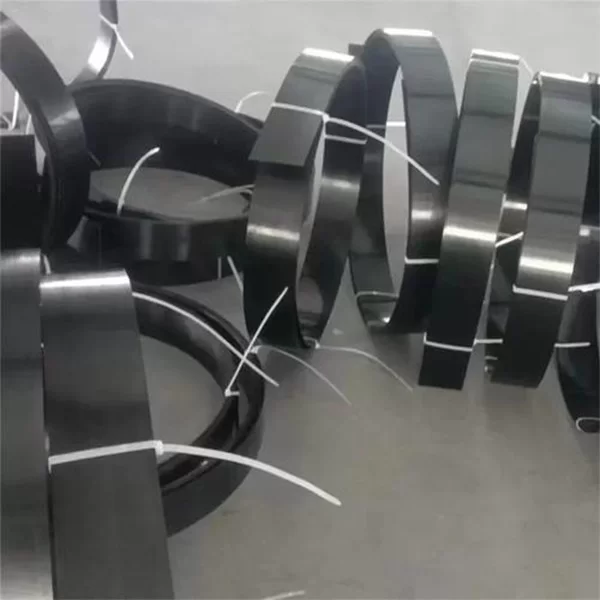
Currently, much of the fiberglass demand is met through imports. There is a growing interest in establishing local manufacturing facilities to reduce reliance on foreign suppliers and create employment opportunities. The adoption of carbon fiber reinforcement is still nascent but gaining traction in specialized applications requiring high strength-to-weight ratios.