Fiberglass Products Solutions for Tajikistan

Fiberglass Products Solutions for Tajikistan

Providing durable and cost-effective fiberglass solutions to meet the growing infrastructure and industrial needs of Tajikistan.

Fiberglass Products Solutions for Tajikistan

Offering a comprehensive range of fiberglass products tailored for the Tajikistan market, focusing on quality, durability, and performance.

Current State of Fiberglass Industry in Tajikistan

Analysis of the fiberglass market dynamics and challenges in Tajikistan.

Tajikistan, with its developing infrastructure and focus on agricultural improvement, presents a growing demand for durable and corrosion-resistant materials. The current fiberglass industry in Tajikistan is relatively nascent, largely reliant on imports to meet its needs. However, increasing awareness of the benefits of fiberglass products is driving a slow but steady increase in local demand. The mountainous terrain and varying climates necessitate robust materials for construction and agricultural applications.

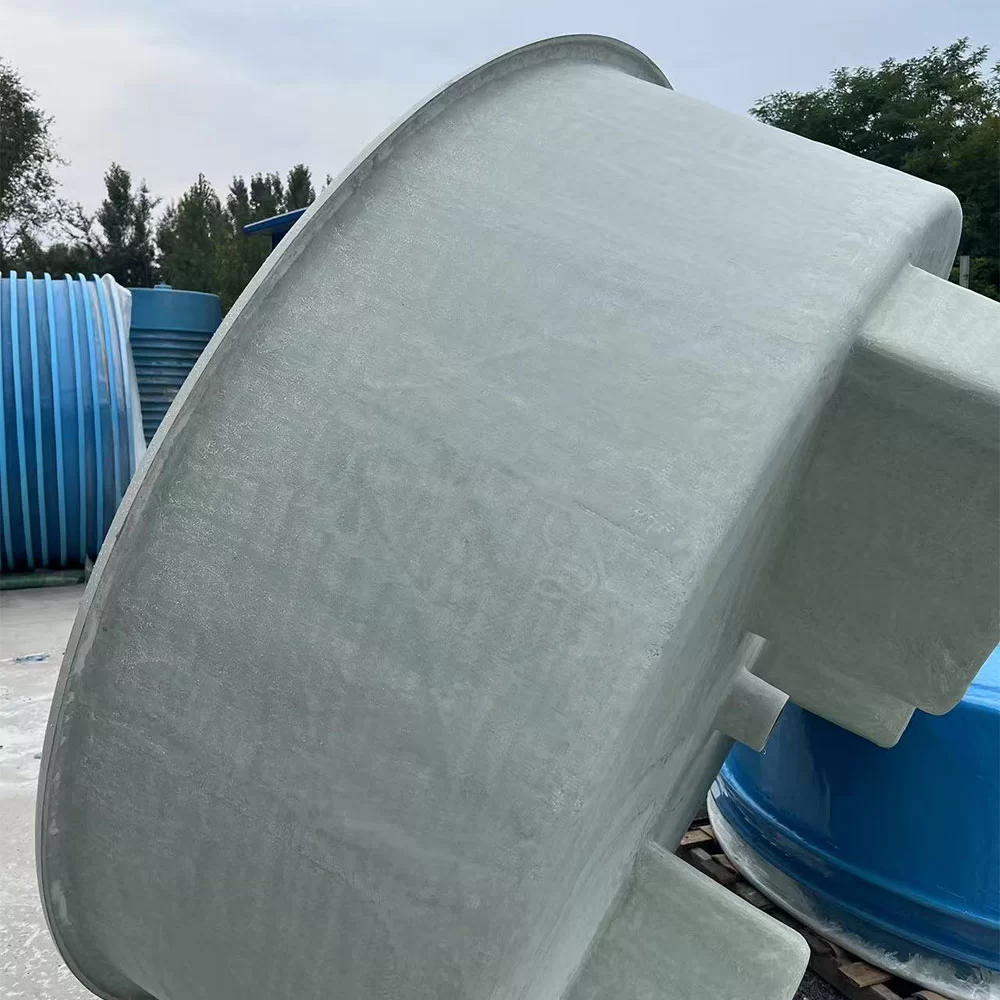
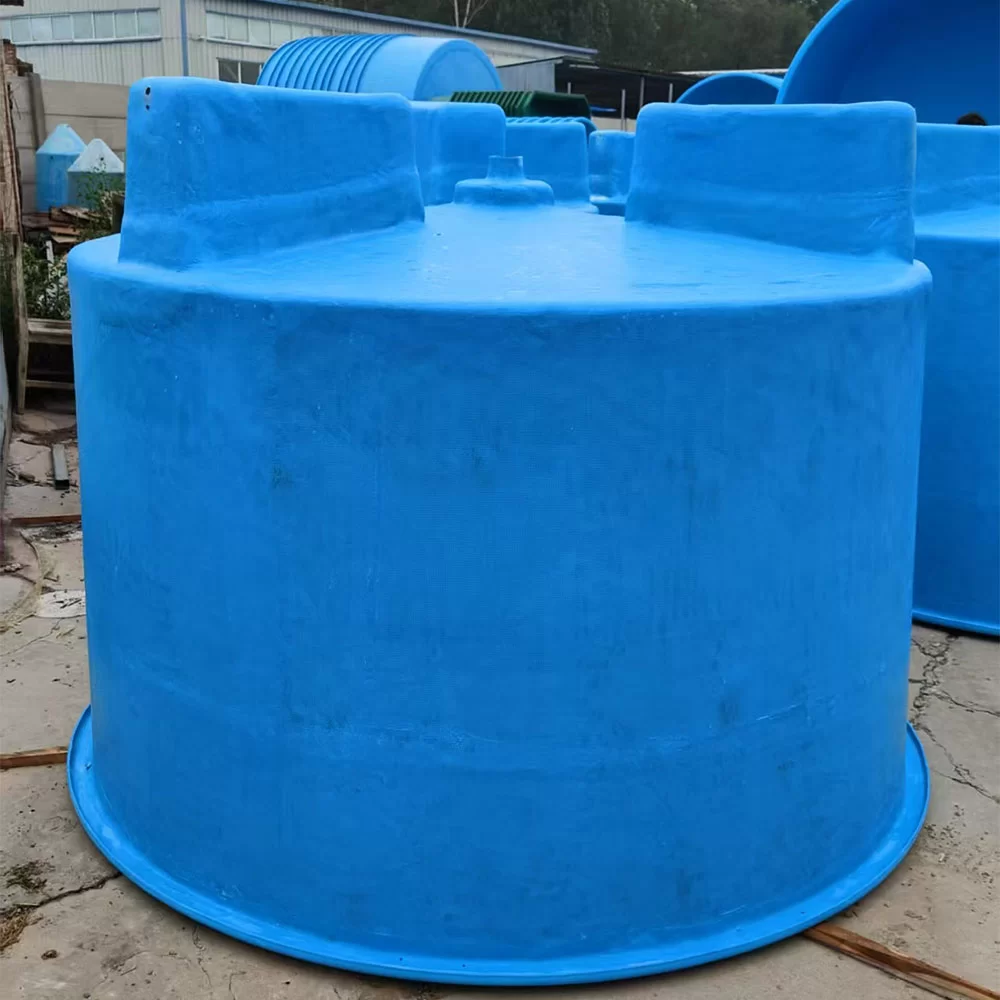
The primary applications currently driving demand include fiberglass septic tank for improved sanitation, especially in rural areas, and components for water management systems. Limited local manufacturing capacity results in higher costs and longer lead times. Government initiatives focused on infrastructure development and agricultural modernization are expected to further stimulate growth in this sector.

Despite the growth potential, challenges remain. These include a lack of skilled labor, limited access to financing for local manufacturers, and competition from cheaper, lower-quality alternatives. Establishing a sustainable local fiberglass industry requires investment in training, technology transfer, and supportive government policies.
Evolution of Fiberglass Technology & Market Trajectory

Tracing the historical development and future trends of fiberglass manufacturing and applications in Tajikistan.

Market Development History

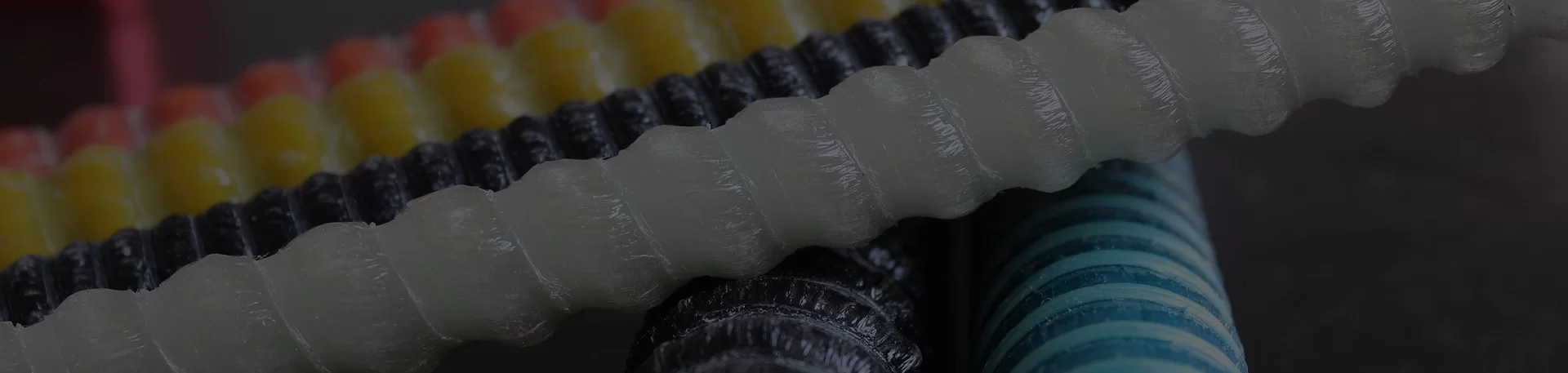
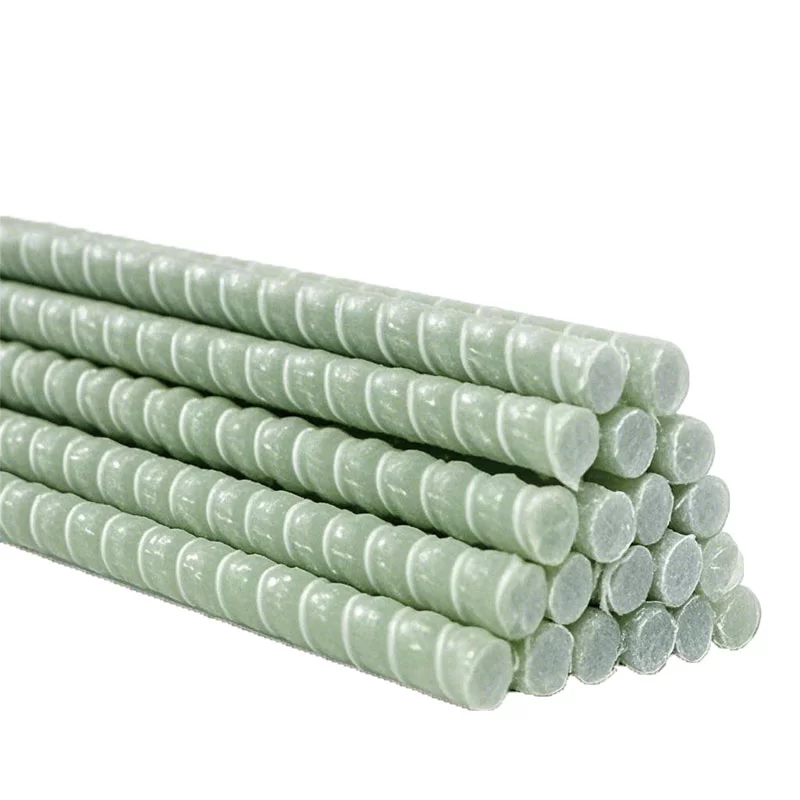
The use of fiberglass in Tajikistan historically began with imported solutions for specialized industrial applications in the late 20th century. Early applications were limited due to high costs and limited awareness. The 2000s saw a gradual increase in the adoption of fiberglass rebar for reinforcing concrete structures, particularly in areas prone to seismic activity.

Around 2010, the increased focus on sustainable sanitation systems drove demand for fiberglass septic tank, offering a longer lifespan and reduced environmental impact compared to traditional concrete tanks. This period also witnessed the initial import of fiberglass components for irrigation systems, addressing water scarcity concerns.

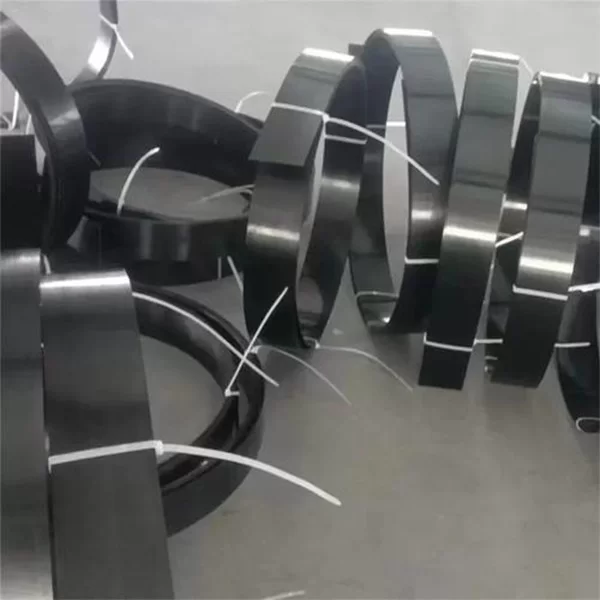
In recent years (2018-Present), awareness of carbon fiber reinforcement and its applications in strengthening existing infrastructure has grown, although adoption remains limited due to cost considerations. Growing environmental awareness and government initiatives focusing on sustainable construction are accelerating market growth.

Future Development Trends

Increased Adoption of Composite Materials

The use of fiberglass and other composite materials will expand beyond traditional applications, finding use in sectors like transportation (vehicle bodies, components), and renewable energy (wind turbine blades).

Focus on Local Manufacturing

Government incentives and private investment will encourage the establishment of local fiberglass manufacturing facilities, reducing reliance on imports and creating jobs.

Technological Advancements

The introduction of advanced manufacturing techniques, such as automated fiber placement and resin transfer molding, will improve product quality, reduce costs, and enable the production of more complex fiberglass components.

Industry Trends & Future Outlook for Fiberglass in Tajikistan

Predicting the future direction of the fiberglass industry in Tajikistan.

Growing Infrastructure Development
Tajikistan’s ongoing infrastructure projects will drive demand for durable and corrosion-resistant materials like fiberglass.
Increased Agricultural Investment
Government investment in agriculture will boost demand for fiberglass irrigation systems and storage tanks.
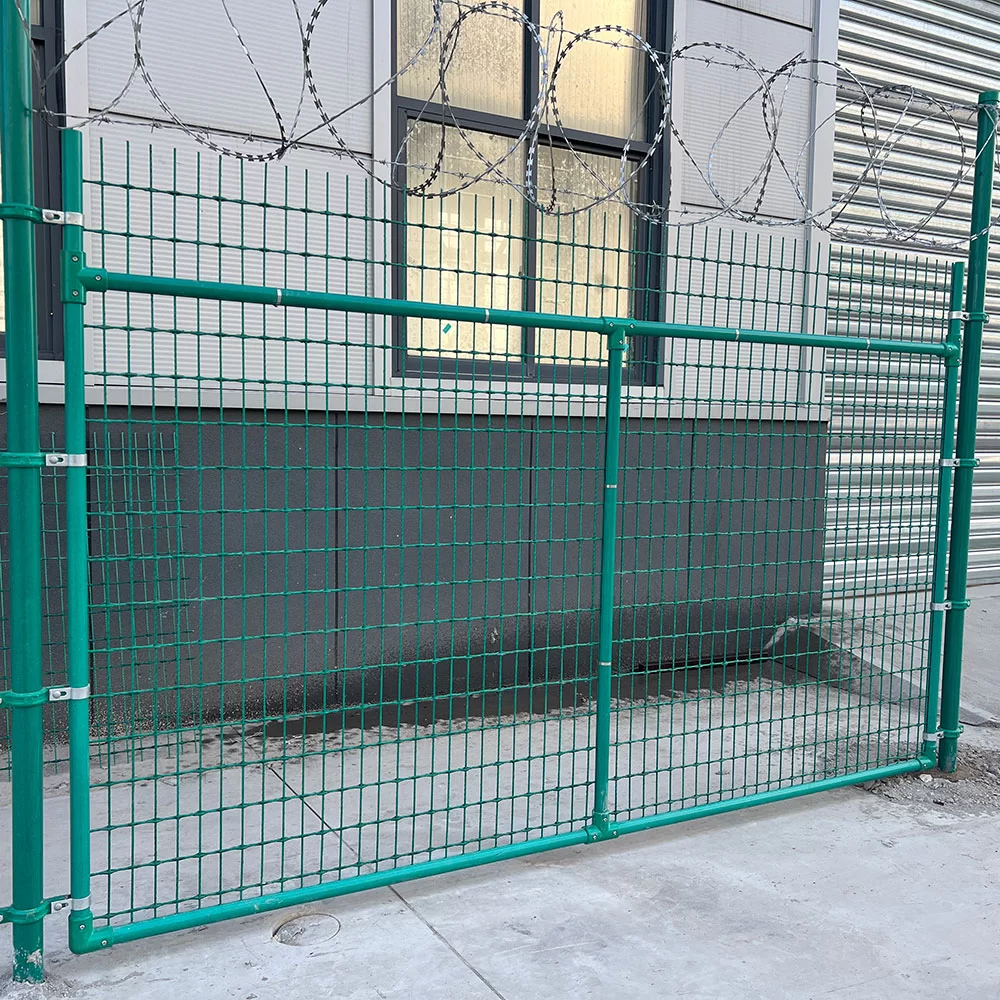
Road construction and safety upgrades will increase demand for fiberglass guardrail mesh for enhanced roadside safety.
Focus on Sustainable Solutions
Growing environmental concerns will drive demand for durable and recyclable fiberglass products as a sustainable alternative to traditional materials.

Industry Outlook

The fiberglass industry in Tajikistan is poised for significant growth over the next 3-5 years. Government support for infrastructure development, coupled with increasing awareness of the benefits of fiberglass, will create a favorable environment for investment and expansion. Key opportunities lie in localizing manufacturing, developing specialized products tailored to local needs, and promoting the environmental advantages of fiberglass.

However, challenges such as limited access to financing and a shortage of skilled labor need to be addressed to unlock the full potential of the industry. Strategic partnerships between local manufacturers and international technology providers can help accelerate the adoption of advanced manufacturing techniques and enhance product quality.

Local Applications of Fiberglass Products in Tajikistan

Specific use cases demonstrating the versatility of fiberglass in the Tajikistani context.

1. Irrigation Canal Linings

Fiberglass reinforced plastic (FRP) linings are ideal for rehabilitating and protecting Tajikistan's extensive irrigation canal network, minimizing water loss due to seepage and improving efficiency. This is crucial in a region facing water scarcity.

2. Rural Septic Systems

Lightweight and durable fiberglass septic tank are easily transported and installed in remote rural areas, providing improved sanitation and public health.

3. Mountain Road Reinforcement

The challenging mountainous terrain of Tajikistan requires robust infrastructure solutions. Fiberglass guardrail mesh and other FRP components enhance the safety and longevity of roads and bridges.

4. Agricultural Storage Tanks

Fiberglass storage tanks are used for safely storing fertilizers, pesticides, and harvested crops, offering corrosion resistance and protecting agricultural yields.

Brand Story

Hebei Zhongtian Composite Material Group Co., Ltd.'s global development history

Commitment to Quality & Innovation

Since our inception, we have been dedicated to providing high-quality fiberglass products that meet the evolving needs of our clients. We constantly invest in research and development to improve our products and processes.

Global Reach, Local Expertise

We serve customers worldwide, with a deep understanding of local market conditions and requirements. We tailor our solutions to ensure optimal performance and value.

Sustainable Manufacturing Practices

We are committed to environmentally responsible manufacturing practices, minimizing our carbon footprint and promoting the use of sustainable materials.

Dedicated Customer Support

We provide comprehensive customer support, from product selection to installation and maintenance, ensuring a seamless experience for our clients.

Solving Infrastructure Challenges

Our mission is to provide innovative fiberglass solutions that address critical infrastructure challenges, improving the quality of life and promoting sustainable development in Tajikistan and beyond.

Comprehensive Product Portfolio for the Local Market

A complete range of fiberglass products designed for Tajikistan's unique needs.

Frequently Asked Questions about Fiberglass in Tajikistan

Addressing common concerns and queries regarding fiberglass products in the local market.

What are the primary benefits of using fiberglass rebar in construction projects in Tajikistan?

Fiberglass rebar offers superior corrosion resistance compared to steel rebar, making it ideal for use in Tajikistan's diverse climates and soil conditions. It’s also lighter, reducing transportation costs, and non-conductive, improving safety.

How does the lifespan of a fiberglass septic tank compare to a concrete septic tank in Tajikistan’s climate?

Fiberglass septic tanks typically have a lifespan of 50+ years due to their resistance to corrosion and cracking, significantly exceeding the lifespan of concrete tanks, especially in areas with fluctuating temperatures and aggressive soil conditions.

What are the specific applications of carbon fiber reinforcement in repairing aging infrastructure in Tajikistan?

Carbon fiber reinforcement is used to strengthen bridges, buildings, and other structures, increasing their load-bearing capacity and extending their service life without extensive and costly reconstruction.

Is fiberglass guardrail mesh a cost-effective alternative to traditional metal guardrails in Tajikistan's mountainous regions?

Yes, fiberglass guardrail mesh offers a longer lifespan, reduced maintenance costs, and improved safety features compared to metal guardrails, making it a cost-effective solution for protecting roads in mountainous areas.

What level of maintenance is required for fiberglass irrigation systems installed in Tajikistan's agricultural areas?

Fiberglass irrigation systems require minimal maintenance due to their corrosion resistance and durability. Regular inspections for any physical damage are recommended, but they generally don’t require painting or chemical treatments.

How does the weight of fiberglass products impact transportation costs within Tajikistan's challenging terrain?

Fiberglass products are significantly lighter than traditional materials like steel or concrete, reducing transportation costs, especially in areas with difficult access and limited infrastructure.

Get in Touch with Us

We are ready to discuss your fiberglass needs in Tajikistan and provide tailored solutions for your projects.

Contact Us Now

If you are interested in our products, you can choose to leave your information here, and we will be in touch with you shortly.