
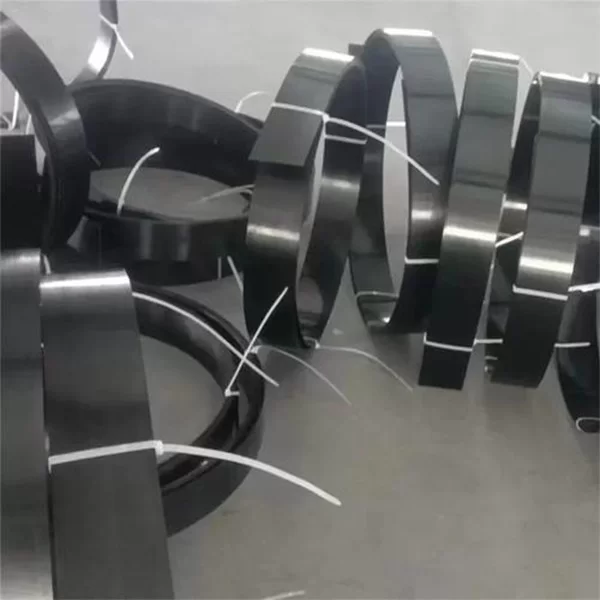
Fiberglass Products for Libyan Infrastructure Projects

Fiberglass Products for Libyan Infrastructure Projects

Delivering durable and cost-effective composite solutions to Libya's growing market.

Fiberglass Products for Libyan Infrastructure Projects

Offering a comprehensive range of fiberglass reinforced polymer (FRP) products designed to enhance durability and reduce lifecycle costs in Libya.

Current State of Fiberglass Products in Libya

Understanding the Libyan market challenges and opportunities for fiberglass composites.

Libya's infrastructure is undergoing reconstruction following years of conflict, creating a substantial demand for durable and cost-effective building materials. Fiberglass products offer a compelling alternative to traditional materials like steel and concrete, particularly in corrosive environments. The country's coastal location and arid climate present unique challenges for infrastructure longevity.

Currently, the Libyan market for fiberglass septic tank systems is relatively nascent, with a growing awareness of the need for sustainable wastewater management solutions. Import reliance is significant, and local manufacturing capacity is limited, creating opportunities for investment and growth. Political instability and logistical hurdles remain key challenges.

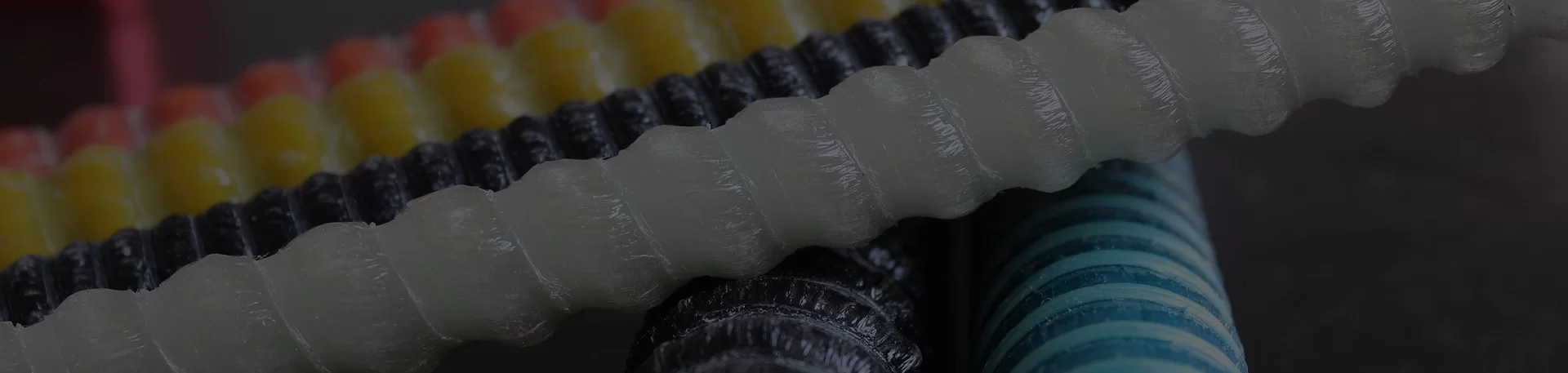
The demand for fiber glass rebar is increasing as construction projects resume, driven by its superior corrosion resistance compared to steel rebar. The high cost of imported materials is a significant factor influencing adoption rates. Carbon fiber reinforcement is slowly gaining traction in specialized applications requiring high strength-to-weight ratios.
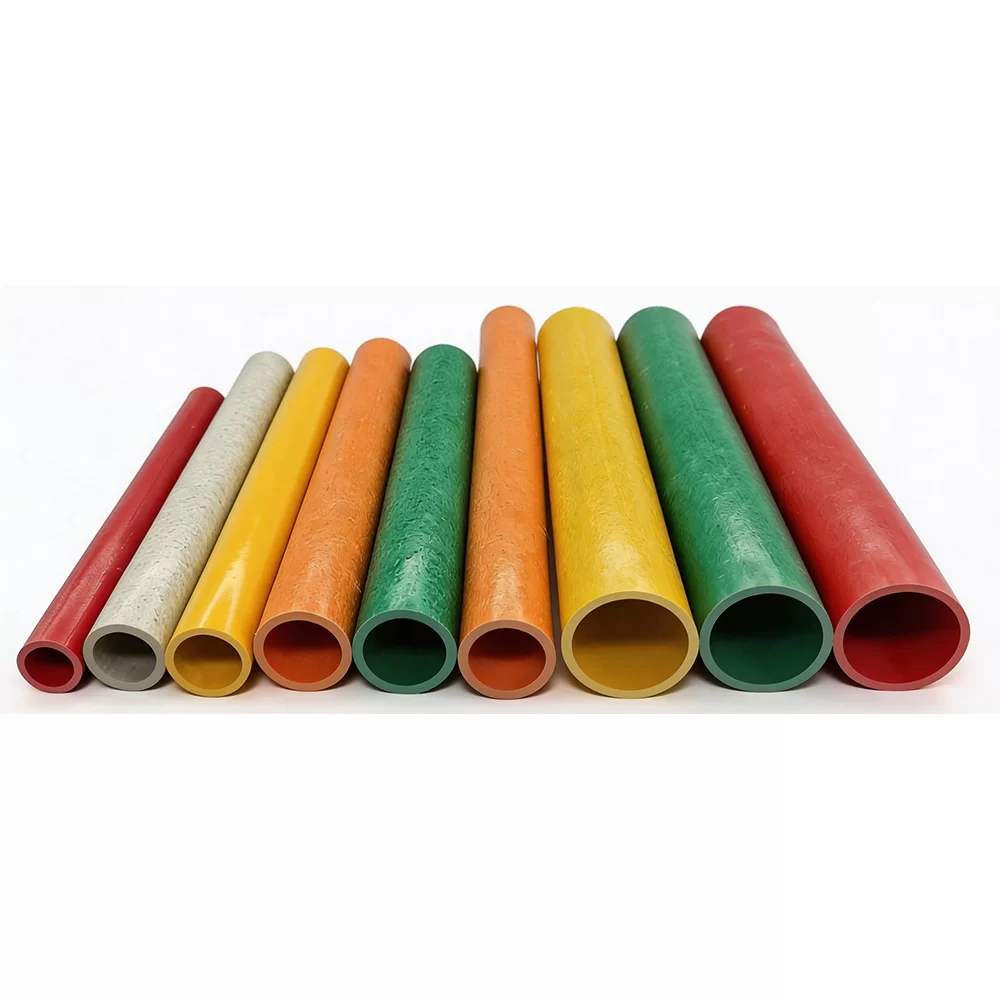
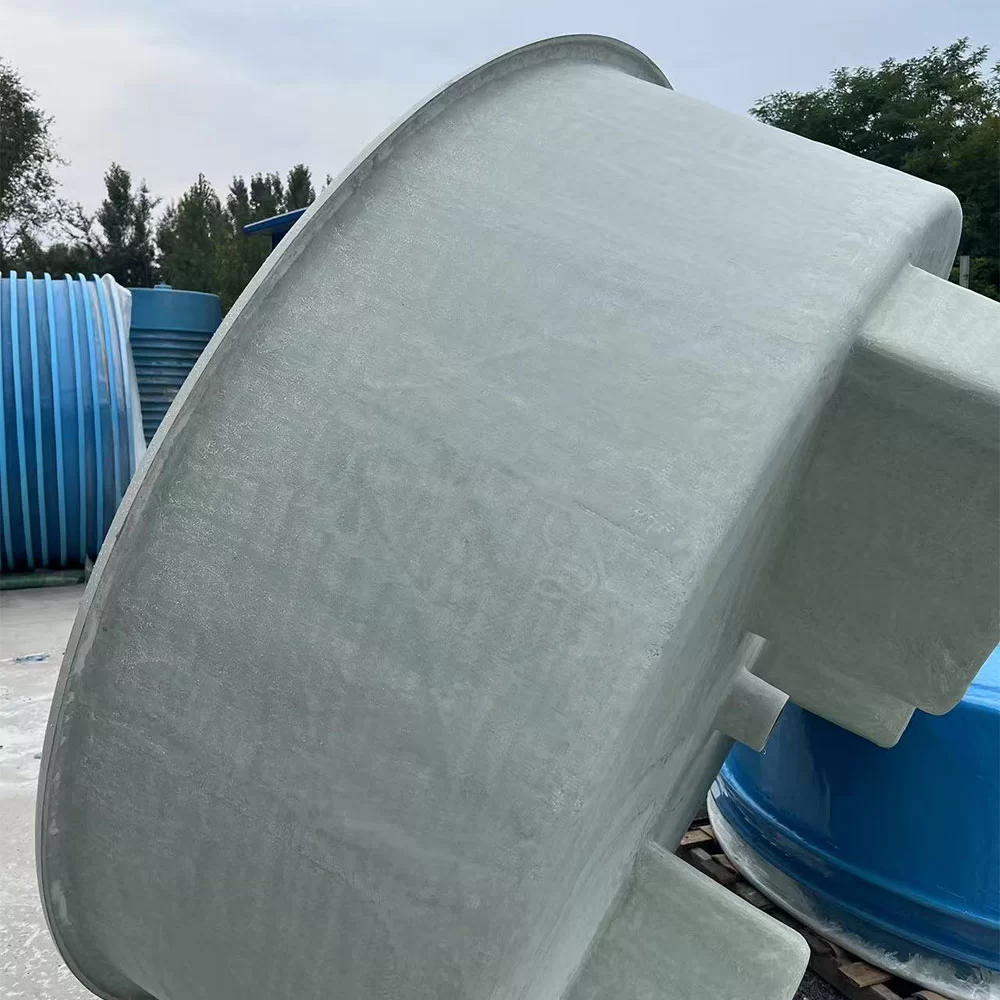
Evolution of Fiberglass Composites in Libya

Tracing the development of FRP technology in the Libyan construction and infrastructure sectors.

Market Development History

Prior to the 2011 revolution, Libya's construction sector relied heavily on traditional materials. The introduction of fiberglass products was limited to niche applications like water tanks and pipes. Investment in local manufacturing was minimal.

Following the conflict, reconstruction efforts highlighted the need for more durable and sustainable materials. The awareness of the benefits of fiberglass guardrail mesh, particularly in corrosive environments, began to increase. Initial imports from Europe and Asia dominated the market.

In the past five years, there has been a growing interest in exploring local manufacturing options for FRP products. Government initiatives aimed at diversifying the economy and promoting local content are driving this trend.

Future Development Trends

Increased Adoption of Lightweight Materials

The demand for lightweight and corrosion-resistant materials will continue to grow, driven by the need to reduce construction costs and extend infrastructure lifespan.

Focus on Sustainable Solutions

There will be an increasing emphasis on sustainable building practices and environmentally friendly materials. Fiberglass septic tank systems offer a sustainable alternative to traditional concrete tanks.

Growth of Local Manufacturing Capacity

Investment in local manufacturing facilities will increase, reducing reliance on imports and creating employment opportunities.

Industry Trends and Future Outlook for Fiberglass in Libya

Predicting the future direction of the Libyan FRP market.

Growing Demand for Corrosion-Resistant Infrastructure
Libya’s coastal environment and the use of seawater in some industrial processes accelerate corrosion. Fiberglass products offer a superior solution.
Increased Focus on Sustainable Wastewater Management
Growing awareness of environmental issues is driving the demand for efficient and sustainable wastewater treatment solutions, including fiberglass septic tank.
Rising Demand for High-Strength Reinforcement
Infrastructure projects requiring superior strength and durability are driving demand for fiber glass rebar and carbon fiber reinforcement.
Government Investment in Infrastructure
Increased government spending on infrastructure projects will significantly boost demand for FRP materials across various sectors.

Industry Outlook

The Libyan fiberglass market is poised for substantial growth over the next 3-5 years, driven by reconstruction efforts, increasing awareness of the benefits of FRP materials, and government support for local manufacturing. Supply chain improvements and streamlined import procedures will be crucial for realizing this potential.

Google Trends data indicates a growing search interest in "fiberglass products Libya" and "FRP solutions Libya," signaling a rising demand from both public and private sector clients. Focusing on SEO optimization targeting these keywords will be key for market penetration.

Local Application Scenarios for Fiberglass Products

Real-world examples of how FRP solutions can address specific Libyan infrastructure needs.

1. Coastal Protection Structures

Libya’s extensive coastline is vulnerable to erosion. Fiberglass can be used to manufacture seawalls, breakwaters, and other coastal defense structures that are resistant to saltwater corrosion.

2. Wastewater Treatment Facilities

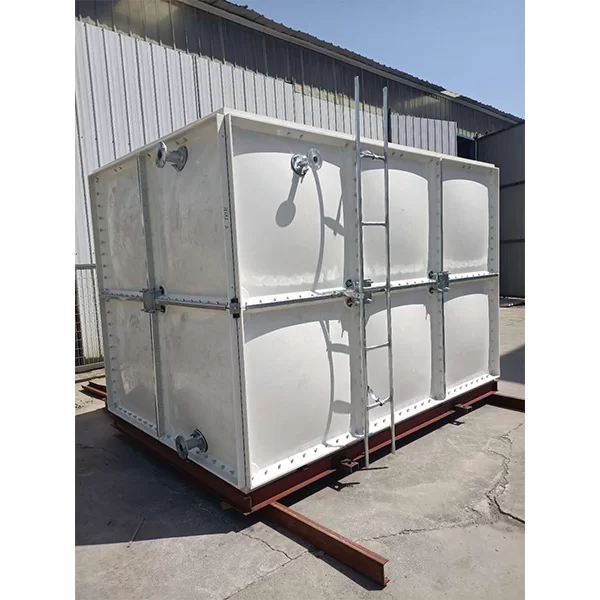
Modernizing Libya’s wastewater treatment infrastructure is a priority. Fiberglass septic tank systems offer a durable, lightweight, and environmentally friendly solution for on-site wastewater treatment.

3. Bridge and Road Reinforcement

Rehabilitating damaged bridges and roads requires durable reinforcement materials. Fiber glass rebar provides a corrosion-resistant alternative to steel rebar, extending the lifespan of these critical infrastructure assets.

4. Oil and Gas Infrastructure

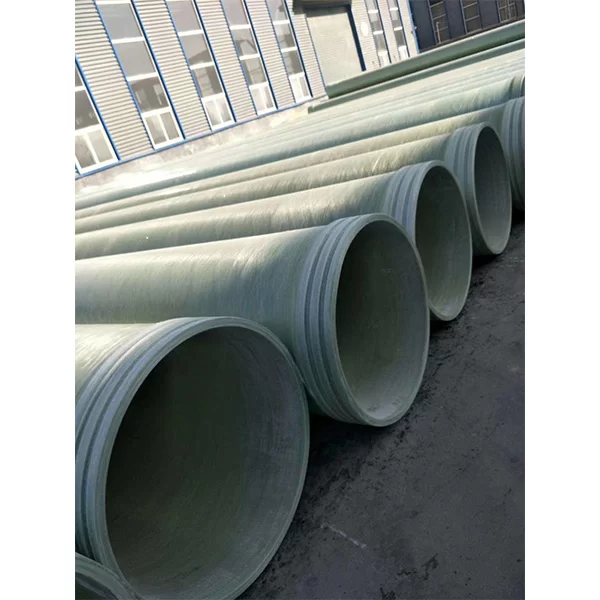
The oil and gas sector requires materials that can withstand harsh environmental conditions. Fiberglass guardrail mesh and piping systems offer excellent corrosion resistance and are ideal for use in oil fields and refineries.

Brand Story

Hebei Zhongtian Composite Material Group Co., Ltd.'s global development journey

Commitment to Quality & Innovation

Established in 2005, Hebei Zhongtian Composite Material Group Co., Ltd. has consistently focused on delivering high-quality FRP products and innovative solutions.

Expanding Global Reach

Over the years, we have expanded our global presence, serving clients in diverse industries across Asia, Africa, and the Middle East.

Focus on Customer Satisfaction

We are committed to providing exceptional customer service and tailored solutions to meet specific project requirements.

Addressing Infrastructure Challenges

Our mission is to provide durable, cost-effective, and sustainable FRP solutions that address the unique infrastructure challenges faced by developing nations like Libya.

Dedicated to Sustainable Growth

We believe in responsible manufacturing practices and are committed to minimizing our environmental impact.

Complete Product Portfolio for the Libyan Market

A comprehensive range of fiberglass reinforced polymer products designed to meet Libya's infrastructure needs.

Frequently Asked Questions – Libyan Market

Addressing common inquiries regarding our fiberglass products in Libya.

What are the key benefits of using fiberglass rebar compared to steel rebar in Libyan construction projects?

Fiberglass rebar offers superior corrosion resistance, making it ideal for Libya's coastal environments. It's also lighter, non-conductive, and has a longer lifespan than steel rebar.

How do fiberglass septic tanks perform in Libya’s hot and arid climate?

Our fiberglass septic tanks are designed to withstand extreme temperatures and UV exposure. They are leak-proof, lightweight, and easy to install, making them suitable for various soil conditions in Libya.

What is the typical lifespan of fiberglass guardrail posts and beams in a high-traffic Libyan highway environment?

Fiberglass guardrail systems can have a lifespan of 30+ years with minimal maintenance, significantly longer than traditional steel systems. They are also highly resistant to impact and corrosion.

Are your fiberglass products certified to meet international quality standards for use in infrastructure projects?

Yes, our products are certified to meet relevant international standards such as ASTM, ISO, and EN, ensuring their quality and performance.

What logistical support do you provide for delivering fiberglass products to project sites throughout Libya?

We have established partnerships with reliable logistics providers to ensure timely and efficient delivery of our products to project sites across Libya. We handle all aspects of shipping and customs clearance.

Can you provide technical support and installation guidance for fiberglass products in Libya?

Yes, we offer comprehensive technical support, including product specifications, installation guidelines, and on-site assistance from our experienced engineers.

Get in Touch – Fiberglass Solutions for Libya

Ready to discuss your project requirements in Libya? Contact us today for a consultation.

Contact Us Now

If you are interested in our products, you can choose to leave your information here, and we will be in touch with you shortly.