Advanced Fiberglass Solutions for Iran’s Infrastructure

Advanced Fiberglass Solutions for Iran's Infrastructure

Delivering High-Performance Fiberglass Products to Meet Iran's Growing Demands.

Advanced Fiberglass Solutions for Iran's Infrastructure

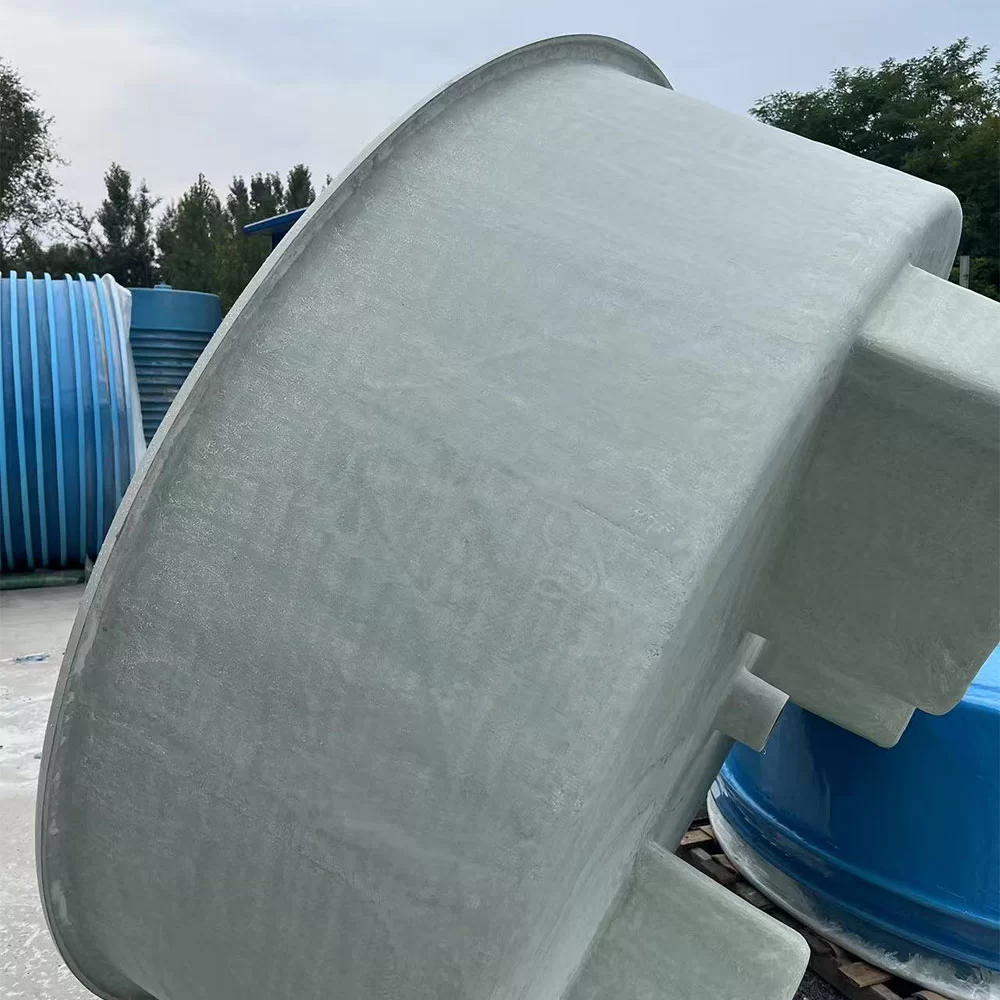
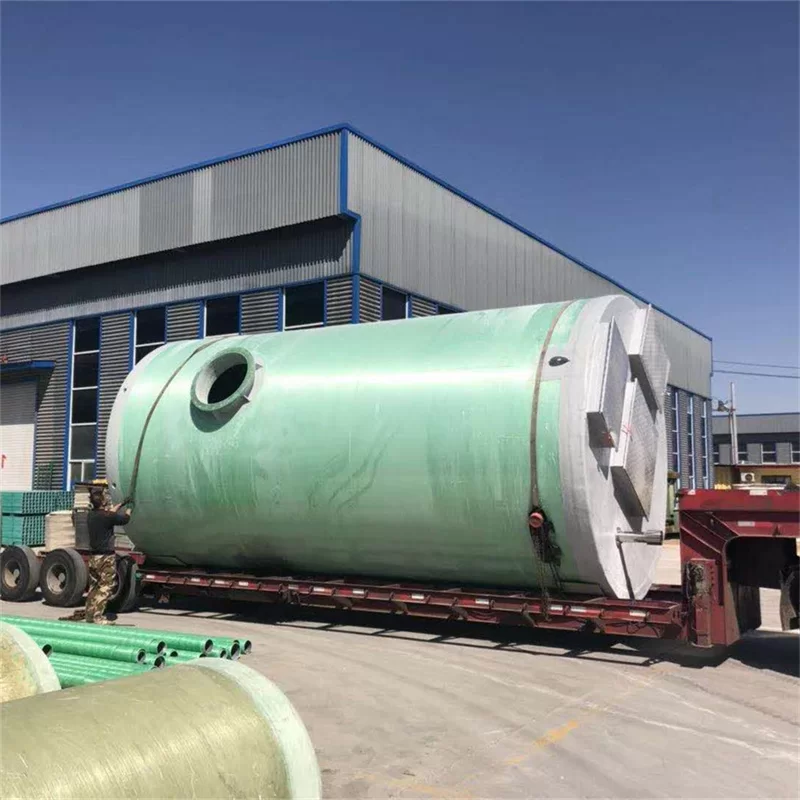
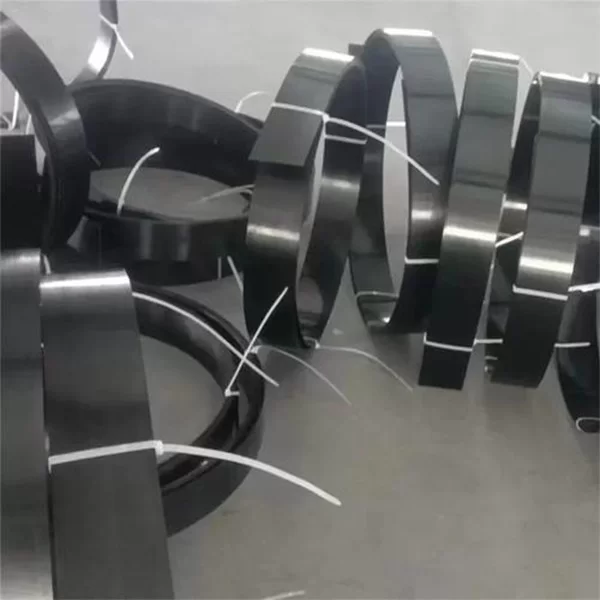
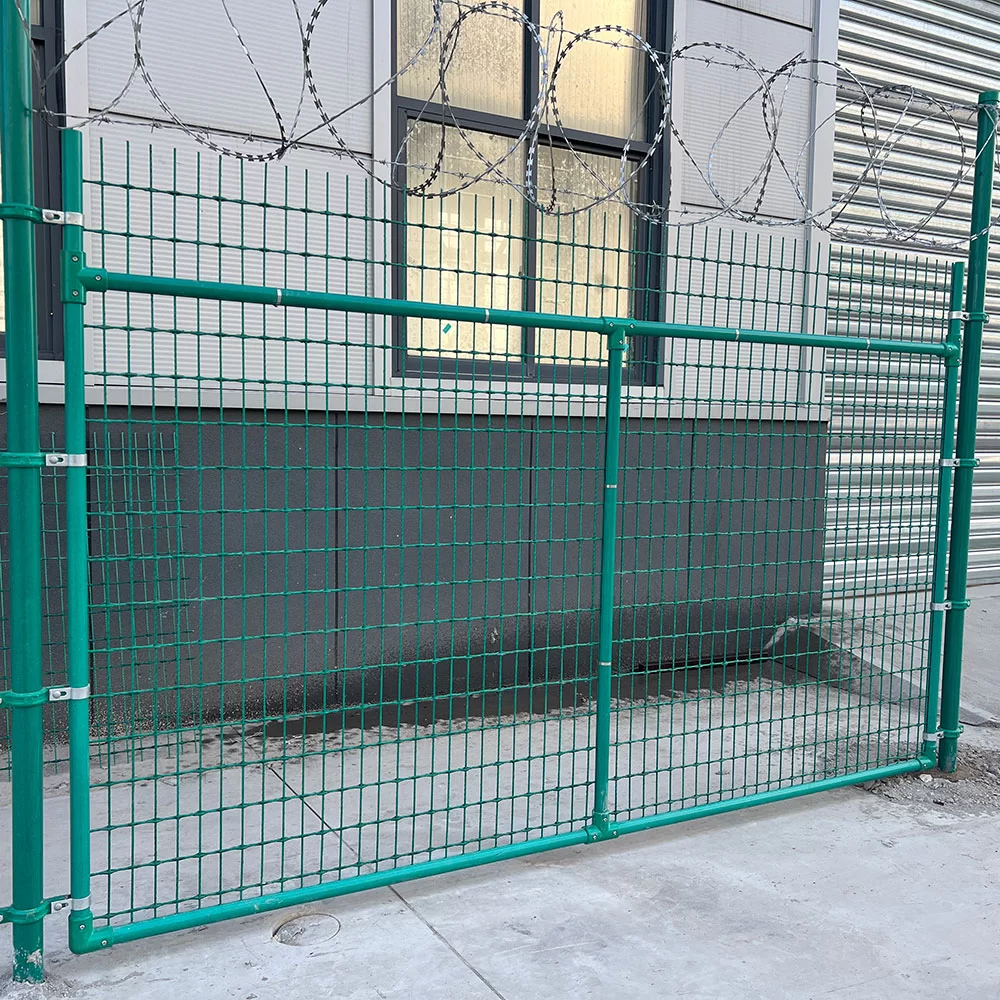
Providing innovative and durable fiberglass products for a range of applications in Iran, including septic tanks, rebar, and guardrails.

Current State of Fiberglass Manufacturing in Iran

An overview of the Iranian fiberglass market and the challenges and opportunities facing manufacturers.

The Iranian fiberglass industry is currently experiencing a period of growth, driven by increasing demand from the construction, automotive, and infrastructure sectors. However, the industry faces challenges related to sourcing raw materials and navigating international trade regulations. The demand for fiberglass products is particularly strong in regions requiring robust infrastructure solutions.

Iran's geographical location, characterized by seismic activity and varying climates, creates a specific need for durable and corrosion-resistant materials. This drives the adoption of fiberglass septic tank solutions, as they offer superior performance compared to traditional concrete systems. Local manufacturers are increasingly focusing on providing tailored solutions to address these unique requirements.

Despite these challenges, the Iranian fiberglass market presents significant opportunities for growth, particularly for companies that can offer high-quality products at competitive prices. The increasing focus on sustainable building practices also favors the use of fiber glass rebar as an environmentally friendly alternative to steel.
The Evolution of Fiberglass Technology in Iran

Tracing the development of fiberglass manufacturing from traditional methods to modern advancements.

Market Development History

The introduction of fiberglass technology to Iran dates back to the 1970s, initially focused on basic applications such as boat building and automotive components. Early production methods were largely dependent on imported materials and expertise.

During the 1990s, significant investment in local manufacturing capabilities led to the establishment of several fiberglass plants across the country. This period saw the expansion of applications to include water tanks, pipes, and other infrastructure elements. Carbon fiber reinforcement started to appear in niche markets.

The 21st century has witnessed a rapid adoption of advanced fiberglass technologies, including resin transfer molding (RTM) and pultrusion. These techniques enable the production of complex shapes with enhanced mechanical properties. The demand for fiberglass guardrail mesh has increased alongside infrastructure development.

Future Development Trends

Enhanced Resin Systems

The development of new resin systems with improved mechanical properties and corrosion resistance will be a key focus. Research into bio-based resins is also gaining momentum.

Automation and Robotics

Increased automation and the adoption of robotics in fiberglass manufacturing will improve efficiency and reduce production costs. This will drive down the cost of fiberglass products.

Smart Fiberglass Composites

Integration of sensors and monitoring systems into fiberglass structures will enable real-time performance assessment and predictive maintenance. This technology will revolutionize infrastructure management.

Industry Trends and Future Outlook for Fiberglass in Iran

Analyzing emerging trends and forecasting the future growth potential of the fiberglass industry in Iran.

Increased Demand in Construction
The ongoing construction boom in Iran, particularly in the residential and commercial sectors, will drive demand for fiberglass products used in roofing, facades, and structural components.
Growing Infrastructure Investments
Government investments in infrastructure projects, such as water and wastewater treatment plants, will fuel demand for durable and corrosion-resistant fiberglass solutions.
Focus on Sustainable Materials
Increasing awareness of environmental sustainability will drive demand for fiberglass products as a lightweight and durable alternative to traditional materials.
Rising Automotive Production
The growth of Iran’s automotive industry will create demand for fiberglass components used in vehicle bodies, interiors, and structural parts.

Industry Outlook

The Iranian fiberglass market is expected to continue its growth trajectory over the next 3-5 years, driven by increasing infrastructure investments and a growing focus on sustainable materials. The demand for specialized fiberglass products, such as carbon fiber reinforcement, is also expected to rise.

Manufacturers who can adapt to changing market demands and invest in advanced technologies will be well-positioned to succeed in this dynamic industry. Strategic partnerships and collaborations will also be crucial for accessing new markets and technologies.

Local Application Scenarios for Fiberglass Products in Iran

Exploring specific applications of fiberglass products tailored to the Iranian context.

1. Wastewater Treatment Plants

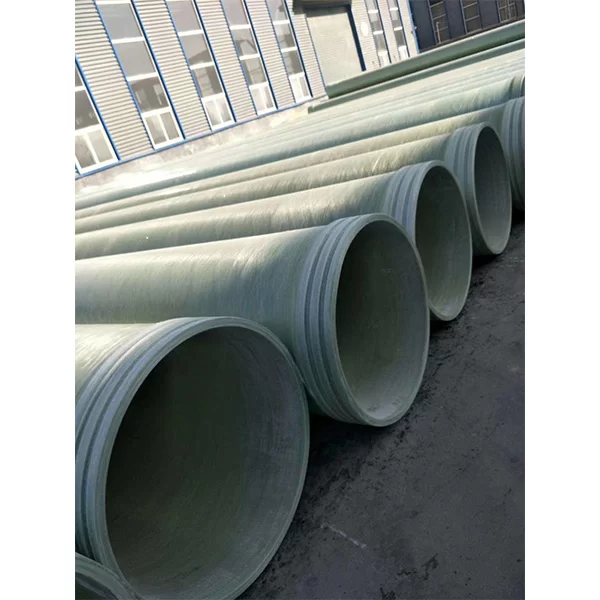
Iran faces significant challenges related to water scarcity and wastewater management. Fiberglass septic tanks and pipes offer a durable, corrosion-resistant, and cost-effective solution for wastewater treatment facilities, particularly in remote areas.

2. Seismic Retrofitting of Buildings

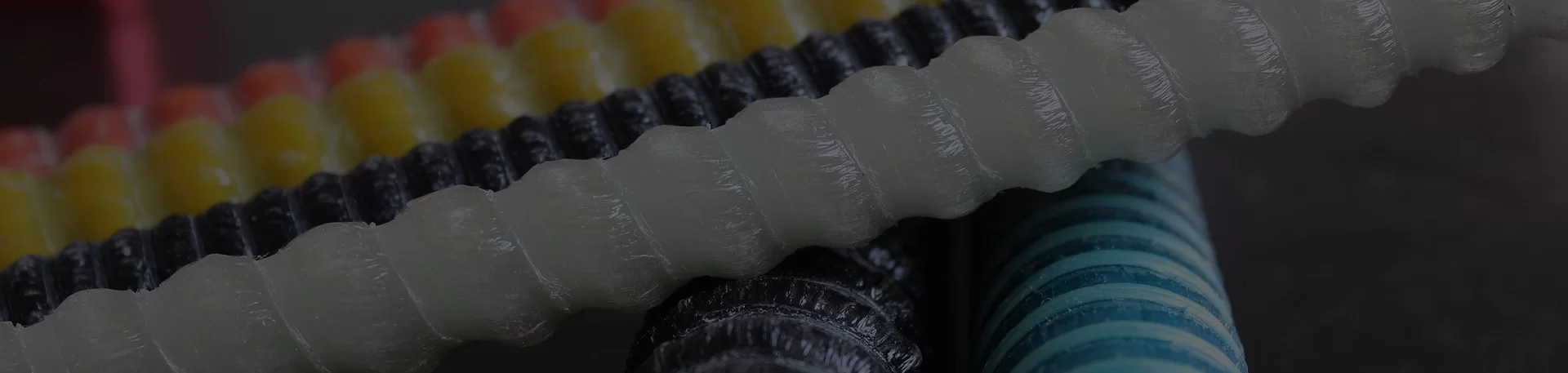
Given Iran's high seismic activity, strengthening existing buildings is a priority. Fiber glass rebar is used for strengthening concrete structures, increasing their resistance to earthquakes.

3. Coastal Protection Structures

Iran has a long coastline along the Caspian Sea and the Persian Gulf. Fiberglass structures, such as breakwaters and seawalls, provide effective protection against erosion and flooding.

4. Roadside Safety Barriers

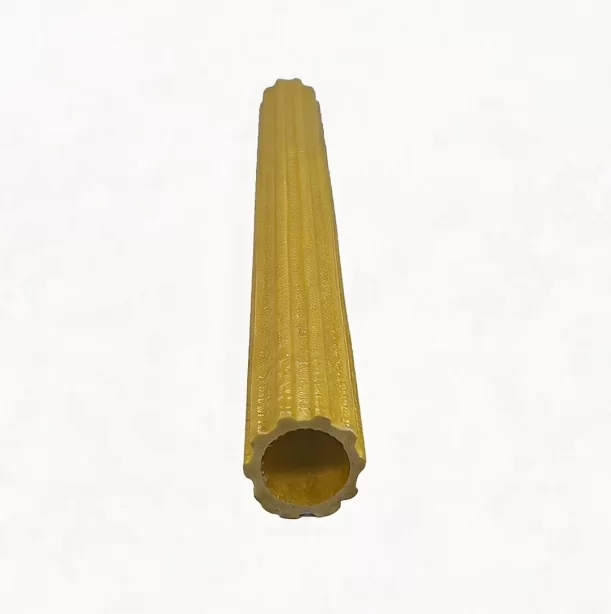
Improving road safety is a key focus in Iran. Fiberglass guardrail mesh offers superior impact resistance and durability compared to traditional steel barriers.

Brand Story

The global development journey of Hebei Zhongtian Composite Material Group Co., Ltd.

Founding and Early Years

Established in 2005, Hebei Zhongtian Composite Material Group Co., Ltd. began as a small workshop specializing in fiberglass molding. Our initial focus was on serving the local agricultural sector.

Expansion into Infrastructure

In 2010, we expanded our product line to include fiberglass septic tanks and pipes, targeting the growing infrastructure market in Northern China.

Technological Advancement

2015 marked a turning point with the introduction of automated pultrusion technology, enabling us to produce high-quality fiberglass profiles with increased efficiency.

Global Market Entry

In 2018, we began exporting our products to Southeast Asia and the Middle East, establishing a strong presence in international markets.

Commitment to Innovation

Today, we continue to invest in research and development, striving to deliver innovative fiberglass solutions that address the evolving needs of our customers worldwide.

Complete Product Portfolio for the Region

A comprehensive range of fiberglass products designed to meet the specific requirements of the Iranian market.

Frequently Asked Questions About Fiberglass Products in Iran

Addressing common queries regarding fiberglass solutions for the Iranian market.

What are the advantages of using fiberglass septic tanks compared to concrete tanks in Iran?

Fiberglass septic tanks are lighter, more durable, and corrosion-resistant than concrete tanks, making them ideal for Iranian environments where seismic activity and varying soil conditions are common. They also have a longer lifespan and require less maintenance.

How does fiberglass rebar perform in Iranian construction projects compared to steel rebar?

Fiberglass rebar is non-corrosive, lightweight, and has a higher tensile strength than steel rebar. This makes it an excellent choice for construction projects in Iran, particularly in coastal areas or environments with high chloride exposure.

What is the typical lifespan of fiberglass guardrail posts in Iranian roadside applications?

Fiberglass guardrail posts have a lifespan of 20-30 years, significantly longer than traditional steel posts. They are also more resistant to damage from impacts and corrosion, reducing maintenance costs.

Are fiberglass products suitable for use in Iran’s hot and arid climates?

Yes, fiberglass is highly resistant to UV degradation and temperature fluctuations, making it well-suited for use in Iran’s challenging climate conditions. Specialized UV-resistant coatings can further enhance durability.

What are the environmental benefits of using fiberglass materials in construction?

Fiberglass is a lightweight material that reduces transportation costs and fuel consumption. It also has a lower carbon footprint compared to steel production and is recyclable.

How does the cost of fiberglass products compare to traditional materials in the Iranian market?

While the initial cost of fiberglass products may be slightly higher than traditional materials, the long-term benefits, such as reduced maintenance and increased durability, often result in lower lifecycle costs.

Get in Touch for Fiberglass Solutions in Iran

We are dedicated to providing high-quality fiberglass products and expert support to customers throughout Iran.

Contact Us Now

If you are interested in our products, you can choose to leave your information here, and we will be in touch with you shortly.