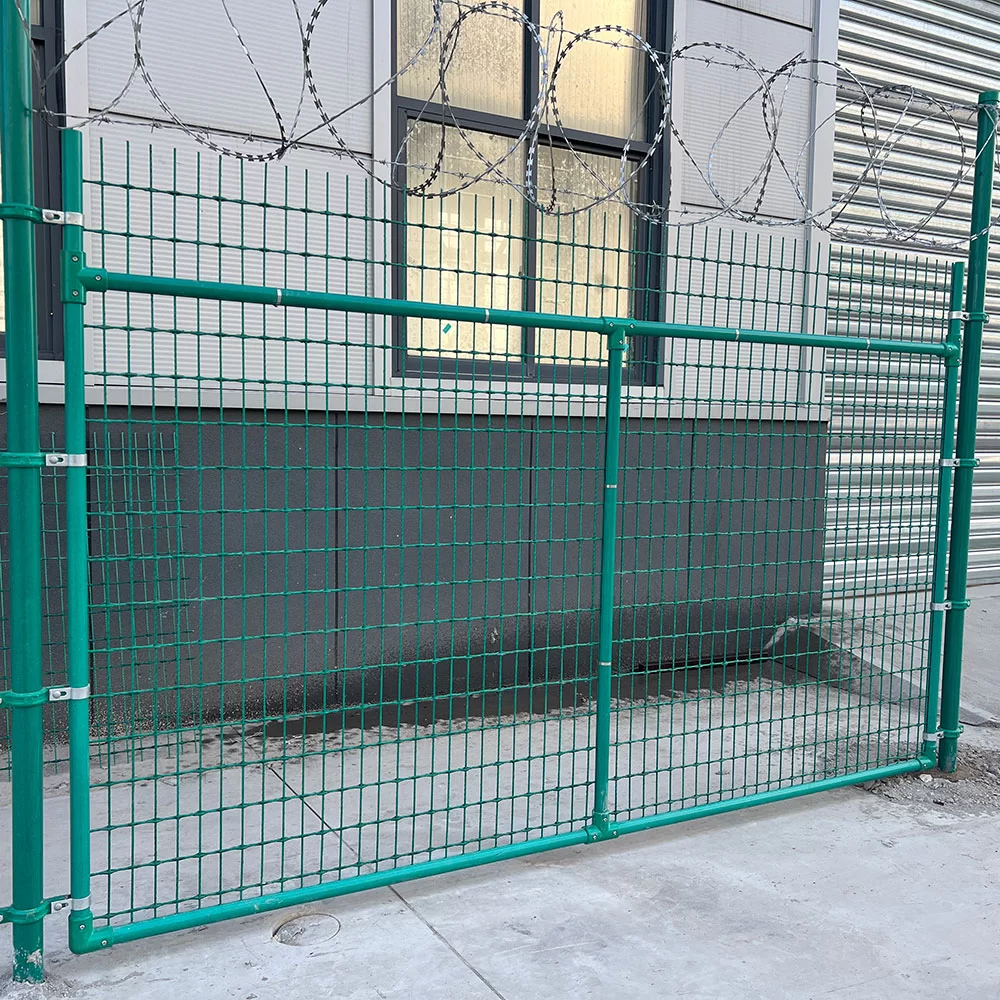
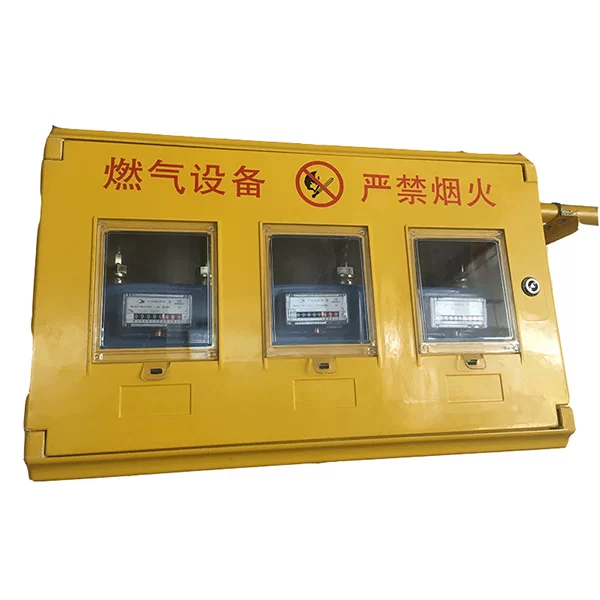
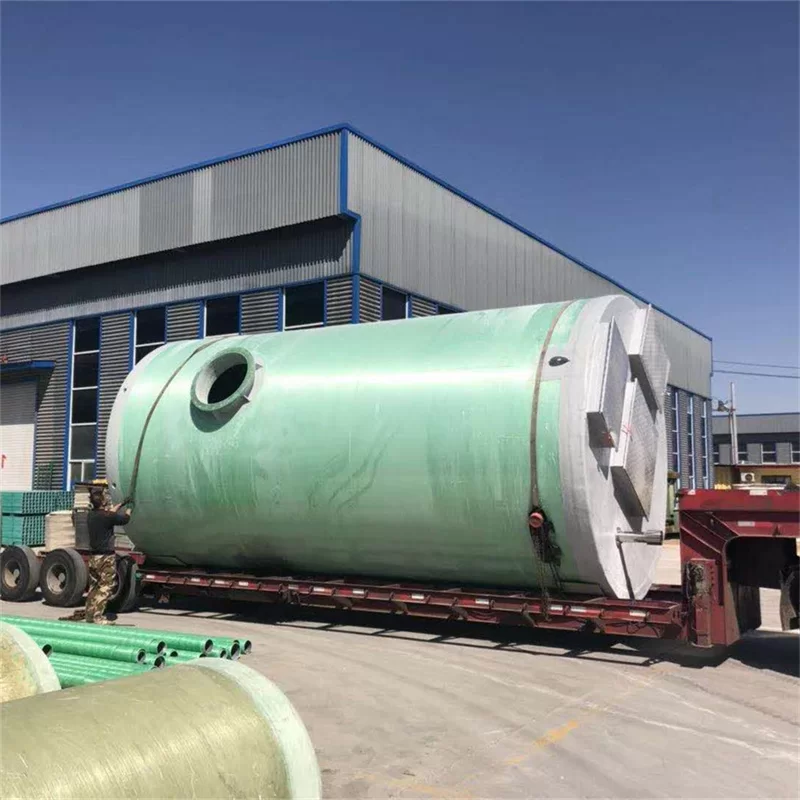
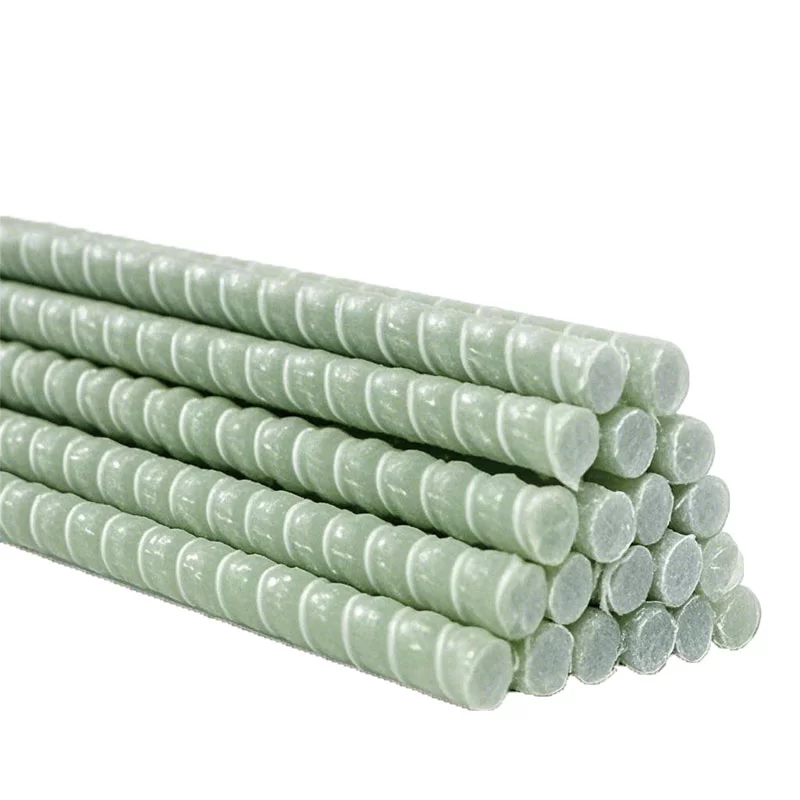
Bolivia's demand for fiberglass products is steadily increasing, driven by growth in infrastructure projects, sanitation improvements, and industrial expansion. The nation’s diverse climate, ranging from the Andes mountains to the Amazon rainforest, presents unique challenges for material durability. Fiberglass, with its corrosion resistance and lightweight properties, is becoming increasingly favored over traditional materials like concrete and steel.
However, the Bolivian fiberglass industry faces limitations. Local production capacity is relatively small, with a reliance on imports for specialized resins and raw materials. Access to advanced manufacturing technologies and skilled labor remains a hurdle. Competition from cheaper, lower-quality imports also poses a significant threat to domestic manufacturers.
The cost of importing materials and the logistical challenges of transporting goods across Bolivia’s varied terrain contribute to higher product prices. This, combined with limited public awareness about the long-term benefits of fiberglass, impacts adoption rates. However, governmental initiatives focused on improving sanitation and infrastructure are creating new opportunities.