Fiberglass Septic Tank Solutions for Kyrgyzstan

Fiberglass Septic Tank Solutions for Kyrgyzstan

Delivering durable and cost-effective fiberglass solutions to the Kyrgyz market.

Fiberglass Septic Tank Solutions for Kyrgyzstan

Providing innovative and reliable fiberglass solutions for a range of applications in Kyrgyzstan, specializing in septic tanks, fiberglass products, fiber glass rebar, and more.

Current State of Fiberglass Manufacturing in Kyrgyzstan

Analyzing the market conditions and challenges for fiberglass product adoption in Kyrgyzstan.

Kyrgyzstan, a landlocked country in Central Asia, presents a unique set of challenges and opportunities for the fiberglass products industry. The country’s developing infrastructure and growing focus on sanitation and environmental solutions are driving demand for durable and cost-effective materials. However, limited local manufacturing capacity and reliance on imports are key hurdles.

The mountainous terrain and varying climate conditions of Kyrgyzstan necessitate robust materials for construction and infrastructure projects. Fiberglass septic tank systems are particularly well-suited for these conditions, offering corrosion resistance and long-term reliability. The country is also investing in upgrades to its water and wastewater treatment facilities, furthering demand for composite materials.

Currently, the market is characterized by a mix of small-scale local producers and imports primarily from China and neighboring countries. Quality control and consistency are concerns, creating opportunities for reputable manufacturers offering certified products. Increased awareness of the benefits of fiberglass, such as its lightweight nature and strength, is gradually driving adoption.
Evolution of Fiberglass Technology and its Adoption in Kyrgyzstan

Tracing the development of fiberglass manufacturing and its increasing relevance in the Kyrgyz market.

Market Development History

The history of fiberglass dates back to the 1930s, but its widespread use began post-World War II with advancements in polymer chemistry. Early applications were primarily in the aerospace and automotive industries. By the 1970s, fiberglass products began to find broader use in construction and infrastructure.

In Kyrgyzstan, the adoption of fiberglass was initially slow due to limited awareness and the availability of cheaper, albeit less durable, alternatives. The 1990s saw a gradual increase in imports of fiberglass products, largely driven by infrastructure development projects. However, consistent, large-scale adoption only started in the 2000s with increased awareness of the long-term cost benefits.

The recent decade has witnessed a growing preference for carbon fiber reinforcement and advanced composites, especially in specialized applications like structural strengthening and corrosion protection. This trend is fueled by increasing infrastructure spending and a focus on sustainability.

Future Development Trends

Increased Use of Bio-Resins

The growing global emphasis on sustainability is driving the development of bio-based resins for fiberglass manufacturing, reducing the reliance on fossil fuels. This trend is expected to gain traction in Kyrgyzstan as environmental awareness increases.

Automation and Advanced Manufacturing Techniques

Automation and advanced manufacturing techniques like automated fiber placement (AFP) will improve production efficiency and reduce costs, making fiberglass products more competitive. Google Trends shows increasing search interest in "automated composite manufacturing" globally.

Smart Composites with Integrated Sensors

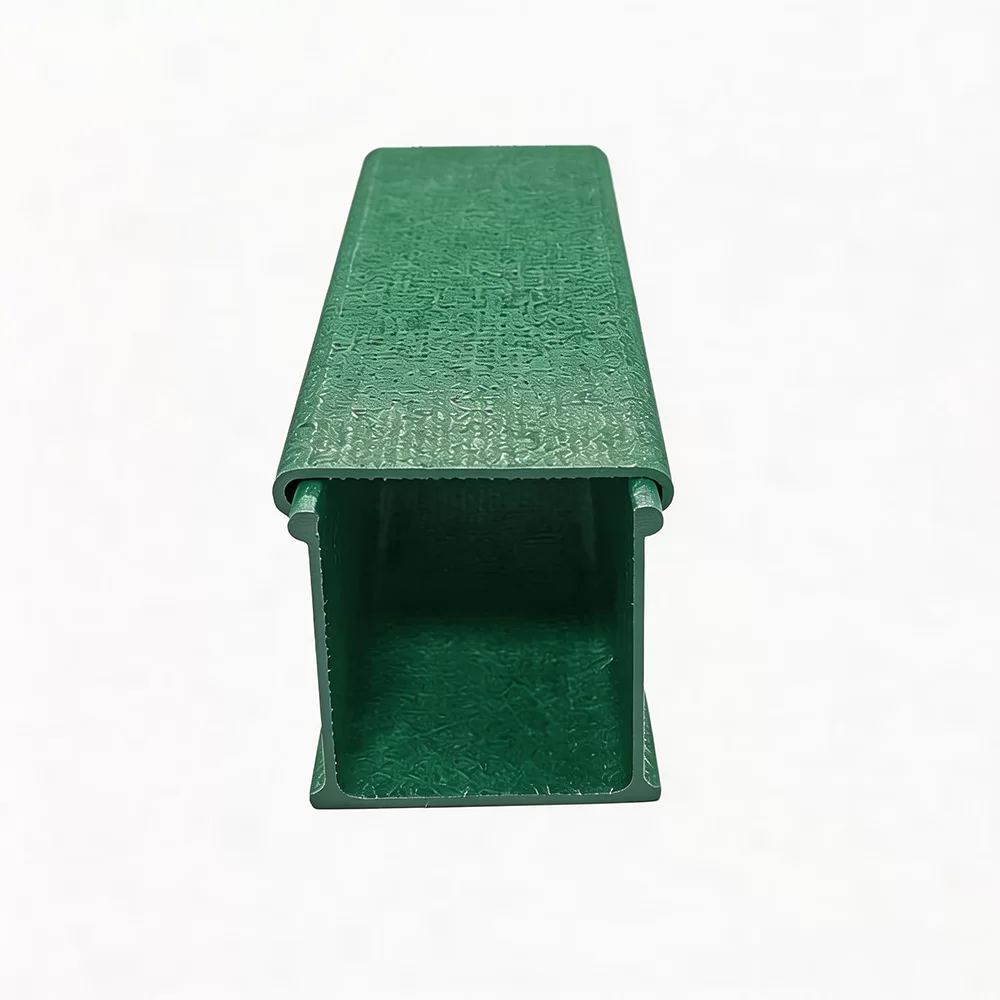
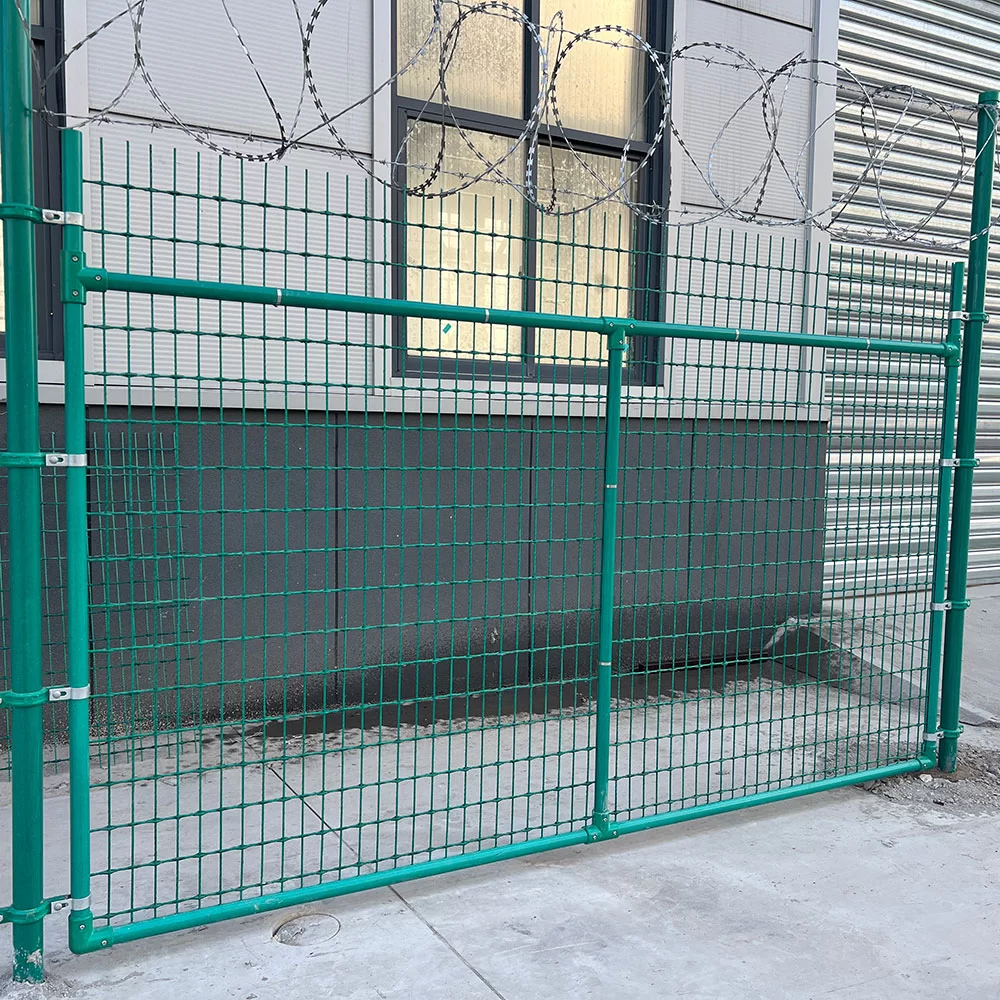
The integration of sensors into fiberglass guardrail mesh and other composite structures will enable real-time monitoring of structural health, improving safety and extending service life. This is an emerging trend with significant growth potential.

Industry Trends and Future Outlook for Fiberglass in Kyrgyzstan

Exploring the growth prospects and challenges facing the fiberglass industry in Kyrgyzstan.

Growing Demand in Water & Sanitation
Increased investment in water and sanitation infrastructure will drive demand for fiberglass septic tank and piping systems.
Infrastructure Development Projects
Government initiatives to improve road networks and bridges will create demand for fiberglass guardrail mesh and structural components.
Increased Focus on Corrosion Resistance
The need for durable materials in harsh environments will drive demand for fiber glass rebar and other corrosion-resistant fiberglass products.
Lightweight and Efficient Construction
Fiberglass's lightweight properties reduce transportation costs and installation time, making it attractive for construction projects in remote areas.

Industry Outlook

The fiberglass industry in Kyrgyzstan is poised for growth, driven by increasing infrastructure investment and a growing awareness of the material’s benefits. The key to success lies in providing high-quality products, offering competitive pricing, and building strong relationships with local contractors and government agencies.

Challenges include overcoming reliance on imports, addressing quality control concerns, and educating the market about the long-term cost savings associated with fiberglass products. The future will favor companies that prioritize innovation and sustainability.

Local Application Scenarios for Fiberglass Products in Kyrgyzstan

Illustrating the diverse applications of fiberglass materials within the Kyrgyz context.

1. Rural Sanitation Systems

Providing affordable and durable fiberglass septic tank systems for rural communities lacking access to centralized sewage treatment.

2. Bridge and Road Infrastructure

Utilizing fiber glass rebar for reinforcement in bridges and road construction, enhancing durability and reducing corrosion in harsh weather conditions.

3. Water Storage Solutions

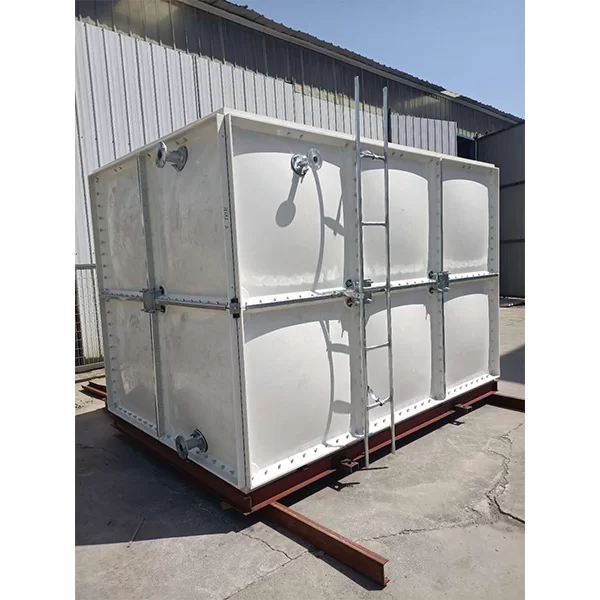
Implementing lightweight and corrosion-resistant fiberglass tanks for water storage in agricultural areas and remote settlements.

4. Protective Barriers and Safety Structures

Deploying fiberglass guardrail mesh and composite materials for roadside barriers and safety structures, enhancing road safety.

5. Agricultural Applications

Utilizing fiberglass in the construction of greenhouses and agricultural structures, offering lightweight, durable, and corrosion-resistant solutions.

Brand Story

Hebei Zhongtian Composite Material Group Co., Ltd.'s global development history

Pioneering Composite Solutions

Founded on a commitment to innovation, Hebei Zhongtian Composite Material Group Co., Ltd. began its journey in 2008, focusing on delivering high-performance composite materials.

Expanding Product Portfolio

Over the years, we expanded our product line to include a wide range of fiberglass products, catering to diverse industries and applications.

Global Reach and Partnerships

We established strategic partnerships worldwide, extending our reach to serve customers in various countries, including Central Asia.

Commitment to Quality

We prioritize quality control and adhere to international standards, ensuring consistent product performance and reliability.

Sustainable Solutions

We are committed to developing sustainable composite materials that minimize environmental impact and contribute to a greener future.

Complete Product Range for the Kyrgyz Region

A comprehensive selection of fiberglass products tailored to meet the needs of the Kyrgyz market.

Frequently Asked Questions about Fiberglass Products in Kyrgyzstan

Addressing common inquiries regarding the use and benefits of fiberglass materials in the Kyrgyz market.

What are the primary benefits of using fiberglass septic tanks compared to concrete tanks in Kyrgyzstan's climate?

Fiberglass septic tanks are significantly lighter, making transportation and installation easier, especially in mountainous regions. They are also highly resistant to corrosion, crucial in Kyrgyzstan's varying climate, and do not require the same level of maintenance as concrete tanks.

How does fiberglass rebar perform in earthquake-prone areas like Kyrgyzstan?

Fiberglass rebar offers superior tensile strength and flexibility compared to steel rebar, making it more resistant to cracking and failure during seismic activity. Its lightweight nature also reduces the overall load on structures.

What is the lifespan of a properly installed fiberglass guardrail mesh in Kyrgyzstan's road conditions?

A properly installed fiberglass guardrail mesh can have a lifespan of 20-30 years or more, even in harsh road conditions. It is resistant to corrosion, weathering, and impact damage.

Are fiberglass products more expensive than traditional materials like steel and concrete in Kyrgyzstan?

While the initial cost of fiberglass may be higher, the long-term cost savings due to reduced maintenance, increased durability, and lower transportation costs often make it a more economical choice.

What are the environmental benefits of using fiberglass products in construction projects in Kyrgyzstan?

Fiberglass is a lightweight material, reducing transportation emissions. It also requires less energy to produce than steel and has a longer lifespan, minimizing the need for replacements.

Where can I find reliable suppliers of high-quality fiberglass products in Kyrgyzstan?

Hebei Zhongtian Composite Material Group Co., Ltd. is a leading manufacturer and supplier of fiberglass products with a proven track record of delivering quality solutions to international markets.

Get in Touch with Us Today

We are dedicated to providing exceptional fiberglass solutions to Kyrgyzstan and beyond. Contact us to discuss your specific requirements.

Contact Us Now

If you are interested in our products, you can choose to leave your information here, and we will be in touch with you shortly.