Advanced Fiberglass Solutions for Sri Lanka’s Infrastructure

Advanced Fiberglass Solutions for Sri Lanka’s Infrastructure

Delivering high-performance fiberglass products to meet Sri Lanka's growing demands.

Advanced Fiberglass Solutions for Sri Lanka’s Infrastructure

We provide innovative fiberglass solutions tailored for the Sri Lankan market, offering durability, cost-effectiveness, and sustainability.

Current State of Fiberglass Manufacturing in Sri Lanka

An overview of the fiberglass industry landscape in Sri Lanka.

Sri Lanka's construction and infrastructure sectors are experiencing significant growth, creating increased demand for durable and cost-effective materials. Fiberglass products are becoming increasingly popular as a viable alternative to traditional materials like steel and concrete due to their corrosion resistance and lightweight properties. The demand is also driven by the country’s coastal location and the need for materials that can withstand the marine environment.

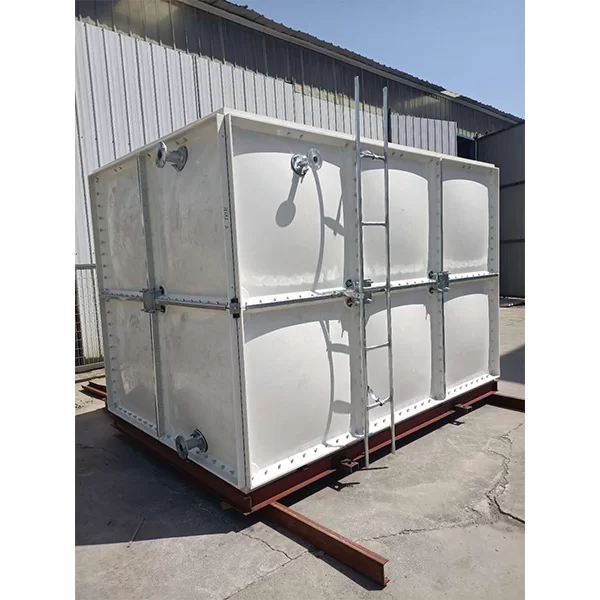
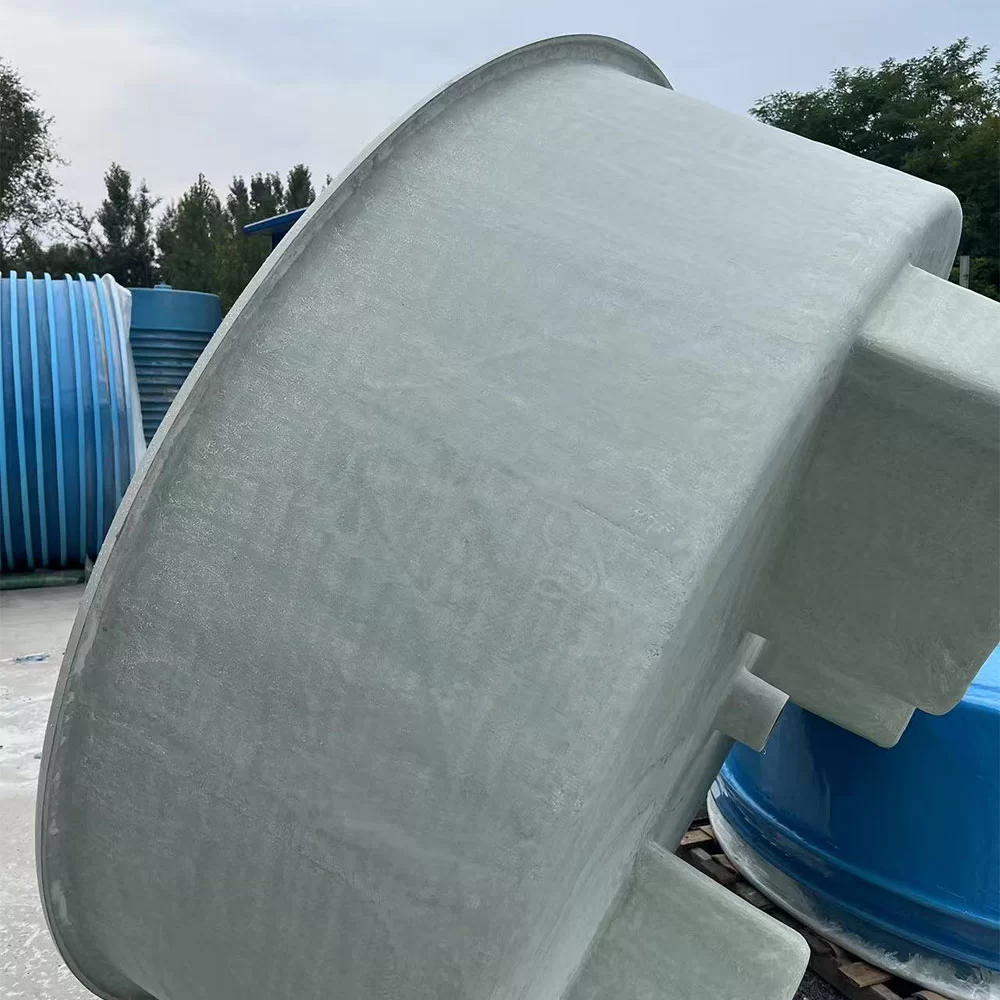
Currently, the fiberglass manufacturing industry in Sri Lanka is relatively small-scale, with a mix of local manufacturers and importers. Many manufacturers focus on producing basic fiberglass components, while specialized products like fiberglass septic tank and fiber glass rebar are often imported. Local production faces challenges related to raw material sourcing and the adoption of advanced manufacturing technologies.

The government's focus on infrastructure development, particularly in areas like water management and sanitation, is creating significant opportunities for the fiberglass industry. Increasing awareness of the benefits of fiberglass—its strength, durability, and resistance to corrosion—is also contributing to its growing adoption across various sectors.
Evolution of Fiberglass Technology in Sri Lanka

Tracing the development of fiberglass applications from traditional to modern practices.

Market Development History

The introduction of fiberglass to Sri Lanka dates back to the 1980s, primarily through imports for boat building and basic construction applications. Early adoption was limited by a lack of local expertise and high material costs. Initially, fiberglass was used for simple applications like roofing sheets and water tanks.

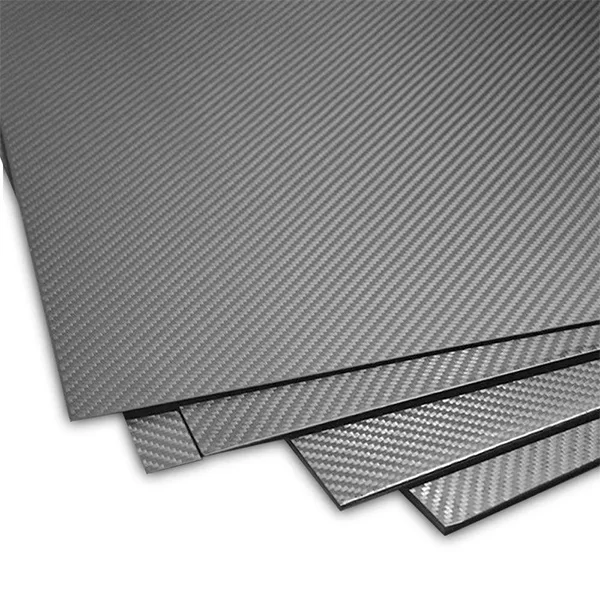
In the 1990s, with the liberalization of the Sri Lankan economy, more local manufacturers entered the market. This led to increased availability of fiberglass products and a reduction in prices. The construction boom following the end of the civil war in 2009 further fueled demand, driving innovation in applications such as carbon fiber reinforcement.

From 2010 onwards, a growing emphasis on sustainability and cost-efficiency prompted a shift towards more sophisticated fiberglass solutions. This included the introduction of fiberglass rebar for concrete reinforcement and advanced composite materials for specialized applications. The emergence of advanced manufacturing techniques like resin transfer molding (RTM) and pultrusion further enhanced product quality and performance.

Future Development Trends

Increased Demand for Sustainable Materials

Driven by global environmental concerns, there will be a greater emphasis on eco-friendly materials. Fiberglass, with its recyclability and long lifespan, aligns with these sustainability goals, creating opportunities for growth.

Adoption of Advanced Manufacturing Techniques

The adoption of advanced manufacturing technologies, such as automated fiber placement (AFP) and automated tape laying (ATL), will improve production efficiency and product quality. This will allow local manufacturers to compete more effectively in the international market.

Expansion of Application Areas

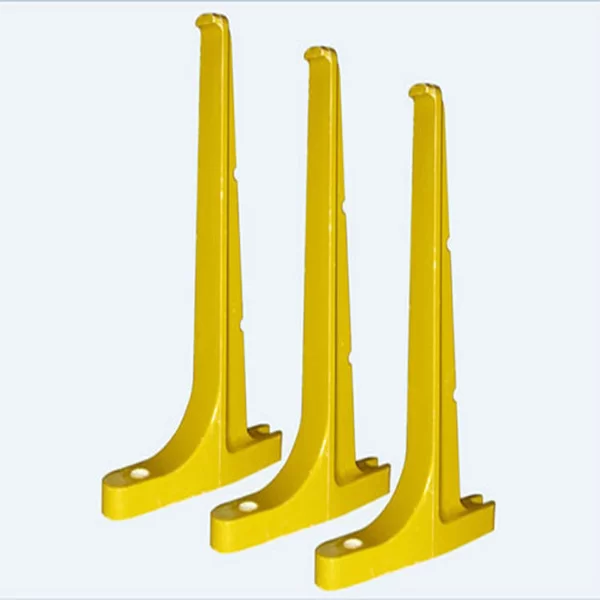
Fiberglass will find wider applications in emerging sectors like renewable energy (wind turbine blades) and transportation (lightweight vehicle components). The growth of infrastructure projects will drive demand for fiberglass guardrail mesh and other structural components.

Industry Trends and Future Outlook for Fiberglass in Sri Lanka

Exploring the emerging trends and future prospects of the fiberglass industry in Sri Lanka.

Growth in Water and Wastewater Management
Sri Lanka's increasing focus on improving water and wastewater infrastructure will drive demand for durable and corrosion-resistant fiberglass septic tanks and pipelines.
Infrastructure Development Projects
Government initiatives focused on road construction, bridge building, and port expansion will create opportunities for fiberglass guardrails, structural components, and reinforcing materials.
Rising Demand for Corrosion-Resistant Materials
Sri Lanka’s coastal location exposes infrastructure to saltwater corrosion. Fiberglass offers a superior alternative to traditional materials in marine environments, driving demand.
Focus on Lightweight Construction
Fiberglass’s lightweight properties contribute to reduced construction costs and faster project completion times, making it an attractive option for various construction projects.

Industry Outlook

The Sri Lankan fiberglass industry is poised for substantial growth in the coming years, driven by increasing infrastructure investments and a growing awareness of the material's benefits. Local manufacturers are expected to expand their production capacities and invest in advanced technologies to meet the rising demand.

Opportunities exist for strategic partnerships between local manufacturers and international technology providers. Government support in the form of incentives and favorable policies will also play a crucial role in fostering the growth of the industry. Fiberglass products are expected to become increasingly integral to Sri Lanka’s development efforts.

Localized Applications of Fiberglass in Sri Lanka

Exploring specific use cases of fiberglass products tailored to Sri Lankan needs.

1. Coastal Protection Structures

Fiberglass composites are ideal for constructing seawalls, breakwaters, and groynes due to their exceptional resistance to saltwater corrosion and wave action. This is particularly important for protecting Sri Lanka's extensive coastline from erosion.

2. Rural Sanitation Solutions

Fiberglass septic tank offer a durable, lightweight, and cost-effective solution for improving sanitation in rural areas, addressing the challenges of wastewater management and public health.

3. Agricultural Infrastructure

Fiberglass is used in the construction of irrigation canals, water storage tanks, and agricultural sheds. Its corrosion resistance and lightweight properties make it well-suited for the harsh agricultural environment.

4. Reinforcement of Concrete Structures

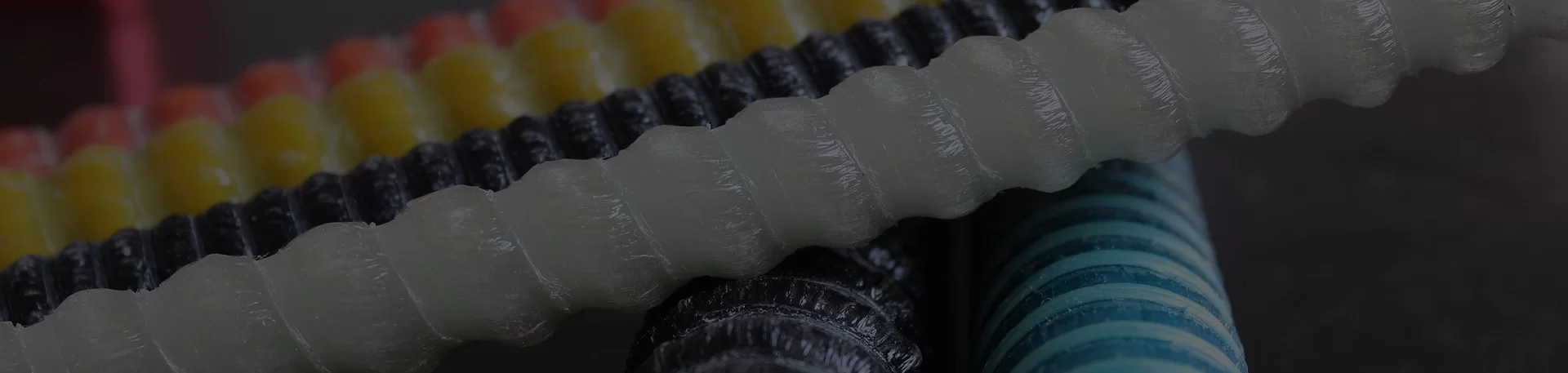
Fiber glass rebar is increasingly being used as a non-corrosive alternative to steel rebar in concrete structures, particularly in bridge decks, marine structures, and other applications where corrosion is a major concern.

5. Roofing and Building Facades

Fiberglass reinforced plastic (FRP) panels are utilized for roofing and building facades, offering lightweight, durable, and aesthetically pleasing solutions for both residential and commercial buildings.

Brand Story

The Global Development Journey of Hebei Zhongtian Composite Material Group Co., Ltd.

Established Foundation (2005-2010)

Founded in 2005, Hebei Zhongtian Composite Material Group Co., Ltd. began as a specialized manufacturer of fiberglass products for the domestic market, focusing on quality and customer satisfaction.

Technological Advancement (2011-2015)

Invested heavily in R&D, adopting advanced manufacturing techniques such as pultrusion and resin transfer molding to improve product performance and efficiency.

Global Expansion (2016-2020)

Expanded into international markets, establishing partnerships with distributors and customers across Asia, Africa, and South America.

Sustainable Solutions (2021-Present)

Committed to developing sustainable fiberglass solutions, focusing on eco-friendly materials and recycling initiatives to minimize environmental impact.

Mission: Strengthening Infrastructure Globally

Our mission is to provide high-quality, durable, and sustainable fiberglass composite materials that strengthen infrastructure, improve lives, and protect the environment.

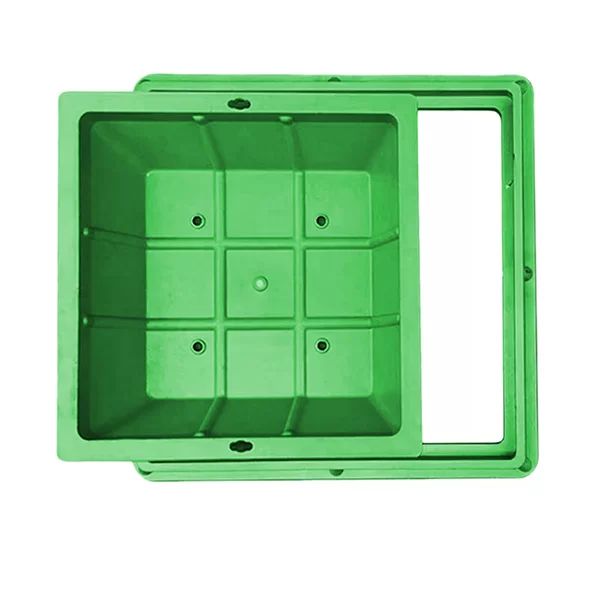
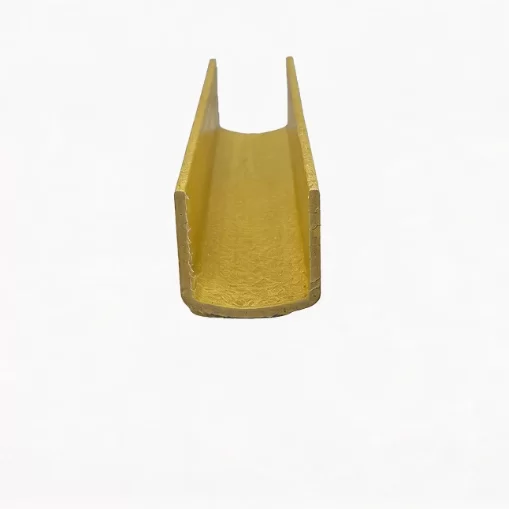
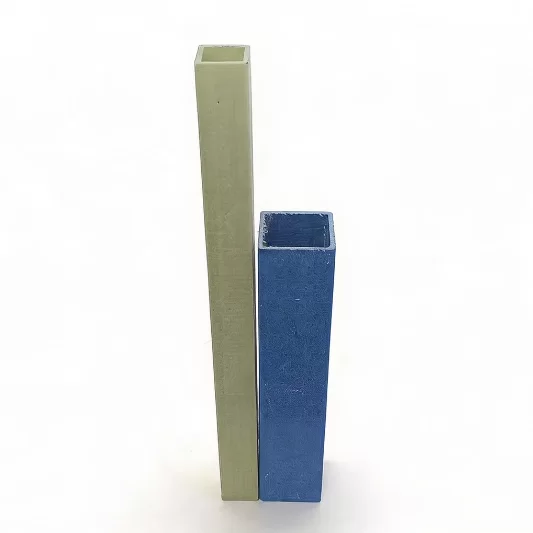
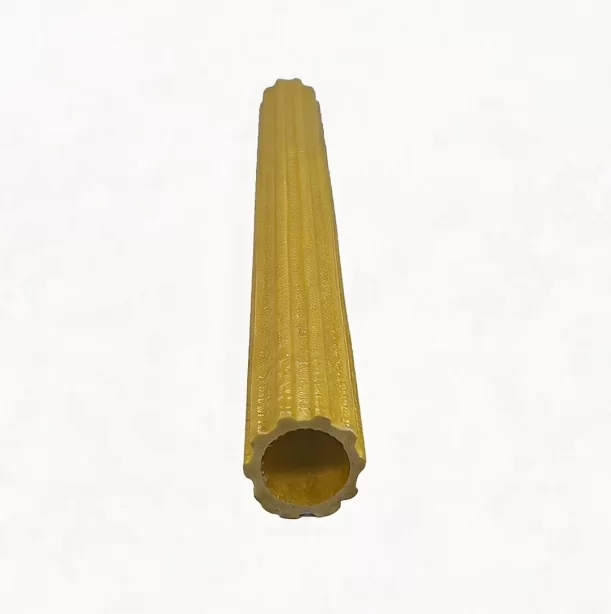
Comprehensive Product Portfolio for the Local Market

A wide range of fiberglass products designed to meet the specific needs of the Sri Lankan market.

Frequently Asked Questions - Fiberglass Solutions in Sri Lanka

Answers to common questions about fiberglass products and their applications in Sri Lanka.

What are the primary benefits of using fiberglass rebar compared to traditional steel rebar in Sri Lankan construction projects?

Fiberglass rebar offers superior corrosion resistance, particularly important in Sri Lanka's coastal environments. It is also lightweight, non-conductive, and has a longer lifespan compared to steel, reducing maintenance costs.

How does the cost of fiberglass septic tanks compare to traditional concrete septic tanks in Sri Lanka?

While the initial cost of a fiberglass septic tank may be slightly higher, the long-term cost savings from its durability, lightweight, and ease of installation often outweigh the initial investment. They are also less prone to cracking and leakage.

What types of fiberglass guardrail systems are available for road safety applications in Sri Lanka?

We offer a range of fiberglass guardrail systems, including W-beam guardrails, box beam guardrails, and crash barriers, designed to meet international safety standards and provide effective protection for roadways.

Is carbon fiber reinforcement suitable for repairing damaged concrete structures in Sri Lanka?

Yes, carbon fiber reinforcement is an excellent solution for strengthening and repairing concrete structures, offering high tensile strength and minimal weight. It's particularly useful in restoring older infrastructure.

What is the expected lifespan of fiberglass products used in marine applications in Sri Lanka’s coastal environment?

Fiberglass products designed for marine applications can have a lifespan of 30 years or more, thanks to their exceptional resistance to saltwater corrosion and UV degradation. Regular inspections and maintenance can further extend their lifespan.

Are fiberglass products environmentally friendly compared to traditional materials like steel and concrete?

Fiberglass is generally considered more environmentally friendly due to its lighter weight, reducing transportation costs and energy consumption. It also requires less energy to produce than steel and has a longer lifespan, minimizing the need for replacements.

Get in Touch with Us

We are here to help you find the best fiberglass solutions for your projects in Sri Lanka.

Contact Us Now

If you are interested in our products, you can choose to leave your information here, and we will be in touch with you shortly.