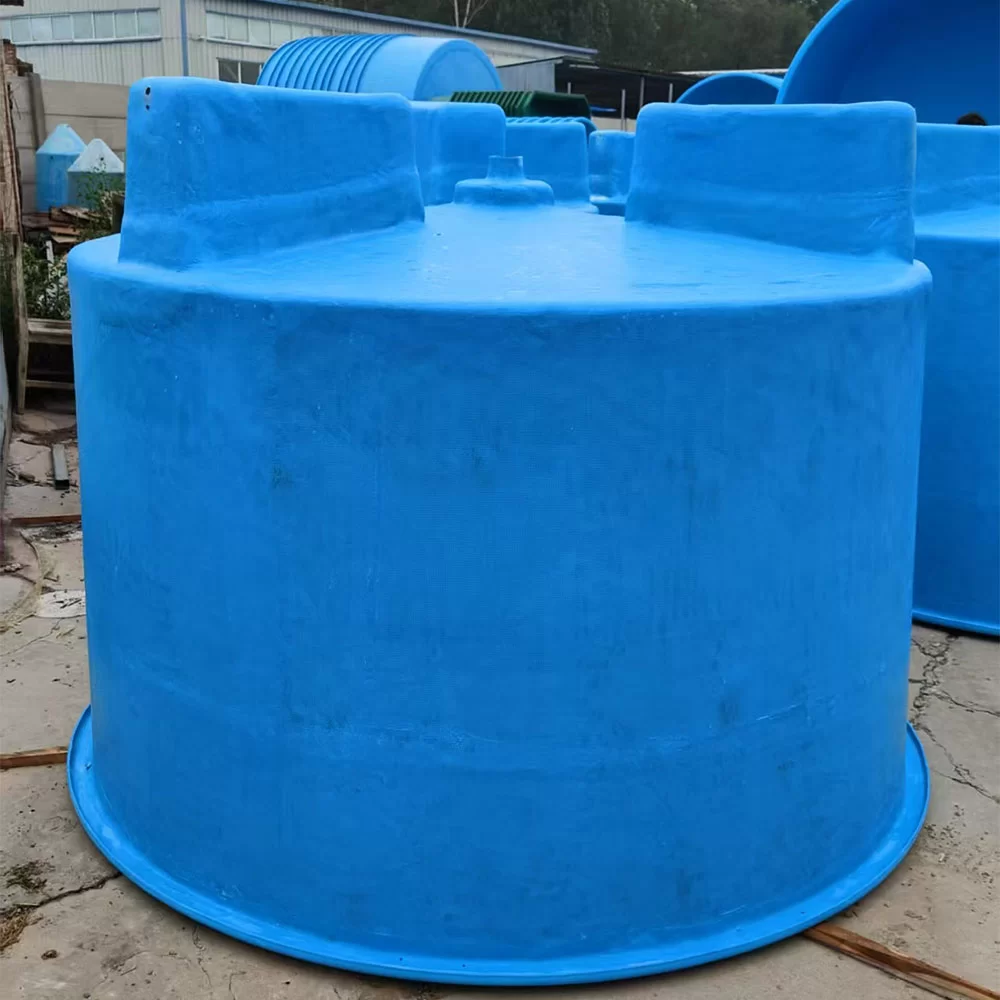
Fiberglass Septic Tank Solutions for Bangladesh

Fiberglass Septic Tank Solutions for Bangladesh

Providing durable and cost-effective fiberglass products for infrastructure and industrial applications in Bangladesh.

Fiberglass Septic Tank Solutions for Bangladesh

Offering a comprehensive range of fiberglass products tailored for the Bangladeshi market, focusing on durability and performance.

Current Market Landscape in Bangladesh

Analyzing the demand and challenges for fiberglass products in the Bangladeshi infrastructure and construction sectors.

Bangladesh, a densely populated nation with a rapidly growing economy, faces significant infrastructure challenges. The demand for durable and cost-effective building materials is continuously increasing. Fiberglass products are emerging as a viable alternative to traditional materials like concrete and steel, offering advantages in terms of weight, corrosion resistance, and ease of installation. The low-lying deltaic geography of Bangladesh also creates a high demand for septic tank solutions.

The current market is characterized by a mix of local manufacturers and imports. Local production is gaining traction, but often struggles with maintaining consistent quality and meeting international standards. Fiberglass septic tank demand is particularly high due to sanitation challenges in both urban and rural areas. Import duties and logistical constraints, however, impact the price competitiveness of imported products.

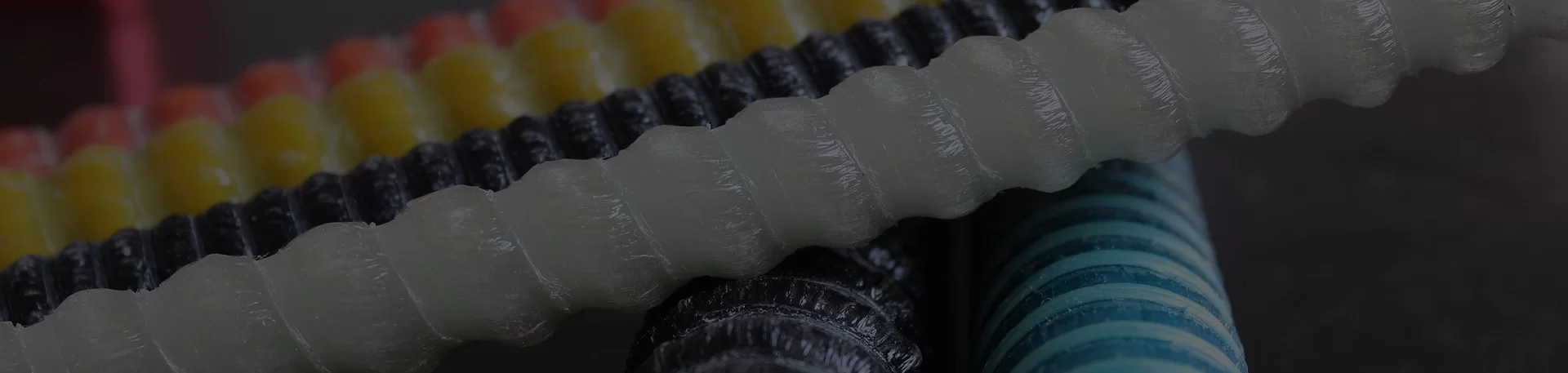
Climate considerations, such as high humidity and monsoon seasons, also play a role. Fiber glass rebar offers a corrosion-resistant solution for construction projects in such environments. The growth in construction, fueled by government infrastructure spending and private sector investment, is driving demand for these materials.
Evolution of Fiberglass Reinforced Plastics in Bangladesh

Tracing the development of FRP technology and its adoption in the Bangladeshi market.

Market Development History

The introduction of fiberglass products in Bangladesh started in the late 1980s, initially focusing on simple applications like boat building and small-scale construction. Early products were largely imported, lacking local manufacturing expertise. The early 2000s saw a gradual increase in local manufacturing, albeit on a smaller scale and often with limited technological sophistication.

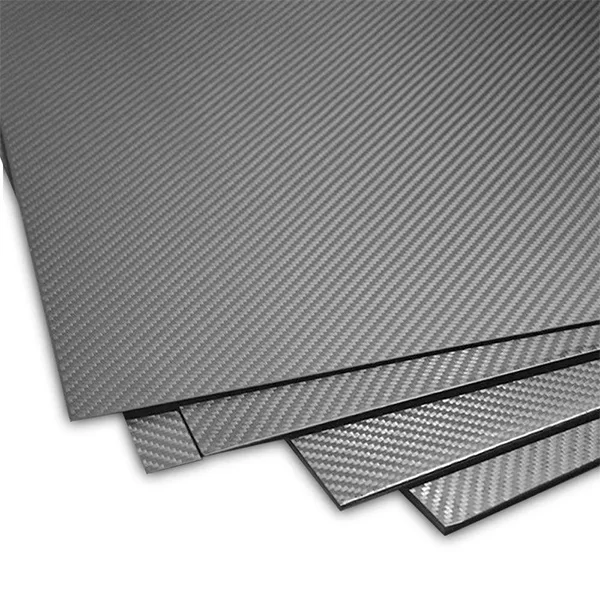
Between 2010 and 2015, significant investments were made in local FRP manufacturing facilities, driven by growing demand from the construction and infrastructure sectors. This period also witnessed the introduction of more advanced manufacturing techniques, such as pultrusion and resin transfer molding. Carbon fiber reinforcement started gaining some traction in niche applications requiring high strength-to-weight ratios.

From 2016 to present, the market has experienced a surge in demand for diverse fiberglass products, including septic tanks, rebar, and guardrails. This growth has been fueled by increased government focus on infrastructure development and improved sanitation standards. The adoption of fiberglass guardrail mesh has also been observed due to its safety benefits.

Future Development Trends

Increased Adoption of Advanced Composites

The future will see greater utilization of advanced composites, including carbon fiber reinforced polymers (CFRP), in applications requiring exceptional strength and durability. Google Trends data indicates a rising search volume for “carbon fiber applications” in Bangladesh.

Sustainability Focus

Environmental concerns will drive demand for eco-friendly FRP products and manufacturing processes. Emphasis will be placed on using recyclable resins and reducing waste generation.

Technological Advancements

Automation and digital technologies will be integrated into FRP manufacturing processes to improve efficiency, quality control, and product customization.

Industry Trends and Future Outlook

Forecasting the growth and innovation potential of the FRP industry in Bangladesh.

Growing Infrastructure Demand
Bangladesh's rapid urbanization and infrastructure development will continue to drive demand for FRP materials in construction and transportation projects.
Rising Sanitation Needs
Increasing awareness regarding sanitation and hygiene will boost demand for fiberglass septic tank solutions, especially in rural areas.
Corrosion Resistance Advantages
The high corrosion resistance of fiberglass makes it ideal for construction projects in Bangladesh's humid and saline environments.
Lightweight and Easy Installation
The lightweight nature of fiberglass reduces transportation costs and simplifies installation, making it attractive for projects in remote areas.

Industry Outlook

The FRP industry in Bangladesh is poised for significant growth over the next 3-5 years. Increased government investment in infrastructure, coupled with growing awareness of the benefits of FRP materials, will drive demand. The key to success will be the ability of local manufacturers to adopt advanced technologies and maintain consistent product quality.

Focus on sustainable practices and the development of eco-friendly FRP products will also be crucial to capitalize on emerging market trends. Collaboration between local manufacturers and international technology providers will facilitate the transfer of knowledge and expertise.

Local Application Scenarios

Illustrating the practical applications of fiberglass products in the Bangladeshi context.

1. Rural Sanitation: Fiberglass Septic Tanks

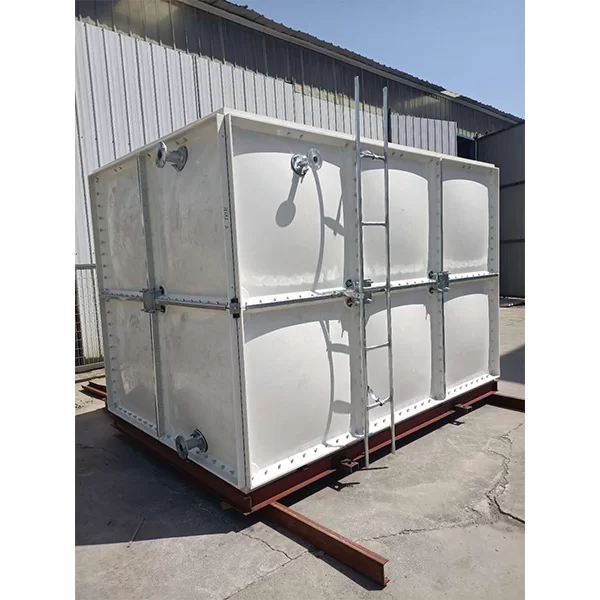
Providing affordable and durable septic tank solutions for rural communities lacking access to centralized sewage systems. These tanks offer a hygienic and environmentally friendly alternative to traditional pit latrines.

2. Coastal Protection: Fiberglass Sheet Piling

Utilizing fiberglass sheet piling for coastal erosion control and protecting vulnerable infrastructure from the impacts of cyclones and rising sea levels. Its corrosion resistance is vital in the saline coastal environment.

3. Bridge Infrastructure: Fiber Glass Rebar

Employing fiber glass rebar in bridge construction to enhance durability and reduce maintenance costs, particularly in areas prone to corrosion.

4. Road Safety: Fiberglass Guardrails

Installing fiberglass guardrail mesh along highways and rural roads to improve road safety and minimize accident severity.

5. River Transportation: Fiberglass Boats

Constructing lightweight and durable fiberglass boats for river transportation, offering a cost-effective and reliable mode of transport in Bangladesh’s extensive river network.

Brand Story

Hebei Zhongtian Composite Material Group Co., Ltd.’s Global Development Journey

Foundational Commitment to Quality

Established in 2005, Hebei Zhongtian Composite Material Group Co., Ltd. began with a vision to revolutionize construction materials through innovative FRP solutions.

Technological Advancement

In 2012, we invested heavily in state-of-the-art manufacturing equipment and R&D, enabling us to produce high-performance FRP products.

Expansion into International Markets

By 2018, we expanded our reach to international markets, including Southeast Asia and the Middle East, providing customized FRP solutions.

Focus on Sustainability

We are committed to sustainable manufacturing practices and developing eco-friendly FRP products to minimize environmental impact.

Partnership with Bangladesh

We aim to empower Bangladesh with durable, cost-effective and sustainable infrastructure solutions through our FRP expertise.

Complete Product Portfolio for the Local Market

A comprehensive range of fiberglass products designed to meet the specific needs of the Bangladeshi market.

Frequently Asked Questions (Local)

Addressing common inquiries regarding our fiberglass products in Bangladesh.

What are the long-term cost savings of using fiberglass septic tanks compared to concrete options in Bangladesh?

Fiberglass septic tanks offer significant long-term cost savings due to their resistance to corrosion and longer lifespan, reducing the need for frequent replacements and maintenance.

How does fiberglass rebar perform in the highly humid and saline coastal regions of Bangladesh?

Fiberglass rebar excels in coastal environments due to its exceptional corrosion resistance, outperforming steel rebar in terms of durability and reducing structural deterioration.

What certifications do your fiberglass products hold, ensuring quality and compliance with international standards?

Our fiberglass products are certified to ISO 9001 standards and undergo rigorous testing to ensure compliance with international quality and safety regulations.

Can fiberglass guardrails withstand the frequent cyclones and storms experienced in Bangladesh?

Yes, fiberglass guardrails are designed to withstand high winds and impacts, offering enhanced safety during cyclones and storms.

What is the typical installation process for fiberglass septic tanks in Bangladesh, and do you provide installation support?

Installation is relatively straightforward, requiring minimal heavy machinery. We provide detailed installation guides and technical support to ensure proper setup.

How does the weight of fiberglass products compare to traditional materials like concrete, and what are the logistical benefits?

Fiberglass products are significantly lighter than concrete, reducing transportation costs and simplifying handling on-site, especially in challenging terrains.

Get in Touch with Us

We are dedicated to providing high-quality fiberglass solutions to meet the infrastructure needs of Bangladesh.

Contact Us Now

If you are interested in our products, you can choose to leave your information here, and we will be in touch with you shortly.