Fiberglass Septic Tank Solutions for South Korea

Fiberglass Septic Tank Solutions for South Korea

Leading provider of high-quality fiberglass products, including septic tanks, rebar, and guardrail mesh in South Korea.

Fiberglass Septic Tank Solutions for South Korea

Providing innovative fiberglass solutions to meet the growing infrastructure needs of South Korea.

Current Status of Fiberglass Products in South Korea

An overview of the fiberglass industry landscape within the South Korean market.

South Korea's robust construction and infrastructure sectors drive a steady demand for fiberglass products. The nation’s commitment to durable and corrosion-resistant materials makes fiberglass a preferred choice for various applications. The unique geographical challenges of South Korea, including mountainous terrain and coastal exposure, necessitate materials capable of withstanding harsh environmental conditions.

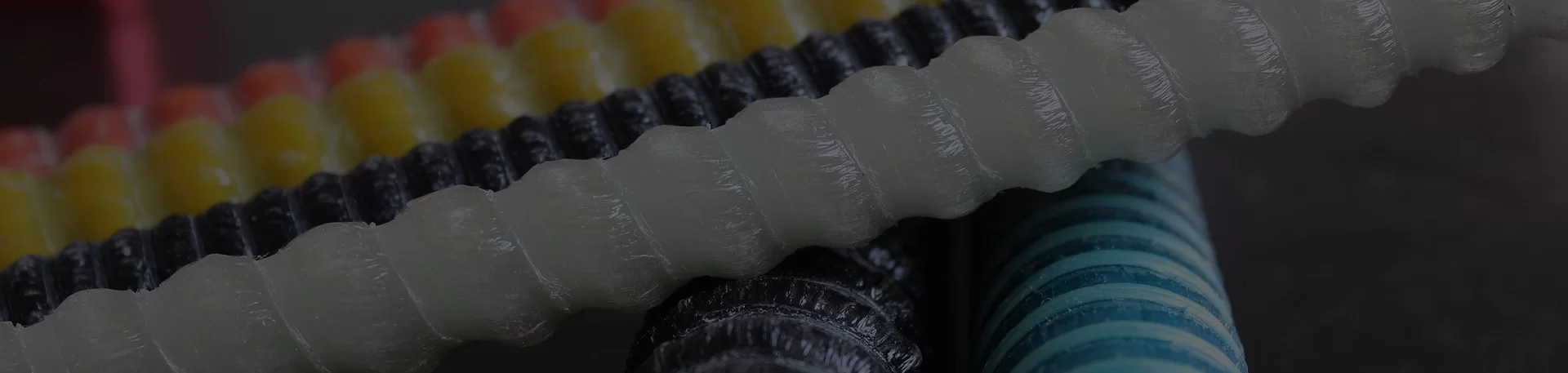
Increasing environmental regulations are also shaping the industry. Demand for fiberglass septic tank systems is rising due to their environmental benefits and efficient waste management capabilities. Furthermore, the government's focus on infrastructure modernization projects creates opportunities for advanced composite materials like fiber glass rebar.

The Korean market demonstrates a high acceptance of quality products, with a preference for established brands and stringent quality control standards. Competition is strong, with both domestic and international manufacturers vying for market share. Cost-effectiveness, coupled with long-term performance, remains a key consideration for buyers in this region.
Evolution of Fiberglass Reinforced Plastics in South Korea

Tracing the development of fiberglass technology and its adoption within the Korean manufacturing sector.

Market Development History

The initial introduction of fiberglass products in South Korea in the 1970s primarily focused on basic applications like boat hulls and automotive parts. Early materials were relatively heavy and lacked the advanced properties of today’s composites. The technology was largely imported, with limited domestic production capabilities.

The 1990s witnessed a significant shift with the growth of the construction industry. Fiber glass rebar started gaining traction as a corrosion-resistant alternative to steel. Simultaneously, advancements in resin technologies led to improved strength-to-weight ratios and enhanced durability.

The 21st century has seen the widespread adoption of sophisticated composite materials. The introduction of carbon fiber reinforcement in high-performance applications, alongside increased use of fiberglass guardrail mesh for safety infrastructure, marks a new era of innovation.

Future Development Trends

Advanced Resin Systems

Research and development are focused on next-generation resin systems offering superior performance characteristics, including enhanced fire resistance and reduced VOC emissions.

Automation and Manufacturing Processes

The industry is embracing automation to improve production efficiency, reduce costs, and enhance product consistency. Robotics and advanced molding techniques are gaining prominence.

Sustainable Composites

Growing demand for eco-friendly materials drives the development of bio-based resins and recyclable fiberglass composites, aligning with South Korea’s sustainability goals.

Industry Trends and Future Outlook for Fiberglass in South Korea

Exploring emerging trends and forecasting the future of fiberglass applications in the South Korean market.

Growing Infrastructure Demand
South Korea's continuous investment in infrastructure projects, particularly in transportation and environmental sectors, will drive demand for durable fiberglass composites.
Increased Focus on Sustainability
The demand for environmentally friendly materials will propel the adoption of bio-based resins and recyclable fiberglass composites.
Advancements in Material Science
Continuous research and development will lead to innovative fiberglass composite materials with enhanced properties and expanded applications.
Increased Automation in Production
Manufacturers are investing in automation technologies to improve efficiency, reduce costs, and enhance the quality of fiberglass products.

Industry Outlook

The South Korean fiberglass market is poised for continued growth, driven by infrastructure development, environmental regulations, and technological advancements. The demand for high-performance composites will increase across various sectors, including construction, transportation, and renewable energy.

Manufacturers who prioritize innovation, sustainability, and cost-effectiveness will be best positioned to succeed in this dynamic market. The focus will be on developing advanced materials and manufacturing processes that meet the evolving needs of South Korean industries.

Local Application Scenarios of Fiberglass Products in South Korea

Specific examples of how fiberglass materials are utilized in South Korean industries.

1. Coastal Defense Structures

South Korea's extensive coastline requires robust defense structures to protect against erosion and storm surges. Fiberglass guardrail mesh and composite seawalls offer superior corrosion resistance and durability compared to traditional materials.

2. Wastewater Treatment Facilities

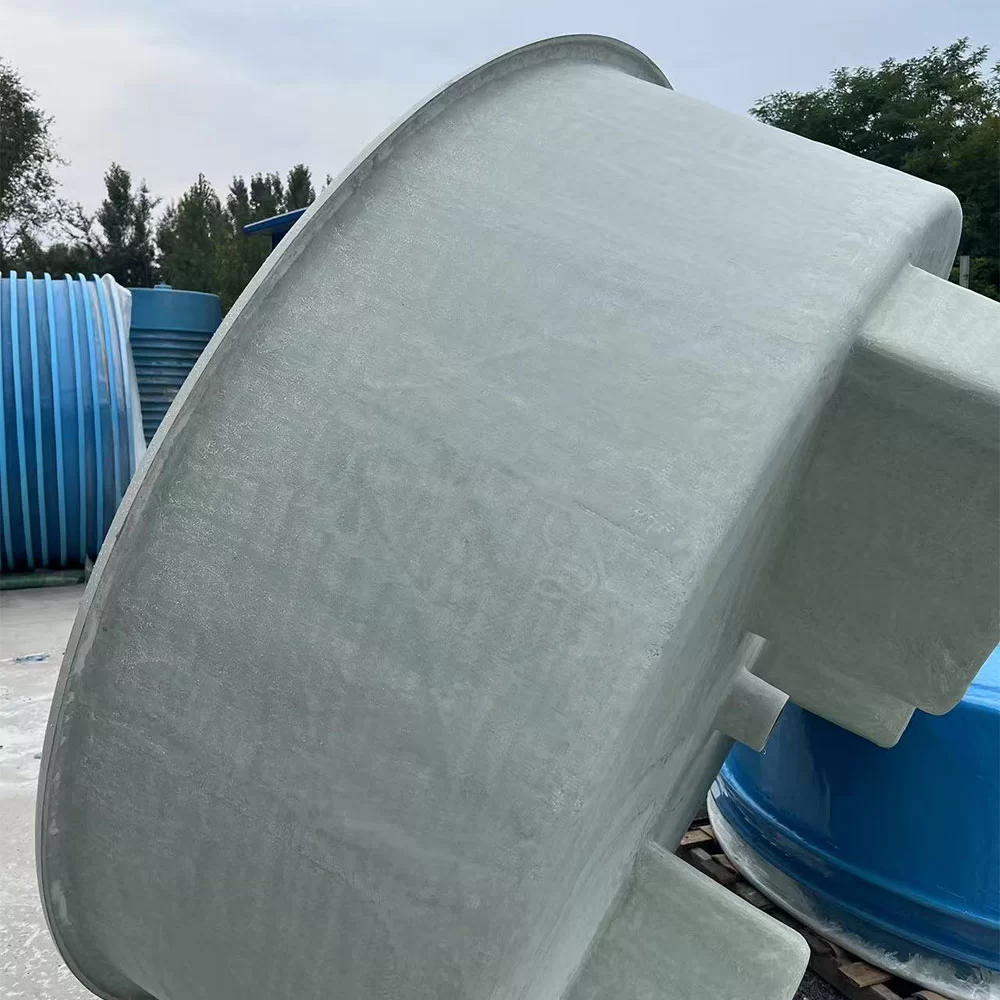
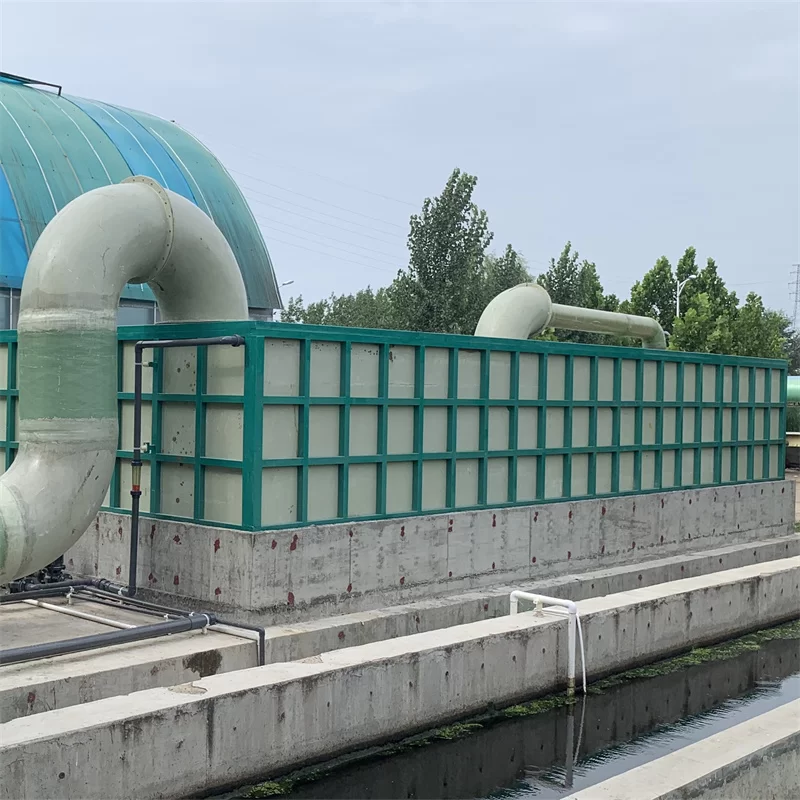
With increasing urbanization, South Korea faces challenges in wastewater management. Fiberglass septic tank systems provide an efficient and environmentally friendly solution for treating wastewater in both urban and rural areas.

3. Bridge Reinforcement Projects

Aging infrastructure requires ongoing maintenance and reinforcement. Fiber glass rebar is increasingly used to strengthen concrete bridges, extending their lifespan and reducing maintenance costs.

4. High-Speed Rail Infrastructure

South Korea’s high-speed rail network benefits from the use of lightweight and strong fiberglass composites in components such as fairings and structural supports, enhancing performance and safety.

Brand Story

Hebei Zhongtian Composite Material Group Co., Ltd.'s Global Development Journey

Commitment to Quality & Innovation

Founded in 2003, Hebei Zhongtian Composite Material Group Co., Ltd. has rapidly grown into a leading manufacturer of fiberglass reinforced plastic (FRP) products, committed to delivering exceptional quality and innovative solutions.

Dedicated to Customer Success

We partner closely with our customers to understand their unique needs and develop tailored FRP solutions that enhance performance, durability, and cost-effectiveness.

Global Reach & Expertise

Serving a global clientele, we leverage our extensive manufacturing capabilities and technical expertise to deliver FRP products to diverse industries worldwide, including infrastructure, environmental, and transportation.

Sustainable Manufacturing Practices

We are committed to sustainable manufacturing practices, reducing our environmental impact through responsible sourcing, energy efficiency, and waste reduction initiatives.

Pioneering FRP Solutions

Driven by a passion for innovation, we continuously invest in research and development to pioneer new FRP technologies and applications, shaping the future of composite materials.

Comprehensive Product Range for the Korean Market

Explore our extensive selection of fiberglass products designed to meet the specific demands of South Korean industries.

Frequently Asked Questions – Fiberglass Products in South Korea

Addressing common questions about our fiberglass solutions and their application in the Korean market.

What are the benefits of using fiberglass rebar compared to traditional steel rebar in corrosive environments?

Fiberglass rebar offers superior corrosion resistance, lighter weight, and non-conductivity compared to steel, making it ideal for coastal infrastructure and applications exposed to harsh chemicals. This leads to reduced maintenance costs and extended structural lifespan.

How does the lifespan of a fiberglass septic tank compare to a concrete septic tank?

Fiberglass septic tanks typically have a significantly longer lifespan than concrete tanks, often exceeding 50 years, due to their resistance to corrosion, cracking, and leakage. Concrete tanks are susceptible to degradation over time.

What is the fire resistance rating of your fiberglass products?

Our fiberglass products meet stringent fire resistance standards, with certain formulations achieving a Class A fire rating. The specific rating depends on the resin system and additives used.

Are fiberglass composite materials environmentally friendly?

Fiberglass composites offer several environmental benefits, including reduced weight (leading to lower transportation emissions), long lifespan (reducing replacement frequency), and the availability of bio-based resin options.

What is the typical lead time for custom fiberglass product orders?

Lead times for custom orders vary depending on the complexity of the design and order volume. Typically, we require 4-6 weeks for production and delivery.

How do fiberglass guardrail systems perform in seismic events?

Fiberglass guardrail systems offer excellent impact resistance and flexibility, making them highly effective in absorbing energy during seismic events, reducing the risk of collapse and protecting infrastructure.

Contact Us Today

We are your trusted partner for high-quality fiberglass solutions in South Korea. Let us help you find the perfect FRP products for your project.

Contact Us Now

If you are interested in our products, you can choose to leave your information here, and we will be in touch with you shortly.