Ethiopian Fiberglass Septic Tank Solutions

Ethiopian Fiberglass Septic Tank Solutions

Providing durable and cost-effective fiberglass solutions for Ethiopia’s infrastructure needs.

Ethiopian Fiberglass Septic Tank Solutions

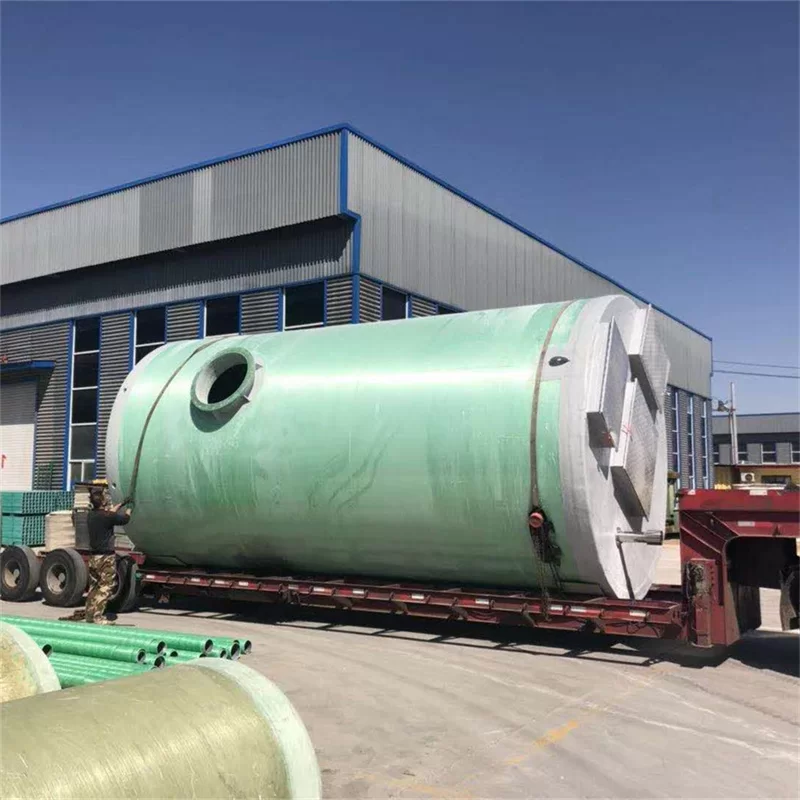
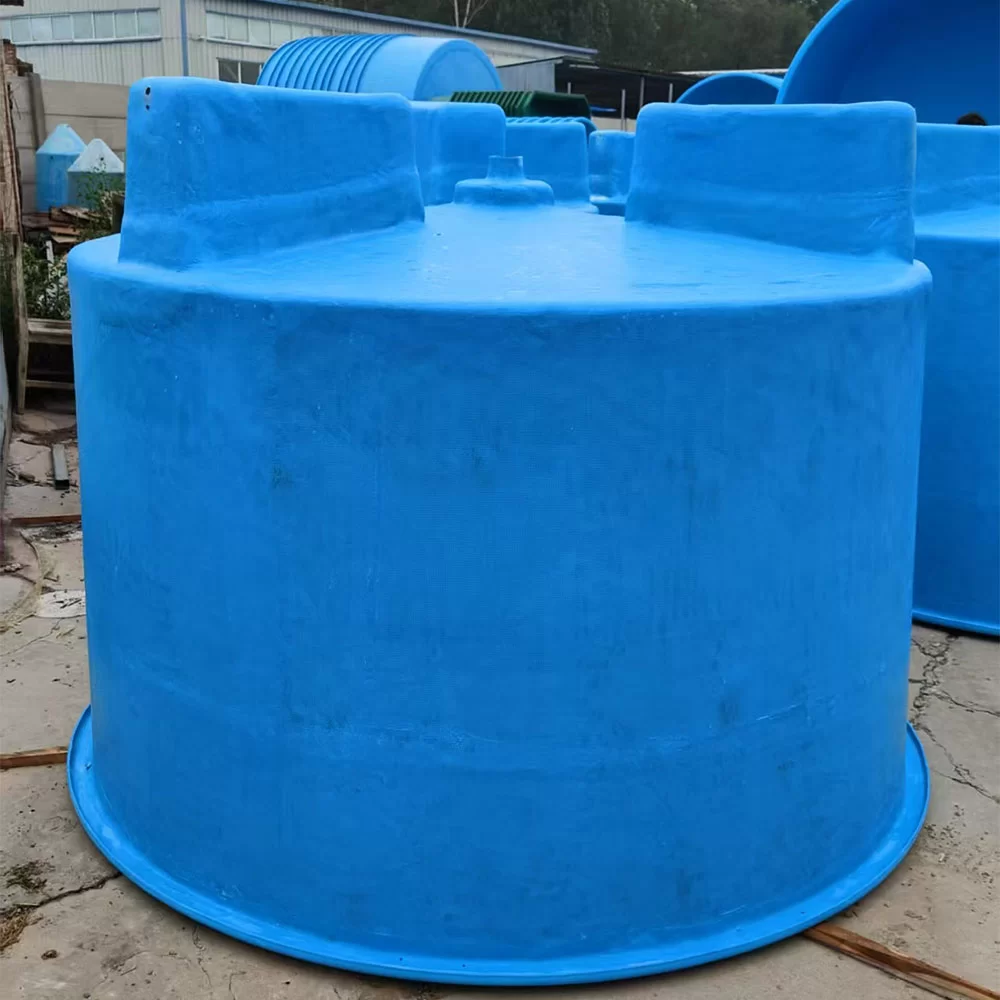
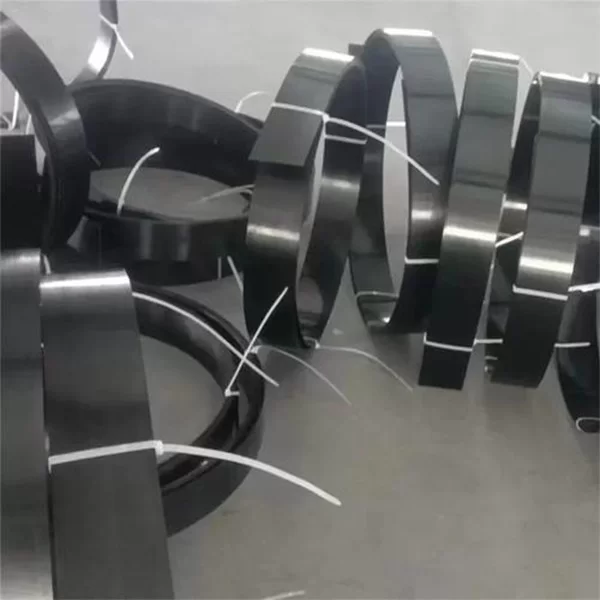
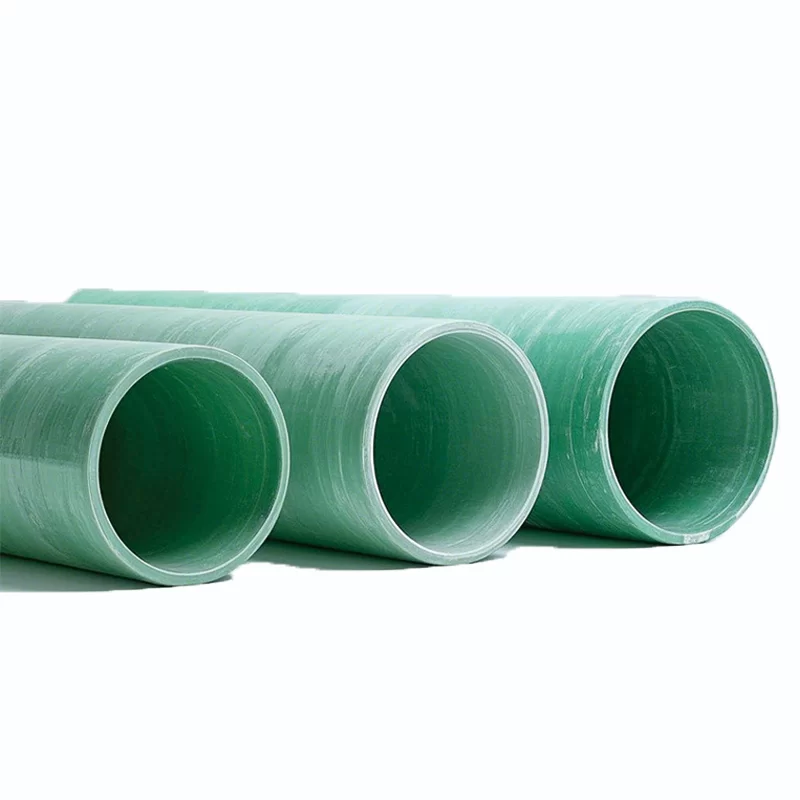
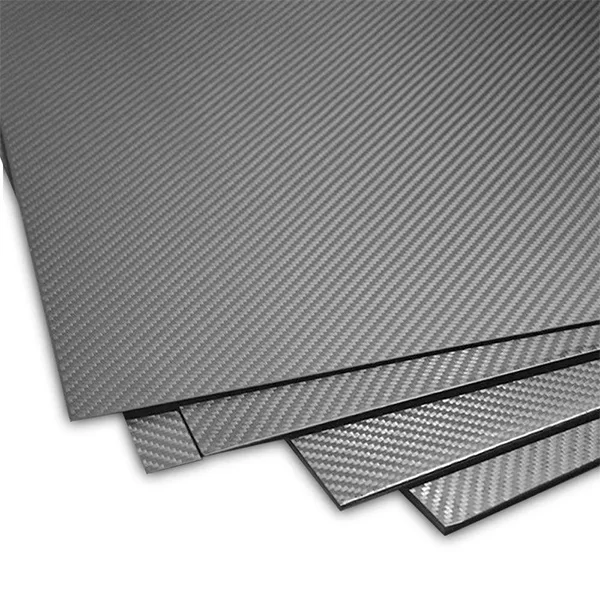
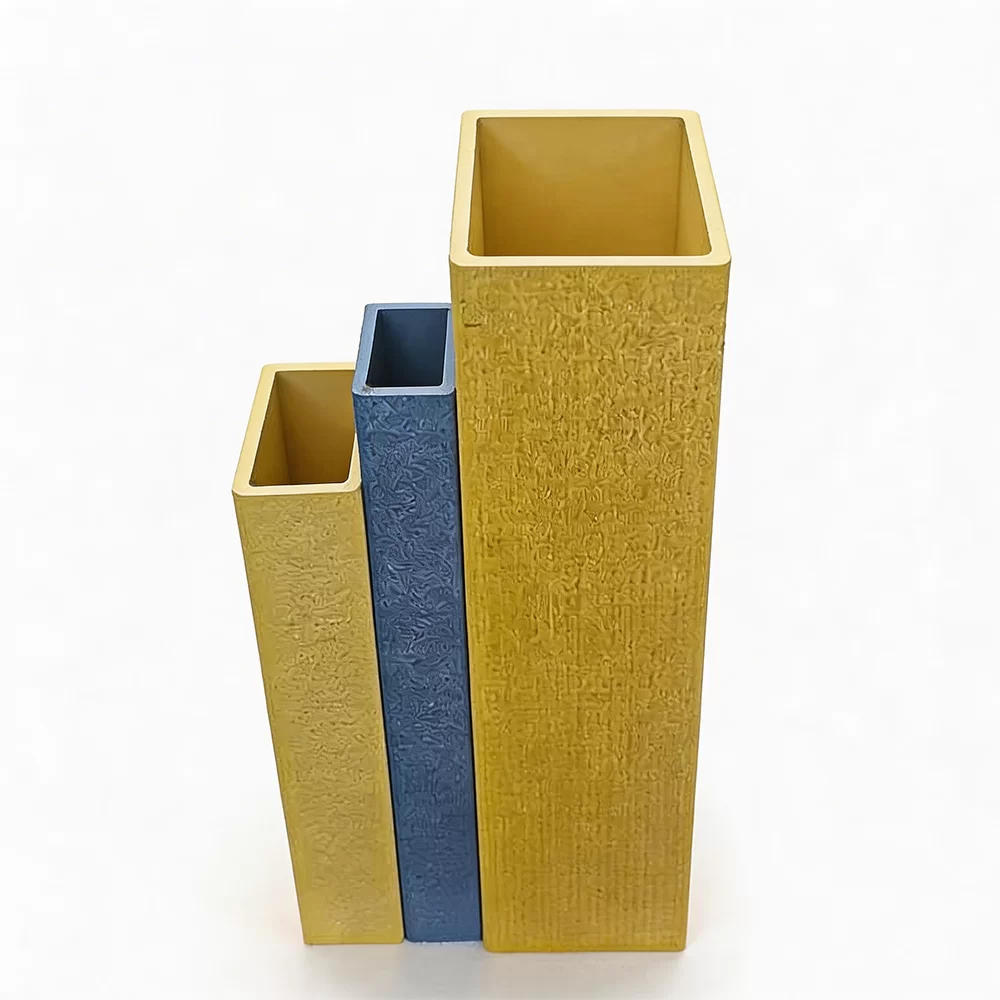
Offering a comprehensive range of fiberglass products tailored for the Ethiopian market, including septic tanks, rebar, guardrail mesh, and carbon fiber reinforcements.

Current State of Fiberglass Products in Ethiopia

Analyzing the market landscape and challenges for fiberglass manufacturing in Ethiopia.

Ethiopia’s infrastructure development is rapidly expanding, creating a significant demand for durable and cost-effective building materials. While traditional materials like concrete and steel are prevalent, fiberglass products are gaining traction due to their superior strength-to-weight ratio, corrosion resistance, and ease of installation. However, the industry faces challenges such as limited local manufacturing capacity and reliance on imports.

The Ethiopian climate, characterized by both wet and dry seasons, presents unique challenges for infrastructure. Traditional materials are susceptible to corrosion and degradation in these conditions. Fiberglass septic tanks, for example, offer a robust solution resistant to the corrosive effects of wastewater and soil conditions, making them ideal for both urban and rural areas.

Economic factors also play a crucial role. The cost of importing materials can be high, impacting project budgets. Increased local production of fiber glass rebar and other fiberglass components would help reduce costs and stimulate economic growth.
Evolution of Fiberglass Manufacturing in Ethiopia

Tracing the development of fiberglass technology and its adoption in the Ethiopian market.

Market Development History

Prior to the 2000s, the use of fiberglass was limited in Ethiopia, primarily confined to specialized applications. The early 2000s saw a gradual increase in awareness and demand for fiberglass products as infrastructure projects began to increase.

The 2010s witnessed the establishment of a few local manufacturing facilities, although most products continued to be imported. Focus primarily was on fiberglass guardrail mesh for road safety and water tanks for agricultural purposes.

In recent years (2020-present), there has been a growing emphasis on sustainable infrastructure and the adoption of advanced materials like carbon fiber reinforcement to enhance the durability and longevity of structures.

Future Development Trends

Enhanced Material Properties

Research and development will focus on improving the mechanical properties of fiberglass composites, such as tensile strength and impact resistance, to meet the demands of increasingly complex infrastructure projects.

Local Production Capacity

Expanding local manufacturing capacity will be crucial to reducing costs and creating employment opportunities. Government incentives and private investment will play a key role in this process.

Sustainable Manufacturing Practices

Adopting environmentally friendly manufacturing processes, such as using recycled materials and reducing waste, will become increasingly important to promote sustainability.

Industry Trends and Future Outlook for Fiberglass in Ethiopia

Exploring emerging trends and predicting future developments in the Ethiopian fiberglass market.

Increasing Demand for Sanitation Solutions
Ethiopia’s growing population and urbanization are driving demand for improved sanitation facilities, creating a significant market opportunity for fiberglass septic tanks.
Infrastructure Development Projects
Government investments in roads, bridges, and water infrastructure are fueling demand for fiberglass guardrail mesh and corrosion-resistant materials.
Growing Adoption of Sustainable Materials
Increased awareness of environmental issues is driving demand for sustainable building materials like fiberglass, which offers a longer lifespan and reduced maintenance requirements.
Cost-Effectiveness and Durability
Fiberglass offers a compelling value proposition due to its low maintenance costs, long lifespan, and resistance to corrosion, making it a cost-effective solution in the long run.

Industry Outlook

The Ethiopian fiberglass market is poised for significant growth in the coming years, driven by infrastructure development, urbanization, and increasing awareness of sustainable building materials. Local manufacturing capacity will need to expand to meet this growing demand.

Innovation in fiberglass technology, such as the development of new composite materials and manufacturing processes, will further enhance the competitiveness of the industry and unlock new application opportunities.

Localized Applications of Fiberglass in Ethiopia

Exploring specific use cases of fiberglass products tailored to the Ethiopian context.

1. Rural Water Storage Tanks

Providing clean and safe water storage solutions for rural communities, where access to reliable water sources is limited. Fiberglass tanks are lightweight, durable, and resistant to corrosion, making them ideal for these environments.

2. Agricultural Irrigation Systems

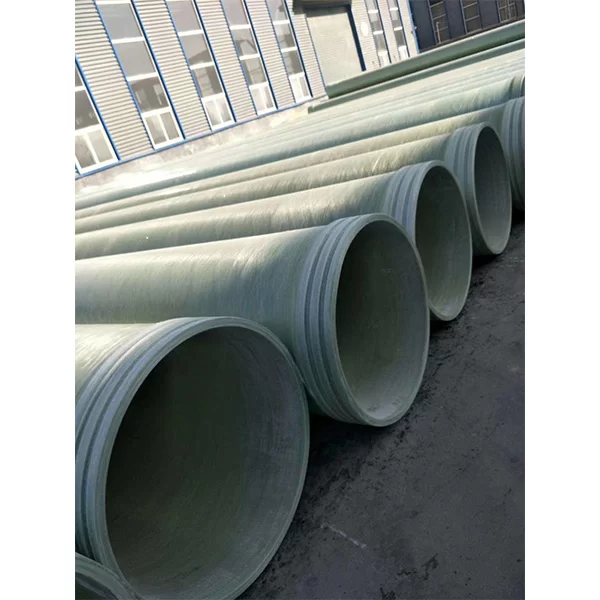
Implementing efficient irrigation systems using fiberglass pipes and components to improve crop yields and reduce water waste. Fiberglass’s corrosion resistance is crucial in agricultural settings.

3. Sewage and Wastewater Treatment Plants

Constructing robust and long-lasting sewage and wastewater treatment plants using fiberglass septic tanks and other composite materials. Addressing sanitation challenges in urban areas.

4. Road Safety Barriers

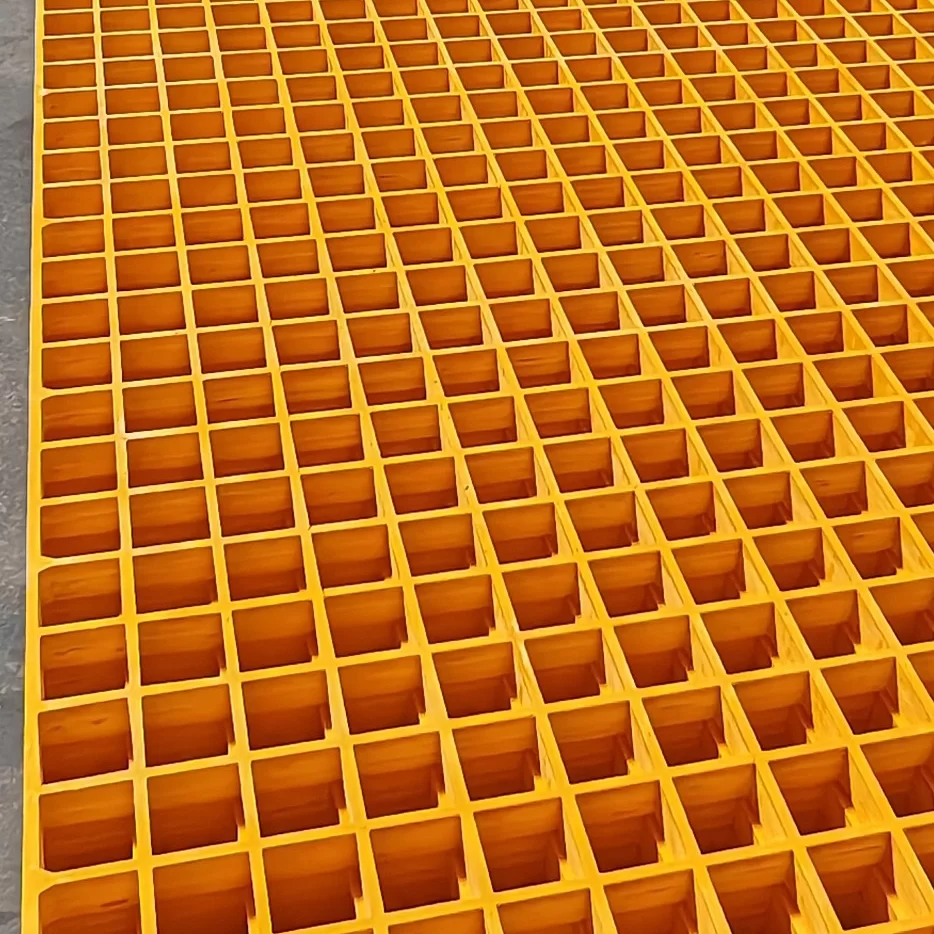
Enhancing road safety by installing fiberglass guardrail mesh along highways and roadways. Improving infrastructure safety and reducing accident rates.

Brand Story

The global development history of Hebei Zhongtian Composite Material Group Co., Ltd.

Foundation and Early Growth

Established in 2003, Hebei Zhongtian Composite Material Group Co., Ltd. began as a small-scale manufacturer of fiberglass products, focused on serving the domestic market.

Technological Innovation

In 2010, the company invested heavily in research and development, leading to the introduction of advanced manufacturing techniques and improved product quality.

Expansion into International Markets

2015 marked the beginning of our global expansion, with successful entry into markets in Southeast Asia and Africa, including Ethiopia.

Commitment to Sustainability

In recent years, we have prioritized sustainable manufacturing practices, reducing waste and minimizing our environmental footprint.

Vision for the Future

We aim to be a leading global provider of innovative and sustainable fiberglass solutions, contributing to a better future for all.

Complete Product Portfolio for the Local Region

A comprehensive range of fiberglass products tailored for the Ethiopian market.

Frequently Asked Questions about Fiberglass Products in Ethiopia

Addressing common queries regarding fiberglass applications and benefits in the Ethiopian market.

What are the advantages of using fiberglass septic tanks over concrete septic tanks in Ethiopia?

Fiberglass septic tanks are lightweight, corrosion-resistant, and require less maintenance than concrete tanks. They are also easier to install and offer a longer lifespan, making them a cost-effective solution for Ethiopia’s diverse soil conditions.

How does fiberglass rebar perform compared to traditional steel rebar in Ethiopian construction projects?

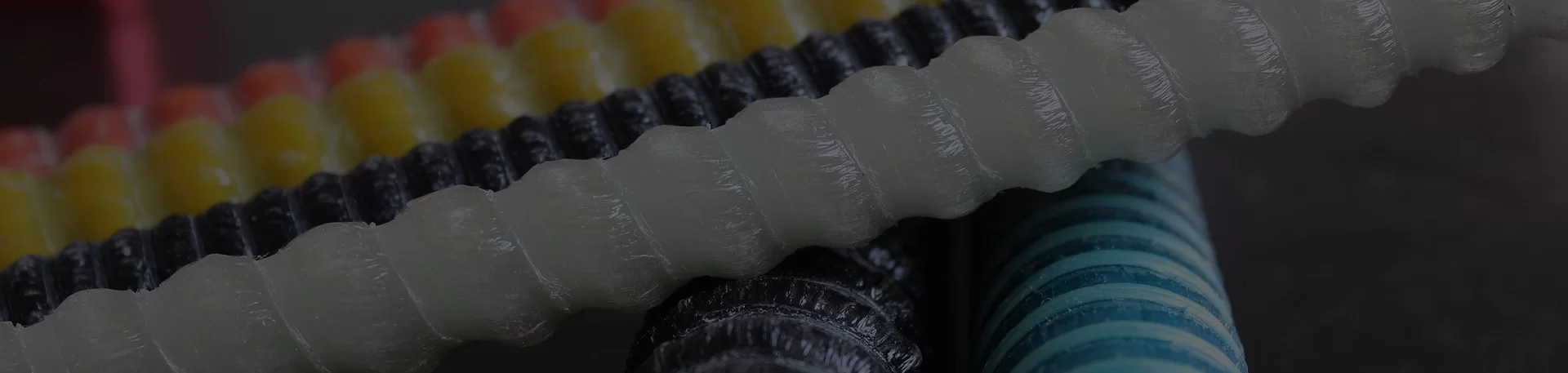
Fiberglass rebar is non-corrosive, lightweight, and has a higher tensile strength than steel rebar. This makes it an ideal choice for infrastructure projects in Ethiopia, where corrosion is a significant concern.

What is the lifespan of fiberglass guardrail mesh compared to traditional metal guardrails in Ethiopia?

Fiberglass guardrail mesh has a significantly longer lifespan than metal guardrails, as it is resistant to corrosion and impact damage. It also requires less maintenance, reducing long-term costs.

Are fiberglass products environmentally friendly for construction projects in Ethiopia?

Fiberglass production has a lower environmental impact compared to steel production. Fiberglass products also have a longer lifespan, reducing the need for frequent replacements and minimizing waste.

What maintenance is required for fiberglass water storage tanks in Ethiopia?

Fiberglass water storage tanks require minimal maintenance. Regular inspection and cleaning are recommended to ensure optimal performance and water quality.

How do I obtain a quote for fiberglass products tailored to my specific project requirements in Ethiopia?

Please contact us through our website or directly to discuss your project requirements. We will provide a customized quote based on your specific needs.

Get in Touch with Us Today

We are committed to providing high-quality fiberglass solutions to meet the growing infrastructure needs of Ethiopia. Contact us to learn more about our products and services.

Contact Us Now

If you are interested in our products, you can choose to leave your information here, and we will be in touch with you shortly.