
Understanding FRP Rebar Price Trends and Long Term Infrastructure Solutions

  • Home
  • Top Blog
  • Understanding FRP Rebar Price Trends and Long Term Infrastructure Solutions
0%

Table of Contents

Look, I’ve spent the last fifteen years knee-deep in concrete dust, talking to ironworkers, structural engineers, and project managers. And let me tell you, the biggest headache on any jobsite isn't always the weather or labor shortages – it’s corrosion. Traditional steel rebar is a beast, but it rusts. That rust expands, cracks concrete, and compromises the entire structure. That’s where Fiber Reinforced Polymer (FRP) rebar comes in. Understanding the frp rebar price isn’t just about cost sheets; it’s about building structures that last and minimizing lifecycle expenses. It's about solving a fundamental problem.

For years, FRP was seen as a premium product, priced out of reach for many projects. That perception is changing rapidly. The frp rebar price is becoming increasingly competitive, especially when you factor in the long-term benefits. We're seeing wider adoption in marine environments, bridge decks, and anywhere concrete is exposed to de-icing salts, all driven by lifecycle cost analysis. The initial investment might be slightly higher, but the savings on maintenance and repair – plus the extended service life – are substantial.

It's not just about saving money down the line, either. FRP rebar is non-metallic, meaning it’s non-conductive. This is huge for projects like MRI facilities or anywhere electromagnetic interference is a concern. It’s also lighter than steel, which can simplify handling and reduce installation time. It’s a game-changer, and as more contractors and engineers get comfortable with it, and as the frp rebar price continues to drop, we’re going to see it become the standard, not the exception.
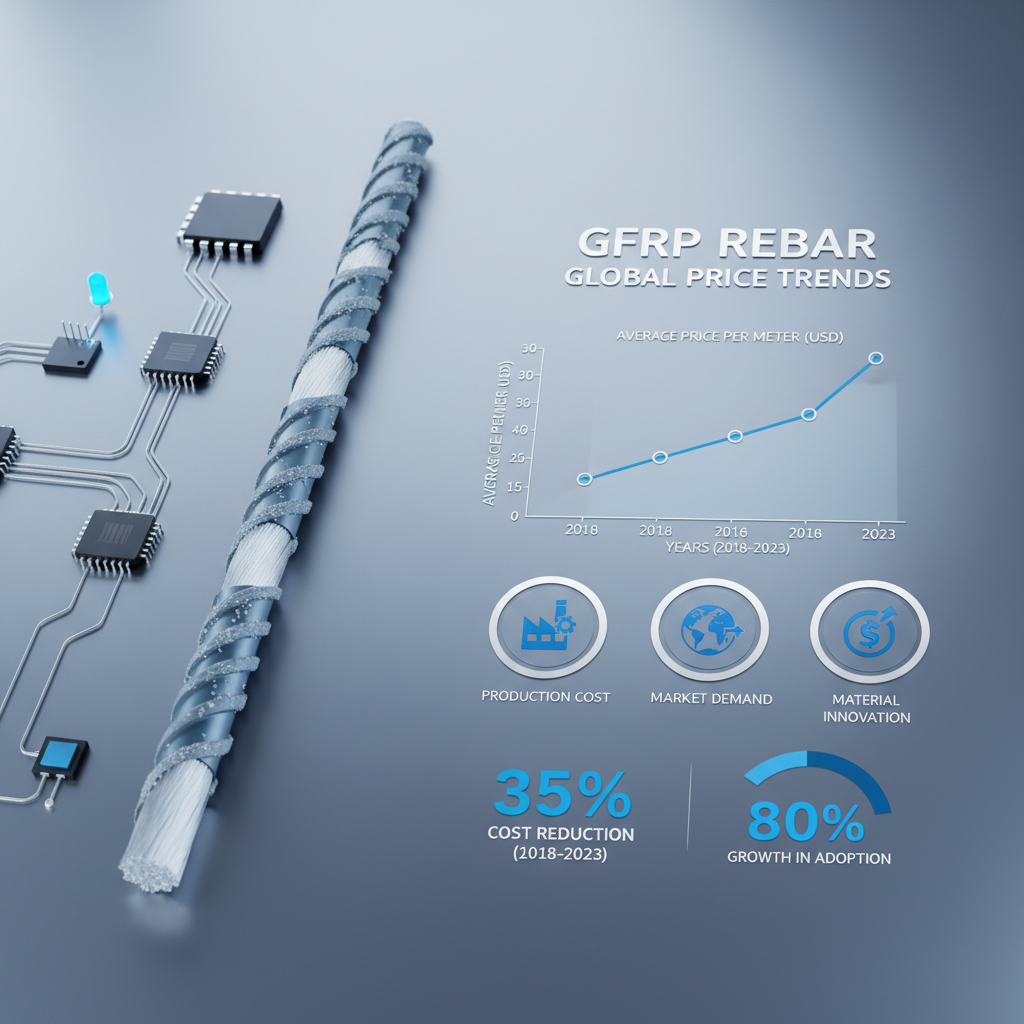
frp rebar price

The Core Value of Understanding frp rebar price

frp rebar price

Knowing the frp rebar price isn’t just a numbers game; it's about informed decision-making. It's about understanding where you're getting your value, and recognizing that 'cheapest' doesn’t always mean ‘best’. I've seen too many projects cut corners on materials only to spend twice as much on repairs a few years later. The initial cost is important, sure, but you need to look at the big picture.

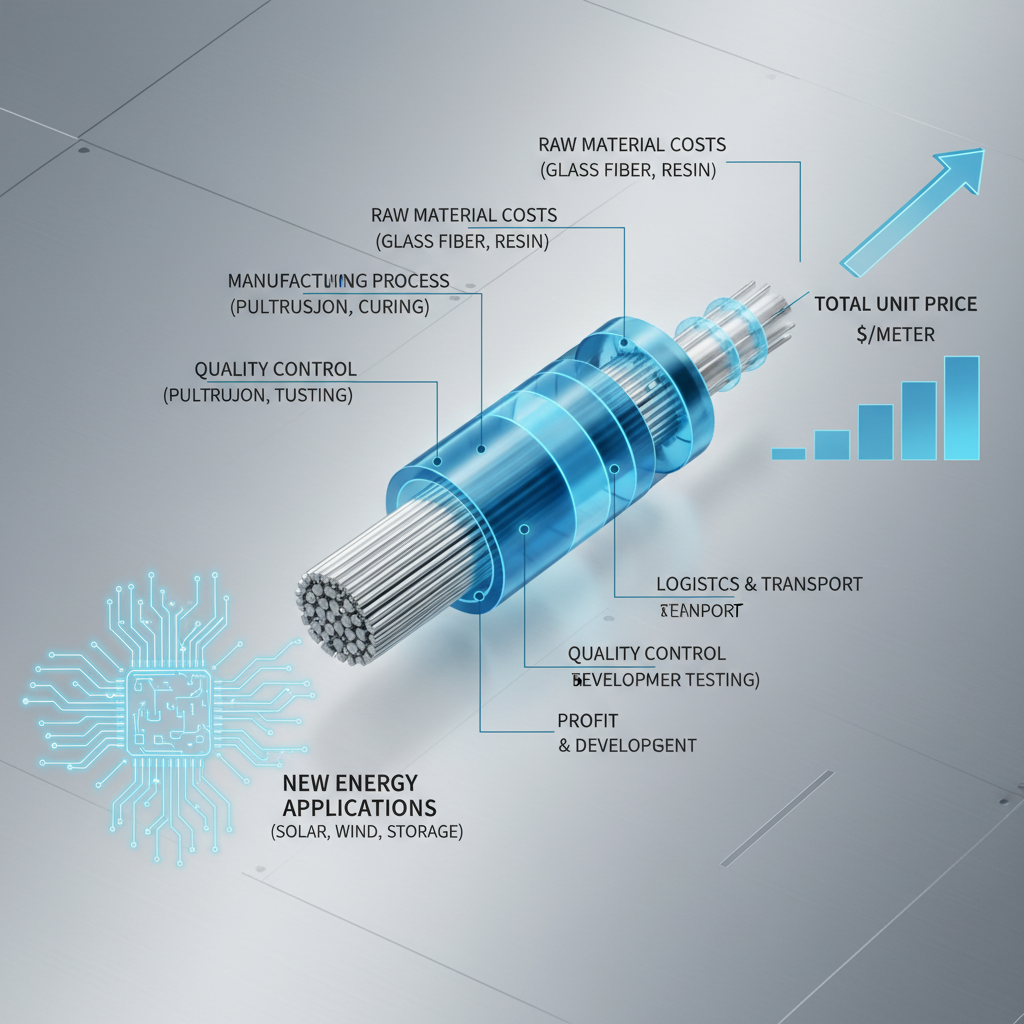
From a practical standpoint, understanding the factors driving the frp rebar price – raw material costs, manufacturing processes, demand, and transportation – allows you to negotiate effectively and plan your budget accurately. It lets you compare apples to apples and avoid being caught off guard by unexpected price fluctuations.

Global Demand & Industry Trends in frp rebar price

We're seeing a global surge in demand for durable infrastructure, particularly in coastal regions and areas prone to seismic activity. This is driving up demand for corrosion-resistant materials like FRP rebar. The ISO standards for FRP rebar are becoming more widely adopted, which is increasing confidence in the material and fueling growth. Countries like Japan and the US are leading the charge, but we're seeing significant interest from emerging markets as well.

The frp rebar price is influenced by global supply chains, especially the cost of resins and fibers. Anything that impacts those raw material prices—oil prices, geopolitical events—will inevitably affect the price of FRP rebar. We've also seen a trend towards greater manufacturing capacity, which is helping to stabilize prices and improve availability.

The United Nations Sustainable Development Goals (SDGs), particularly those related to infrastructure and resilient cities, are also indirectly boosting demand for FRP rebar. Building durable, sustainable infrastructure is key to achieving those goals, and FRP rebar plays a vital role in that process.

Defining FRP Rebar Price & Its Significance

The frp rebar price refers to the cost per unit length (typically per foot or meter) of fiber reinforced polymer reinforcing bar. However, it's not a straightforward comparison to steel rebar pricing. You have to consider the different diameters, strengths, and resin types, each impacting the final cost. It’s a bit more nuanced than simply looking at a price list.

Its significance lies in providing a long-term cost-effective solution, especially in corrosive environments. While the upfront cost may be higher, the extended lifespan, reduced maintenance, and avoidance of costly repairs due to corrosion often result in a lower lifecycle cost. This is where a careful cost analysis is crucial.

Beyond cost, the frp rebar price also reflects the value of a more sustainable material. FRP rebar is lightweight, reducing transportation costs and carbon emissions. It’s also non-corrosive, meaning it doesn’t leach harmful chemicals into the environment.

Key Factors Influencing frp rebar price

Let's be real, understanding what drives the frp rebar price is key to getting a good deal. Raw materials are the biggest piece of the puzzle. The price of carbon fiber, glass fiber, and the resins used to bind them all fluctuate.

Then you've got manufacturing costs. FRP rebar production is a more complex process than steel rebar, requiring specialized equipment and skilled labor. Scale also matters – larger manufacturers can often achieve economies of scale and offer more competitive prices.

Comparison of frp rebar price by Manufacturing Method

Real-World Applications of FRP Rebar

I've seen FRP rebar used everywhere from bridge decks in Florida – where the salt air destroys steel – to waterfront structures in the Great Lakes. Marine pilings are a huge application, and it’s becoming standard in seawalls and docks.

We're also seeing it gain traction in precast concrete plants. It simplifies fabrication and reduces weight, which is a win-win. Even in residential construction, for things like concrete patios and driveways, it’s starting to make sense, especially in coastal areas.

Long-Term Benefits and Value Proposition

Look, the initial cost might be higher, but the lifecycle cost savings are significant. No rust means no repairs, no replacement, and a structure that lasts decades longer. That's a huge return on investment. Plus, it’s lighter, easier to handle, and safer to work with.


The sustainability aspect is also important. Reducing the need for replacements reduces waste and lowers our carbon footprint. And the non-conductive properties are a game-changer in certain applications, providing a level of safety that steel simply can't match.

Future Trends and Innovations in FRP Rebar Technology

We're seeing a lot of research into new resin systems that are even more durable and environmentally friendly. There’s also work being done on automating the manufacturing process, which will drive down costs and improve consistency.


I think we’ll see more integration of FRP rebar with digital monitoring systems. Imagine embedding sensors within the rebar itself to track stress and strain, providing real-time data on the structural health of a building or bridge. That’s the future of infrastructure.

Analysis of FRP Rebar Price Influencing Factors

Factor Category Impact Level (1-10) Volatility (Low, Med, High) Mitigation Strategies
Raw Material Costs (Fiber & Resin) 9 High Long-term contracts, strategic sourcing
Manufacturing Efficiency 7 Med Automation, lean manufacturing principles
Transportation & Logistics 6 Med Regional manufacturing, optimized shipping routes
Demand & Market Competition 8 Med Market diversification, product differentiation
Regulatory Standards & Certifications 5 Low Proactive compliance, industry advocacy
Technological Advancements (New Resins) 7 Med R&D investment, collaboration with material scientists

FAQS

What is the typical lifespan of structures built with FRP rebar compared to steel rebar?

Structures built with FRP rebar are generally expected to last significantly longer than those with steel rebar, often exceeding 75-100 years. This is due to FRP’s inherent corrosion resistance. Steel, even with protective coatings, is prone to rust, which weakens the structure over time. FRP avoids this issue entirely, leading to lower lifecycle costs and reduced maintenance needs. The frp rebar price reflects this extended lifespan, offering a compelling long-term value.

Is FRP rebar suitable for all types of concrete construction projects?

While incredibly versatile, FRP rebar isn't always the best fit for every project. It excels in corrosive environments – marine structures, bridge decks, wastewater treatment plants – where steel is quickly compromised. However, for projects with very high tensile stress requirements, or where budget is the absolute primary concern and corrosion isn’t a major factor, steel may still be considered. A thorough engineering analysis is crucial to determine the optimal material.

How does the installation process for FRP rebar differ from steel rebar?

The installation process is surprisingly similar to steel rebar. FRP rebar can be cut and bent using standard tools, although diamond-tipped blades are recommended for clean cuts. It's lighter, which simplifies handling and reduces the need for heavy equipment. However, you need to use non-metallic ties and supports to avoid galvanic corrosion. Training is key to ensure proper installation techniques are followed.

What factors contribute to variations in the frp rebar price between different suppliers?

Several factors drive price differences. Raw material sourcing, manufacturing processes, production volume, and quality control standards all play a role. Some suppliers may use lower-grade resins or fibers to reduce costs, impacting the long-term performance of the rebar. It's important to verify certifications and conduct thorough due diligence before selecting a supplier. Location also matters - shipping costs can significantly impact the final frp rebar price.

Are there any specific design considerations when using FRP rebar in concrete structures?

Yes, FRP rebar has different mechanical properties than steel rebar, particularly in terms of tensile strength and modulus of elasticity. This requires careful consideration during the design phase. Engineers need to account for these differences to ensure the structure meets performance requirements. Using specialized design software and consulting with experienced FRP engineers is highly recommended.

What is the environmental impact of FRP rebar production and disposal?

Compared to steel rebar, FRP rebar generally has a lower environmental footprint. The manufacturing process can be energy-intensive, but the extended lifespan and reduced need for replacements offset this. FRP rebar is also recyclable, although dedicated recycling facilities are still developing. Choosing suppliers who prioritize sustainable manufacturing practices is crucial.

Conclusion

We’ve covered a lot of ground, but the core message remains consistent: understanding the frp rebar price isn’t just about finding the cheapest option; it’s about making an informed investment in long-term durability, sustainability, and reduced lifecycle costs. FRP rebar isn’t a magic bullet, but it’s a powerful tool for building more resilient and efficient infrastructure.

Looking ahead, I expect to see continued innovation in FRP rebar technology, with new materials and manufacturing processes driving down costs and improving performance. As awareness grows and more engineers and contractors gain experience with FRP, it will undoubtedly become a mainstream building material. If you’re serious about building for the future, it’s time to take a closer look. Visit our website to learn more about our FRP rebar solutions.

If you are interested in our products, you can choose to leave your information here, and we will be in touch with you shortly.